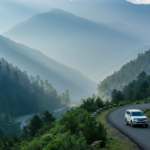
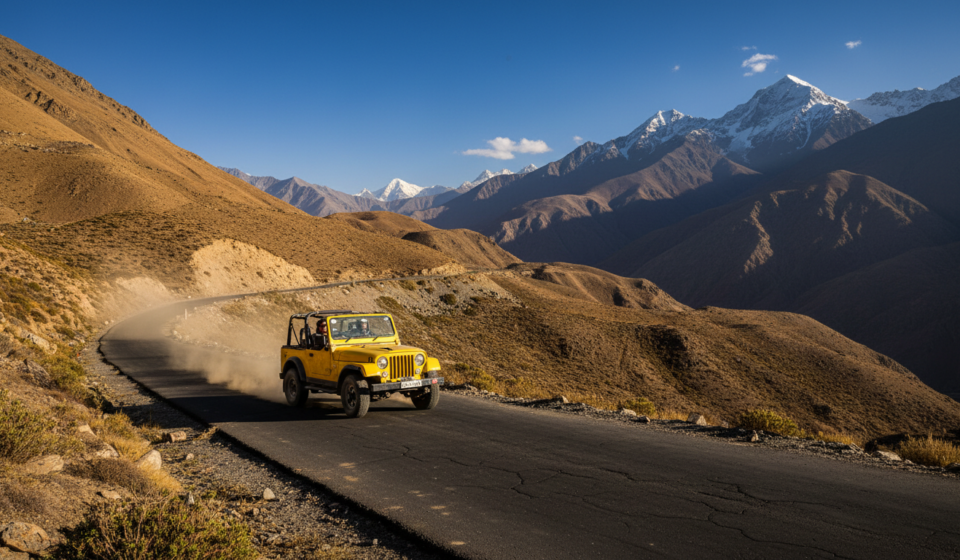

Finding the best time to visit indian states depends heavily on domestic realities—school summer vacations, festive long weekends, and seasonal permit windows—rather than generic tourist advice. While international guidebooks often recommend avoiding the monsoon entirely or sticking strictly to winter months, Indian domestic travellers operate on a different schedule. Every month opens up distinct regions across the country, from snow-laden Himalayan passes and roaring monsoon waterfalls in the Western Ghats to cultural temple festivals and dry desert circuits. This month-by-month guide breaks down where to go, what weather to expect, and how to navigate local entry permits for a seamless trip.
Understanding Domestic Seasonality: Beyond the Inbound Tourist Calendar
Domestic travel planning in India revolves around three primary operational seasons:
- Peak Season (October to January & May to June): Driven by major national festivals (Dussehra, Durga Puja, Diwali) and school summer vacations. Expect higher hotel tariffs (often 50% to 100% surge in hotspots like Udaipur, Goa, Shimla, and Manali) and competitive flight prices.
- Shoulder Season (February to March & September to October): The optimal window for smart planners. You get clear weather across roughly 80% of the country, 20% to 30% hotel discounts, and moderate airfares.
- Monsoon Low Season (July to August): Deep discounts (30% to 50% off) apply across beach and desert destinations like Goa, Rajasthan, and Kerala’s backwaters. Conversely, this is peak season for Western Ghats homestays and Trans-Himalayan circuits like Ladakh and Spiti.
If you rely on train travel, synchronize your plans with Indian Railways’ Advance Reservation Period (ARP) window, especially when booking special festival trains during Diwali, Chhath Puja, or Durga Puja. Additionally, structure your extended trips around major long-weekend clusters such as Republic Day (late January), Holi (March), Independence Day (mid-August), and Dussehra/Diwali (October–November).
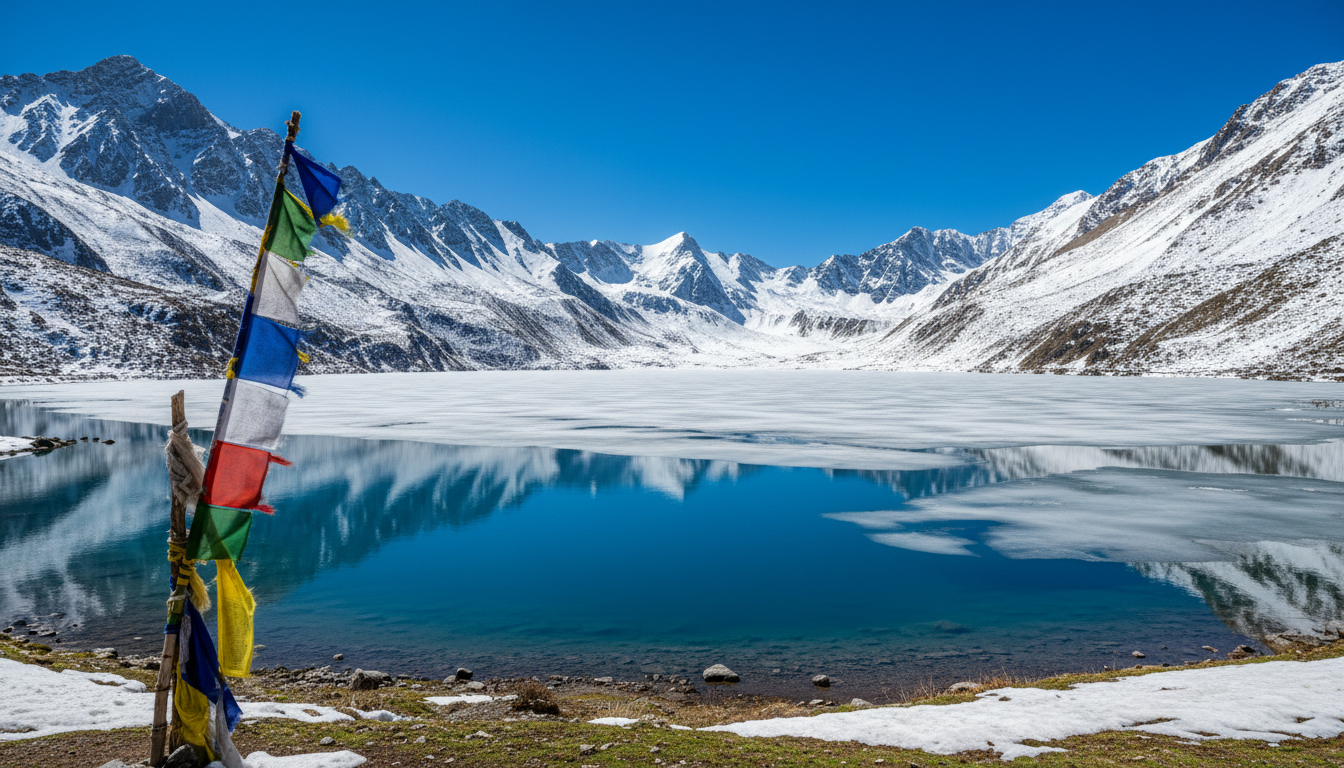
Month-by-Month Guide: Best Time to Visit Indian States
This reference matrix maps out the primary climate conditions, recommended states, and signature experiences for every month of the year.
| Month | Best States to Visit | Climate & Weather Summary | Key Experiences & Festivals |
|---|---|---|---|
| January | Rajasthan, Gujarat, Kerala, Tamil Nadu, Uttarakhand (Auli) | Pleasant, cool, and dry in plains (8°C–22°C); heavy snow in high northern altitudes. | Rann Utsav (Gujarat), Jaipur Literature Festival, skiing in Auli, backwater houseboats in Kerala. |
| February | Goa, Maharashtra, Jammu & Kashmir (Gulmarg), Karnataka, Madhya Pradesh | Crisp winter ending; warm sunny days and cool nights. Peak snowpack in Gulmarg. | Goa Carnival, Khajuraho Dance Festival (MP), Gulmarg snowboarding, Taj Mahotsav (Agra). |
| March | Uttar Pradesh, West Bengal, Odisha, Sikkim, Himachal Pradesh | Spring onset; warming plains and pleasant, clear mountain valleys. | Cultural Holi (Mathura, Vrindavan, Pushkar), Tiger safaris in Bandhavgarh/Kanha, Rhododendron blooms in Sikkim. |
| April | Uttarakhand, Sikkim, Meghalaya, Jammu & Kashmir, Tamil Nadu | Pre-summer heat building in plains; ideal conditions in mountain belts. | Char Dham Yatra opening (Uttarakhand), Srinagar Tulip Festival, white-water rafting in Rishikesh. |
| May | Himachal Pradesh, Ladakh, Uttarakhand, West Bengal (Darjeeling) | Peak summer in plains (>40°C); Himalayas clear, dry, and pleasant. | Shimla/Manali summer retreats, opening of Leh-Ladakh road passes, Darjeeling & Gangtok tea garden tours. |
| June | Ladakh, Himachal Pradesh (Spiti Valley), Jammu & Kashmir, Uttarakhand | Monsoon hits South/West India; Trans-Himalayan rain-shadow remains dry. | Leh-Manali & Srinagar-Leh highway trips, Spiti Valley full circuit opening, high-altitude alpine treks. |
| July | Meghalaya, Kerala, Maharashtra, Karnataka, Ladakh (Rain shadow) | Southwest monsoon peaks; heavy rainfall, roaring waterfalls, lush Western Ghats. | Cherrapunji/Sohra waterfalls, traditional Monsoon Ayurveda treatments in Kerala, Lonavala & Coorg road trips. |
| August | Maharashtra, Kerala, Rajasthan (Mount Abu/Udaipur), Uttarakhand | Monsoon active; lakes filled, misty hills, vibrant green landscapes. | Ganesh Chaturthi (Maharashtra), Snake Boat Races & Onam prep (Kerala), Valley of Flowers trek (Uttarakhand). |
| September | Karnataka, Odisha, Kerala, Spiti Valley, Rajasthan | Retreating monsoon; washed greenery, clear skies, pleasant transitional weather. | Mysore Dasara preparations, Onam celebrations, Chilika Lake birding (Odisha), shoulder-season values. |
| October | West Bengal, Gujarat, Madhya Pradesh, Himachal Pradesh, Ladakh | Autumn transition; clear blue skies, crisp nights; tiger reserves reopen. | Durga Puja pandal hopping (Kolkata), Navratri Garba (Gujarat), reopening of core national park tiger safaris. |
| November | Punjab, Rajasthan, Delhi/NCR, Tamil Nadu, Andaman & Nicobar | Crisp winter onset across North; warm sunny beach weather in the South and islands. | Pushkar Camel Fair, Dev Deepawali on Varanasi Ghats, Gurpurab at Golden Temple (Amritsar). |
| December | Goa, Puducherry, Rajasthan (Jaisalmer), Kerala, Nagaland | Peak winter; cold northern plains, sunny coastal weather, high snow in mountains. | Hornbill Festival (Nagaland, Dec 1–10), Christmas & New Year beach festivals, full moon nights at Rann of Kutch. |
Detailed Seasonal Highlights
Winter Circuit (November to February)
This is the prime period for exploring Rajasthan, Gujarat, and central India. Ambient day temperatures range between 15°C and 25°C, making heritage walking tours across Jaipur, Jodhpur, and Udaipur comfortable. In Gujarat, the white salt desert of the Rann of Kutch hosts the Rann Utsav, where cultural performances and tent cities operate under cool winter skies. Down south, Tamil Nadu’s coastal temple towns (Mahabalipuram, Rameshwaram) and Kerala’s backwaters offer mild, low-humidity conditions. If you want snow sports, Gulmarg in Kashmir and Auli in Uttarakhand reach peak snow coverage between January and February.
Spring & Early Summer Circuit (March to May)
As spring transitions into summer, higher elevation zones become the primary focus. Sikkim and North Bengal come alive with blooming rhododendrons in March and April. By April, Srinagar’s Indira Gandhi Memorial Tulip Garden opens for its annual festival, and Uttarakhand’s high-altitude Char Dham shrines (Badrinath, Kedarnath, Gangotri, Yamunotri) open their gates to pilgrims. May brings intense heat to the northern plains (frequently exceeding 40°C), making hill stations like Shimla, Manali, Dalhousie, and Darjeeling natural escapes for family vacations.
Monsoon Circuit (June to August)
Monsoon travel in India has evolved into a major segment. The Western Ghats belt—spanning Maharashtra (Lonavala, Mahabaleshwar), Karnataka (Coorg, Chikmagalur), and Kerala—turns bright green with active waterfalls and swollen streams. Kerala promotes traditional Ayurvedic rejuvenation treatments during the monsoon month of Karkidakam (July–August). Meghalaya experiences heavy rainfall, transforming Cherrapunji and Sohra into dramatic waterfall landscapes.
For travellers who prefer to avoid rain entirely during these months, the Trans-Himalayan rain-shadow zones of Ladakh and the Spiti Valley in Himachal Pradesh receive almost no rainfall due to the high mountain barrier. If you are looking for rain-free destinations during peak monsoon, consider reviewing options for places to visit in India in August without rain to plan high-altitude road trips safely.
Autumn & Festival Circuit (September to October)
September offers washed, green landscapes with clearing skies as the monsoon retreats. By October, major festival celebrations begin across the country. Kolkata hosts Durga Puja, transforming into an open-air art gallery with elaborate street pandals. Gujarat celebrates nine nights of Navratri with citywide Garba events. October also marks the official reopening of core safari zones across major tiger reserves in Madhya Pradesh (Kanha, Bandhavgarh, Pench), Rajasthan (Ranthambore), and Assam (Kaziranga) following their seasonal monsoon closures.
If you are planning an autumn trip to southern destinations as temperatures begin to cool down, exploring offbeat trails can help you avoid major holiday crowds. Reviewing 12 hidden places to visit in South India offers solid alternatives to heavily commercialized hill stations.
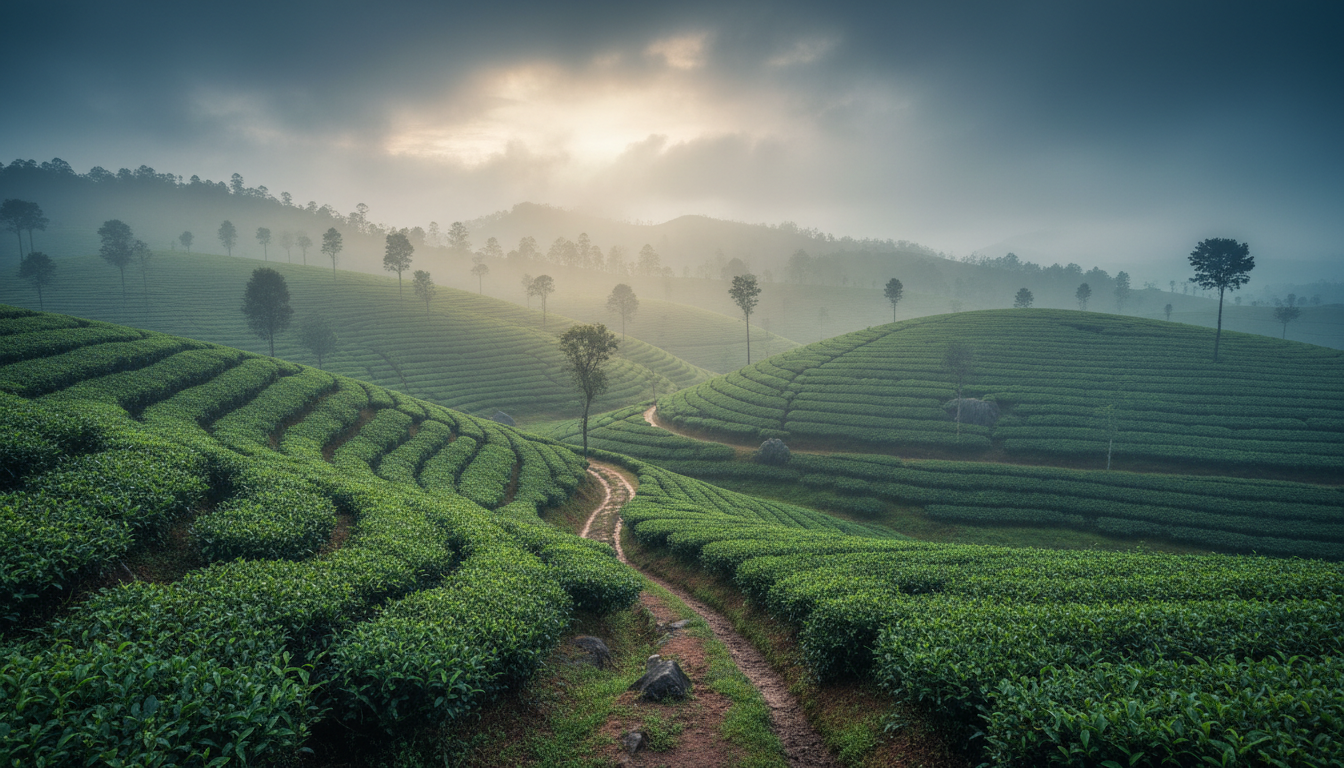
Domestic Permits & Entry Rules: Best Time to Visit Indian Border States
Planning a trip to certain border states and ecologically sensitive Union Territories requires obtaining mandatory government permits prior to arrival. Failing to process these documents in advance can disrupt your travel itinerary.
| State / UT | Permit Type Required | Application Method | Documents & Processing Details |
|---|---|---|---|
| Arunachal Pradesh | Inner Line Permit (ILP) | Online (arunachalilp.in) or state counters | Aadhaar Card / Voter ID + Passport photo. Processing takes 1–3 working days. Cost: ₹100–₹200. |
| Nagaland | Inner Line Permit (ILP) | Online (ilp.nagaland.gov.in) or DC offices in Dimapur/Kohima | Government Photo ID + Photo. Processing takes 1–2 working days. Cost: ~₹200. Mandatory for events like Hornbill Fest. |
| Mizoram | Inner Line Permit (ILP) | Online or on arrival at Lengpui Airport (Aizawl) | Government Photo ID + Photo. Available via on-arrival counter at Lengpui Airport or 24–48 hours online. |
| Manipur | Inner Line Permit (ILP) | Online (manipurilp.mn.gov.in) or entry check-posts | Aadhaar / Voter ID + Photo. Typically issued within 24 hours. |
| Sikkim | Protected Area Permit (PAP) / Restricted Area Permit (RAP) | Registered Sikkim travel agents / Tourism Dept | Required for Nathu La, Tsomgo Lake, Gurudongmar Lake, Yumthang Valley. Voter ID or Passport required (Aadhaar is frequently rejected at military checkposts). |
| Ladakh (UT) | Environmental & Wildlife Protection Fee | Online (lahdclehpermit.in) or Leh TIC counter | Self-declaration portal yielding an instant downloadable receipt. Mandatory for Pangong Tso, Nubra Valley, Turtuk, and Hanle. |
| Lakshadweep (UT) | Tourist Entry Permit (ePermit) | Online portal (epermit.utl.gov.in) | Requires confirmed resort/stay bookings + Photo ID. Apply at least 14 days in advance. Under revised regulations, domestic citizens no longer require a local island sponsor or an upfront Police Clearance Certificate (PCC). |
Five Common Planning Mistakes Indian Travellers Make
- Visiting Northern Plains or Rajasthan in May and June: Heritage sightseeing in cities like Jaipur, Jaisalmer, Agra, or Varanasi becomes exhausting when day temperatures consistently cross 42°C to 45°C. Save these destinations for the October–March window.
- Attempting Tiger Safaris During Monsoon Closures: Core zones of major National Parks (including Kanha, Bandhavgarh, Ranthambore, and Kaziranga) close annually from July 1 to September 30 or October 15 for animal breeding season and forest road repair. Buffer zones remain open year-round, but core wildlife sightings are restricted.
- Assuming Monsoon Means “No Travel”: Many travellers stay home during July and August, missing out on monsoon scenery in the Western Ghats and Meghalaya. Furthermore, destinations like Ladakh, Lahaul, and Spiti sit north of the main Himalayan ridge in rain-shadow areas, receiving minimal rainfall.
- Delaying Border Permits Until Arrival: Arriving in gateway transit points like Bagdogra, Siliguri, or Guwahati without filing online ILP or PAP documentation can cost you 1 to 2 days waiting at local administration counters.
- Misjudging City Dynamics During Festival Lockdowns: Booking standard city tours in Kolkata during Durga Puja (Saptami to Dashami) often leads to frustration. Main roads are blocked for vehicle traffic to accommodate millions of pedestrian pandal-hoppers, rendering regular vehicular transit impractical.
Strategic Tips for Value and Timing
If you want to maximize your budget while avoiding extreme crowds, aim for the mid-shoulder months of September and February to early March (excluding the exact days around Holi). During these windows, resort property prices drop significantly compared to peak winter or summer vacation rates, air travel fares stabilize, and weather conditions across both coastal and inland states remain comfortable.
When booking long-weekend trips, secure accommodation and key rail or air segments 45 to 60 days in advance. Combining local permit processing with your early flight bookings ensures you avoid last-minute administrative stalls, giving you a smooth travel experience anywhere in India year-round.
Frequently Asked Questions
Which Indian state is best to visit in July during peak monsoon?
Meghalaya is ideal for witnessing swollen waterfalls like Nohkalikai and Wei Sawdong. Kerala is popular for traditional Monsoon Ayurveda wellness retreats, while Maharashtra (Lonavala, Mahabaleshwar) and Karnataka (Coorg, Chikmagalur) offer green mountain landscapes. If you prefer to avoid rain entirely, high-altitude rain-shadow destinations like Ladakh and Spiti Valley remain dry and accessible.
Do Indian citizens need a passport or visa to visit North Eastern states?
Indian citizens do not need a passport or visa. However, an Inner Line Permit (ILP) is legally required to enter four North Eastern states: Arunachal Pradesh, Nagaland, Mizoram, and Manipur. Sikkim requires a Protected Area Permit (PAP) for restricted border zones such as Nathu La, Tsomgo Lake, Yumthang Valley, and Gurudongmar Lake.
When do Tiger Safaris reopen in India after the monsoon?
The core safari zones of major national parks across central and northern India—including Kanha, Bandhavgarh, Pench (Madhya Pradesh), Ranthambore (Rajasthan), and Kaziranga (Assam)—reopen to the public on October 1 or October 15 each year after closing on July 1 for the monsoon breeding season.
Is Lakshadweep open for Indian tourists, and how do I get a permit?
Yes, Lakshadweep is open to domestic tourists. Indian citizens must obtain a Tourist Entry Permit via the online ePermit portal (epermit.utl.gov.in) at least 14 days before departure. Under updated regulations, domestic travellers no longer need a local sponsor from the island or an upfront Police Clearance Certificate (PCC), provided they hold confirmed resort and transport reservations.
Which month offers the best value for flights and hotels across India?
September and February through early March (outside of peak holiday weekends) consistently offer the best value. During these shoulder periods, weather conditions are pleasant across most states, tourist footfalls drop, and hotels offer discounts of 20% to 40% below peak winter or summer rates.