
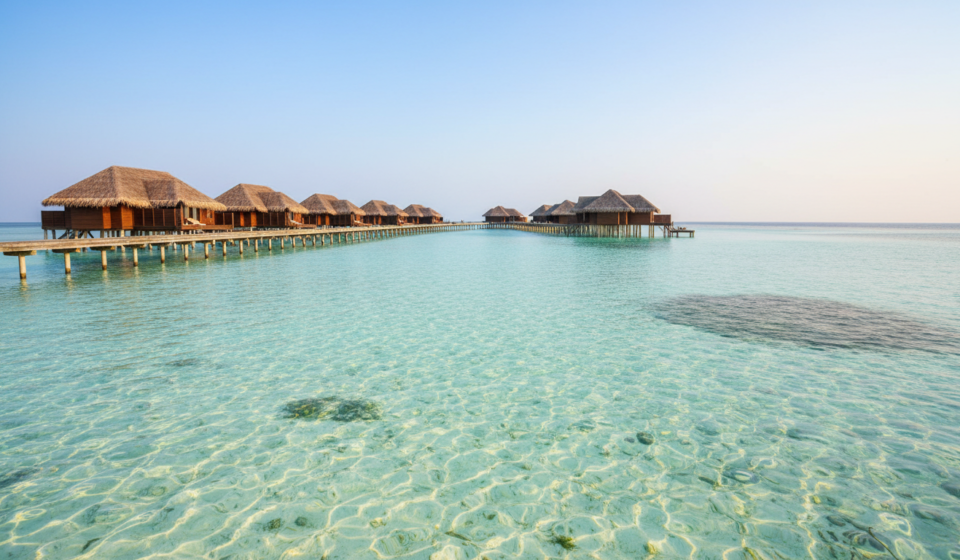

The absolute best time to visit India and Maldives on a single combined trip is between November and March. During these dry winter months, North and South India enjoy pleasant, comfortable weather ranging from 15°C to 28°C, while the Maldives experiences clear skies, calm turquoise waters, and underwater visibility exceeding 30 metres. However, if you are looking for heavily discounted luxury resorts or want to swim with marine megafauna like Manta Rays, shoulder and monsoon months present unique advantages that are worth considering.
Master Travel Windows: Best Time to Visit India and Maldives
Aligning two distinct destinations with different micro-climates requires looking at how India’s regional weather intersects with the Maldives’ monsoonal cycle. While the Maldives maintains stable tropical air temperatures between 25°C and 31°C year-round, rainfall and wind patterns vary significantly throughout the year.
| Travel Window | India Climate Conditions | Maldives Climate Conditions | Combined Trip Verdict |
|---|---|---|---|
| Nov to Mar (Peak Dry) | Cool, dry, and sunny (15°C–28°C) across Rajasthan, North India, and Kerala. | Dry Season (Iruvai Monsoon). Low humidity, flat seas, visibility >30m. | Ideal Alignment: Best overall weather for sight-seeing and overwater villa stays. |
| Apr & Oct (Shoulder) | April is hot in mainland India (35°C–40°C); October is pleasant post-monsoon. | Crossover months: Passing brief showers, warm sea temperatures, lower resort rates. | Best Value: Significant savings on luxury resorts with mostly dry days. |
| May to Sept (Green / Wet) | Southwest monsoon across mainland India (except dry high-altitude Ladakh/Spiti). | SW Monsoon (Hulhangu). Short rain bursts, wind, 30%–50% resort discounts. | Budget & Marine Window: Best for spotting Manta Rays and Whale Sharks. |
Regional Climate Breakdown: India and Maldives
Maldives: The Two Monsoons
The Maldives operates on an equatorial tropical maritime climate. Ocean temperatures remain a constant 28°C throughout the year, but weather conditions are dictated by two main seasons:
- Iruvai Monsoon (Northeast Dry Season: November to April): Characterized by blue skies, minimal rainfall, and calm lagoons. February is statistically the driest month of the year. March and April are the warmest months, with daytime temperatures reaching 31°C to 32°C.
- Hulhangu Monsoon (Southwest Wet Season: May to October): Brings stronger ocean winds, higher wave swells, and increased humidity around 80%. Rain arrives in brief, intense tropical downpours lasting 15 to 30 minutes rather than continuous day-long storms. June, July, and October receive the highest average rainfall.
- Marine Life Special Note: The Southwest Monsoon drives high plankton concentrations into lagoons. May through November (peaking June to September) is the premier window to visit Hanifaru Bay in Baa Atoll—a UNESCO Biosphere Reserve—where hundreds of Manta Rays and Whale Sharks gather to feed.
India: Regional Climate Realities
India’s sheer geography means weather varies dramatically depending on where your itinerary takes you:
- North India & The Golden Triangle (Delhi, Agra, Jaipur): The ideal sightseeing window spans from October to March. Temperatures stay between 15°C and 25°C. However, December and January mornings can experience dense fog that delays domestic flights and trains. Avoid April to June when temperatures routinely exceed 40°C.
- South India (Kerala, Goa, Karnataka): October through March offers dry, sunny days perfect for exploring backwaters and beaches. Kerala and Goa experience heavy rainfall during the Southwest monsoon from June to September. (Note: Tamil Nadu on the eastern coast gets its main rainfall during the Northeast monsoon between October and December). For more details on exploring this southern belt, explore our guide to the best places to visit in South India.
- Himalayan Regions (Ladakh, Spiti, Himachal): High-altitude Ladakh and Spiti sit in a rain-shadow zone, making June to September their peak summer window—right when the rest of India drenches in monsoon rain.
Month-by-Month Guide to the Best Time to Visit India and Maldives
November to January: Peak Dry Season & Holiday Micro-Peaks
This is the ultimate travel window for combining a cultural tour of India’s Golden Triangle or Kerala with a luxury beach stay in the Maldives. Skies are clear across both regions. However, the fortnight between December 20 and January 5 marks the absolute peak pricing season worldwide. Maldives resorts enforce mandatory Christmas and New Year Gala Dinner fees (often adding $200–$600 per adult), and domestic flights within India see heavy demand. If you are exploring Indian destinations during this period, refer to our list of places to visit in India in winter for optimal regional picks.
February & March: The Sweet Spot
February is arguably the single best month for this dual-destination trip. In India, northern morning fog has dissipated while daytime temperatures remain mild. In the Maldives, February brings the lowest rainfall of the year and flat ocean waters ideal for diving and snorkelling. March introduces warmer weather in India alongside the vibrant celebrations of Holi, while Maldives waters remain pristine before the seasonal crossover.
April: The Shoulder Crossover
April represents a transition month. Northern and Central India become hot, with daily temperatures climbing to 35°C–30°C. In the Maldives, April sits at the tail end of the dry season, featuring warm ocean waters, high sunshine hours, and occasional late-afternoon showers. Luxury resorts begin lowering their room rates by 20% to 30%, making it a strong choice for travellers looking for high-end accommodation at reduced costs.
May to August: Summer Vacations & Green Season Savings
This period aligns with Indian school summer holidays (May and June). While mainland India faces high heat followed by the arrival of the Southwest monsoon, the Maldives enters its green season. While you should expect occasional strong winds and short rain showers, 5-star overwater villas drop their prices by 30% to 50%. It is also the best time of year for marine life lovers targeting Manta Ray aggregations.
September & October: Pre-Festive Value Window
September is statistically one of the lowest-priced months for resort stays in the Maldives. Rain starts to taper off by mid-to-late October. In India, the monsoon recedes, making way for major festive celebrations including Navratri, Dussehra, and Diwali. Travelling during the week immediately prior to Diwali yields lower airfares and accommodation rates before holiday surge pricing takes effect.
Flights, Visas, and Entry Logistics for Indian Travellers
Maldives Visa Rules for Indian Citizens
Indian passport holders receive a free 30-day Tourist Visa on Arrival at Velana International Airport (MLE) in Male. There is no pre-applied visa fee required.
To clear immigration seamlessly, you must have the following ready:
- Valid Indian Passport: Official rules require a minimum validity of 1 month, though most airlines require at least 6 months validity from your departure date.
- IMUGA Declaration Form: All travellers must fill out the digital IMUGA Traveller Declaration online within 96 hours prior to your flight arrival time in Male. This generates a mandatory QR code that you must present at airline check-in and Male immigration.
- Hotel Reservation: A confirmed hotel or resort booking voucher covering your full stay.
- Return Ticket: A confirmed return air ticket back to India or an onward international ticket.
- Sufficient Funds: Proof of financial standing (~USD 100–150 per person/day, typically covered by a prepaid resort voucher).
Direct Flight Corridors from Indian Hubs
Several major Indian cities offer direct flights to Velana International Airport (MLE) in Male, operated primarily by IndiGo and Air India. Flight schedules adjust seasonally, but average direct travel times are as follows:
- Kochi (COK to MLE): ~1 hour 35 minutes to 1 hour 50 minutes (Shortest direct route).
- Thiruvananthapuram (TRV to MLE): ~1 hour 15 minutes to 1 hour 30 minutes.
- Bengaluru (BLR to MLE): ~2 hours 15 minutes.
- Mumbai (BOM to MLE): ~2 hours 50 minutes.
- Delhi (DEL to MLE): ~4 hours to 4 hours 20 minutes.
Island Transfers & Accommodation Choices in the Maldives
Understanding Transfer Modes from Male Airport
Once you land at Velana International Airport, reaching your island resort requires one of three transfer options arranged directly through your property:
| Transfer Type | Coverage & Location | Key Constraints & Details | Average Cost (Round-Trip) |
|---|---|---|---|
| Speedboat | Resorts in North & South Male Atolls. | Operates 24/7 (weather permitting). 15 to 45 minutes travel time. | USD $100 – $300 per person |
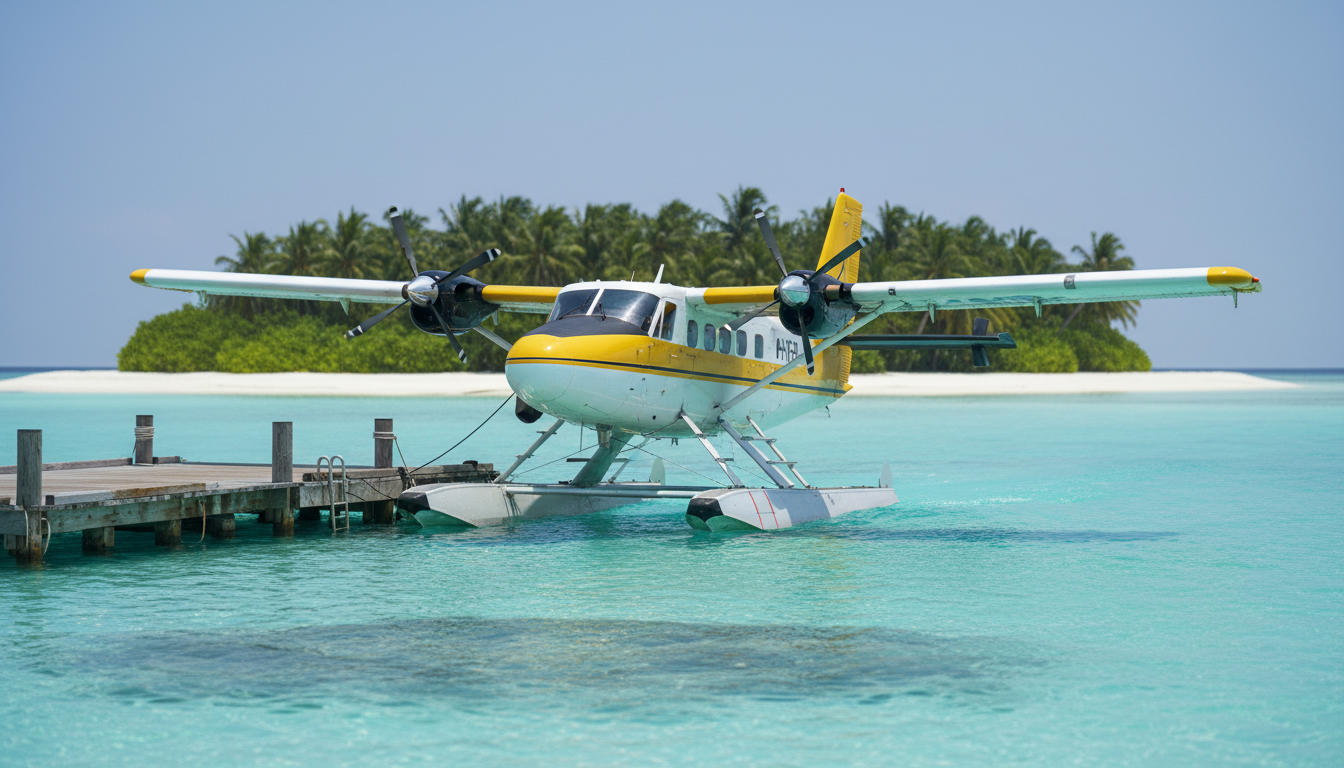
| Seaplane | Resorts in outer atolls (Baa, Ari, Dhaalu, Noonu). | Daylight Hours Only: Operates 6:00 AM to 3:30 PM. Strict baggage limits. | USD $350 – $650 per person |
| Domestic Flight + Speedboat | Far Northern or Southern Atolls. | Operates day and night. Connects Male to regional island airstrips. | USD $250 – $450 per person |
Crucial Seaplane Timing Rule: Seaplanes do not fly after dark. If your international flight arrives in Male after 3:30 PM, you cannot take a seaplane on the same day. You will be forced to spend an unscheduled night at a hotel in Male or Hulhumale before transferring the next morning. Always book flights from India that arrive in Male between 8:00 AM and 12:00 PM.
Seaplane Baggage Rules: Standard seaplane luggage allowances are strictly enforced at 20 kg checked baggage + 5 kg hand luggage per passenger. Excess weight incurs fees of roughly USD $5+ per kilogram plus applicable taxes, and heavy bags may be transported on a later flight due to aircraft weight restrictions.
Resort Islands vs. Inhabited Local Islands
Travellers can choose between two distinct styles of stay in the Maldives:
- Private Resort Islands: One island, one resort. Offers overwater villas, private beaches, alcohol service, and unrestricted swimwear. Ideal for honeymoons and high-budget holidays.
- Inhabited Local Islands (Maafushi, Rasdhoo, Thulusdhoo, Dhigurah): Local communities offering licensed guesthouses starting from ₹4,000 to ₹8,000 per night including breakfast.
Local Island Rules: Strict local laws apply. Alcohol is prohibited on inhabited islands (available only on floating bar boats anchored offshore). Bikinis and revealing swimwear are restricted to designated, enclosed “Bikini Beaches.”
Trip Cost Benchmarks by Season (For 2 Adults)
Expenses vary significantly between the peak dry winter and the summer green season. The figures below outline realistic trip estimates for two adults, including domestic flights, international connections, resort transfers, and taxes.
| Expense Category | Dry Peak Season (Dec – Mar) | Shoulder Season (Apr / Oct) | Green / Monsoon Season (May – Sep) |
|---|---|---|---|
| 4-Star Beach Resort (per night) | ₹30,000 – ₹50,000 | ₹20,000 – ₹35,000 | ₹12,000 – ₹22,000 |
| 5-Star Overwater Villa (per night) | ₹55,000 – ₹1,10,000+ | ₹35,000 – ₹65,000 | ₹25,000 – ₹45,000 |
| Total 4N Package for Two (Flights + Transfers + Resort) | ₹2.5 Lakhs – ₹4.5 Lakhs | ₹1.8 Lakhs – ₹2.8 Lakhs | ₹1.2 Lakhs – ₹2.2 Lakhs |
Dual-Destination Itineraries
Itinerary 1: The Golden Triangle + Maldives Luxury Escape (11 Days / 10 Nights)
Best Travel Months: November to March
- Days 1–3 (Delhi): Arrive in Delhi. Visit Red Fort, Qutub Minar, Humayun’s Tomb, and explore Chandni Chowk.
- Days 4–5 (Agra): Travel to Agra. Experience sunrise at the Taj Mahal and tour Agra Fort. Drive to Jaipur via Fatehpur Sikri.
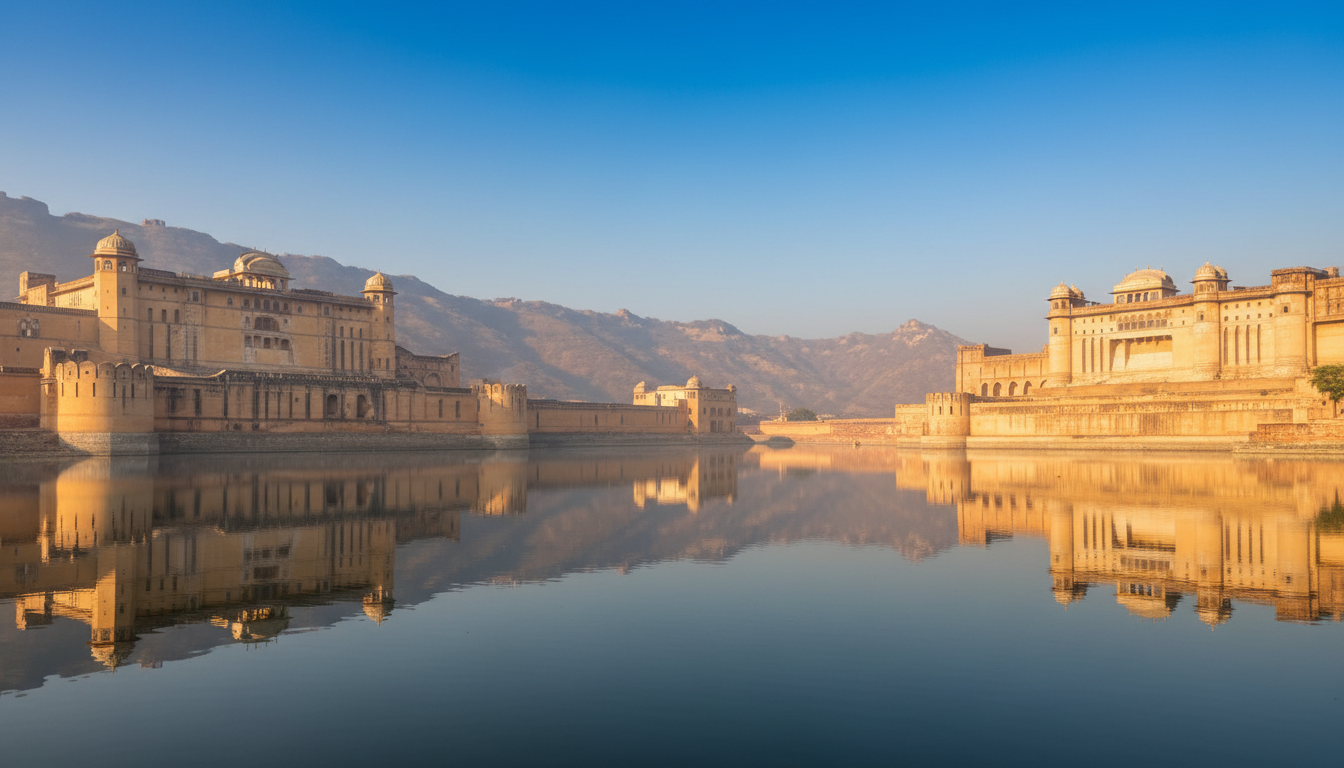
- Days 6–7 (Jaipur): Tour Amber Fort, City Palace, Hawa Mahal, and Jal Mahal.
- Day 8 (Delhi/Jaipur to Male): Direct or connecting flight to Male. Speedboat/seaplane transfer to your resort.
- Days 8–11 (Maldives Resort): 3 nights in an overwater villa. Enjoy snorkelling, sunset cruises, and spa treatments before returning to India.
Itinerary 2: South India Culture & Island Retreat (Kerala + Maldives) (9 Days / 8 Nights)
Best Travel Months: November to March
- Days 1–2 (Kochi): Explore Fort Kochi, the Chinese Fishing Nets, and attend an evening Kathakali performance.
- Days 3–4 (Alleppey / Kumarakom): Board an overnight luxury houseboat cruise through the Kerala backwaters.
- Day 5 (Kochi to Male): Take the short 1.5-hour direct flight from Kochi (COK) directly to Male (MLE).
- Days 5–9 (Maldives Resort): 4 nights at a beach or water villa resort with water sports and lagoon excursions.
Itinerary 3: Green Season Marine Wildlife Explorer (7 Days / 6 Nights)
Best Travel Months: June to September
- Day 1 (India to Male): Morning flight from Mumbai or Bengaluru to Male. Transfer to Baa Atoll resort or Dhigurah local island.
- Days 2–6 (Marine Excursions): Snorkel with Manta Rays and Whale Sharks in Hanifaru Bay. Take advantage of 40% to 50% discounted off-peak resort pricing.
- Day 7 (Male to India): Speedboat transfer to Male and return flight to India.
If you are considering other multi-country options in South Asia, read our complete guide on the best time to visit India and Sri Lanka to compare seasonal alignments.
Common Planning Pitfalls to Avoid
- Booking Late Afternoon Arrival Flights to Male: Arriving after 3:30 PM prevents same-day seaplane transfers to outer atolls, requiring an unnecessary hotel night near the airport. Book morning flights out of India instead.
- Overpacking Beyond Seaplane Limits: Seaplanes strictly cap checked luggage at 20 kg per person. Overpacking leads to high excess baggage fees or delayed luggage.
- Expecting Constant Rain in the Monsoon: Maldives monsoon showers typically last 15 to 30 minutes before the sun reappears. Do not let green season weather warnings deter you from booking high-value luxury deals.
- Missing the 96-Hour IMUGA Window: Waiting until you reach the airport terminal to complete the IMUGA form can cause delays during check-in. Set a reminder to fill it out 2 to 3 days before departure.
- Travelling During Festive Peaks Without Prior Booking: Flying on the exact dates of Diwali, Christmas, or New Year brings peak airfares and compulsory gala dinner charges. Shift your dates by 5 to 7 days on either side to save significantly.
Frequently Asked Questions
Can Indian citizens get a Visa on Arrival in the Maldives?
Yes. Indian passport holders receive a free 30-day tourist visa on arrival at Male Airport. You need a passport valid for your travel period, confirmed resort vouchers, return flight tickets, and a completed online IMUGA declaration form.
When is the absolute best month to visit both India and the Maldives together?
February is the sweet spot. Northern Indian morning fog clears, Rajasthan and South India experience pleasant warm weather, and the Maldives enters its driest month of the year with flat seas and high underwater visibility.
Is it worth visiting the Maldives during the monsoon season (May to September)?
Yes, especially for budget-conscious travellers and marine wildlife enthusiasts. 5-star resorts reduce their rates by 30% to 50%, rain showers usually pass quickly, and it is the peak season for spotting Manta Rays and Whale Sharks in Baa Atoll.
What is the shortest direct flight to the Maldives from India?
Direct flights from Kochi (COK) or Thiruvananthapuram (TRV) take between 1 hour 15 minutes and 1 hour 50 minutes to reach Male.
How much does a combined India and Maldives trip cost for a couple?
A peak-season 10-day trip covering 4-star hotels in India and a 4-star resort in the Maldives ranges from ₹2.5 Lakhs to ₹4.5 Lakhs for two adults (including flights and transfers). During the shoulder or green season, a similar itinerary costs between ₹1.2 Lakhs and ₹2.2 Lakhs.