
The Ultimate Bateshwar Temples Agra Travel Guide: Discover the Submerged Ruins and Ancient Shiva Shrine of Uttar Pradesh

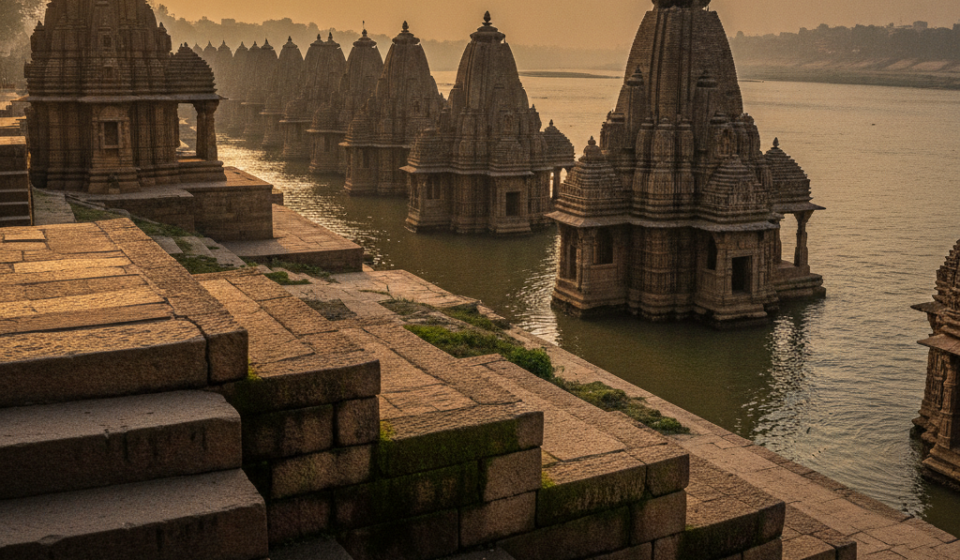
Bateshwar is often overshadowed by the major monuments of Agra. This site, located roughly 70 kilometres from the city centre, offers a distinct experience for those seeking historical depth away from typical tourist crowds. This Bateshwar Temples Agra travel guide provides the necessary context for visiting this remarkable complex of 101 Shiva shrines nestled along the Yamuna River.
- Unmatched Scale: Home to 101 ancient Shiva temples beautifully arranged along a crescent-shaped bend of the Yamuna River.
- Dual Heritage: Holds immense spiritual and historical significance for both Hindu and Jain communities (historically known as Shouripur).
- Royal Architecture: Showcases regional Nagara-style architecture commissioned by the Bhadawar kings between the 16th and 18th centuries.
- A Perfect Day Trip: Located roughly 70 kilometers from Agra, making it an exceptional offbeat escape from tourist crowds.
- Seasonal Splendor: Best experienced during the cooler winter months or during the grand annual Bateshwar Fair in November.
Historical Significance of Bateshwar
The site functions as a significant religious centre with roots tracing back centuries. Known historically as Shouripur, it holds spiritual importance for both Hindu and Jain communities. The existing structures, primarily dedicated to Lord Shiva, represent a shift in architectural patronage during the medieval period in Uttar Pradesh.
The temple complex features unique historical characteristics:
- Royal Patronage: Most current structures were commissioned by the Bhadawar kings.
- Architectural Era: The designs showcase regional styles popular between the 16th and 18th centuries.
- Riverfront Alignment: A magnificent curved line of shrines follows the natural bend of the Yamuna River.
- Spiritual Symbolism: The placement deliberately integrates the ritual of holy bathing with the worship of Lord Shiva.
| Quick Facts | Details |
|---|---|
| Primary Deity | Lord Shiva (Shouripur holds Jain significance too) |
| Number of Shrines | 101 temples along the ghats |
| Architectural Style | Nagara style with regional Bhadawar influences |
| Key River | Yamuna River |
| Entry Fee | Free (Donations appreciated) |

Architecture and Layout
The structural layout of the Bateshwar complex is defined by its proximity to the water. The temples are arranged in a series, creating a visual rhythm against the landscape. While some shrines remain well preserved, others show the wear of centuries of seasonal flooding from the Yamuna.
- Temple style: The structures largely follow the Nagara architectural tradition.
- Materials: Sandstone remains the primary material used throughout the construction.
- Decorative elements: Carvings are present but often understated compared to grander temple cities.
- Environmental impact: Periodic flooding has contributed to the semi-submerged state of several structures.
Visitors will observe that the density of the temples is the most striking feature. Walking along the ghats provides a view of how the architects integrated human design with the natural flow of the river. It is essentially an open-air museum of regional masonry techniques.
Best Time to Visit
Planning a trip to this region requires attention to the local climate. Summers are intense, making outdoor exploration difficult for most travellers. The cooler months provide a much more comfortable environment for walking between the different shrines.
| Season | Months | Travel Recommendation |
|---|---|---|
| Winter | November – February | Best time for comfortable sightseeing. |
| Monsoon | July – September | Access may be restricted due to rising river levels. |
| Summer | March – June | Not recommended due to high heat. |
The annual Bateshwar Fair, typically held in November, is a major cultural event. It attracts pilgrims and traders from across the state. While it offers a unique cultural glimpse, the site becomes significantly more crowded during these dates.
How to Reach Bateshwar from Agra
The journey from Agra to Bateshwar is best undertaken by private vehicle. Public transport options exist but are not always reliable for tourists who prefer efficiency. The route takes approximately 2 to 3 hours depending on traffic conditions leaving the city.
| Transport Mode | Approx. Travel Time | Estimated Cost (INR) | Pros & Cons |
|---|---|---|---|
| Private Taxi / Cab | 2 – 2.5 hours | ₹2,500 – ₹3,500 (round trip) | Most comfortable, flexible schedule, hassle-free return. |
| Self-Drive Car | 2 – 3 hours | Fuel cost + rental fee | Good flexibility, but navigating rural roads can be challenging. |
| Local Bus | 3.5 – 4 hours | ₹100 – ₹150 (one way) | Budget-friendly, but highly irregular schedules and multiple transfers needed. |
- Depart from Agra city centre via the internal arterial roads.
- Connect to the highway network heading towards the Bateshwar-Bah road.
- Follow local signage as you approach the rural areas near the river.
- Arrange for a return vehicle, as taxis are rarely available for hire at the site itself.
Travel Tips for Your Visit
Preparation is key when visiting remote heritage sites. Ensure you plan ahead with these recommendations:
- Carry Essentials: Bring plenty of bottled water and snacks, as local commercial infrastructure is highly limited.
- Hire a Guide: Engaging a local guide can help uncover architectural and historical details not obvious to casual visitors.
- Cash is King: Carry sufficient physical cash, as digital payment options and ATMs are scarce in rural pockets.
The preservation of the Bateshwar shrines is an ongoing challenge. Respectful conduct is required at all times to maintain the sanctity of the religious space.
Ensure your mobile phone is fully charged before departure. While the area is accessible, digital maps may lose accuracy in rural pockets. Additionally, verify local conditions regarding river levels if you plan to visit during the transition periods between seasons.
FAQs
Is there an entry fee for the Bateshwar Temples?
Currently, entry to the primary temple area does not require a formal ticket. However, voluntary donations are common at individual shrines.
Are there accommodation options in Bateshwar?
Limited options exist in the immediate vicinity. Most visitors choose to stay in Agra and make a day trip to the site.
Is the site safe for solo travellers?
The area is generally safe during daylight hours. It is advised to conclude your visit before sunset, as rural roads are not well-lit.
Can I take photographs inside the temples?
Photography is generally permitted in the exterior areas. Always check with the local priest if you wish to photograph the interior sanctum of a specific shrine.

Conclusion
Exploring the Bateshwar complex offers a look into a quieter side of Uttar Pradesh heritage. It serves as a reminder that the region’s history extends far beyond its more famous landmarks. Those who invest the time to reach these riverfront ruins will find a site that rewards patience and curiosity. For more assistance in planning your regional itinerary, view our custom travel planning services or browse our Uttar Pradesh tour packages.


