
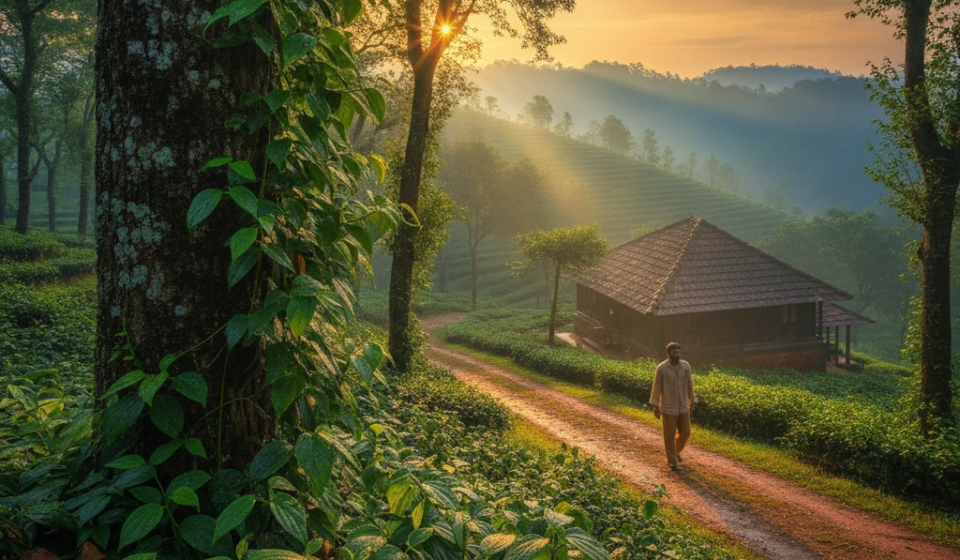

Urban saturation has reached a point where traditional sightseeing often feels more exhausting than the daily grind. Standing in multi-hour lines at monumental ruins or jostling through crowded markets no longer satisfies the modern traveler’s desire for genuine rejuvenation. This realization is driving a shift toward the countryside, where the rhythm of life is dictated by seasonal changes rather than the clock. The growing interest in agritourism in india represents a major shift in travel preferences. It is basically an immersive journey into the agrarian heritage of the nation. By moving away from concrete hotel towers and choosing instead to sleep on working family farms, travelers find a deeper connection to the land and the communities that feed the nation.
Key Takeaways
- Immersive Experience: Agritourism in India offers travelers a direct, hands-on connection to the country’s rich rural heritage and sustainable farming practices.
- Economic Benefit: Rural farm stays help diversify agricultural incomes, with up to 70% of visitor spend retained directly within local economies.
- Diverse Landscapes: From sugarcane harvesting in Maharashtra to spice plantation tours in Kerala and apple picking in Himachal Pradesh, each region offers distinct experiences.
- Slow Living: Travelers can escape urban stress, participate in farm-to-table dining, and engage with traditional crafts.
- Seasonal Planning: Aligning visits with local harvesting cycles (like mangoes in spring or mustard in winter) ensures the most rewarding stay.
The Rise of Agritourism in India
The historical foundation of the Indian subcontinent is inextricably linked to its soil. With over half of the population engaged in agricultural activities (depending on how seasonal labor is classified), farming is not just an industry but a foundational way of life. The formal rise of agritourism in india began in the early 2000s when rural cooperative societies sought ways to diversify farm incomes. What started as a localized experiment to assist struggling farmers in Maharashtra has expanded into a national movement. Urban residents, seeking an escape from high-stress corporate environments, discovered that rural regions offered an uncomplicated pace of life. This shift has turned what was once a niche weekend activity into a structured travel sector.
As global interest in sustainable travel increases, agritourism in india has gained notable momentum. This sector offers a viable alternative to high-impact mass tourism, distributing visitor spending directly to rural households. Research indicates that rural hospitality operations retain roughly 70% of their revenue within the local economy, compared to less than 20% for large resorts. Travelers are no longer content with being passive observers. They want to understand the origins of their food, witness sustainable land management, and support preservation efforts. This segment of agritourism in india provides a platform where cultural exchange happens naturally over shared meals and morning harvests, far removed from artificial resort setups.
Moreover, governmental agencies have recognized this potential. Several state tourism boards now offer registrations, training, and subsidies to farmers willing to open their homes to travelers, ensuring safety and hygiene standards are met. This institutional backing has created a secure environment for domestic and international travelers alike, fostering a reliable network of certified agricultural hosts across the country.
Key Regions for Agricultural Tourism Experiences
When exploring agritourism in india, travelers are presented with a diverse array of climates, crops, and cultural practices. Each geographic region offers a distinct encounter shaped by local traditions and geological conditions. From the fertile plains of the north to the spice-scented hills of the south, the diversity of the agrarian landscape ensures that no two farm stays are alike.
| State | Primary Crops | Signature Experience | Best Season to Visit |
|---|---|---|---|
| Maharashtra | Sugarcane, Pomegranate, Grapes | Hurda parties, staying in traditional Wadas | November to February |
| Kerala | Spices, Tea, Cardamom, Paddy | Spice estate walks, backwater farming | October to March |
| Punjab | Wheat, Mustard, Dairy | Tractor rides, bhangra, operating water wheels | December and January |
| Karnataka | Coffee, Cardamom, Pepper | Coffee harvesting, canopy forest walks | October to March |
| Himachal Pradesh | Apples, Plums, Stone Fruits | Orchard fruit picking, jam making | August to October |
Maharashtra: The Pioneer of Agri-Travel
Maharashtra stands as arguably the pioneer and undisputed epicenter of agritourism in india. The Agri Tourism Development Corporation (ATDC), established in 2005, created a template that has since been replicated across other states. The dry yet fertile deccan plateau, particularly around Pune, Satara, and Nashik, is home to hundreds of working farm stays. In this region, guests can enjoy experiences such as:
- Participating in sugarcane harvesting and processing
- Walking through organic pomegranate orchards
- Attending traditional winter hurda (roasted green jowar) parties
- Staying in heritage wadas (traditional courtyard houses)
- Relishing home-cooked Maharashtrian meals like pithla bhakri
The region demonstrates how structured cooperative networks can help agritourism in india operate successfully on a large scale, providing an unfiltered look into rural Maratha life.
Kerala: Spice Plantations and Backwater Farms
Further south, Kerala offers a contrasting agricultural environment defined by lush tropical foliage and waterways. Here, agritourism in india takes the form of spice plantation tours in Wayanad, cardamom harvesting in Munnar, and organic paddy cultivation below sea level in Kuttanad. Staying on a family-owned spice estate allows travelers to learn about the cultivation of black pepper, nutmeg, vanilla, and rubber. These experiences are easily integrated into broader Kerala tour packages, making it simple to combine a traditional backwater cruise with an educational farm stay. The misty climate of the Western Ghats combined with the warm hospitality of local estate owners adds a distinct charm to the journey.
Punjab: Golden Fields and Vibrant Culture
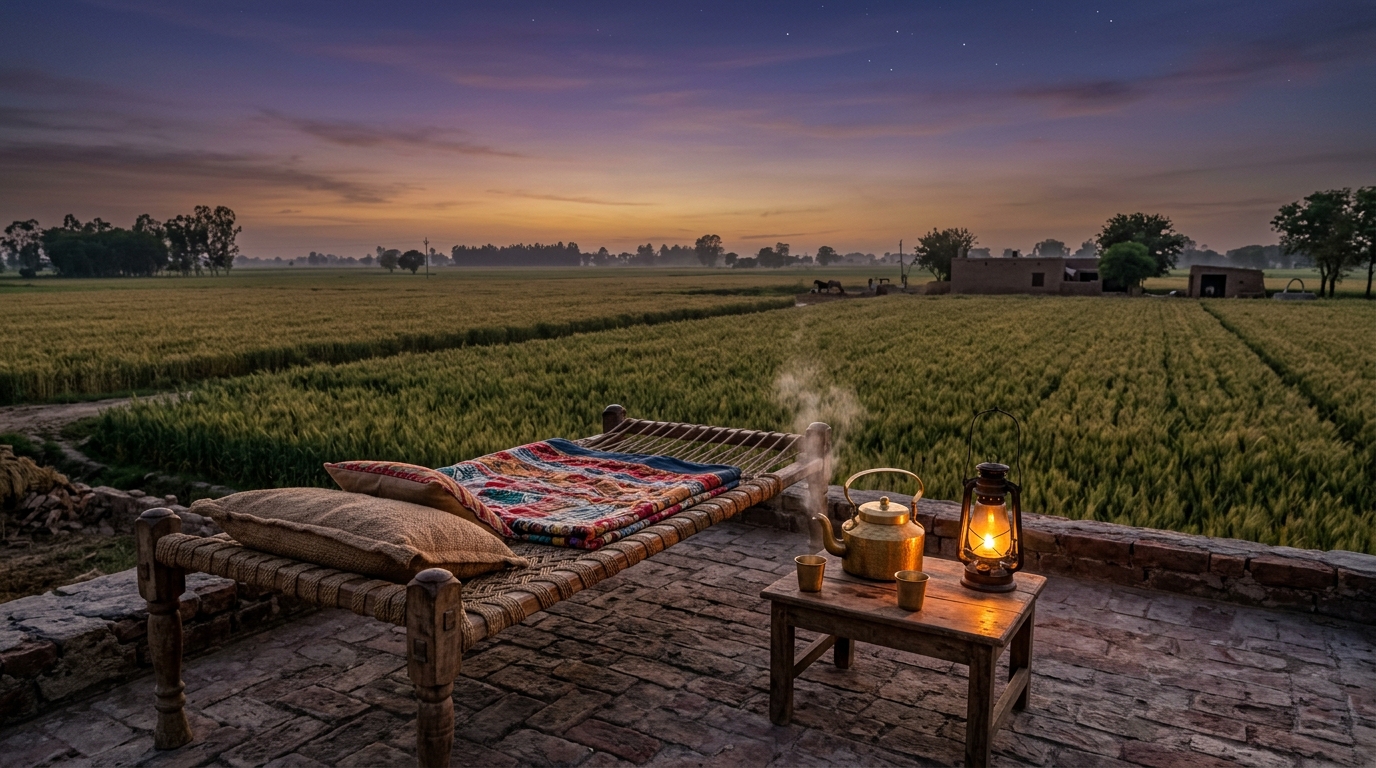
In the north, Punjab offers a high-energy, expansive perspective on farming. Known as the breadbasket of the nation, the state features vast, flat fields of wheat and mustard that stretch to the horizon. This pioneering agricultural hub represents another side of agritourism in india. The experience here is characterized by hearty hospitality, tractor rides through golden fields, and the sounds of traditional folk music. Farm stays in regions like Amritsar introduce guests to modern mechanized farming alongside ancient practices like operating a rahat (water wheel). Guests can indulge in rich, clay-oven cooked meals, participate in milking cows, and learn about the intensive cycle of grain production that sustains the country.
Karnataka and Himachal Pradesh: Coffee Stays and Apple Orchards
The southwestern hills of Karnataka, particularly Coorg and Chikmagalur, are celebrated for their coffee estates. These plantation stays highlight how agritourism in india caters to different tastes, blending colonial-era bungalows with organic coffee bean varieties. Travelers can walk under giant canopy trees that provide shade to coffee plants, learning about bean processing from harvest to cup. This is an ideal addition to specialized domestic tour packages focusing on southern India. Meanwhile, the high-altitude valleys of Himachal Pradesh offer a completely different agrarian rhythm. In places like Kotgarh and Thanedar, apple orchards dominate the steep hillsides. Visitors during the autumn months can assist in picking crisp apples, learn about cold-climate horticulture, and enjoy homemade apple preserves.
What to Expect: Core Activities and Experiences
Hands-on Farming and Harvesting
The most direct way to understand rural life is to work alongside the farmers. Depending on the season, guests are invited to participate in activities that range from sowing seeds to harvesting mature crops. Hands-on learning is what sets agritourism in india apart from standard leisure tourism. One might find themselves knee-deep in a muddy paddy field in West Bengal, carefully transplanting rice saplings, or climbing a low ladder to pluck fresh mangoes in Uttar Pradesh. Some travelers worry that farm work might feel like chore-based labor rather than a vacation. They are not entirely wrong. But still, the physical engagement is precisely what grounds the experience, turning abstract concepts of agriculture into a tangible reality. Children, in particular, gain an invaluable perspective on ecology, realizing that vegetables are dug from the earth.
Traditional Culinary Workshops and Organic Dining
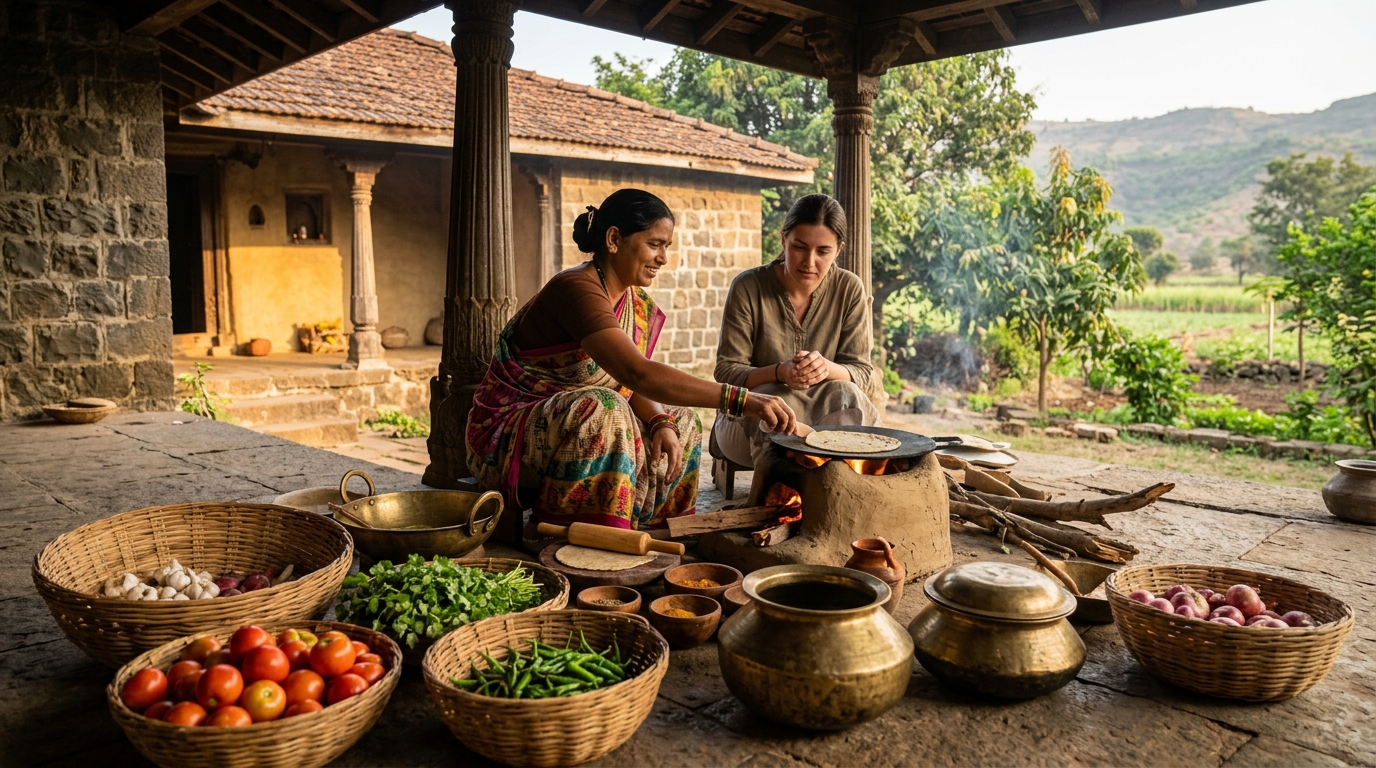
Food is the ultimate bridge between cultures. On an agricultural stay, the culinary experience is decentralized, moving from professional restaurant kitchens to family hearths. Gastronomy plays a critical role, as agritourism in india often emphasizes the ‘farm-to-table’ concept long before it became a western marketing buzzword. This culinary journey typically involves:
- Harvesting Fresh Ingredients: Guests accompany hosts to kitchen gardens to pluck fresh coriander, chillies, tomatoes, and greens.
- Traditional Cooking Workshops: Cooking sessions utilize traditional wood-fired stoves (chulhas) and stone grinding tools to prepare authentic regional recipes.
- Pure, Organic Flavors: Meals are prepared without chemical preservatives, highlighting the clean, complex flavors of freshly harvested grains and vegetables.
- Authentic Dining: Eating a wholesome meal served on a fresh banana leaf while seated on the floor of a rural home.
Rural Crafts and Indigenous Art Forms
Beyond agriculture, Indian villages are repositories of ancient artistic traditions that are closely tied to the seasons and farming cycles. Cultural integration within agritourism in india includes opportunities to learn these regional crafts directly from master artisans, such as:
- Pottery: Spending an afternoon throwing clay on a traditional potter’s wheel in Rajasthan.
- Textile Weaving: Learning hand-weaving techniques for cotton and wool textiles in Gujarat.
- Indigenous Painting: Practicing Warli art in rural Maharashtra using natural pigments made from soil, leaves, and cow dung.
By purchasing these handmade crafts directly from the creators, travelers provide direct financial support that helps keep these endangered artistic legacies alive for future generations.
Benefits of Rural Farm Stays
For the Traveler: True Reconnection and Slow Living
For the traveler, a farm stay is an antidote to the high-velocity, screen-dominated lifestyle of modern cities. The absence of constant digital notifications (often due to weaker cellular signals, which serves as a blessing in disguise) forces a transition into ‘slow living’. The daily schedule shifts naturally to align with the sun, beginning with the calls of native birds and ending with incredibly clear stargazing opportunities unimpeded by urban light pollution. This physical and mental pause allows for genuine reflection. Spending time in nature, breathing air free of industrial pollutants, and consuming nutrient-rich, organic food leads to a tangible sense of well-being. And yet, the greatest value is often the quiet stillness of the rural evening, when the background noise of the city completely disappears.
For the Host: Economic Resilience and Preservation
From the host’s perspective, the socio-economic impacts of agritourism in india extend deep into the community structure. Agriculture in India can be highly volatile, with farmers facing unpredictable weather, fluctuating market prices, and pest infestations. A successful farm stay provides a crucial secondary source of stable, year-round income. This financial cushion allows families to reinvest in sustainable farming technologies, educate their children, and maintain their ancestral properties. Local communities benefit greatly, establishing agritourism in india as a powerful tool against rural-urban migration. When young villagers see that their heritage and traditional skills are valued by global travelers, they are far more likely to stay and preserve their ancestral lands rather than migrating to overcrowded cities.
How to Select and Plan Your Agritourism Trip
Selecting the right destination for agritourism in india depends on several factors, including seasonal crop cycles, personal comfort requirements, and preferred physical activities. Unlike standardized hotels, farm stays vary dramatically in their infrastructure and level of rustic immersion. Some properties offer air-conditioned luxury tents and swimming pools, while others provide simple, non-air-conditioned rooms in family homes with shared facilities. Understanding these differences before booking is essential to matching personal expectations with the reality of the destination.
| Farm Stay Type | Key Regions | Signature Experience | Best Season |
|---|---|---|---|
| Spice & Coffee Estates | Kerala (Wayanad), Karnataka (Coorg) | Guided plantation walks, bird watching. | October to March |
| Horticultural Orchards | Himachal Pradesh, Ratnagiri | Fruit harvesting, jam making, orchard walks. | April to September |
| Organic Crop Farms | Maharashtra, Rajasthan, Punjab | Traditional farming, tractor rides. | November to February |
| Dairy Farms | Haryana, Punjab, Gujarat | Milking cattle, organic butter making. | October to March |
Proper preparation ensures that agritourism in india is an enjoyable and educational experience rather than a shock to the system. Travelers should research the specific agricultural cycle of their chosen region before finalizing their dates. For instance, traveling to a Konkan mango orchard in December will yield beautiful greenery, but those wishing to participate in the actual harvest must plan their trip between March and May. Similarly, those interested in the golden mustard fields of Punjab should time their visit during the peak winter months of December and January. Aligning travel plans with these seasonal realities is key to experiencing rural India at its most vibrant.
Essential Tips for First-Time Farm Stay Visitors
Visiting a rural homestead requires a shift in mindset compared to checking into a conventional city hotel. To ensure a harmonious and respectful stay, first-time travelers seeking to enjoy agritourism in india should keep several practical guidelines in mind.
- Embrace Local Customs: Rural India is culturally conservative. Dress modestly, covering shoulders and knees, especially when walking through village areas. Always remove footwear before entering the farm home.
- Set Realistic Expectations: Remember that you are staying on a functional farm, not a manicured resort. Insects, dusty paths, and occasional power disruptions are normal parts of country living.
- Conserve Resources: Water and electricity are precious commodities in rural regions. Take shorter showers, turn off lights and fans when leaving your room, and minimize plastic waste.
- Engage with your Hosts: Take the time to talk to your hosts and local workers. Ask about their families, their farming challenges, and their ancestral traditions. This respectful curiosity often leads to great conversations.
- Follow Safety Guidelines: Working farms contain hazards such as heavy machinery and unpredictable livestock. Always listen to your host’s instructions before operating equipment or feeding animals.
Conclusion
The ongoing growth of rural travel options makes agritourism in india an exceptional travel choice for those seeking a deeper connection to the country. It is a form of tourism where luxury is measured in clean air, fresh food, and genuine human warmth rather than thread counts and room service. By booking focused travel packages, visitors can experience agritourism in india in its most authentic form, directly contributing to the economic resilience of farming communities. Whether walking through a misty spice estate in Kerala or driving a tractor through a sunny mustard field in Punjab, these experiences leave a lasting impact on both the traveler and the host. It is an invitation to step off the well-worn tourist trail, slow down, and rediscover the simple agrarian rhythms that form the bedrock of Indian civilization.
FAQs
What is the best time of year to experience agritourism in India?
The optimal timing depends largely on the region and the specific crops you wish to see. Generally speaking, the winter months from October to March offer the most pleasant weather for exploring agricultural destinations across the country. During this cool season, agritourism in india is particularly rewarding in states like Rajasthan, Maharashtra, and Punjab, where crops are lush and outdoor activities are comfortable. However, if your goal is to experience the mango harvest in Maharashtra or the monsoon planting season in the southern hills, a trip during the summer or monsoon months is highly recommended.
Are Indian farm stays suitable for families with young children?
Yes, these stays are exceptionally educational and engaging for children. When participating in agritourism in india, children can interact safely with farm animals, learn about crop cultivation, and run in wide, open spaces free from urban traffic. It provides a practical, hands-on biology lesson that is far more impactful than classroom teaching. Most farm owners are incredibly welcoming to families and will gladly tailor activities to accommodate younger guests, ensuring a safe and memorable experience for all age groups.
What should I pack for a rural farm stay in India?
Packing should prioritize comfort, utility, and cultural respect. Bring sturdy, closed-toe walking shoes or boots for walking through fields, lightweight cotton clothing that covers your limbs to protect against the sun and insects, and a wide-brimmed sun hat. Because agritourism in india takes place in rustic settings, it is also wise to carry a reliable flashlight or headlamp, eco-friendly insect repellent, personal toiletries, and any specific medications you may require. If you plan on visiting during the winter months in the north, bring warm layers as rural temperatures drop considerably at night.
Is organic food guaranteed at these agritourism destinations?
While many properties pride themselves on natural farming methods, the degree of organic certification varies across the country. Many hosts practicing agritourism in india utilize traditional, chemical-free methods even if they do not hold a formal organic certificate. The food served is almost always harvested directly from the surrounding fields or neighboring farms, ensuring unmatched freshness and flavor. If strict organic dining is a priority, it is best to inquire with the specific farm stay or check with your travel agent before booking.
How has the government supported agritourism in india?
The government has launched several initiatives to promote rural hospitality. For instance, the Ministry of Tourism’s national strategy for rural tourism aims to develop sustainable agritourism in india by training local farmers and providing infrastructure development grants. States like Maharashtra have also enacted dedicated policies to simplify registrations, helping farmers transition smoothly into tourism. This institutional backing ensures that travelers have access to verified, safe, and high-quality farm stay experiences.