
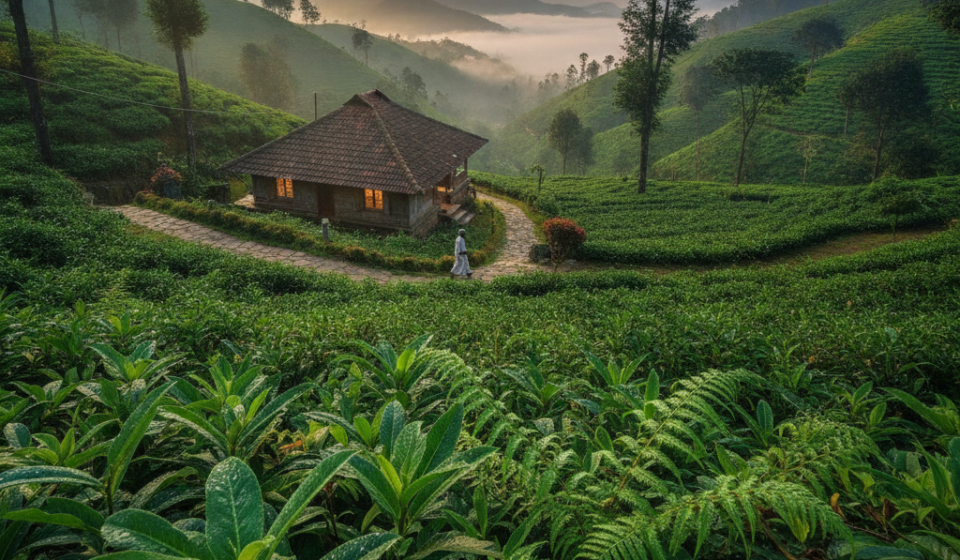

Modern travel is undergoing a quiet yet profound shift. Holidaymakers are increasingly bypassing crowded historical monuments and sterile beach resorts in search of slower, more authentic encounters with nature and heritage. This growing preference has fueled the dramatic expansion of agritourism in india. By opening up working farms, plantation estates, and ancestral orchards to travelers, this specialized sector offers an unfiltered window into agricultural life. The movement serves as a bridge between urban consumption and rural preservation, providing city dwellers with a tangible connection to the land while supporting sustainable livelihood opportunities for farming families across the subcontinent.
Key Takeaways
- Rooted in Tradition: Agritourism in India bridges the gap between urban life and rural heritage, offering authentic farm-to-table experiences.
- Pioneering Hubs: Maharashtra, Kerala, Punjab, and Karnataka lead the movement with highly diverse regional models.
- Economic Catalyst: It creates sustainable secondary income streams for farmers and reduces rural-to-urban migration.
- Eco-Friendly Travel: Promotes regenerative agriculture, solar energy use, and biodiversity preservation.
- Immersive Activities: Offers direct participation in crop harvesting, animal husbandry, and local crafts.
The Rise of Agritourism in India
To understand the structural foundations of agritourism in india, one must examine the agrarian framework of the country. Agriculture remains the primary source of livelihood for roughly 58% of the Indian population (depending on the seasonal employment index). Historically, rural tourism existed only in the form of informal family visits during harvest festivals. But still, the formalization of farm-based leisure travel did not gain momentum until the early years of the twenty-first century.
The structured model of agritourism in india emerged primarily in Maharashtra. In 2005, the Agri Tourism Development Corporation (ATDC) was established to train farmers in hospitality and marketing. This initiative demonstrated that smallholder farmers could supplement their primary crop income by up to 33% by hosting urban tourists. What began as a localized pilot project in Pune district has since expanded into a nationwide phenomenon, supported by state policies that promote rural entrepreneurship and ecological conservation.
Today, the sector is experiencing rapid expansion. The growth of agritourism in india is driven by a collective desire among urban residents to escape metropolitan pollution and introduce younger generations to the origins of their food. This shift is not merely a passing leisure trend. It represents a systematic economic diversification strategy. By inviting travelers to participate in daily farming operations, rural communities can retain young talent who might otherwise migrate to overcrowded urban centers in search of employment.
This evolving model has also gained significant traction through organized travel services. Travelers seeking structured rural itineraries often turn to curated domestic travel packages that combine traditional heritage sightseeing with immersive agricultural experiences. This integration ensures that hospitality standards are maintained while preserving the rustic authenticity of the farm environment.
Core Principles of Rural Tourism
At its core, agritourism in india is defined by three fundamental principles: something to see, something to do, and something to buy. These principles ensure that the guest experience is intellectually engaging, physically active, and economically beneficial to the host community. Unlike conventional luxury resorts that insulate guests from their surroundings, rural homestays prioritize active participation and mutual cultural exchange.
Authenticity and environmental stewardship are the core pillars of successful agritourism in India. These immersive stays focus on three distinct areas of engagement:
- Cultural Authenticity: Guest stays feature vernacular architecture, traditional locally sourced vegetarian cuisine, and meaningful direct interactions with farming families.
- Ecological Responsibility: Many operations incorporate sustainable systems such as rainwater harvesting, solar power generation, organic waste composting, and the preservation of indigenous heirloom seeds.
- Educational Outreach: By showcasing working agricultural systems, hosts educate urban visitors on resource conservation and the origins of their food.
Key Regions for Agritourism in India
The geographic and climatic diversity of the Indian subcontinent has given rise to highly distinct regional models of farm-based travel. Each territory offers unique agricultural systems, traditional crafts, and culinary heritages shaped by local topographies and historical influences.
Maharashtra and the Pioneer Farms
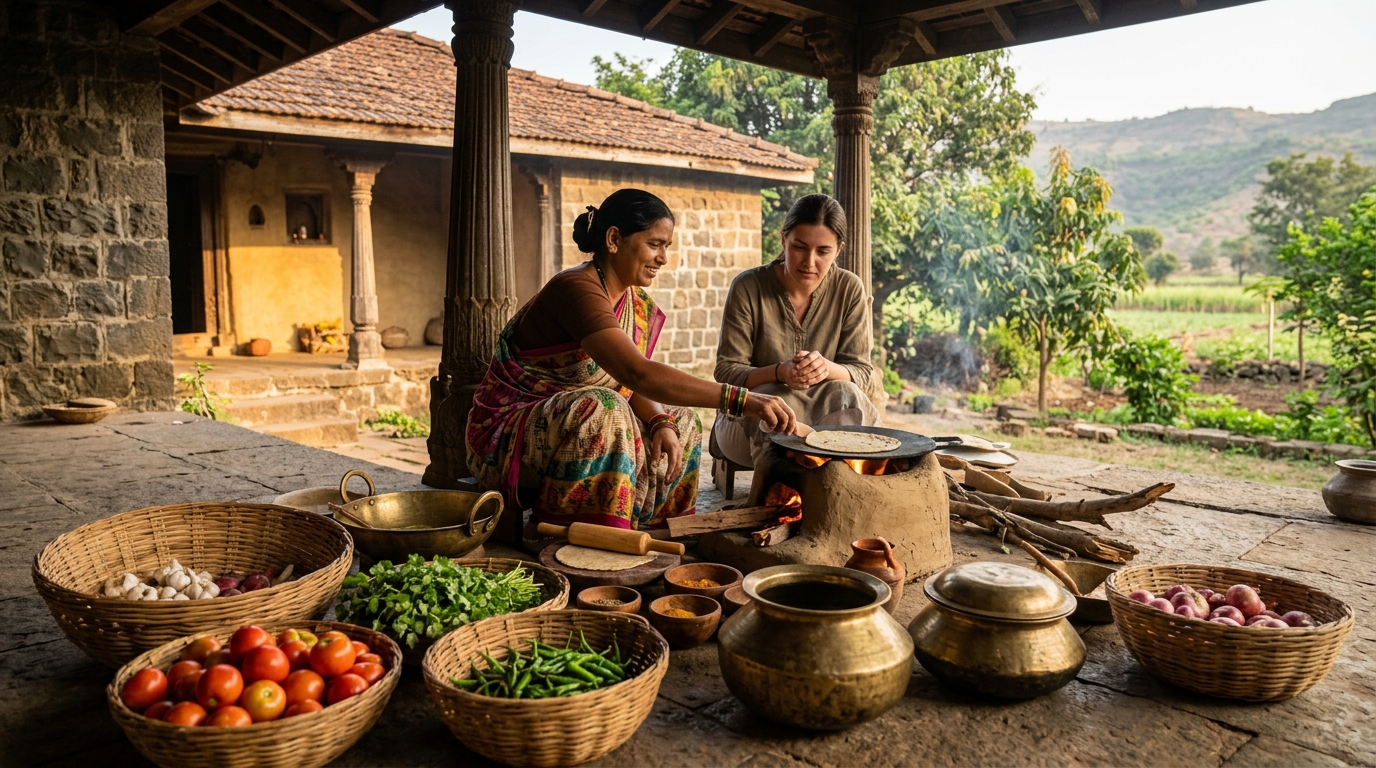
As the birthplace of the formal movement, Maharashtra offers some of the most robust and highly organized agritourism in india. The Western Ghats and the Deccan Plateau are home to sprawling grape vineyards, pomegranate orchards, and sugarcane plantations. Districts such as Pune, Nashik, and Satara feature numerous certified farm stays that cater specifically to families and school groups.
Visitors to these Maharashtrian estates can enjoy a variety of traditional activities and culinary delights:
- Farm Activities: Participate in sugarcane harvesting, bullock cart rides, and traditional pottery making.
- Culinary Heritage: Relish authentic Maharashtrian meals like pithla bhakri (chickpea flour curry with millet flatbread) cooked over open wood fires.
- Quality Standards: Experience high standards of hygiene and comfort, maintained through institutionalized state training programs for remote farm operators.
Kerala and Spice Plantation Estates
In contrast to the broad-acre crop farms of the Deccan, the southern state of Kerala specializes in high-value spice plantations. Nestled in the misty hills of Wayanad, Idukki, and Munnar, these estates cultivate cardamom, black pepper, nutmeg, and vanilla. The region’s lush geography makes it a premier destination for those exploring the tropical dimensions of agritourism in india.
The Keralan model often integrates wellness practices, such as traditional Ayurveda, with agricultural education. Guests can stay in heritage wooden bungalows that have been preserved for generations. To experience these verdant landscapes firsthand, travelers frequently book dedicated Kerala travel packages that include guided walks through spice gardens, birdwatching tours, and demonstrations of traditional rubber processing.
Punjab and Mustard Field Homestays
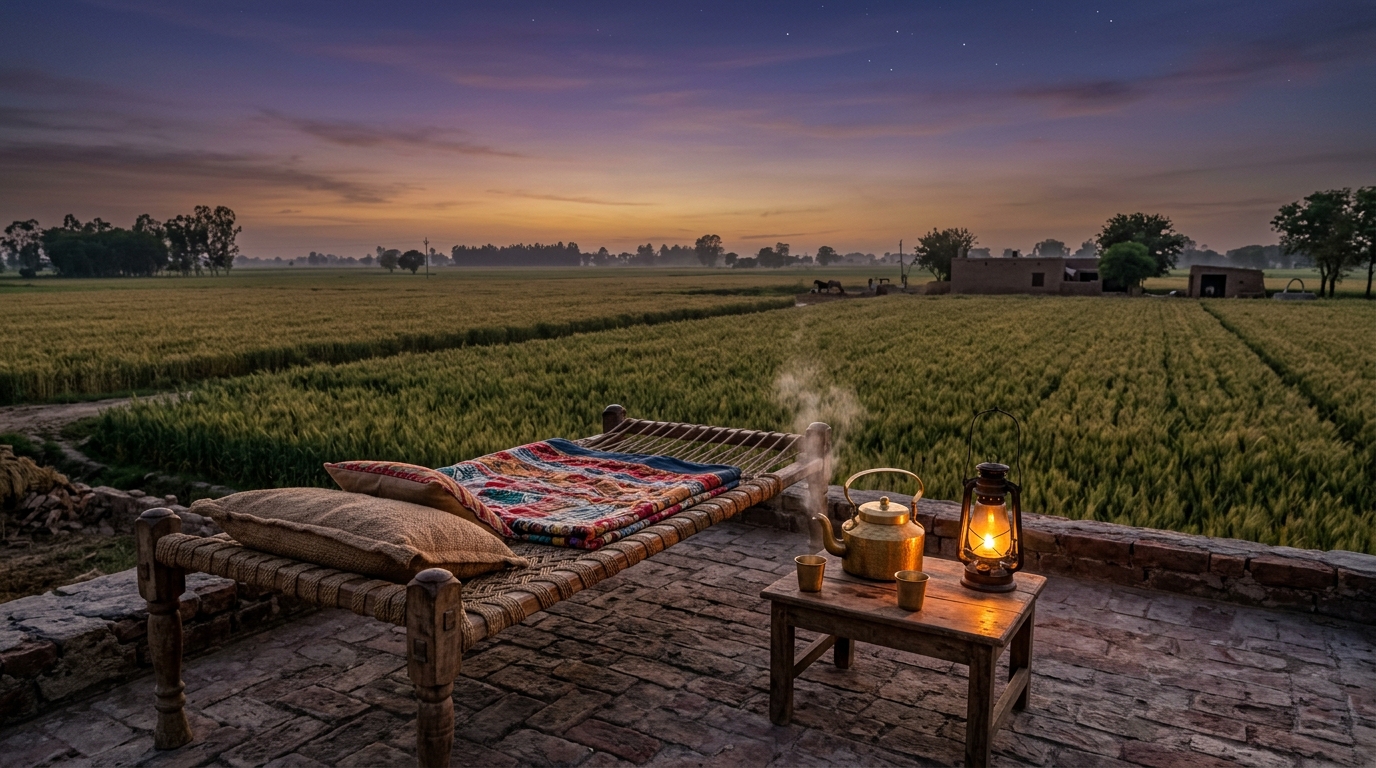
Representing the agricultural heartland of northern India, Punjab offers an energetic and highly hospitable version of agritourism in india. The vast, flat plains of Amritsar, Gurdaspur, and Patiala are dominated by wheat and mustard cultivation. Here, the farm stays are typically grand ancestral homes or modern farmhouses set amidst endless green or golden fields.
The Punjabi farm experience is deeply hands-on. Visitors are encouraged to ride tractors, milk dairy cattle, and learn the art of churning butter manually. Culinary offerings are exceptionally rich, emphasizing fresh dairy products, tandoori bread, and slow-cooked legumes. The experience provides a stark, refreshing contrast to the fast-paced life of India’s major metro cities, allowing visitors to appreciate the sheer scale of northern Indian food production.
Karnataka and Coffee Estate Retreats
The mountainous districts of Kodagu (Coorg) and Chikmagalur in Karnataka are famous for producing some of the finest shade-grown coffee in the world. These regions have developed an elegant model of agritourism in india that centers on colonial-era heritage bungalows and family-run forest estates. The dense canopy of these plantations supports not only coffee but also cardamom, black pepper, and orange trees.
A stay at a coffee estate offers an intimate look at the intricate processes of harvesting, pulping, drying, and roasting coffee beans. For travelers planning a southern escape, customized Coorg travel packages provide a seamless blend of outdoor adventure, wildlife spotting, and refined estate living. The cool climate, combined with the rich aroma of fresh brew, makes these highland plantations highly sought after by discerning travelers.
Typical Farm Activities and Experiences
To fully appreciate the value of agritourism in india, visitors must step out of their comfort zones and engage directly with the daily routines of the farm. These activities are designed to be educational for adults and children alike, offering practical insights into the manual labor and scientific principles behind food cultivation.
The daily schedule of a working farm homestay is governed by the sun and the seasons. Depending on the time of year, guests can participate in a wide variety of tasks:
- Sowing and Harvesting: Planting rice saplings in muddy paddy fields, picking ripe mangoes in summer, or harvesting cotton pods in autumn.
- Livestock Management: Feeding dairy cows, collecting fresh eggs from poultry coops, and learning the techniques of traditional animal husbandry.
- Artisanal Food Processing: Pressing oil from oilseeds using traditional wooden extractors (*ghani*), making jaggery from fresh sugarcane juice, or pickling seasonal vegetables.
- Traditional Crafts: Engaging with village artisans to learn handloom weaving, terracotta pottery, or decorative folk arts like Warli and Madhubani painting.
These activities help bridge the gap between production and consumption. For instance, participating in the labor-intensive process of hand-harvesting rice creates a lasting appreciation for the meals served at the dining table, turning a simple vacation into an impactful educational journey.
To plan your journey effectively, refer to this seasonal calendar of major agricultural events across India:
| Season | Key Agricultural Activities | Best Regions to Visit | Primary Produce |
|---|---|---|---|
| Winter (Oct – Mar) | Sugarcane processing, mustard harvesting, coffee picking | Punjab, Maharashtra, Karnataka (Coorg) | Mustard, coffee, sugarcane, winter vegetables |
| Summer (Apr – Jun) | Mango harvesting, orchard fruit plucking, tea leaf picking | Maharashtra (Ratnagiri), Himachal Pradesh, Assam | Mangoes, peaches, plums, tea |
| Monsoon (Jul – Sep) | Paddy sowing, spice plantation walks, rainforest treks | Kerala, Goa, Western Ghats | Rice, cardamom, pepper, rubber |
Economic and Ecological Impacts of Farm-Based Tourism
The societal benefits of agritourism in india extend far beyond providing unique experiences for urban vacationers. From an economic perspective, this sector acts as a powerful catalyst for rural development. By creating secondary income streams, it buffers farming households against the financial instability caused by unpredictable weather patterns, crop failures, and volatile market prices.
According to research by the National Bank for Agriculture and Rural Development (NABARD), rural homestays generate local employment for cooks, guides, housekeeping staff, and transport operators, thereby keeping capital circulating within the village economy. This localized financial growth helps reduce rural-to-urban migration, allowing communities to sustain their traditional ways of life.
From an ecological standpoint, agritourism in india champions the conservation of biodiversity. To appeal to tourists seeking natural purity, farm operators are increasingly abandoning chemical fertilizers in favor of organic and regenerative agricultural practices. This shift restores soil health, protects local water tables, and preserves indigenous flora and fauna. Additionally, the visibility of beautiful rural landscapes encourages local communities to actively resist commercial deforestation and industrial encroachment.
How to Choose and Plan Your Rural Stay
Selecting the right destination is crucial to ensuring a rewarding experience, as farm stays vary significantly in their level of rusticity, agricultural focus, and available amenities. Travelers must evaluate their personal preferences, physical fitness levels, and cultural expectations before booking an itinerary.
Essential Preparations and Packing
When preparing for a journey into the heart of rural India, practical packing is essential. Unlike highly urbanized tourist centers, rural destinations may lack immediate access to specialized consumer goods. Travelers should prepare carefully to ensure comfort throughout their stay.
A basic packing checklist for a farm-based holiday should include:
- Sturdy Footwear: Durable, closed-toe walking shoes or boots suitable for navigating uneven terrain, muddy fields, and thorny pathways.
- Protective Clothing: Light, breathable cotton garments with long sleeves and full-length trousers to protect against sunburn, rough foliage, and insect bites.
- Sun and Insect Protection: High-SPF sunscreen, wide-brimmed hats, sunglasses, and a reliable mosquito repellent containing DEET or natural citronella.
- Personal Medication: A well-stocked first-aid kit containing essential personal medicines, rehydration salts, antacids, and basic antiseptics, as local pharmacies may be miles away.
Navigating Cultural Nuances and Etiquette
To foster mutual respect and ensure a harmonious stay, travelers must observe local customs and social etiquette. Rural Indian communities are often traditional and close-knit, making respectful behavior highly appreciated by hosts.
Crucial cultural practices to keep in mind include:
- Modest Attire: Wearing clothing that covers the shoulders and knees, especially when walking through villages or visiting local places of worship.
- Footwear Etiquette: Always removing shoes before entering the host’s home, particularly in kitchen and dining spaces.
- Photography Consent: Always asking for permission before photographing local villagers, their homes, or their livestock.
- Waste Management: Minimizing plastic consumption and carrying all non-biodegradable waste back to urban areas for proper disposal.
Comparative Overview of Rural Stay Categories
To help travelers choose the ideal setting for their journey, the table below compares the four primary categories of agritourism in india. This comparison is based on geographic location, primary crop focus, and typical accommodation style.
| Stay Category | Primary Geographic Regions | Key Agricultural Focus | Typical Accommodation Style | Target Traveler Profile |
|---|---|---|---|---|
| Broad-Acre Crop Farms | Maharashtra, Punjab, Haryana | Grains, sugarcane, sugarcane processing | Modernized farm houses and rural homestays | Families, school groups, agri-students |
| Spice Plantation Estates | Kerala, Goa, Karnataka (coastal) | Cardamom, pepper, nutmeg, vanilla | Heritage wooden cottages and forest cabins | Nature enthusiasts, couples, wellness seekers |
| Coffee & Tea Estates | Karnataka (Coorg), Assam, Tamil Nadu | Coffee arabica/robusta, CTC and orthodox tea | Colonial-era bungalows and luxury villas | Discerning travelers, couples, trekking groups |
| Himalayan Orchards | Himachal Pradesh, Uttarakhand, Kashmir | Apples, plums, apricots, saffron | Stone and timber mountain chalets | Adventure travelers, writers, solo retreat seekers |
Frequently Asked Questions
What is the best season to experience agritourism in India?
The ideal time to visit depends heavily on the geographic location of the farm. Generally, the post-monsoon and winter months, spanning from October to March, offer the most pleasant weather across the majority of the country. This period coincides with key harvesting seasons, such as the sugarcane harvest in Maharashtra and the winter vegetable crop in Punjab. Conversely, if one wishes to experience mango harvesting in western India, the hot summer months of April and May are the prime times to visit, despite the high temperatures.
Are rural farm stays suitable for families with young children?
Yes, farm stays provide an exceptionally rich educational environment for children. The vast open spaces, direct contact with farm animals, and hands-on activities offer a welcome alternative to screen-based entertainment. However, parents must ensure constant supervision around agricultural machinery, open wells, and farm animals to ensure safety throughout the trip.
How do farm stays manage electricity and internet connectivity?
The level of infrastructure varies widely across different locations. Many modern agritourism destinations utilize solar backup systems and generator sets to handle rural power fluctuations. Mobile network connectivity is generally available across most of rural India, though data speeds may be slower than in metropolitan areas. Many travelers view this slight disconnect as an excellent opportunity for a digital detox, allowing them to engage more deeply with their natural surroundings.
Do travelers need special vaccinations for rural visits?
No special vaccinations are legally mandated specifically for rural travel within India beyond the standard recommendations for international travelers. However, it is highly advisable to be up to date on basic immunizations such as Tetanus, Hepatitis A, and Typhoid. Since rural areas have higher insect populations, taking preventive measures against mosquito-borne illnesses like Dengue and Malaria through protective clothing and repellents is strongly recommended.