
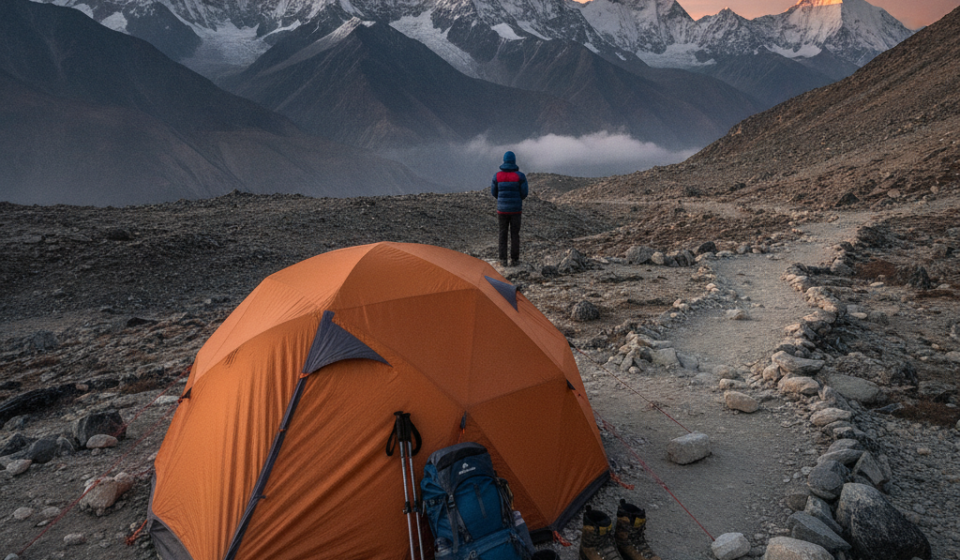

Adventure travel has undergone a fundamental shift since the early days of unregulated backpacking. Today, the demand for structured, safe, and professionally managed excursions has reached unprecedented heights. Discerning travelers no longer search for simple itineraries; instead, they seek highly specialized adventure tour packages in India that balance extreme physical engagement with rigorous safety standards. From the frozen high-altitude passes of the far north to the pristine marine ecosystems of the southern islands, the Indian subcontinent offers a diverse topographical playground. Exploring these terrains requires more than just enthusiasm. It demands careful logistical planning, top-tier equipment, and local expertise. Consequently, selecting the correct package has become the definitive starting point for any successful expedition. Whether seeking to conquer wild glacial rivers or descend steep alpine slopes, understanding the structural options available is key to a rewarding journey. This comprehensive guide examines the premier destinations and structural frameworks necessary to select a secure and thrilling adventure.
Key Takeaways
- Diverse Terrains: India offers a massive variety of ecosystems, from Himalayan peaks to tropical marine sanctuaries.
- Safety First: The industry has matured, prioritizing certified guides, international safety equipment, and emergency evacuation protocols.
- Curated Experiences: Modern travelers prefer structured adventure tour packages in India over high-risk independent logistics.
- Acclimatization Protocols: High-altitude regions like Leh Ladakh demand strict physiological conditioning and rest schedules.
- Sustainability: Regulated eco-safaris and community-led treks are rising in popularity to preserve fragile natural environments.
The Structural Evolution of Adventure Tourism in India
The domestic travel sector has experienced a profound maturation over the past decade. This change is particularly visible in how outdoor expeditions are structured and executed across different states. Historically, adventure sports were viewed as high-risk, unstructured activities reserved for a small niche of extreme hobbyists. Today, the industry has transitioned into a highly regulated professional sector. Modern adventure tour packages in India reflect this institutional shift, offering standardized safety measures, certified guides, and clear insurance coverage. This evolution has made remote regions accessible to a broader demographic of active travelers, converting challenging wilderness corridors into organized tourism products. State governments have also introduced stringent guidelines, ensuring that operators maintain international standards of safety and sustainability.
Geographical Assets and Diverse Terrain
India possesses a unique geographical advantage, with natural features that accommodate almost every type of extreme sport. The northern border is defined by the Himalaya, a mountain range that provides some of the highest trekking routes and peaks in the world. To the west, the arid dunes of Rajasthan present opportunities for desert safaris and endurance trials. Meanwhile, the southern peninsula features a extensive coastline flanked by the Western and Eastern Ghats. This dramatic physical variation means that operators designing adventure tour packages in India can offer diverse activities within a single country. A traveler can transition from high-altitude alpine climbing to tropical scuba diving within a matter of days. This vast geographic spread requires specialized local knowledge, making professional coordination indispensable for complex multi-terrain itineraries. It is basically impossible to replicate this variety of microclimates and altitudes in most other countries, explaining the growing international interest in domestic adventure itineraries. Furthermore, the presence of major river systems like the Ganges and Indus provides world-class river running venues, while the extensive marine zones around the islands offer coastal diving opportunities. This unique environmental variety has prompted a rise in highly specialized adventure tour packages in India that cover multiple terrains.
The Shift from Budget Expeditions to Curated Packages
Historically, adventure travel in the country was the domain of independent backpackers who managed their own logistics. This model often involved significant risk, unpredictable transport, and uncertified local guides. However, the contemporary market favors professionally curated adventure tour packages in India. Modern travelers prioritize reliability, certified safety gear, and structured itineraries that maximize their limited time. This change has encouraged operators to establish clear service standards, which include employing certified instructors from institutes like the Nehru Institute of Mountaineering. Additionally, these curated packages provide high-quality safety gear, reliable communication systems, and contingency evacuation plans. For active professionals, these structured packages offer the ideal balance between intense physical challenge and operational security. This change has also led to the integration of comfortable base camps and nutritious meal plans, ensuring that physical exertion does not result in unnecessary exhaustion. Today, a premium package often includes eco-luxury accommodations that respect local environmental guidelines, showing that adventure and discomfort need not be synonymous. Furthermore, premium adventure tour packages in India incorporate comprehensive logistical support and high-quality equipment, creating an elevated outdoor experience.
High Altitude Mountain Excursions
The northern mountainous regions represent the premier destination for high-altitude pursuits. These steep elevations present unique physiological challenges and unparalleled panoramic views. Mountaineering in this context requires strict adherence to altitude protocols and physical preparation. For enthusiasts seeking vertical challenges, choosing premium adventure tour packages in India provides access to pristine peaks under the guidance of certified mountaineers. Let us analyze the primary high-altitude hubs that dominate the domestic market, each offering distinct challenges for the modern adventurer.
| Destination Hub | Peak Activity Season | Average Ideal Duration | Signature Extreme Sports |
|---|---|---|---|
| Leh Ladakh | June to September | 7 to 10 Days | High-altitude peak climbing, Chadar trek, mountain biking |
| Manali & Solang | Year-round (Winter for snow) | 4 to 6 Days | Paragliding, ski touring, alpine pass trekking |
| Auli | January to March | 3 to 5 Days | Professional skiing, snowboarding, Kuari Pass trekking |
Leh Ladakh: Mountaineering and High Passes
Operating at elevations exceeding 3,000 meters above sea level, Ladakh demands respect and careful preparation. High-altitude acclimatization is not merely a recommendation; it is an absolute operational necessity. Professional Leh Ladakh tour packages typically include mandatory rest days in Leh to ensure travelers adapt to the thin air. The region offers iconic experiences such as trekking across the frozen Zanskar River (the Chadar Trek) and climbing challenging peaks like Stok Kangri or Kang Yatse. Selecting comprehensive adventure tour packages in India for Ladakh ensures that expeditions are equipped with essential safety nets.
When booking mountain expeditions in Ladakh, verify that your operators provide:
- Portable oxygen cylinders and specialized medical first-aid kits
- Daily monitoring of oxygen saturation levels (SpO2) to preemptively spot Acute Mountain Sickness (AMS)
- Certified local sherpas and mountain guides trained in wilderness survival
- High-grade specialized cold-weather gear to prevent hypothermia
- Emergency rescue coordination and clear evacuation protocols, which are vital in remote terrains
Manali and Solang Valley: Year-Round Alpine Sports
Further south in Himachal Pradesh, Manali serves as a major hub for accessible alpine adventure. While Solang Valley is famous for paragliding and zorbing, the surrounding mountains offer serious trekking routes such as the Beas Kund and Hampta Pass trails. The region attracts enthusiasts throughout the year, with winter bringing heavy snowfall perfect for skiing. Utilizing established adventure tour packages in India when visiting Manali allows travelers to access experienced local mountain guides and quality rental equipment. For those looking to transition from casual trekking to technical mountaineering, the local institutes provide a structured learning environment. The accessibility of Manali makes it an ideal starting point for domestic travelers seeking their first major mountain expedition. It also serves as the gateway to the Lahaul and Spiti districts, offering a logical progression for those wishing to test their endurance in more rugged, dry environments. Many programs also include introductory courses in rock climbing, providing a foundational skill set. This reliable accessibility explains why seasonal adventure tour packages in India focusing on the Solang Valley are highly sought after by family groups and corporate teams alike.
Auli: Professional Snowboarding and Skiing Infrastructure
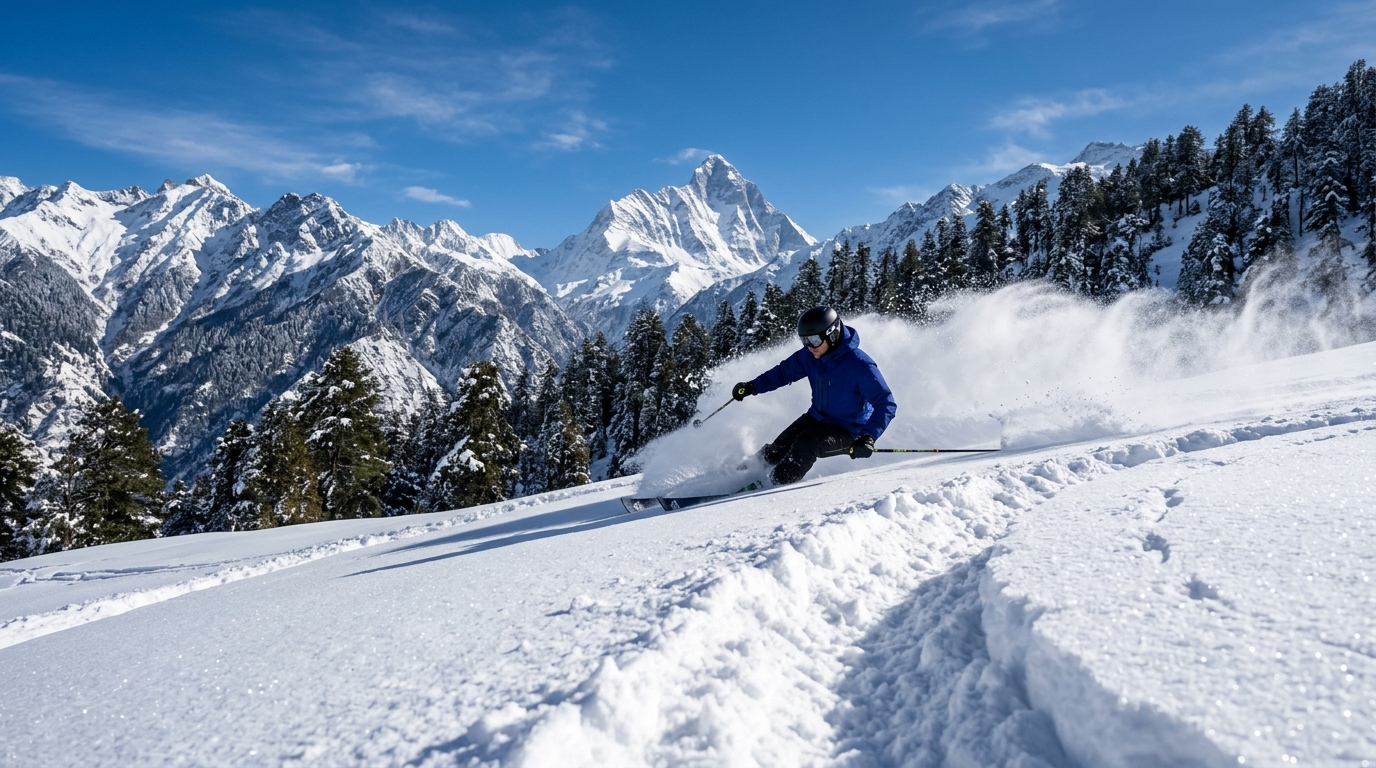
Located in the Chamoli district of Uttarakhand, Auli has emerged as a premier destination for winter sports in South Asia. Known for its clean, coniferous-sloped ski runs, the resort town features a modern chairlift system and professional ski instructors. The ski season, running from January to March, attracts both amateur and competitive skiers. Premium adventure tour packages in India designed for Auli often bundle accommodation with ski passes, equipment rental, and daily coaching sessions. This structured approach allows beginners to learn the sport in a controlled, safe environment. Additionally, the panoramic views of Nanda Devi (the second-highest peak in the country) provide a stunning backdrop for alpine exploration. The development of snowmaking machines in Auli has also extended the ski window, ensuring reliable slope conditions even during winters with lighter natural snowfall. Beyond skiing, Auli offers spectacular winter treks such as the Kuari Pass, which presents a moderate challenge with rewarding views of the greater Garhwal Himalayas. Due to the precise logistics required for winter sports, specialized adventure tour packages in India remain the most efficient way to plan a skiing trip, minimizing the friction of booking slopes and guides independently.
Water Based Adventure Pursuits
The aquatic environments of the country offer a completely different spectrum of thrill. From roaring glacial rivers to serene ocean depths, water sports have become highly organized and technically advanced. These activities require specialized gear and certified instructors to manage the dynamic marine and riverine forces. When evaluating water-based adventure tour packages in India, safety certifications and guide ratios must be the primary criteria used to assess operator viability.
Rishikesh: River Rafting and Aerial Activities
The city of Rishikesh, situated where the Ganges descends from the Himalayas, is widely recognized as the adventure capital of northern India. The river features rapids ranging from Grade I to Grade IV, offering challenges for both novices and seasoned rafters. Beyond the water, the region has developed a reputation for extreme aerial sports, including the highest bungee jumping platform in the country. Choosing reputable Rishikesh travel options that include certified rafting guides is essential for safety. Many adventure tour packages in India combine white water rafting with riverside camping, trekking, and cliff jumping. These comprehensive itineraries allow travelers to experience multiple high-adrenaline activities within a single weekend, all under the supervision of qualified safety kayakers. The strict regulatory enforcement by the local river rafting association ensures that all operators adhere to international safety protocols, including mandatory life jackets and helmets. For the adventurous, multi-day rafting expeditions along the Alaknanda tributaries offer a deeper immersion. Consequently, demand for riverine adventure tour packages in India has grown significantly, attracting weekend travelers and corporate groups who value professionally managed water sports.
Andaman Islands: Marine Exploration and Coastal Diving
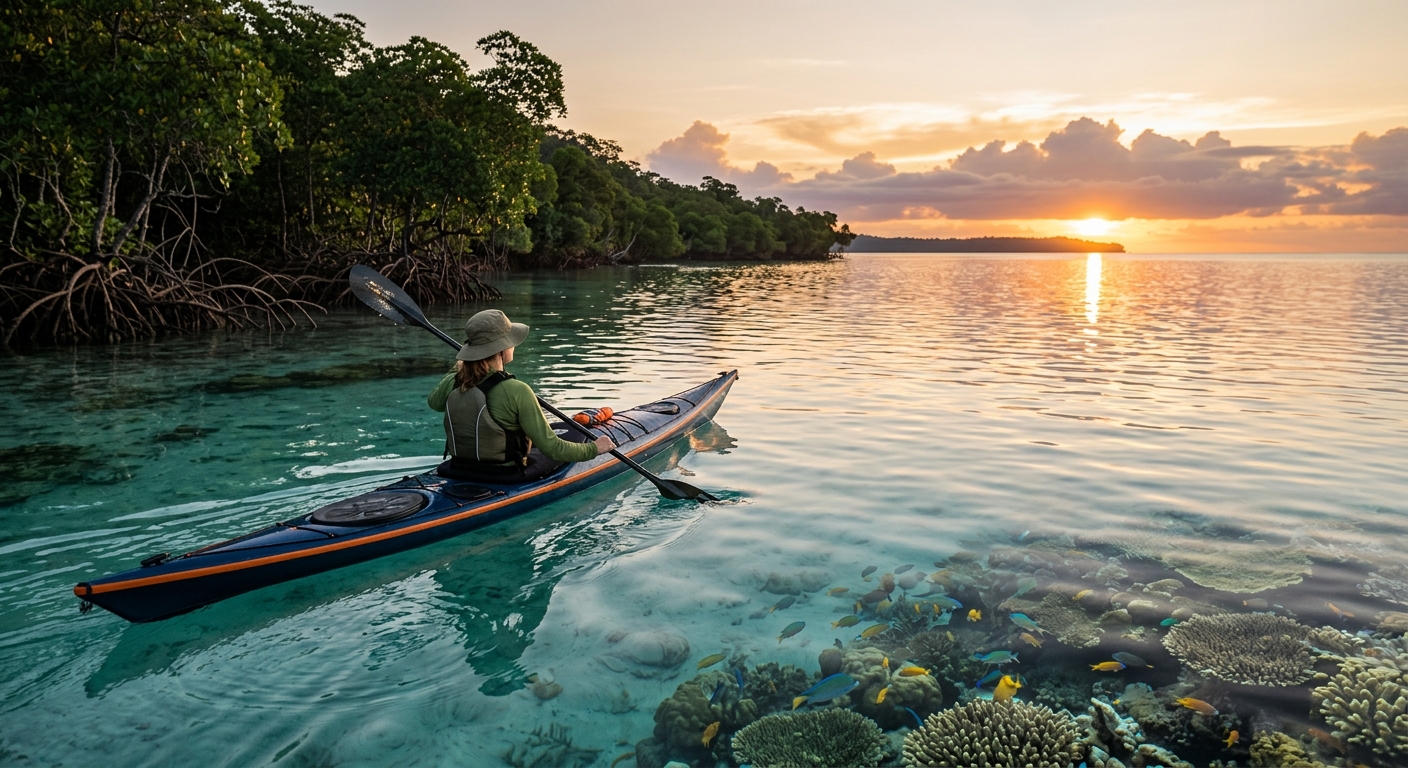
For those drawn to the ocean, the Andaman and Nicobar Islands present world-class marine environments. Havelock Island (now known as Swaraj Dweep) and Neil Island (Shaheed Dweep) feature vibrant coral reefs and exceptionally clear waters, making them premier destinations for scuba diving and sea walking. Specialized adventure tour packages in India for the Andamans cater to both certified divers and beginners seeking PADI (Professional Association of Diving Instructors) certifications.
A typical marine exploration itinerary in the Andamans highlights:
- Modern, world-class dive gear and dedicated boat logistics
- PADI certification programs led by certified dive masters
- Breathtaking encounters with marine life, including dugongs, sea turtles, and rich coral ecosystems
- Exclusive night diving excursions to experience bioluminescent plankton
The administrative focus on marine conservation ensures that the underwater ecosystems remain protected and biologically diverse. By booking dedicated adventure tour packages in India for coastal regions, travelers gain access to remote dive sites and certified instructors who maintain strict compliance with marine safety laws.
Wildlife Expeditions and Eco Safaris
For travelers who prefer wilderness immersion, the national parks and sanctuary networks offer regulated, high-intensity encounters with some of the world’s rarest fauna. These safaris combine the excitement of tracking large predators with a deep appreciation for conservation ecology. Eco-safaris and wild adventure tour packages in India provide structured wildlife encounters that respect conservation laws while delivering a memorable experience.
National Parks and Forest Reserves
India has established a extensive network of protected areas designed to preserve its rich biodiversity. Destinations like Jim Corbett National Park in Uttarakhand and Ranthambore in Rajasthan are famous for their tiger populations. Meanwhile, Kaziranga National Park in Assam protects the endangered one-horned rhinoceros. Participating in these safaris requires strictly regulated bookings, which are often integrated into wild adventure tour packages in India. These packages handle the complex permit processes, vehicle bookings, and mandatory certified forest guides. This structured approach ensures that tourism does not disrupt the fragile habitats while still offering visitors a thrilling, educational experience in the wild. High-quality packages also feature expert naturalists who explain the complex interdependencies of the local ecosystems, raising the experience from a simple wildlife viewing to a deep educational journey. Many reserves also offer walking safaris, providing an intimate way to experience the jungle on foot. The best safari-focused adventure tour packages in India include premium jeep charters and expert tracking guides, ensuring that wildlife viewing remains both ethical and rewarding.
Offbeat Trails and Trekking Corridors
Beyond the famous parks, the country offers remote trekking corridors that wind through ancient forests and pristine meadows. The Western Ghats, a UNESCO World Heritage site, feature biodiverse trails such as the Kudremukh and Chembra Peak treks. In the north, the Parvati Valley near Kasol and the Great Himalayan National Park provide rugged paths that challenge physical endurance. Many adventure tour packages in India now focus on these offbeat trails, offering eco-friendly camping options, local culinary experiences, and sustainable travel practices. These treks allow visitors to disconnect from urban environments and experience the raw beauty of nature without compromising on safety or leaving a heavy ecological footprint. Local communities are heavily involved in these trekking circuits, providing authentic cultural interactions and guiding services that directly support the rural economy. This model ensures that tourism revenue directly benefits local hosts, fostering a mutually beneficial relationship. These sustainable adventure tour packages in India help preserve local culture while providing livelihoods for village guides.
Framework for Selecting Adventure Tour Packages in India
Selecting the right operator requires a systematic evaluation of safety protocols, equipment quality, and staff credentials. This framework helps travelers make informed decisions. A structured choice minimizes the inherent risks of extreme sports while ensuring a rewarding travel experience. Let us analyze the key criteria that should guide your selection of premium itineraries.
Safety Standards and Operational Certifications
The primary consideration when booking adventure tour packages in India must always be safety. Reputable operators should have active affiliations with the Adventure Tour Operators Association of India (ATOAI). This organization sets strict guidelines for risk management, equipment maintenance, and emergency response procedures. Travelers should explicitly ask potential operators about their emergency evacuation plans, the first-aid training of their staff, and the age of their safety equipment. A professional operator will transparently share this information and will not hesitate to explain their safety records. Investing in a package with a certified operator minimizes the risks inherent in extreme outdoor activities. Furthermore, checking if the guides hold valid certifications in Wilderness First Aid (WFA) or Wilderness Advanced First Aid (WAFA) provides an additional layer of confidence when venturing into remote regions. Safety audits of the equipment, such as harnesses for climbing or rafts for river running, should be conducted regularly and documented for client review. Reputable operators who offer high-quality adventure tour packages in India are always transparent about their risk management protocols, ensuring client confidence.
When evaluating an operator, travelers should verify the following essential credentials:
- Active registration with the Ministry of Tourism or local state tourism boards.
- Safety equipment certification details, particularly for climbing gear, rafts, and life jackets.
- Emergency response protocols and clear, documented medical evacuation timelines.
- First-aid qualifications of the accompanying guide team, specifically wilderness responder training.
Physical Conditioning and Difficulty Grading
Every adventure activity carries a specific difficulty rating, from easy walking tours to extreme mountaineering. It is crucial to select adventure tour packages in India that match one’s personal physical fitness level. Overestimating one’s abilities can lead to exhaustion, injury, or evacuation. To help travelers assess their suitability, professional operators use a standardized difficulty grading system. This system classifies activities based on terrain, altitude, daily active hours, and technical skills required. Understanding these grades is essential for a safe and enjoyable expedition. To help travelers align their physical capabilities with the demands of their chosen itinerary, the following table details the standard classification of common adventure activities in India:
| Activity Type | Difficulty Grade | Required Fitness Level | Key Locations in India |
|---|---|---|---|
| White Water Rafting | Moderate to Extreme (Grade II-IV) | Basic swimming ability, good upper body strength | Rishikesh, Ladakh (Zanskar River) |
| High-Altitude Trekking | Demanding to Extreme | High cardiovascular endurance, acclimatization | Ladakh, Himachal Pradesh, Uttarakhand |
| Scuba Diving | Easy to Moderate | Medical clearance, comfortable in deep water | Andaman Islands, Netrani Island (Karnataka) |
| Alpine Skiing / Snowboarding | Moderate to Demanding | Strong core and leg endurance, balance | Auli, Gulmarg (Kashmir) |
Preparing for these graded activities requires a disciplined approach to physical fitness. For moderate treks, cardiovascular preparation through running, swimming, or cycling is highly recommended at least six weeks prior to departure. Demanding high-altitude expeditions require additional strength training focused on the lower body and core. Many adventure tour packages in India provide pre-trip physical training guides and fitness checklists to ensure travelers are adequately prepared. This proactive conditioning not only reduces the risk of injury but also significantly enhances the overall enjoyment of the journey, allowing participants to focus on the spectacular natural environments rather than physical struggle. Additionally, understanding the mental component of endurance is vital, as high-altitude and extreme environments often test psychological resilience just as much as physical strength.
Conclusion
The sector of adventure tourism in India offers an unparalleled diversity of experiences for travelers seeking physical challenge and natural beauty. By choosing structured adventure tour packages in India, adventurers can engage with challenging terrains under the guidance of certified professionals. Whether traversing the arid high passes of Ladakh, skiing down the slopes of Auli, or exploring the coral reefs of the Andaman Islands, the key to a successful journey lies in thorough preparation and selecting the correct tour operator. Utilizing structured packages ensures that safety standards are strictly maintained, allowing travelers to focus entirely on the thrill of exploration. As the industry continues to professionalize, the options for safe, exciting, and ecologically sustainable adventures will only expand, making this the perfect time to plan a high-intensity expedition. Investing in a professionally managed tour guarantees peace of mind, transforming an extreme journey into a life-changing adventure. Therefore, selecting certified adventure tour packages in India remains the definitive way to ensure a memorable, secure, and thrill-filled holiday.