
Executing a successful trip in india under 10000 is not about sacrificing comfort or surviving on instant noodles—it comes down to simple travel math and choosing the right destination relative to your starting location. Most online budget guides list generic destination ideas with vague cost estimates like “₹5,000–₹8,000 per person,” completely ignoring where you are starting from or how much intercity transit costs. In reality, a ₹10,000 per person budget easily covers a full 3-day, 2-night trip including travel, food, stay, and activities—provided your destination sits within an 8-to-12-hour train or bus ride from your starting city.
The Budget Formula for a Trip in India Under 10000
To ensure your total expenditure stays strictly below the ₹10,000 cap without hitting unexpected shortfalls, allocate your funds according to a disciplined category breakdown. Staying on budget requires prioritizing sleeper class or overnight AC bus travel, staying in hostel dorm beds or guesthouses, and dining at local eateries while keeping a non-negotiable emergency buffer.
| Category | Budget Share | Amount (INR) | Strategy |
|---|---|---|---|
| Intercity Transport | 20% – 30% | ₹2,000 – ₹3,000 | Overnight Sleeper Train (SL/3AC) or Volvo/AC Sleeper Bus |
| Accommodation | 20% – 25% | ₹1,500 – ₹2,500 | Hostel Dorm Bed (₹400–₹800/night) or Budget Homestay/Guesthouse |
| Food & Dining | 15% – 20% | ₹1,200 – ₹1,800 | Local dhabas, street food, thalis, budget cafes (₹350–₹500/day) |
| Local Commute / Rentals | 10% – 15% | ₹800 – ₹1,500 | Scooter/Bicycle rentals, shared autos, walking |
| Sightseeing & Activities | 10% – 15% | ₹800 – ₹1,200 | Free entry sights, government-regulated activity bookings |
| Emergency Buffer | 10% | ₹1,000 | Unplanned auto fares, station snacks, UPI backup cash |
4 Detailed Regional Itineraries for a Trip in India Under 10000
Below are four practical 3-day/2-night regional itineraries mapped from four major transit hubs (Delhi, Bengaluru, Kolkata, and Mumbai). All figures reflect verified standard baseline prices as of August 2026 and assume advance booking.
1. North India Hub (Delhi / NCR) – Rishikesh, Uttarakhand
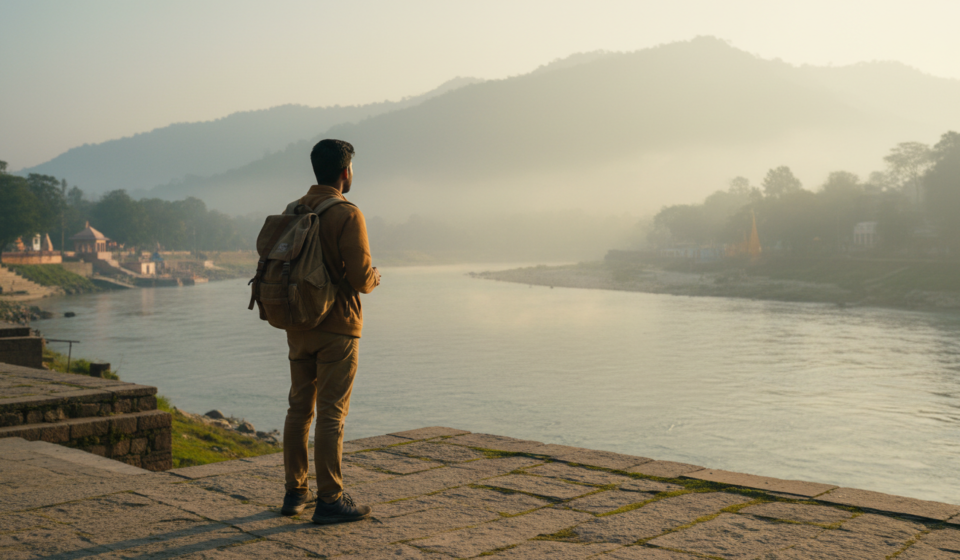
Located roughly 240 km from Delhi, Rishikesh is the ideal short-haul escape for wellness seekers and thrill-seekers. The best time to visit is from October to April. Avoid peak monsoon months (July to August) when river rafting activities are suspended.
Itemised Cost Breakdown (Per Person)
- Intercity Transport: ₹1,200 – ₹1,800 (Overnight Volvo/AC Sleeper Bus from Kashmiri Gate, Delhi to Rishikesh ISBT round-trip: ₹600–₹900 each way).
- Accommodation: ₹800 – ₹1,200 (2 nights in a backpacker hostel dorm in Tapovan, e.g., Zostel, goSTOPS, or The Hosteller at ₹400–₹600/night).
- Food & Meals: ₹1,200 – ₹1,500 (Local thalis at Chotiwala or local dhabas, street food near Ram Jhula, and budget cafes in Tapovan: ₹400–₹500/day).
- Local Transport: ₹500 – ₹800 (Shared auto-rickshaws between ISBT/Rishikesh station and Tapovan: ₹50–₹100/ride; scooter rental: ₹400/day split between two people).
- Sightseeing & Activities: ₹1,150 – ₹1,350 (White-water rafting 16 km Shivpuri to Laxman Jhula: ₹1,000–₹1,200; Beatles Ashram entry: ₹150 for Indian nationals; Neer Garh Waterfall entry: ₹30; Triveni Ghat Aarti: Free).
- Emergency Buffer: ₹1,000.
- Total Estimated Trip Cost: ₹6,050 – ₹7,650
3-Day Actionable Itinerary
- Day 1 (Arrival & Spiritual Heritage): Arrive early morning via overnight bus from Delhi. Check into your hostel in Tapovan. Walk across Ram Jhula and Laxman Jhula (free). Explore Beatles Ashram (84 Kutiya, ₹150 entry) in the afternoon. Head to Triveni Ghat by shared auto for the evening Ganga Aarti (free).
- Day 2 (Adventure & Café Hopping): Take an early morning 16 km white-water rafting run from Shivpuri down to Laxman Jhula (approx. ₹1,000–₹1,200 per person). Have lunch in Tapovan at a local budget café. Take an afternoon walk to Neer Garh Waterfall (₹30 entry). Relax along the riverbanks near Shatrughan Ghat in the evening.
- Day 3 (Sightseeing & Return): Rent a scooter or hire a shared auto up to Kunjapuri Devi Temple for morning panoramic valley views. Return to town to pick up local herbal teas or handicrafts at Tapovan market, and board your evening return bus to Delhi.
2. South India Hub (Bengaluru / Chennai) – Hampi, Karnataka
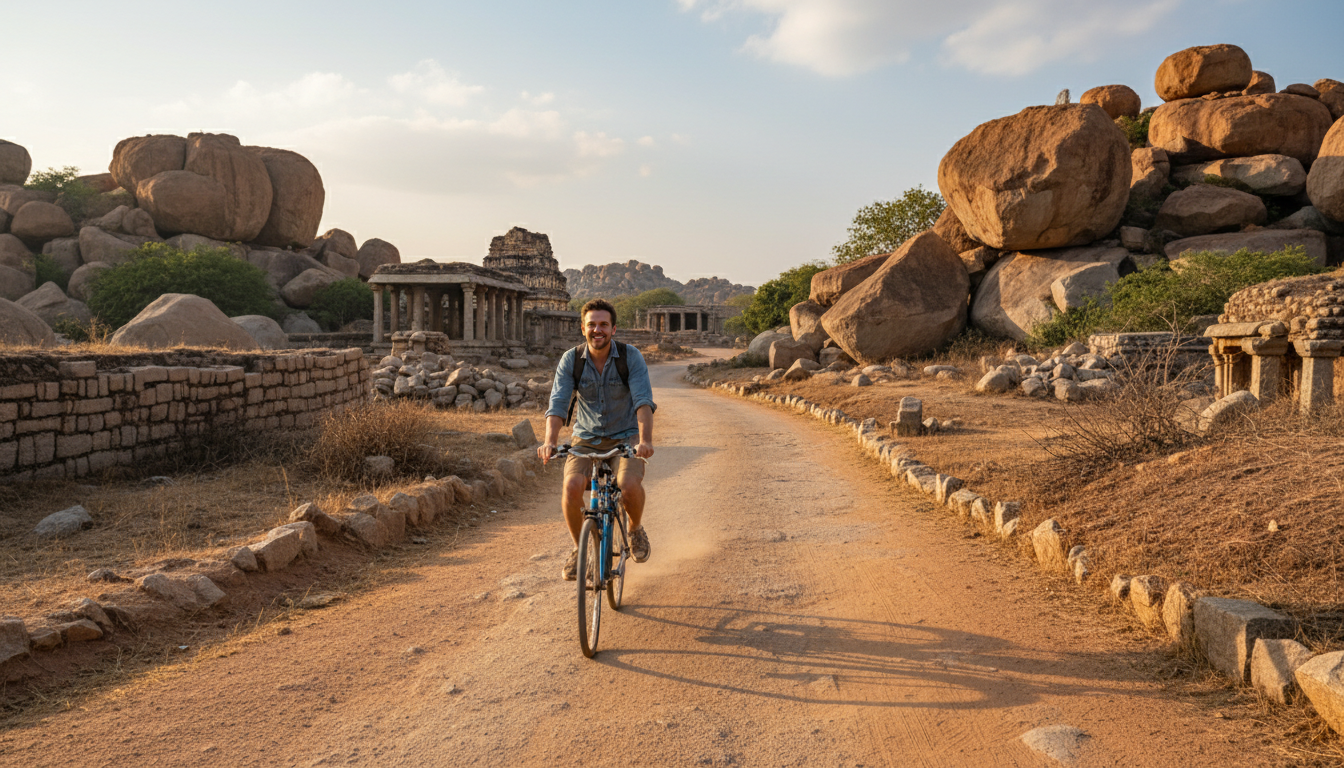
The UNESCO World Heritage site of Hampi sits roughly 340 km from Bengaluru. Its dramatic boulder-strewn landscapes and ancient Vijayanagara ruins make it one of South India’s finest budget destinations. The best time to visit is October to March.
Itemised Cost Breakdown (Per Person)
- Intercity Transport: ₹700 – ₹1,500 (Bengaluru to Hosapete Junction round-trip via Hampi Express Sleeper Class SL: ₹245–₹350 each way; AC 3-Tier: ₹670–₹870 each way. Local KSRTC bus from Hosapete station to Hampi Bazaar: ₹15–₹20 each way). Check IRCTC rail options for availability.
- Accommodation: ₹1,000 – ₹1,600 (2 nights in a budget guesthouse or hostel near Hampi Bazaar / Kamalapur: ₹500–₹800/night).
- Food & Meals: ₹900 – ₹1,350 (South Indian tiffin breakfasts, thalis at local messes, and budget meals at Mango Tree cafe: ₹300–₹450/day).
- Local Transport: ₹500 – ₹800 (Bicycle rental at ₹100–₹150/day or scooter/moped rental at ₹300–₹400/day + public ferry across Tungabhadra River at ₹15–₹20/crossing).
- Sightseeing & Activities: ₹200 – ₹500 (Composite ASI ticket for Vittala Temple, Lotus Mahal, and Elephant Stables: ₹40 for Indian nationals; Virupaksha Temple entry & camera fee: ₹50; Matanga Hill sunset hike: Free).
- Emergency Buffer: ₹1,000.
- Total Estimated Trip Cost: ₹4,300 – ₹6,750
3-Day Actionable Itinerary
- Day 1 (Sacred Center & Sunset): Arrive at Hosapete Junction via overnight sleeper train from Bengaluru. Board the local bus to Hampi Bazaar (₹20). Check in and rent a bicycle (₹100/day). Explore Virupaksha Temple, Kadalekalu Ganesha, and the Hemakuta Hill temple complex. Watch the sunset from Hemakuta Hill (free).
- Day 2 (Royal Center & Monument Hopping): Ride to the Royal Enclosure. Visit Lotus Mahal, Elephant Stables, Queen’s Bath, and the Stepped Tank (ASI entry ticket ₹40). Continue to the iconic Vijaya Vittala Temple complex to see the Stone Chariot and musical pillars. In the evening, climb Matanga Hill for a 360-degree panoramic view of Hampi.
- Day 3 (Anegundi & Sanapur Lake): Take the public ferry across the Tungabhadra River (₹15–₹20) to the Anegundi side. Rent a moped to visit Sanapur Lake and climb Anjanadri Hill (free entry). Return to Hampi Bazaar, pick up your luggage, take the local bus to Hosapete station, and catch the overnight train back to Bengaluru.
3. East India Hub (Kolkata) – Darjeeling, West Bengal
Darjeeling offers iconic views of the Kanchenjunga peak, heritage tea gardens, and crisp mountain air. The best period to visit is from October to May. Avoid the monsoon months of July through September due to frequent landslide risks in the Eastern Himalayas.
Itemised Cost Breakdown (Per Person)
- Intercity Transport: ₹1,300 – ₹2,200 (Kolkata/Sealdah/Howrah to New Jalpaiguri NJP round-trip via Padatik or Darjeeling Mail Sleeper SL: ₹350–₹450 each way; 3AC: ₹950–₹1,200 each way. Shared Jeep from NJP/Siliguri to Darjeeling Clock Tower: ₹300–₹400 each way).
- Accommodation: ₹1,000 – ₹1,600 (2 nights in budget guesthouses near Gandhi Road/Zakir Hussain Road or backpacker dorms like Zostel Darjeeling: ₹500–₹800/night).
- Food & Meals: ₹1,050 – ₹1,500 (Momos, thukpa, and budget Nepali/Tibetan meals at Kunga, Sonam’s Kitchen, or local tea stalls: ₹350–₹500/day).
- Local Transport: ₹400 – ₹600 (Shared jeeps for local sightseeing and walking around Mall Road / Chowrasta).
- Sightseeing & Activities: ₹250 – ₹450 (Tiger Hill shared jeep ride: ₹200; Padmaja Naidu Himalayan Zoological Park & Himalayan Mountaineering Institute HMI entry combo: ₹110; Happy Valley Tea Estate walk: Free). Note: The UNESCO Toy Train Joy Ride costs ₹1,000–₹1,500 and will strain a tight 10k budget; take the local passenger train to Ghum for ₹50 as an affordable alternative.
- Emergency Buffer: ₹1,000.
- Total Estimated Trip Cost: ₹5,000 – ₹7,350
3-Day Actionable Itinerary
- Day 1 (NJP Arrival & Mall Road): Arrive early morning at NJP Railway Station. Board a shared jeep up to Darjeeling (3.5–4 hours, ₹300–₹400). Check into budget lodging near Mall Road. Spend the afternoon walking around Chowrasta, visiting Mahakal Temple on Observatory Hill (free), and trying hot momos at Kunga Restaurant.
- Day 2 (Tiger Hill Sunrise & Himalayan Sights): Join a 4:00 AM shared jeep trip to Tiger Hill for Kanchenjunga sunrise views (approx. ₹200 per person). Stop at Batasia Loop and War Memorial on the way back. Afternoon visit to HMI and the Padmaja Naidu Zoo (₹110 combo ticket). Walk through Happy Valley Tea Estate in the late afternoon.
- Day 3 (Ghum Excursion & Return): Take the local passenger train or shared jeep to Ghum to visit Yiga Choeling Monastery. Head back to Darjeeling town, collect your luggage, take a shared jeep down to Siliguri/NJP station, and board your overnight train back to Kolkata.
4. West India Hub (Mumbai / Pune) – Gokarna, Karnataka
For travellers based in Mumbai or Pune, Gokarna is an affordable alternative to North Goa. Its pristine beaches, cliffside trails, and laid-back hostels fit perfectly within a limited budget. The ideal time to visit is from October to March.
Itemised Cost Breakdown (Per Person)
- Intercity Transport: ₹1,200 – ₹2,200 (Mumbai LTT/CSMT to Gokarna Road Station round-trip via Matsyagandha Express Sleeper Class SL: ₹350–₹500 each way; 3AC: ₹950–₹1,200 each way. Shared auto from Gokarna Road station to Gokarna Town/Kudle: ₹200–₹300 split).
- Accommodation: ₹1,000 – ₹1,800 (2 nights in beach hostel dorms or budget beach shacks at Kudle/Gokarna Town, e.g., Zostel Gokarna, Trippr, or local guesthouses: ₹500–₹900/night).
- Food & Meals: ₹1,200 – ₹1,800 (Seafood shacks, local Karnataka thalis, and budget cafes at Kudle/Om Beach: ₹400–₹600/day).
- Local Transport: ₹600 – ₹1,000 (Scooter rental at ₹300–₹500/day + petrol; or shared autos). For travellers who prefer structured trips with dedicated vehicles, reviewing private tour packages in India provides a helpful benchmark for local car pricing.
- Sightseeing & Activities: ₹100 – ₹300 (Gokarna 5-Beach Trek connecting Kudle, Om, Half Moon, Paradise, Belekan beaches: Free; Mahabaleshwar Temple visit: Free; Mirjan Fort entry: ₹25).
- Emergency Buffer: ₹1,000.
- Total Estimated Trip Cost: ₹5,100 – ₹8,100
3-Day Actionable Itinerary
- Day 1 (Beach Arrival & Kudle Sunset): Arrive at Gokarna Road Railway Station via overnight train from Mumbai. Take a shared auto to Gokarna town or Kudle Beach. Check into your beach hostel. Visit the ancient Mahabaleshwar Temple, then spend the evening watching the sunset along Kudle Beach.
- Day 2 (The 5-Beach Hopping Trek): Start early for the famous 12 km Gokarna Beach Trek. The trail route runs: Kudle Beach → Om Beach → Half Moon Beach → Paradise Beach → Belekan Beach. Have lunch at an Om Beach shack. Take a motorboat back from Paradise Beach to Om Beach (₹200–₹300) if tired, or trek back.
- Day 3 (Mirjan Fort & Departure): Rent a scooter (approx. ₹350–₹500/day). Drive 22 km to explore the 16th-century red-laterite Mirjan Fort (entry ₹25). Return to town for a final coastal meal, head to Gokarna Road station, and board the overnight train back to Mumbai.
Essential Hacks to Keep Your Trip in India Under 10000
Executing a budget trip requires smart operational choices before and during your journey. Incorporate these five proven travel rules to keep costs well below the target mark:
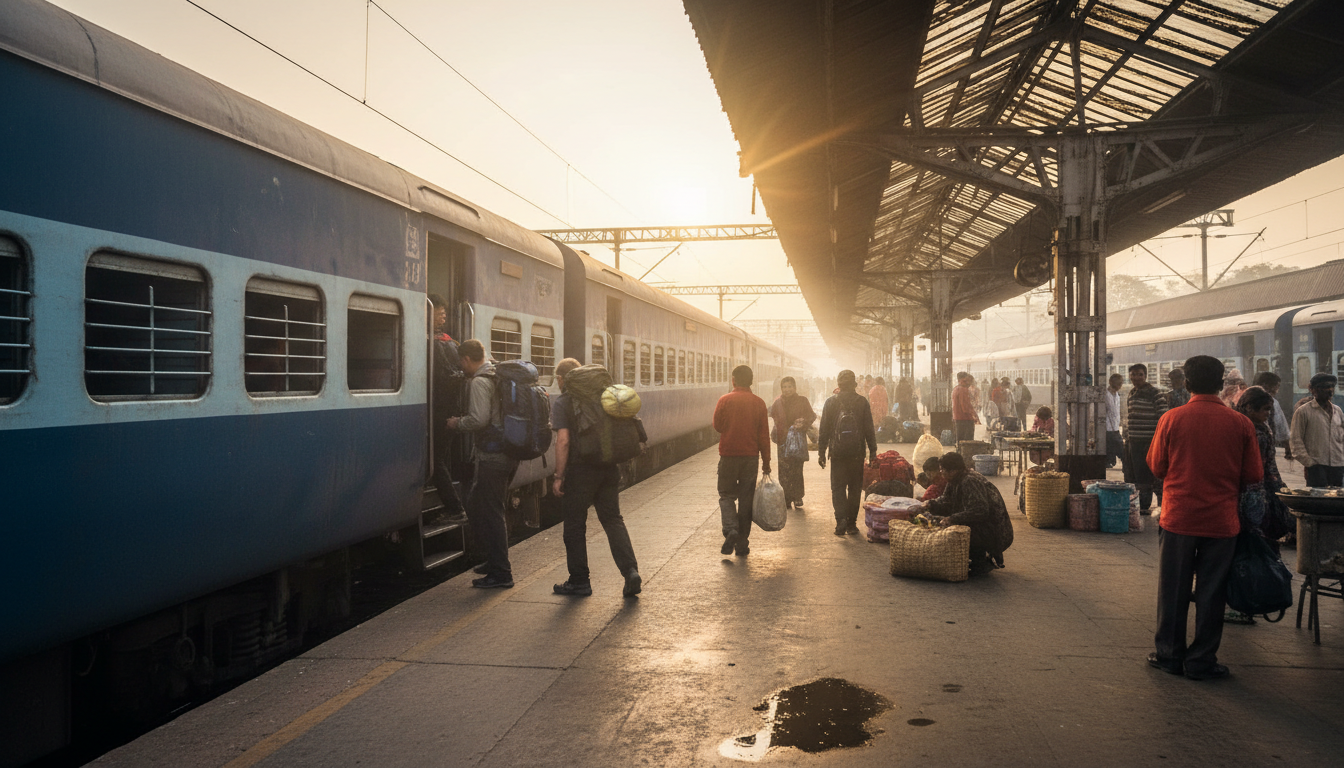
- The Overnight Transit Rule: Always opt for overnight sleeper trains (SL class) or overnight AC sleeper buses. Travelling overnight saves you the cost of two full nights in a hotel while ensuring you wake up directly at your destination ready to explore.
- Book Hostels and Guesthouses Direct: Hostel franchises (Zostel, The Hosteller, goSTOPS) and local family guesthouses frequently offer lower rates when booked directly through their official websites or WhatsApp inquiries, avoiding third-party OTA commissions.
- Travel Mid-Week: Avoid Friday-to-Sunday travel whenever possible. Weekend demand spikes bus fares and hostel dorm pricing by 30% to 50%.
- Bypass the Station Taxi Trap: Never hire private auto-rickshaws or cabs waiting directly inside train station parking lots or bus terminals. Walk 200–300 metres outside the station gates to find metered autos, shared jeeps, or public bus stands.
- Choose Two-Wheelers Over Taxis: In spread-out tourist towns like Gokarna, Hampi, and Rishikesh, private taxi operators charge premium rates. Renting a scooter (₹300–₹500/day) or a bicycle (₹100–₹150/day) reduces your internal transport costs by up to 60%.
Common Traps and Hidden Costs to Avoid
Even well-planned budgets can break if you fall into predictable spending traps on the ground. When evaluating options, consulting a tour package inclusions checklist can help you spot hidden expenses before setting out.
Watch out for these frequent financial drains:
- Auto-Union Minimum Charges: Drivers at transport hubs like Hosapete, NJP, or Gokarna Road often demand flat rates of ₹300–₹600 for short 5 km rides. Always check for local KSRTC buses or shared jeeps servicing the exact same route for ₹15–₹50.
- Overpriced Activity Markups: Desk agents at hotels and private travel booths often mark up white-water rafting, boat rides, or local guide services by 40% to 100%. Always book activities directly at authorized government counters or registered operator desks (such as the official Rafting Association counters in Tapovan, Rishikesh).
- High-End Tourist Cafes: Ordering ₹300 artisanal coffees and ₹400 sandwiches twice a day will quickly drain your food budget. Limit trendy café visits to once a day for the ambiance, and rely on local dhabas, South Indian messes, or Tibetan eateries for main meals (₹100–₹180 per full meal).
Frequently Asked Questions
Is ₹10,000 per person really enough for a 3-day trip in India?
Yes. Provided you travel via sleeper class train or overnight bus, stay in backpacker hostel dorms or budget guesthouses, eat at local eateries, and use shared transport or scooter rentals, a 3-day/2-night trip comfortably costs between ₹5,000 and ₹8,000 per person.
Does a ₹10,000 budget include flight tickets?
No. Round-trip domestic flights in India typically cost ₹6,000 to ₹12,000 alone. A total budget of ₹10,000 relies on rail or road transit within an 8-to-12-hour travel radius of your home city.
Can couples travel together under ₹10,000 total?
A combined ₹10,000 budget for two people (₹5,000 per person) is possible for a short 2-day trip if you share a budget private guesthouse room (₹800–₹1,000/night) and travel via sleeper class trains. For a comfortable 3-day trip, a budget of ₹10,000 per person (₹20,000 total per couple) allows for mid-range private rooms and better dining.
Are backpacker hostels safe for solo female travellers on a budget?
Reputable hostel chains such as Zostel, goSTOPS, Moustache, and The Hosteller offer dedicated female-only dormitories equipped with electronic keycard entry, personal lockers, 24/7 reception, and verified staff, making them safe, secure, and cost-effective options for solo women travellers.