The Ultimate Varanasi Itinerary: How to Plan the Perfect 2 to 3 Day Spiritual Trip

Varanasi stands as one of the oldest living cities in the world. Located on the banks of the sacred Ganges river, this destination attracts travellers seeking profound cultural immersion. A well-structured Varanasi itinerary ensures that visitors experience the intense spiritual depth and historical significance of the region without succumbing to the common pitfalls of disorganised travel. Planning a visit requires careful consideration of timing, logistics, and site prioritisation.
Key Takeaways
- Best Time to Visit: October to March offers the most comfortable weather for exploring.
- Essential Activities: Prioritise the sunrise boat ride and the evening Ganga Aarti ritual.
- Sarnath Side Trip: Dedicate half a day to Sarnath for a peaceful, historical contrast.
- Local Commuting: Rely on cycle and electric rickshaws to navigate the congested old city streets.
- Cultural Dress Code: Always wear modest clothing covering shoulders and knees when visiting temples.
Essential Logistics for a Varanasi Trip
Successful navigation of the city begins with understanding its unique geography and transportation constraints. The city layout near the ghats (riverside steps) is dense, often requiring travel by foot or cycle rickshaw. Proper preparation reduces stress during your stay.
- Best time to visit: October to March offers the most comfortable weather for exploring outdoor sites.
- Local transport: Cycle rickshaws and electric rickshaws serve as the primary modes of transport within the old city.
- Accommodation: Staying near the Dashashwamedh Ghat or Assi Ghat provides immediate access to major attractions.
- Connectivity: The Lal Bahadur Shastri International Airport is located approximately 25 kilometres from the city centre.
Travellers should consider the following comparison when deciding where to base their stay, as location dictates the pace of the entire visit.
| Area | Key Characteristics |
|---|---|
| Near Dashashwamedh | Central, high foot traffic, proximity to major evening rituals. |
| Near Assi Ghat | Slightly quieter, popular with researchers and long-term visitors. |
To help you estimate your expenses and plan your budget, here is a breakdown of estimated costs for common activities in Varanasi:
| Activity / Service | Estimated Cost (INR) | Practical Tips |
|---|---|---|
| Private Sunrise Boat Ride | ₹500 – ₹1,500 | Always negotiate and agree on the final price before boarding. |
| E-Rickshaw Short Ride | ₹50 – ₹100 | Share rides to reduce costs, or hire a private one for convenience. |
| Kashi Vishwanath Temple Entry | Free (General) / ₹300 (VIP) | Carry a physical ID card; electronic items are prohibited. |
| Sarnath Archaeological Site Entry | ₹25 (Indians) / ₹300 (Foreigners) | Hire a local guide at the ticket counter to enrich your experience. |
Day 1 – Immersion in the Sacred Atmosphere
The first day focuses on the heart of the city along the riverbanks. Early mornings in Varanasi offer a distinct experience, as the city slowly wakes up to the rhythm of prayers and ritual bathing.
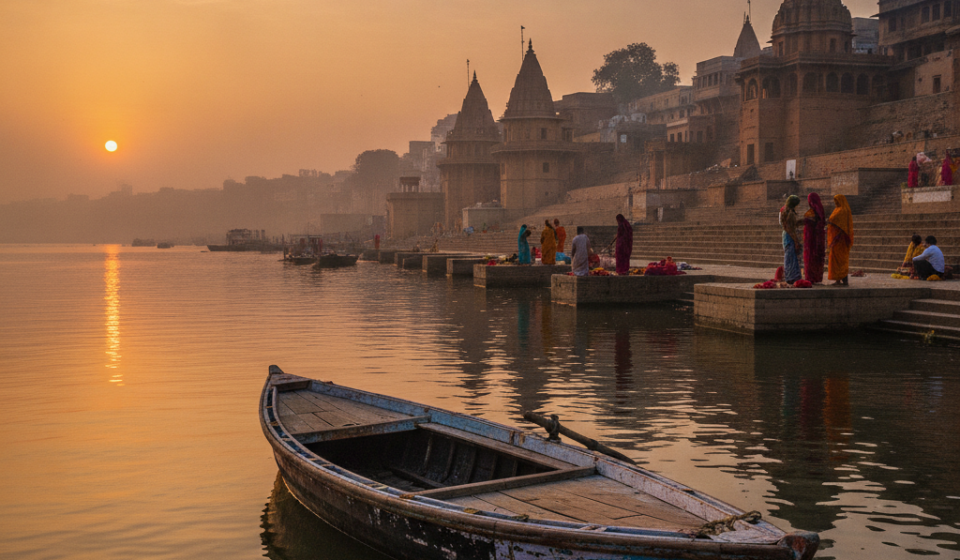
Sunrise Boat Ride
Commencing the day at sunrise provides a unique perspective on the city from the water. A private boat rental allows you to experience the following:
- Observe the daily spiritual and bathing activities of devotees at the various ghats.
- Witness the architectural evolution of the centuries-old riverfront palaces.
- Capture the morning golden light reflecting off the sacred temples and historic steps.
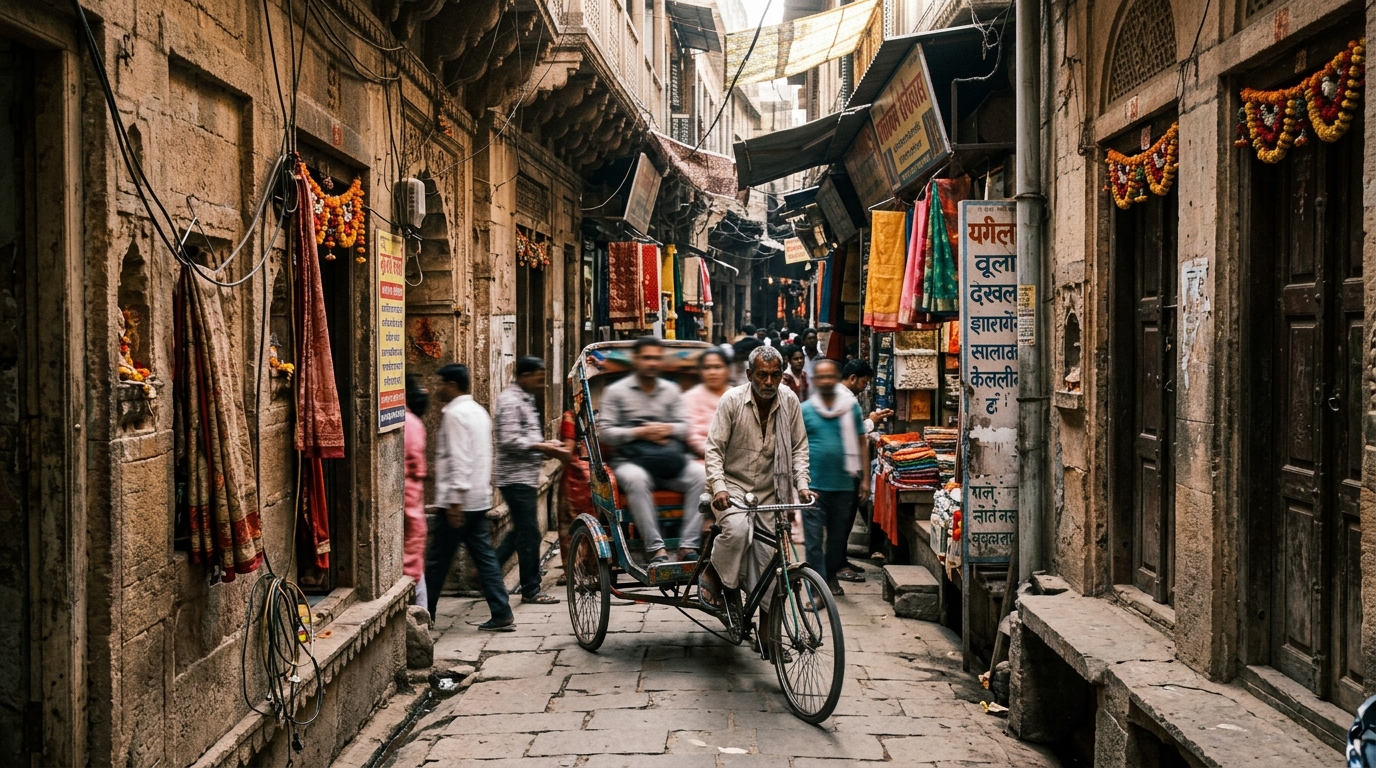
Exploration of the Old City
Following the boat ride, walking through the narrow lanes (gali) is essential. These pathways connect the main temples and offer glimpses into the traditional craftsmanship of the region, including famous Banarasi silk weaving. It is here that one truly encounters the living history of the urban core.
Evening Ganga Aarti
The Ganga Aarti at Dashashwamedh Ghat is a daily highlight. This highly orchestrated ritual involves priests performing ceremonies with fire, incense, and bells. Arriving early is advisable, as the viewing areas fill rapidly before the start time at sunset.
Day 2 – Historical and Cultural Deep Dive
The second day expands the scope beyond the immediate riverfront. This includes visits to significant religious sites that define the city’s identity as a centre for learning and devotion.
Kashi Vishwanath Temple
Often referred to as the Golden Temple, this site remains the most significant religious landmark in the city. Visitors must follow specific security protocols, so carrying minimal belongings is recommended. The surrounding corridors have undergone extensive renovation to improve accessibility for pilgrims and tourists alike.
Visit to Sarnath
Located roughly 10 kilometres from the city centre, Sarnath marks the place where the Buddha delivered his first sermon. The archaeological site features several key points of interest:
- Dhamek Stupa: The massive, sacred stupa built to mark the exact spot where Buddha preached.
- Chaukhandi Stupa: An ancient brick structure commemorating Buddha’s meeting with his first disciples.
- Archaeological Museum: Home to the iconic Lion Capital of Ashoka and exquisite Buddhist sculptures.
- Monastery Ruins: Historical ruins that date back over two thousand years, reflecting a rich monastic past.
The stillness of the Sarnath grounds provides a meditative counterpoint to the vibrant, and often overwhelming, energy of the main Varanasi city centre.
Day 3 – Perspectives and Reflection
If your schedule permits a third day, this time is best utilised by visiting locations that provide broader cultural context. Reflection is an integral part of the travel experience here.
Banaras Hindu University and Bharat Kala Bhavan
The university campus spans a vast area and houses the Bharat Kala Bhavan. This museum maintains an extensive collection of Indian art, textiles, and historical artefacts. It is a critical stop for those interested in the artistic heritage of the region.
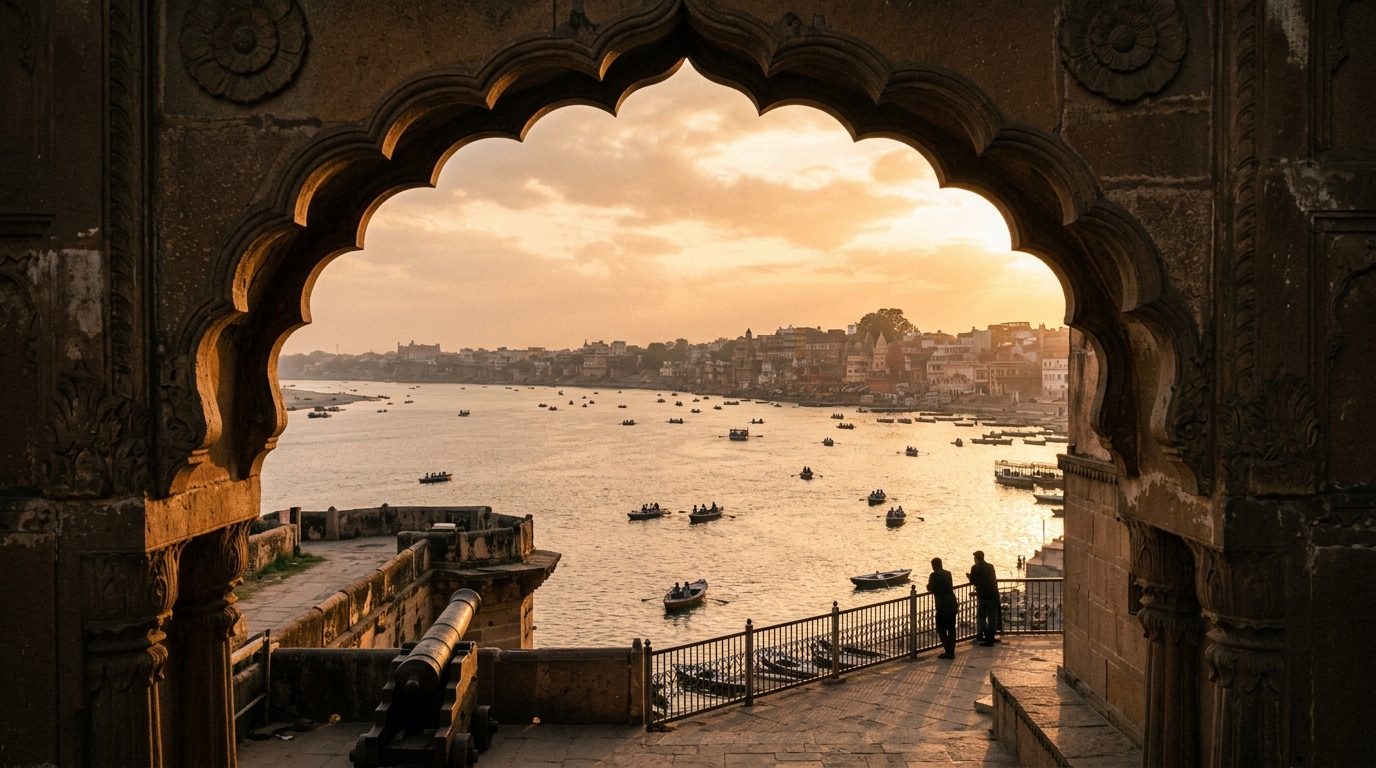
Afternoon at Ramnagar Fort
Situated on the opposite bank of the Ganges, this 18th-century fort offers an excellent view of the riverfront. The museum within the fort displays an eclectic collection of vintage cars, weaponry, and royal possessions. The late afternoon light provides the best conditions for photography across the river.
FAQs
Is Varanasi safe for solo travellers?
Varanasi is generally safe, though it requires the same common-sense precautions used in any major global city. Navigating the narrow, crowded lanes at night is better done with a guide or via well-lit main thoroughfares.
Are there dress codes for temples?
Yes. Modest clothing is expected. Both men and women should ensure their shoulders and knees are covered when entering any temple premises.
What is the best way to handle local guides?
Official guides are available, and using them helps manage expectations regarding tips and itineraries. Always confirm the scope of the tour and the fee before departing from your hotel or meeting point.
Can visitors witness the cremation ceremonies?
Public cremation ghats like Manikarnika are active sites of mourning. Visitors should always maintain a respectful distance, keep cameras away, and refrain from intrusive photography, which is strictly prohibited out of respect for the grieving families.
Conclusion
A successful Varanasi itinerary balances structured sightseeing with the flexibility to absorb the city’s unique pace. By prioritising key landmarks like the Kashi Vishwanath temple and the river rituals, travellers can create a meaningful experience. This city rewards patience and observation. Whether you are studying the history at Sarnath or watching the evening fires at the ghats, the depth of this destination is best understood by those who approach it with purpose and respect. For further assistance in planning your travel, please visit our services page to see how we can help coordinate your visit.