

How Embassies Verify Bank Statements for Visa Applications: Verification Methods, QR Codes, and Common Pitfalls for Indian Applicants

Securing an international visa requires more than a valid passport and travel tickets. It demands unquestionable proof of financial self-sufficiency, which makes the bank statement a critical element of the application process. For many Indian travelers, understanding how embassies verify bank statements is the difference between an approved trip and an abrupt rejection. Consular officers must ensure that every applicant possesses sufficient capital to cover all expenses without resorting to illegal employment abroad. To achieve this, diplomatic missions have established rigorous systems to validate the authenticity of every submitted document. The transition from traditional physical stamps to real-time digital databases has changed the way consulates operate. Consequently, applicants must comprehend these validation systems to present a flawless profile.
Key Takeaways: How Embassies Verify Bank Statements
- Multi-Channel Verification: Embassies verify applicant funds through a combination of manual inquiries, digital verification portals, and secure API data sharing.
- Automated QR Code Security: Verifiable QR codes printed on modern bank statements allow consular officers to immediately retrieve official, tamper-proof balances.
- Focus on Capital Stability: Sudden cash deposits (ad hoc funding) without a documented trail are flagged as severe risks and are a primary cause of rejection.
- Requirement for Official Seals: Unless supported by certified digital signatures, visa statements must be physically signed and stamped by an authorized branch manager.
- Severe Penalty of Forgery: Filing a fake bank statement leads to a permanent ban, international shared warnings, and potential domestic legal action.
The Crucial Role of Financial Documentation in Visa Approvals
Consulates rely heavily on financial documentation to evaluate economic ties. When reviewing documents, knowing how the verification process works provides clarity on consular skepticism. Consular officers must be certain that the funds are genuine and accessible. This process is far more thorough than many realize. For Indian applicants, submitting a flawless visa application bank statement is therefore paramount. Consulates evaluate financial viability by analyzing clear indicators:
- Asset Verification: Confirming that the presented money actually belongs to the applicant and is not temporarily borrowed.
- Guaranteed Return: Ensuring a robust financial portfolio acts as an anchor, guaranteeing the traveler will return home.
- Global Standards: Maintaining a standardized financial verification system across major global hubs like VFS Global.
As reported by VFS Global, incomplete financial files remain a primary cause of visa delays.
How Embassies Verify Bank Statements: The Core Investigative Channels
The manual and physical verification of financial papers remains a vital part of the immigration review. While automated systems are increasing, consular departments still utilize direct communication channels with financial organizations. This dual investigative framework defines how embassies verify bank statements in high-risk scenarios and regular processing. When an officer detects an anomaly, they initiate a manual check rather than relying solely on automated approval systems. This process ensures that banks confirm the exact balance details as of the date of the application. Understanding this operational background helps applicants maintain clean accounts.
| Verification Method | Operational Mechanism | Average Speed |
|---|---|---|
| Direct Bank Inquiry | Embassy staff contacts the branch manager via registered email or direct phone lines. | 24 to 48 hours |
| Automated QR Scanning | Consular systems scan the statement’s secure QR code to load a read-only portal. | Instant |
| Inter-Bank Network Check | System cross-references data with centralized clearinghouse databases. | 12 to 24 hours |
| Read-Only API Integrations | Third-party partners extract certified statements directly from bank servers with secure logins. | Instant |
Direct Inquiries to Issuing Banks
When questionable transactions arise, the embassy bank verification unit may contact the issuing bank directly. This direct line of inquiry is fundamental to how embassies verify bank statements when doubts persist. Consular staff use dedicated email channels or telephone lines to speak directly with bank branch managers. This cooperative framework clarifies how bank employees verify these documents without breaching customer confidentiality laws. Banks will verify whether the account holder’s name, account number, and balance match the submitted paperwork. This manual lookup is a traditional yet highly effective security measure that prevents basic forgery from succeeding. Consulates maintain database directories of bank branches across major Indian cities. This network allows verification officers to rapidly contact the correct branch manager (often within 24 to 48 hours).
Inter-Bank Verification Networks and Databases
Under formal bilateral and multilateral agreements, embassies send official verification requests to centralized banking networks. This structured approach highlights how embassies verify bank statements during deep background checks. Certain high-security consulates have access to banking clearinghouses or secure governmental verification protocols. This inter-bank network explains the security verification of accounts from Indian cooperative banks and public sector units efficiently. Through these secure links, consulates can quickly cross-reference statement details with official banking databases. This system ensures that even if an individual attempts to alter a physical document, the electronic record remains unchanged and secure.
Modern Digital Solutions: QR Codes and Automated Verification Systems
As digital infrastructure improves, how embassies verify bank statements has shifted toward automated technological solutions. Consulates now employ software that can instantly parse documents and flag anomalies in seconds. This digital transition represents a major shift in verification methods, moving away from slow, manual verification workflows. Today, digital verification tools check security features, font consistency, and metadata of electronic files. This automated scanning allows consulates to handle thousands of applications daily during peak holiday seasons. Integrating electronic databases allows instant confirmation, shaping how embassies verify bank statements in modern consular offices.
Under these modern workflows, systems execute several steps to validate accounts:
- Automatic scanning of physical document secure elements.
- Instant cross-referencing with authorized banking portals.
- Flagging transaction histories that fall outside typical consumer behavior.
The Operational Role of Secure QR Codes
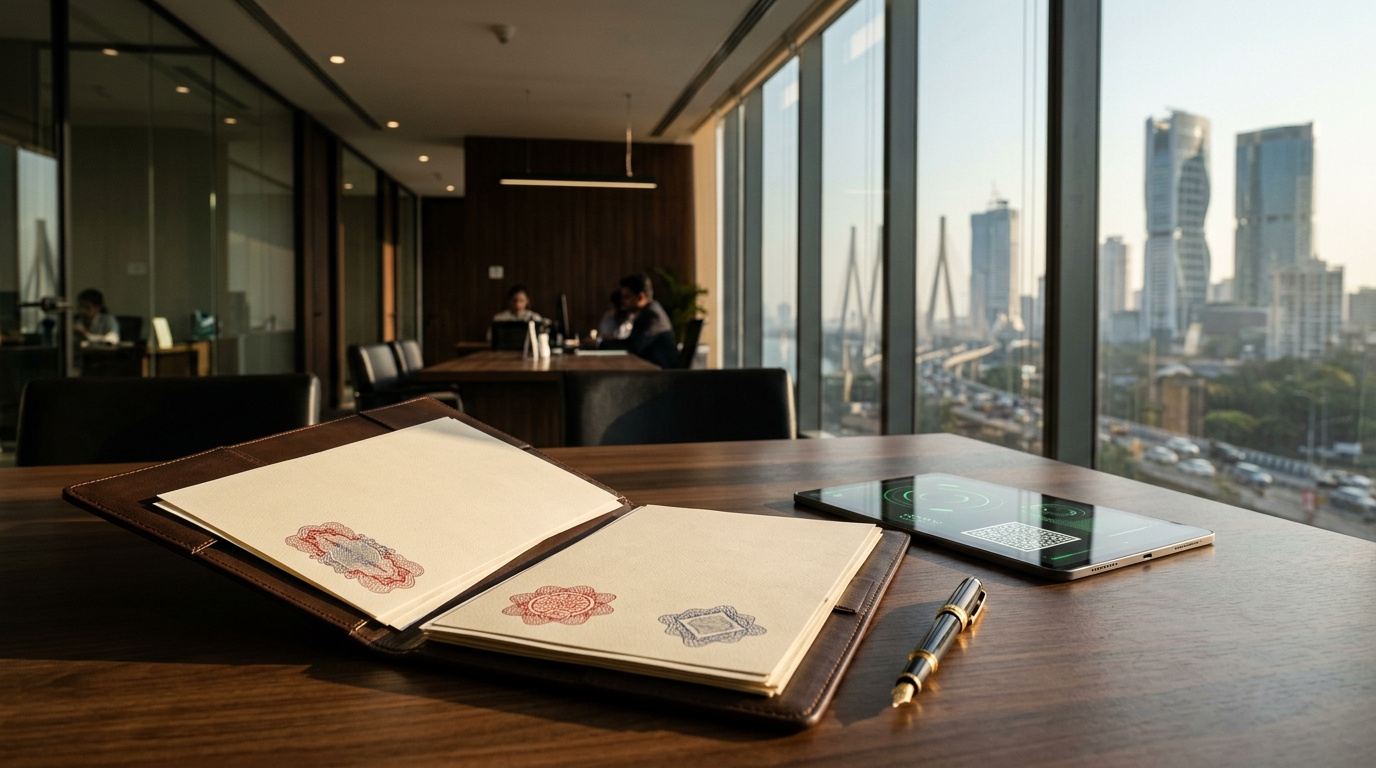
Most major Indian banks now print secure QR codes on official statements. This secure scan mechanism illustrates how embassies verify bank statements instantly without manual phone calls. When a consular assistant scans the QR code using a verified device, they are redirected to a secure bank portal. This portal displays a read-only, tamper-proof version of the applicant’s statement. Scanning these codes proves the authenticity of these accounts with absolute precision. This technology prevents applicants from using photo editing software to modify balance figures. The presence of a verifiable QR code has become a standard requirement for major European and North American visa applications. This technology reduces overall processing times.
Third-Party API Integrations and Net Banking Verification
Certain consulates employ third-party services that require secure net banking verification. This methodology changes the document validation process by using read-only API feeds. During the application process, the applicant logs into their account through a secure portal managed by an authorized vendor. The system then extracts the certified history directly from the bank’s servers. Evaluating these digital systems shows how embassies verify bank statements to eliminate forged paper documentation entirely. This system is highly secure, as the consulate never sees or stores the login credentials. It merely receives a certified financial report containing verified transaction history and balances.
What Specific Financial Metrics Do Consular Officers Evaluate?
Consular scrutiny goes far beyond checking the final account balance. To understand how embassies verify bank statements, one must analyze the specific metrics targeted during financial verification for visa approvals. Consulates do not merely look at a single number; they evaluate the overall health of the account. They seek to understand the applicant’s financial behavior over a period of three to six months. This holistic analysis shows how financial audits detect artificial balance inflation. By analyzing transaction frequencies, income sources, and daily balances, officials build a comprehensive economic profile of the traveler.
| Verification Metric | Standard Consular Expectation | Consular Purpose |
|---|---|---|
| Monthly Balance Consistency | Stable balance matching 3-6 times expected expenses | Ensures applicant can sustain travel without working illegally. |
| Income Source Traceability | Clear, traceable transfers from payroll or business | Confirms genuine professional employment and steady revenue. |
| Transaction Frequency | Regular, active debit and credit history | Prevents “sleeping accounts” resurrected only for visa checks. |
| Sudden Large Deposits | None, unless backed by official sale/gift deeds | Blocks ad hoc funds borrowed temporarily to pass checks. |
Identifying Legitimate Revenue Patterns
A stable monthly income indicates a reliable economic background. Consular units evaluate these steady patterns, illustrating how embassies verify bank statements to confirm legitimate employment. A consistent visa application bank statement must reflect these realistic economic activities. For salaried employees, the monthly salary credit must align with the employment letter. For business owners, the business accounts must show steady operational revenues. This detailed examination reveals the challenges of verifying statements for self-employed professionals. Any deviation, such as a missing salary credit or an unexplainable dip in monthly cash flow, can lead to rejection.
Analyzing Minimum Balance Thresholds and Fund Origins
Sudden unexplained spikes in the balance trigger immediate red flags. This scrutiny highlights how financial officers audit sudden capital shifts. Consulates require that the minimum balance remains stable throughout the mandated period. If a large sum of money is deposited shortly before submission, the applicant must provide a clear origin trail. By requiring proof of the origin of these funds, consulates explain how embassies verify bank statements to prevent fraudulent applications. Whether the money is from a property sale, a maturity of a fixed deposit, or a gift from a relative, every transaction must be supported by official proof.
Common Pitfalls and Errors Made by Indian Visa Applicants
Indian applicants frequently experience visa rejections due to preventable financial documentation errors. Analyzing how embassies verify bank statements helps identify these critical errors, which typically stem from a lack of preparation or a fundamental misunderstanding of verification protocols. Key mistakes include:
- Unexplained Capital Influx: Borrowing money from friends to artificially inflate the bank balance just before the visa appointment.
- Missing Supplementary Accounts: Failing to provide physical or digital statements for secondary accounts listed in the cover letter.
- Incomplete Financial Planning: Poor preparation and neglecting basic verification protocols or required documentation steps.
Unexplained Large Deposits and Ad Hoc Funding
Depositing a massive lump sum just before applying is a major mistake. This practice triggers automated alerts under the systems explaining how embassies verify bank statements. Consular officers call this “ad hoc funding,” and it is one of the most common causes of visa rejection. The lack of financial history for that lump sum complicates the verification process for the visa candidate. If a relative transfers money to your account, you must present a gift deed or a sponsor letter. Without this, consulates assume the money is borrowed temporarily to deceive them, which leads to immediate refusal.
Submitting Unofficial or Uncertified Statements
Providing simple internet printouts without bank stamps is highly risky. Understanding how embassies verify bank statements reveals that certified paper trails are mandatory. Some applicants assume a simple PDF downloaded from a mobile app is sufficient, but consulates require official certification. This certified document verification process remains a primary component of financial security checks globally. Every statement must be printed on official bank stationery, stamped, and signed by an authorized bank officer. This rule is waived only if it contains a verifiable digital signature or QR code. Neglecting this simple step can lead to administrative delays or outright rejection.
The Severe Repercussions of Submitting a Fake Bank Statement Visa
Attempting to deceive consular officers by submitting a fake bank statement visa carries severe penalties. Consular departments have advanced capabilities, showing how embassies verify bank statements to catch fraud instantly. The financial verification process is not a simple formality. Understanding how embassies verify bank statements reveals that fraudulent filings lead to immediate and severe repercussions:
- Immediate Visa Denial and Rejection: Consulates immediately flag and refuse current and future applications.
- Temporary or Permanent Blacklisting: High-security countries will blacklist the applicant for up to 10 years or permanently.
- Legal Prosecution: Forgery and fraudulent documentation can lead to criminal prosecution under Indian fraud regulations.
- Shared Security Databases: Inter-governmental databases distribute fraudulent logs globally, impacting visa requests for multiple friendly countries.

Strategic Best Practices for Indian Applicants Preparing Financial Records
To guarantee a seamless application process, travelers must align their documentation with modern verification systems. Knowing how embassies verify bank statements enables applicants to prepare their portfolios proactively. Ensure that all funds remain untouched for at least six months prior to applying, avoiding any sudden shifts. If large transactions must occur, secure the necessary supporting documentation immediately. For professional visa assistance, consulting dedicated visa services is highly beneficial. Applicants can consult professional visa services to align their financial portfolios with consular expectations. This ensures that every bank statement conforms to the strict guidelines of the target embassy, eliminating unnecessary stress.
When preparing records, applicants should adhere to the following baseline rules:
- Maintain a stable balance without sudden deposits or withdrawals.
- Ensure all statements are stamped and signed on official bank stationery.
- Accompany all non-salaried deposits with legitimate transactional proof.
FAQs
Understanding the intricate details of financial verification can raise several practical concerns. Here are the most common questions regarding consular checks.
Do all global consulates utilize identical methods for how embassies verify bank statements?
No, verification protocols vary considerably depending on the destination country and the consulate’s resources. While the exact software varies, the fundamental rules of how embassies verify bank statements remain consistent globally. High-volume Schengen consulates and North American missions rely heavily on automated digital verification and QR code parsing. Conversely, smaller consulates or those handling niche visa categories might utilize traditional manual phone calls or verification emails. Regardless of the specific technology, every mission focuses on identifying unexplained transaction spikes and confirming the liquid availability of declared funds.
Can a visa application get delayed if a bank fails to respond?
Yes, a non-responsive financial institution is a major cause of administrative processing delays. If an embassy verification unit contacts a bank and receives no response within their standard window, the application is put on hold. This highlights how embassies verify bank statements under strict regulatory deadlines. If the bank fails to respond to the embassy bank verification request, the visa is often rejected due to unverified details. Applicants should ensure their bank is a recognized institution with active customer service and verification desks.
How many months of financial history do consulates typically mandate for a visa application bank statement?
Most countries require three to six months of transaction history, though student or long term residency visas can demand up to twelve months. Providing consistent logs during this period demonstrates how embassies verify bank statements for long term stability. This timeframe allows officers to confirm steady income streams and evaluate whether the balance has been artificially inflated. Submitting anything less than the requested history leads to automatic rejection, as it prevents the consulate from establishing a reliable financial trend.