
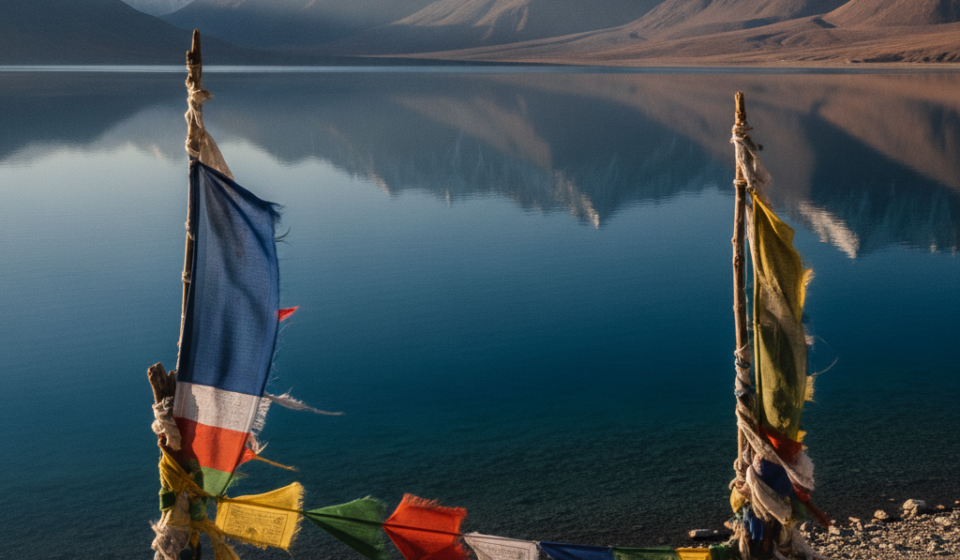

Planning a trip to the high-altitude desert of Ladakh requires precision. A well-structured Leh Ladakh itinerary serves as the foundation for a successful journey in this challenging environment. High elevations and rugged terrain demand that travellers balance adventure with necessary rest, as acclimatisation remains the single most important factor for an enjoyable experience. By mapping out a 7-day schedule, visitors can ensure they cover the iconic monasteries, high mountain passes, and serene lakes without compromising their physical well-being.
Key Takeaways
- Acclimatisation is Critical: Dedicate the first 48 hours to absolute rest in Leh to avoid Acute Mountain Sickness (AMS).
- Gradual Ascent: Follow a structured 7-day route to safely cross high passes like Khardung La and Chang La.
- Permit Requirements: Secure your Inner Line Permit (ILP) online or in Leh before heading to Nubra Valley and Pangong Lake.
- Layering is Key: Pack versatile clothing to handle drastic temperature swings between sunny days and freezing nights.
Understanding the Altitude and Acclimatisation
The primary challenge in Ladakh is the rapid gain in elevation. Leh sits at roughly 3,500 metres above sea level, a height that triggers acute mountain sickness for those who arrive unprepared. Physical symptoms such as headaches, nausea, and shortness of breath are common during the first 48 hours. Medical professionals recommend complete rest during this initial period.
- Do not plan strenuous activities for the first two days.
- Increase water intake to stay hydrated at low humidity levels.
- Avoid alcohol and tobacco, as these inhibit the body’s ability to adjust to oxygen levels.
- Consult a physician regarding altitude medication before departure.
Ignoring these precautions often leads to a premature end to the trip. It is essential to respect the thin air. The environment dictates the pace, not the schedule. Once the body adjusts, the capacity for exploration increases significantly.
The Ideal 7-Day Leh Ladakh Itinerary
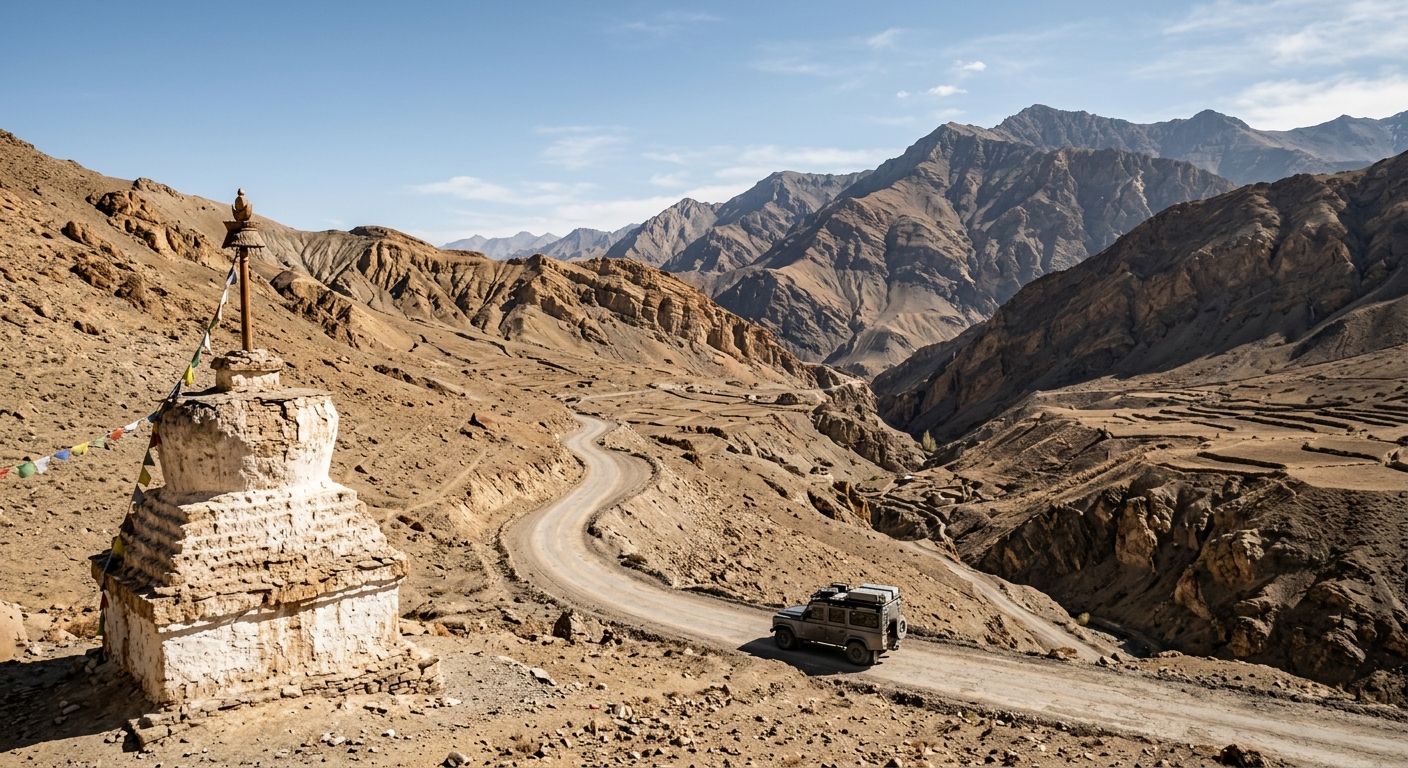
A balanced 7-day plan prioritises gradual ascent and strategic location changes. This framework ensures that travellers see the highlights while managing fatigue.
| Day | Primary Focus | Activity Level |
|---|---|---|
| 1 | Arrival and mandatory rest in Leh | Minimal |
| 2 | Local sightseeing in Leh | Light |
| 3 | Sham Valley exploration | Moderate |
| 4 | Transit to Nubra Valley | Active |
| 5 | Nubra Valley to Pangong Lake | Active |
| 6 | Pangong Lake return to Leh | Moderate |
| 7 | Departure from Leh | Minimal |
Day 1 to 2: Acclimatisation and Local Exploration
Arrival in Leh requires immediate transition to rest. After checking into a hotel, remain indoors to allow the body to acclimatise to the altitude. By the second day, light movement becomes feasible. To prepare your system for more demanding travel, consider these low-intensity visits:
- Leh Palace: Explore the historic 17th-century former royal palace.
- Shanti Stupa: Enjoy panoramic sunset views of the Leh valley and surrounding peaks.
- Leh Main Market: Take a gentle evening stroll to experience local culture and cuisine.
Day 3: Exploring the Sham Valley
The Sham Valley offers a manageable transition into more active sightseeing. It sits at a lower altitude than much of Ladakh, making it the perfect destination for the third day. Key sites along this route include:
- Hall of Fame: A museum built by the Indian Army commemorating local heroes.
- Magnetic Hill: A cyclopean hill where gravity-defying optical illusions occur.
- Sangam: The majestic confluence of the Indus and Zanskar rivers.
- Gurudwara Pathar Sahib: A historic Sikh temple constructed in memory of Guru Nanak.
Day 4: Crossing Khardung La to Nubra Valley
Travel through Khardung La, once cited as the highest motorable road in the world. The ascent is steep, leading into the stark beauty of the Nubra Valley. Your afternoon itinerary should focus on:
- Diskit Monastery: Home to the iconic 106-foot tall Maitreya Buddha statue.
- Hunder Sand Dunes: Famous for cold desert sands and rides on double-humped Bactrian camels.
The dramatic change in scenery from the desert landscape of Leh to the river-fed valleys of Nubra is a highlight of any trip.
Day 5: The Journey to Pangong Tso
The transit from Nubra Valley to Pangong Lake is long but visually rewarding. Following the Shyok River route provides a unique perspective of the rugged mountains. Upon arrival at the lake, the scale of the water against the backdrop of the Tibetan plateau is breathtaking. Note that temperatures drop significantly after sunset, necessitating appropriate cold-weather gear.
Day 6: Returning to Leh via Chang La
The final leg of the journey takes travellers back to Leh, crossing the Chang La pass. This route often offers sightings of local wildlife, including marmots and yaks. Use the final evening in Leh to procure local crafts or simply enjoy the quiet atmosphere of the town. This day allows for a controlled return to civilisation before the departure.
Day 7: Departure
Flights from Leh are typically scheduled in the morning to avoid high afternoon winds. Ensure arrival at the airport at least two hours before departure. The early morning light over the mountains offers a final, memorable view of the region.
Essential Gear and Preparation
Effective packing is crucial for maintaining comfort in a variable climate. Even in summer, temperatures can shift from warm sunshine to freezing winds within hours. Layering remains the most effective strategy for managing these transitions. Beyond clothing, specific administrative requirements must be addressed to travel freely within the region.
Travelers must obtain an Inner Line Permit (ILP) to visit restricted areas like Nubra Valley and Pangong Lake. This document is easily processed online or through local travel agencies in Leh.
| Requirement Type | Details & Validity | Approximate Fee (INR) |
|---|---|---|
| Environmental Fee | Mandatory for all domestic & international tourists | ₹400 per person |
| Wildlife Protection Fee | Required for restricted areas (Nubra, Pangong, Tso Moriri) | ₹20 per day |
| Red Cross Donation | Mandatory community contribution | ₹100 per person |
| Required Documents | Government-issued ID card (Aadhaar, Passport, Voter ID) | N/A |
The following items are recommended for a balanced Leh Ladakh itinerary:
- Thermal base layers for extreme cold.
- High-SPF sunscreen and sunglasses to protect against high-altitude UV radiation.
- Sturdy trekking boots with adequate ankle support.
- A personal first aid kit including altitude sickness management medication.
Conclusion
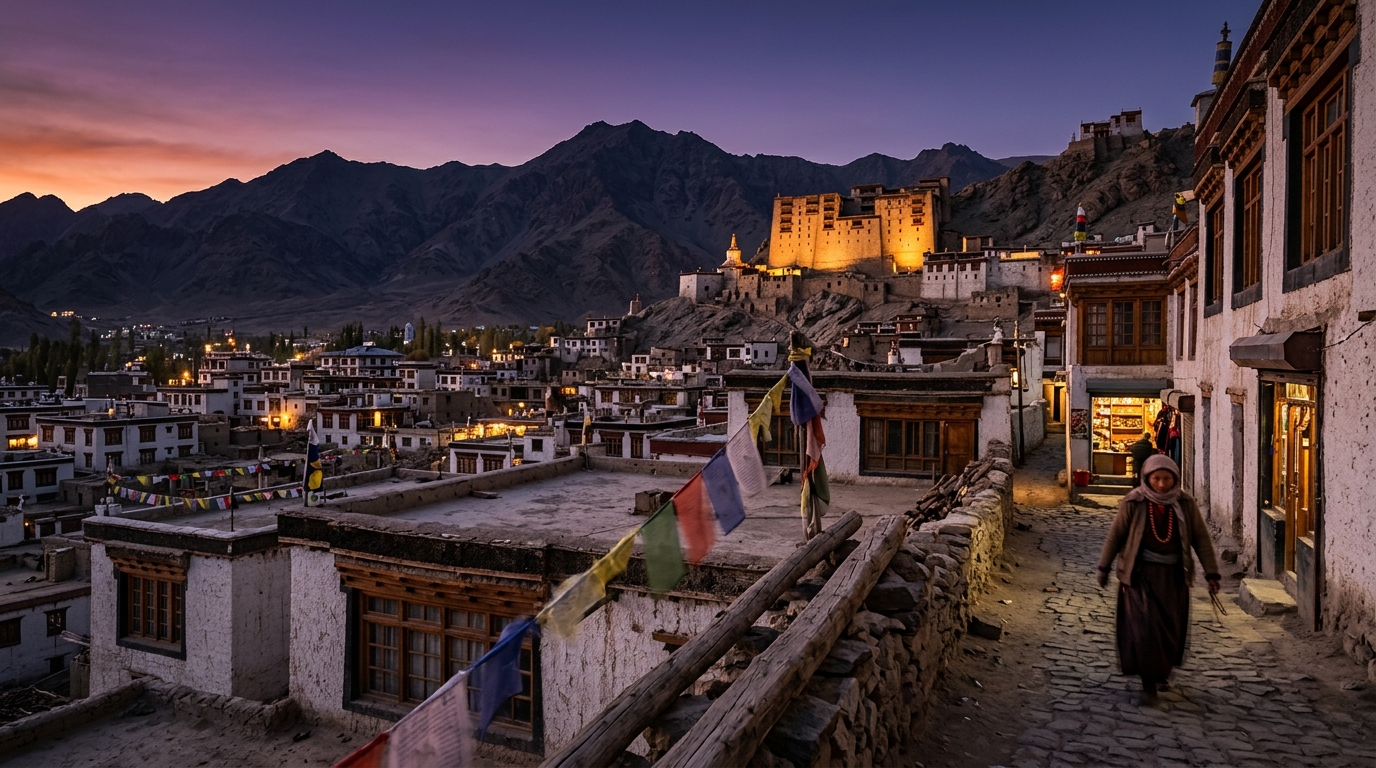
Crafting the perfect Leh Ladakh itinerary requires a balance between ambition and caution. By prioritising acclimatisation and following a logical sequence of travel, visitors can fully appreciate the unique geology and culture of the region. Ladakh is an environment that rewards those who take their time and respect the natural order of the high desert. Careful planning turns a challenging trip into a seamless, deeply rewarding journey.