
The Ultimate Jolly Buoy Island Travel Guide: How to Visit Andaman’s Pristine Coral Paradise

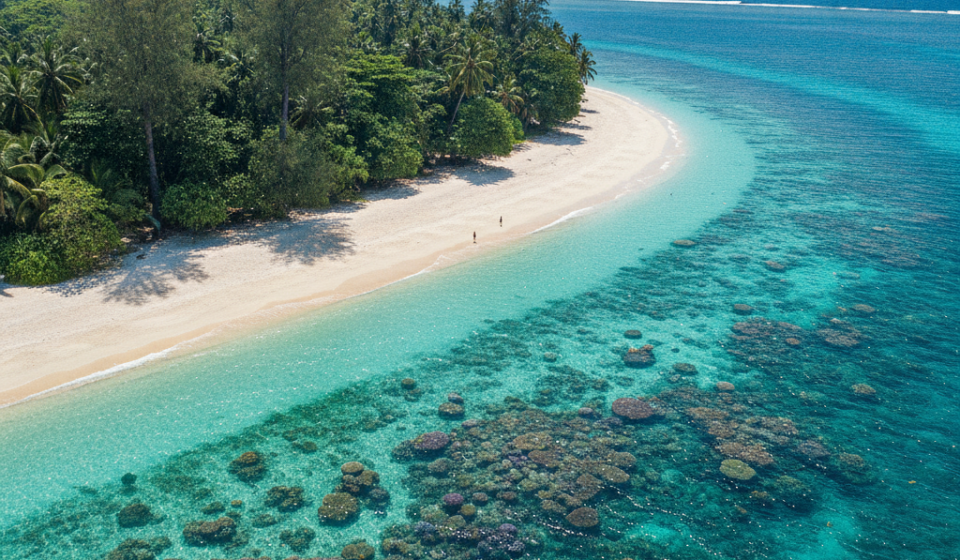
Jolly Buoy Island represents one of the most protected and visually stunning marine environments in the Andaman archipelago. Accessing this pristine coral paradise requires careful planning, as the local authorities strictly regulate visitor numbers to preserve the fragile ecosystem. This Jolly Buoy Island travel guide provides the essential framework for organizing a seamless visit to this protected maritime wonder.
Key Takeaways for Your Visit
- Eco-Preservation: Jolly Buoy Island is a strictly protected, zero-plastic zone within the Mahatma Gandhi Marine National Park.
- Permits are Mandatory: Every traveler must secure forest department permits in advance, as visitor numbers are capped daily.
- Seasonal Access: The island is open from November to April, rotating with Red Skin Island during the rest of the year.
- No Overnight Stays: There is no accommodation or dining infrastructure; planning a day trip is essential.
- Activities: Snorkeling and glass-bottom boat rides are the primary ways to experience the pristine coral reefs.
Understanding the Ecological Significance
Jolly Buoy Island is part of the Mahatma Gandhi Marine National Park. The area exists as a strictly protected zone, meaning the local administration limits human impact to ensure the coral reefs remain vibrant. Visitors often remark on the clarity of the water, which frequently exceeds 20 meters of visibility. This environment supports an incredible diversity of marine life, including sea turtles, parrotfish, and various species of rays.
The island maintains its status by operating on a rotating basis with Red Skin Island. When the authorities close one island for ecological restoration, they open the other. This rotation ensures that the reefs have time to recover from the pressures of tourism. Being a plastic-free zone, visitors must follow strict disposal rules. Everything carried onto the island must be carried back to the mainland.
- Designation: Part of Mahatma Gandhi Marine National Park.
- Primary Activity: Snorkeling and glass-bottom boat rides.
- Environment: Zero plastic policy enforced strictly.
- Access Control: Daily permits required for all visitors.
Planning Your Visit
Successful travel to Jolly Buoy depends on securing permits well in advance. Since the park authorities limit daily entry, last-minute planning often results in disappointment. Most travelers base themselves in Port Blair and arrange a day trip from there. The transit involves a drive to Wandoor Jetty, followed by a boat ride to the island.
Best Time to Visit
The optimal window for visiting Jolly Buoy is between November and April. During these months, the sea remains calm, and the underwater visibility is at its peak. The monsoon season, which typically runs from June to September, often results in the closure of the island due to rough sea conditions and safety protocols.
| Season | Travel Conditions |
|---|---|
| Winter (Nov to Feb) | Ideal – Calm seas and pleasant weather. |
| Summer (March to May) | Good – Higher temperatures, but clear water. |
| Monsoon (June to Oct) | Unpredictable – High risk of closure. |
How to Obtain Permits
You cannot simply show up at the jetty and expect to board a boat. The administration mandates that every visitor obtains a forest department permit. Most travel operators in Port Blair handle this documentation as part of a package. However, if you are planning an independent trip, you must visit the designated ticket counters in Port Blair the day before your planned excursion.
To avoid any issues at the checkpoint, ensure you have the following documents ready:
- Original Government ID: Aadhaar Card, Passport, or Driver’s License for Indian nationals.
- Permit Verification: Printed copy of your forest department permit.
- Restricted Area Permit (RAP): Foreign nationals must present a valid RAP.
- Photocopies: Keep at least two copies of each document for emergency clearance.
| Expense Category | Estimated Cost (INR) | Booking Method |
|---|---|---|
| Forest Permit Fee (Indian) | ₹50 – ₹100 per person | Counter at Port Blair / Tour Operator |
| Forest Permit Fee (Foreigner) | ₹500 per person | Counter at Port Blair / Tour Operator |
| Wandoor to Jolly Buoy Boat Ride | ₹850 – ₹1,000 per person | Pre-booked boat operators |
| Snorkeling (Standard) | ₹500 – ₹1,000 per session | On-spot payment at the reef |
| Glass-Bottom Boat Ride | ₹400 – ₹800 per ride | On-spot or pre-booked package |

Activities and Experiences
The primary draw for tourists visiting this island is the opportunity to observe the reef without damaging it. Snorkeling remains the most popular activity because it provides a direct, low-impact way to see the underwater landscape. For those who prefer to stay dry, glass-bottom boat rides offer a comfortable alternative for viewing the coral colonies.
“The preservation of the reef is not just a policy, but a necessity for the survival of the Andaman marine ecosystem. Visitors serve as temporary guests in a fragile home.”
Do not attempt to touch or remove any coral fragments. Even unintentional contact with the reef can cause significant damage to the slow-growing structures. The guides onsite emphasize these safety measures, and compliance ensures the island remains open for future generations.
Essential Travel Tips
Preparation makes the difference between a stressful excursion and a productive day. Because the island lacks permanent infrastructure, you must arrive fully equipped for the day ahead.
- Hydration: Carry sufficient water in reusable bottles.
- Sun Protection: Use reef-safe sunscreen to avoid polluting the water.
- Footwear: Wear comfortable sandals suitable for sandy and rocky terrain.
- Clothing: Dress in light, breathable fabrics and bring a change of clothes.
- First Aid: Bring basic personal medication, as the island has no medical facilities.
Frequently Asked Questions
Is snorkeling included in the permit fee?
Usually, the permit fee covers park entry only. Snorkeling equipment and boat charges are often separate, so confirm these details with your tour provider.
Can I stay overnight on Jolly Buoy Island?
No, overnight stays are strictly prohibited. The island is a protected area and visitors must return to the mainland before sunset.
Are there restaurants on the island?
There are no restaurants or shops on the island. You must carry your own packed lunch and snacks for the day.
Is it safe for children?
Yes, the shallow waters near the shore are generally safe. However, constant adult supervision is mandatory when children are near the water.

Conclusion
Visiting Jolly Buoy Island requires a different mindset than visiting a typical beach resort. It is a place where nature takes precedence over convenience. By following the local regulations and respecting the environmental guidelines, you contribute to the ongoing efforts to protect one of India’s most significant marine habitats. If you require assistance with your itinerary or booking your permits, contact our team to ensure your journey is planned correctly. Your trip will be more rewarding when you understand the balance of beauty and protection that defines this unique destination.