
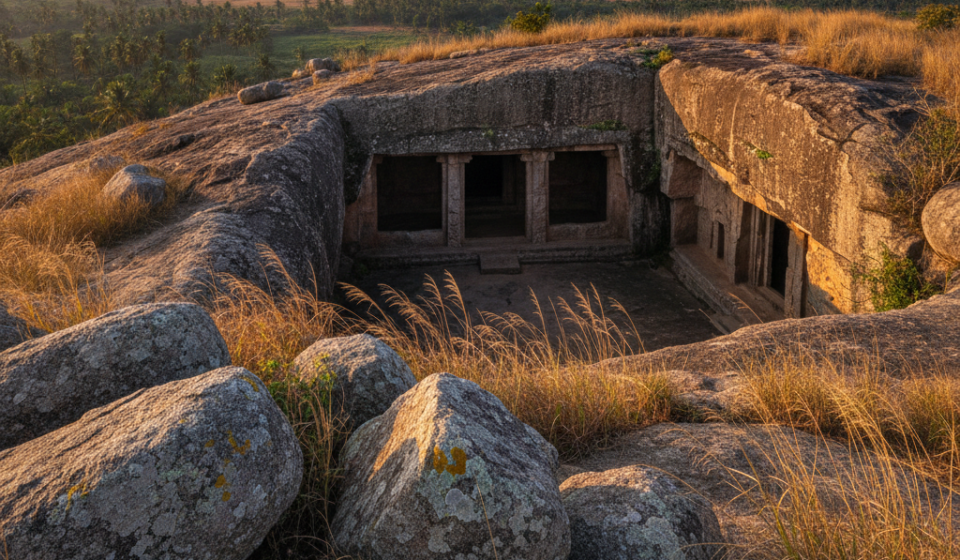
The Ultimate Sittanavasal Travel Guide: How to Explore the ‘Ajanta of the South’ and Ancient Jain Caves

Sittanavasal serves as a vital historical site in Tamil Nadu, offering a rare glimpse into the intersection of ancient Jain heritage and classical art. Often referred to as the Ajanta of the South, this location provides essential context for understanding early religious and artistic expression in India. This comprehensive Sittanavasal travel guide details the archaeological significance, optimal logistics, and essential cultural considerations required for a productive visit to these ancient caves.
Key Takeaways
- Ajanta of the South: Renowned for its ancient rock-cut cave temple (Arivar Koil) decorated with 7th to 9th-century Pandya-era murals.
- Early Jain Center: Served as an important monastic and meditative shelter for Jain ascetics from as early as the 2nd century BCE.
- Strategic Location: Situated in Tamil Nadu’s Pudukkottai district, easily reachable from Trichy (58 km) and Pudukkottai (16 km).
- Visitor Guidelines: Flash photography is strictly prohibited inside the cave to protect delicate, millennium-old fresco pigments.
- Best Time to Visit: November to February offers ideal, cooler weather for climbing the rocky terrain and exploring the monument.
Historical Significance of Sittanavasal
The site maintains deep historical roots, serving as a prominent center for Jain monks as early as the 2nd century BCE. These scholars and monks chose this location for ascetic living and meditation, utilizing natural rock shelters carved directly into the hill. The most notable architectural legacy remains the Arivar Koil, a structural temple that demonstrates sophisticated rock-cut techniques from the Pandya period (roughly the 7th to 9th century CE).
- Early Inscriptions: The site hosts Tamil Brahmi inscriptions that confirm the presence of Jain monks nearly two millennia ago.
- Artistic Legacy: The ceiling of the Arivar Koil contains rare frescoes that represent some of the finest examples of post-classical Indian painting.
- Architectural Evolution: The transition from simple natural caverns to elaborate structural temples showcases the development of Tamil rock-cut architecture.

The Famous Frescoes of Arivar Koil
The paintings at Sittanavasal hold significant value for art historians, providing evidence of painting traditions that existed long before more widely recognized mural sites. These frescoes depict various themes, including the Samavasarana, which represents a celestial pavilion in Jain theology. The techniques used include a lime plaster base followed by mineral pigments, ensuring the colors survived for over a millennium.
Key highlights of these murals include:
- Thematic Representation: Many frescoes depict the Samavasarana, representing a divine assembly or celestial pavilion in Jain theology.
- Fresco-Secco Technique: Artists applied mineral pigments onto a wet lime plaster surface, allowing the colors to bind deep within the rock.
- Natural Pigments: The vibrant yellow, green, orange, blue, black, and white shades were extracted entirely from local minerals and plant sources.
The murals at Sittanavasal are among the few remaining examples of the post-classical era, offering an indispensable look into the aesthetic priorities of the Pandya dynasty.
How to Reach Sittanavasal
The site remains accessible via major transit hubs in central Tamil Nadu. Planning the journey requires coordinating between train arrivals, bus connections, or private transport options. The nearest major city is Pudukkottai, which sits approximately 16 kilometers away, while the cultural hub of Trichy lies about 58 kilometers to the northwest.
Planning your journey to Sittanavasal requires coordinating between train arrivals, bus connections, or private transport options. Consider these primary routes:
- Via Trichy (Tiruchirappalli): The most convenient hub with an international airport and major railway station, located about 58 kilometers away.
- Via Pudukkottai: The nearest local town (16 kilometers away) offering direct bus connections and frequent auto-rickshaw/taxi services to the monument.
- Via Madurai: Located approximately 135 kilometers away, offering another viable entry point for southern Tamil Nadu travelers.
| Transit Mode | Primary Details |
|---|---|
| Nearest Airport | Tiruchirappalli International Airport (TRZ) |
| Nearest Railhead | Pudukkottai Railway Station |
| Local Transport | Auto-rickshaws and taxis from Pudukkottai town |
Best Time to Visit
The weather in this region follows a tropical pattern, marked by high temperatures and significant humidity during the summer months. To ensure a comfortable experience while exploring the rock-cut features, scheduling visits during the cooler months remains highly advisable. The following breakdown offers a seasonal perspective for travel planning.
- November to February: This period provides the most favorable temperatures for outdoor site navigation and cave exploration.
- March to June: These months frequently experience extreme heat, which may limit the duration of time spent on the hill.
- July to October: Periodic monsoon rainfall may impact road access and general outdoor comfort levels.
For a hassle-free visit, please refer to the essential visitor operational details below:
| Visitor Information | Details |
|---|---|
| Opening Hours | 9:00 AM to 5:30 PM (All days) |
| Entry Fee (Indian Citizens) | ₹25 per person |
| Entry Fee (Foreign Nationals) | ₹300 per person |
| Camera Charges | ₹25 for Still Cameras (Video cameras restricted) |
| Average Exploration Time | 2 – 3 hours |
Essential Travel Tips for Visitors
Maximizing the utility of your visit requires an understanding of local site protocols. Sittanavasal is a protected monument, and certain restrictions apply to ensure the preservation of the delicate rock paintings and carvings. Observing these guidelines protects the integrity of the heritage for future visitors.
- Carry sufficient water and sun protection, as the site offers limited shade near the upper caves.
- Wear appropriate footwear, as the path involves a brief hike up rocky terrain.
- Engage with authorized local guides to gain deeper context on the specific iconography of the Jain inscriptions.
- Respect the site by refraining from touching the painted walls, as oils from the skin cause long-term damage to the ancient pigments.
Nearby Attractions
A visit to Sittanavasal often combines well with explorations of other historical and cultural sites within the Pudukkottai district. These locations share similar architectural lineages and historical timelines, allowing for a broader understanding of the region’s heritage.
- Kudumiyanmalai: Located nearby, this site features significant rock-cut temples and ancient musical inscriptions on stone.
- Narthamalai: Home to some of the oldest structural temples in Tamil Nadu, this village offers a peaceful contrast to larger tourist hubs.
- Viralimalai: Known for its hilltop Murugan temple and a sanctuary dedicated to peacocks, this site provides both cultural and ecological interest.
FAQs
Is photography permitted inside the caves?
While general site photography is allowed, the use of flash photography inside the Arivar Koil remains strictly prohibited to prevent the degradation of the delicate murals.
What is the recommended duration for a visit?
Most visitors find that two to three hours allow for a thorough exploration of the main cave, the structural temple, and the surrounding natural shelters.
Are there food and accommodation facilities at the site?
The site itself offers minimal amenities. Travelers should plan to base themselves in Pudukkottai or Trichy for a wider selection of dining and lodging options.
Is this site suitable for children and seniors?
The climb to the main cave is relatively manageable, though those with mobility challenges should take caution on the rocky and potentially uneven pathways.

Conclusion
Sittanavasal remains a significant destination for anyone interested in the technical and spiritual history of the Indian subcontinent. By following the recommendations in this guide, travelers can effectively plan their visit while respecting the preservation needs of these ancient monuments. Exploring the site requires a balance of curiosity and care, ultimately rewarding visitors with a profound connection to the artistic traditions of ancient Tamil Nadu.