
Planning a journey across the southern peninsula of India requires more than just booking flights and choosing destinations. The region presents a completely different rhythm, climate, and cultural syntax compared to the northern states. Traditional travel guides often group these states together, yet Tamil Nadu, Kerala, and Karnataka each function as distinct cultural ecosystems. Designing a comprehensive south india travel plan is therefore not merely a matter of mapping routes, but of understanding how ancient temple architecture, tropical waterways, and high-altitude tea plantations can be woven into a singular, balanced journey. Crafting an effective itinerary demands careful attention to seasonal weather patterns, regional logistics, and travel distances that are often deceptively long on map screens. Success lies in resisting the urge to see everything, focusing instead on a curated route that allows the sensory richness of the region to be truly digested.
Key Takeaways
- Slow Travel is Key: South India is geographically vast; focus on one or two states rather than rushing across the entire peninsula.
- Two Distinct Monsoons: Weather patterns vary significantly; winter (October to February) is generally the best time to visit.
- Distinct Cultural Ecosystems: Tamil Nadu offers historic Dravidian temples, Kerala features tranquil backwaters, and Karnataka boasts royal heritage and coffee hills.
- Respect Local Etiquette: Many southern temples have strict dress codes, requiring modest attire and removing footwear (and sometimes shirts for men).
- Logistical Planning: Winding roads and heavy traffic mean travel times are longer than they appear; a mix of private drivers and trains is ideal.
Understanding the Scope of a Southern India Expedition
When formulating an effective south india travel plan, the first and most critical step is acknowledging the vast distances and distinct identities of each state. Southern India is not a monolith. It comprises five major states, each boasting its own linguistic heritage, culinary traditions, and historical narratives. Many first-time visitors (and indeed some experienced travellers) make the mistake of attempting to cover Chennai, Munnar, Mysore, and Hampi in a single ten-day trip. This is a recipe for physical exhaustion rather than cultural immersion. It is basically a physical impossibility if one wishes to experience these destinations with any degree of depth. For those embarking on a comprehensive south india tour, planning the route requires strict geographic boundaries. Ultimately, a rushed south india travel plan results in a superficial travel experience dominated by long hours spent inside transit vehicles.
Therefore, a successful itinerary requires deliberate geographic boundaries. When mapping out a south india itinerary, balancing physical distance and rest days is critical. By narrowing the geographic scope, travellers can spend less time in transit and more time exploring centuries-old architecture, tasting regional delicacies, and observing local customs. This approach ensures that the entire journey remains intellectually rewarding and physically sustainable throughout. Focus must be placed on either the eastern coast and backwater systems or the western hills and heritage ruins. To help you decide, consider focusing your route on one of these distinct geographic zones:
- The Eastern Coast & Heritage Belt: Ideal for exploring ancient Dravidian temple architecture, Chola history, and French colonial enclaves in Tamil Nadu and Pondicherry.
- The Western Hills & Backwaters: Perfect for experiencing misty tea plantations in Munnar, serene houseboat cruises in Alleppey, and historic port towns in Kerala.
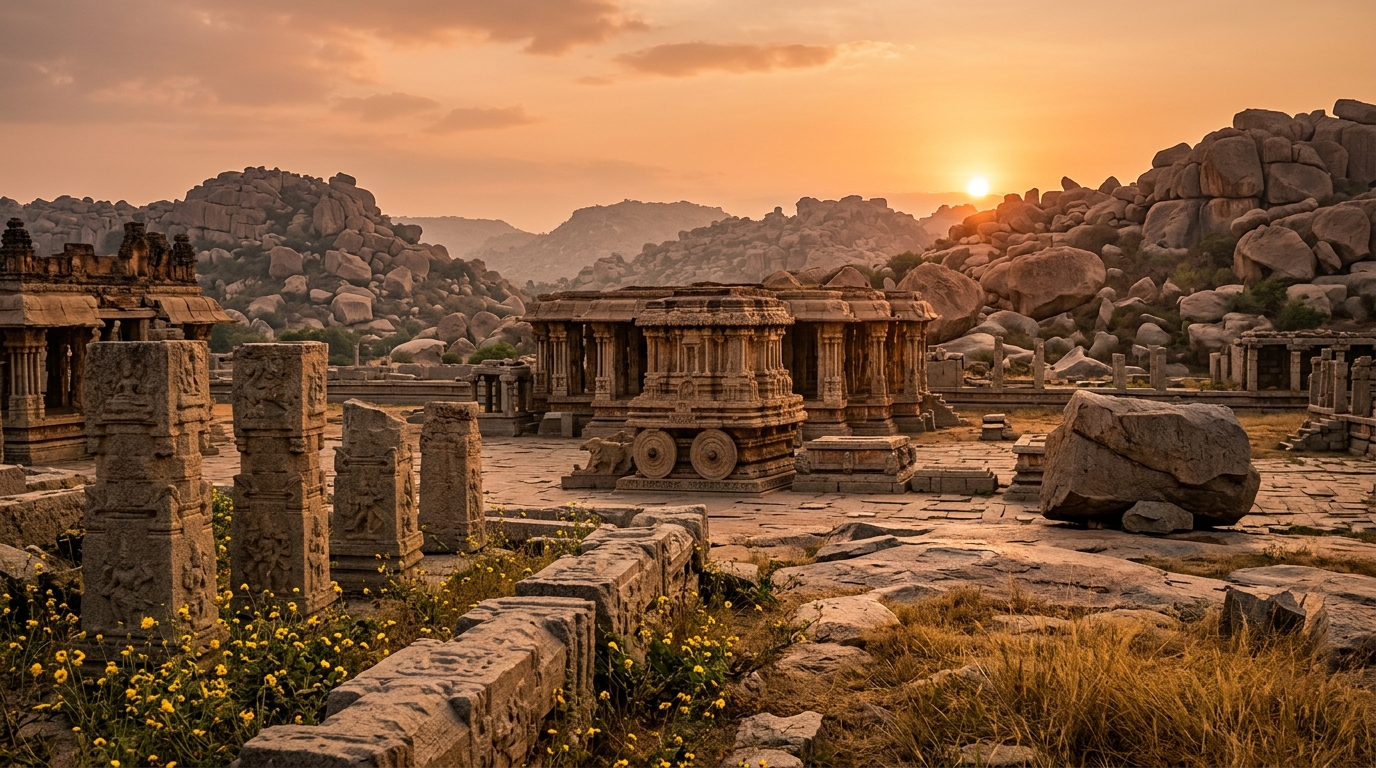
- The Deccan Plateau & Coastal Karnataka: Best for witnessing spectacular ruins in Hampi, royal palaces in Mysore, lush coffee estates in Coorg, and quiet beaches in Gokarna.
Culinary diversity is another factor to consider when mapping this region. While northern cuisine relies heavily on wheat-based breads and rich dairy creams, southern cooking is built around rice, lentils, and the sharp brightness of tamarind and coconut. Each state has its own signature profile, from the fiery spice of Andhra curries to the delicate, coconut-infused dishes of coastal Kerala. This culinary journey is an integral part of any trip, turning every meal into a sensory exploration of local agricultural traditions.
The Classic 14-Day South India Itinerary
This meticulously designed 14-day south india travel plan offers a balanced approach, guiding travellers from the architectural marvels of Tamil Nadu to the serene backwaters of Kerala. It represents a highly optimised route that has been tested by thousands of global explorers seeking a comprehensive introduction to the peninsula. This classic south india itinerary covers the absolute highlights of the region, starting on the east coast in Chennai and ending on the west coast in Kochi. Anyone seeking a balanced introduction will find this south india travel plan highly efficient, ensuring minimal backtrack routing and maximum exposure to diverse landscapes. A successful south india tour must balance fast-paced historical exploration with quiet natural settings, and this specific route accomplishes that balance effortlessly.
Over two weeks, this journey exposes travellers to the dramatic transition from the dry, temple-studded plains of the east to the high-altitude tea gardens of the Western Ghats, and finally to the tropical waterways of the Arabian Sea. It is a journey of contrasting sensations, where each day offers a completely different visual and culinary experience.
Week 1: Heritage and Temples in Tamil Nadu
When starting this phase of the south india travel plan, Chennai serves as the logical port of entry, offering excellent international connectivity and a gentle introduction to southern urbanism. From Chennai, the route moves south toward Pondicherry, a unique coastal town where French colonial architecture meets traditional Tamil culture. Walking through the quiet streets of the French Quarter reveals mustard-colored villas and boutique cafes. For travellers seeking a structured experience, booking curated Pondicherry tour packages offers a seamless transition into this unique coastal enclave. The town is also famous for Auroville, an experimental township focused on human unity, where the spectacular golden Matrimandir stands as a symbol of peace and contemplation. After two days of enjoying the colonial heritage and the peaceful beaches of the town, the journey continues inland toward the heart of the Chola Empire in Thanjavur.
To execute this part of your south india travel plan successfully, one must understand the sheer architectural scale of Tamil Nadu. The Brihadisvara Temple in Thanjavur stands as a monumental achievement of eleventh-century Dravidian architecture, characterised by its towering Gopuram (the monumental entrance tower of a southern temple). This massive stone structure was built without any binding mortar, relying entirely on precise interlocking stones. Moving further south, the ancient city of Madurai awaits, home to the sprawling Meenakshi Amman Temple. This active worship site features fourteen spectacular towers adorned with thousands of brightly painted stone figures. For those eager to witness these architectural wonders first-hand, securing highly organised Tamil Nadu tour packages guarantees a stress-free travel experience across these historic cities.
As far as current data suggests, visiting these grand temples during the morning or late evening hours is best to avoid the intense midday heat. The transition between these cities is best managed via comfortable road transfers, which allow travellers to witness the vast agricultural lands and small towns of rural Tamil Nadu. Spending five to six days in Tamil Nadu ensures that the historical and architectural foundations of the south are deeply understood before transitioning to the natural scenery of the west coast.
Week 2: Backwaters and Wilderness in Kerala
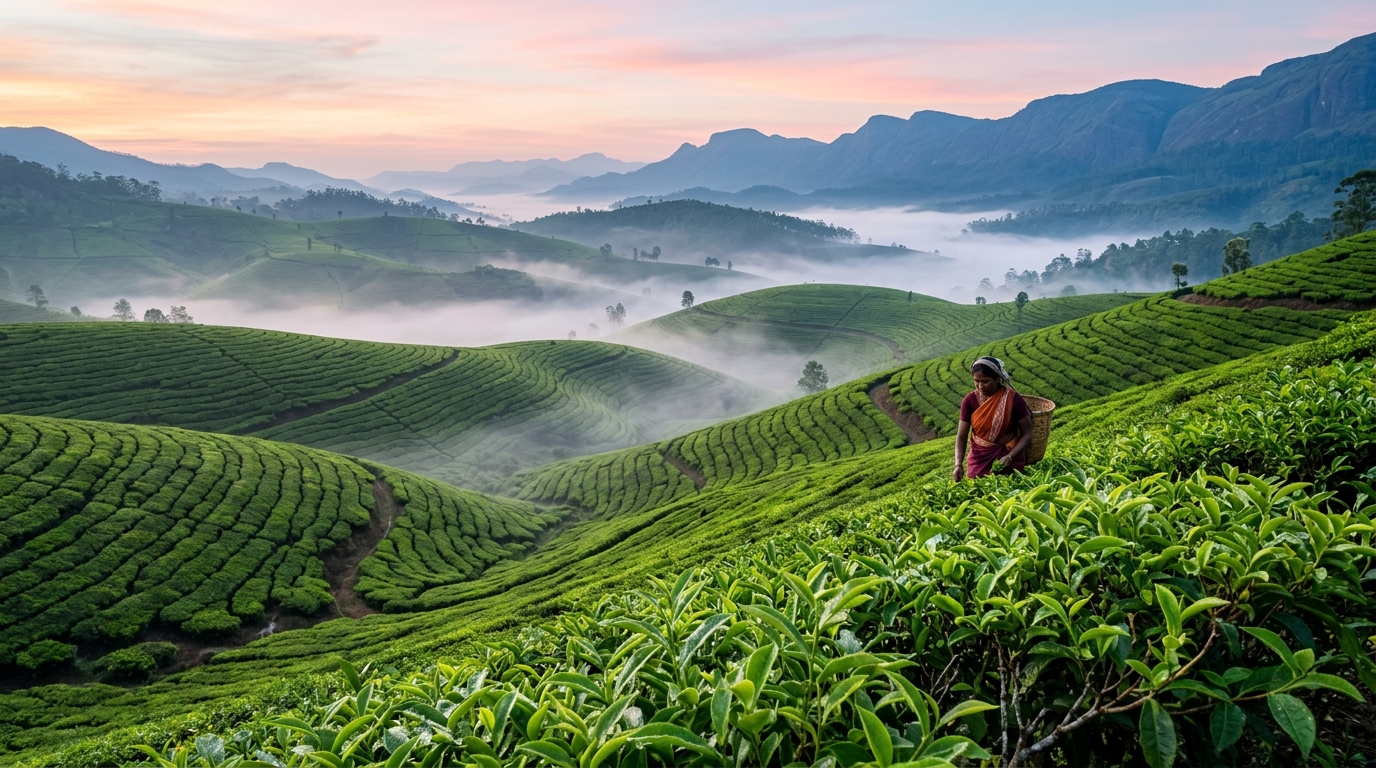
A major advantage of this specific south india travel plan is the natural transition from the high-energy temple cities of Tamil Nadu to the soothing, lush greenery of Kerala. Leaving Madurai, the route ascends into the Western Ghats toward Munnar, a premier hill station surrounded by tea plantations. The cool mountain air and misty peaks provide an immediate contrast to the warm plains of Tamil Nadu. Among the premier places to visit in south india, Munnar stands out for its vast emerald estates, where travellers can learn about orthodox tea processing. The town is surrounded by wild sanctuaries that are home to the endangered Nilgiri Tahr, a rare mountain goat that climbs the steep rocky cliffs. Walking through these high-altitude grasslands offers panoramic views of the Western Ghats often shrouded in dramatic morning mist.
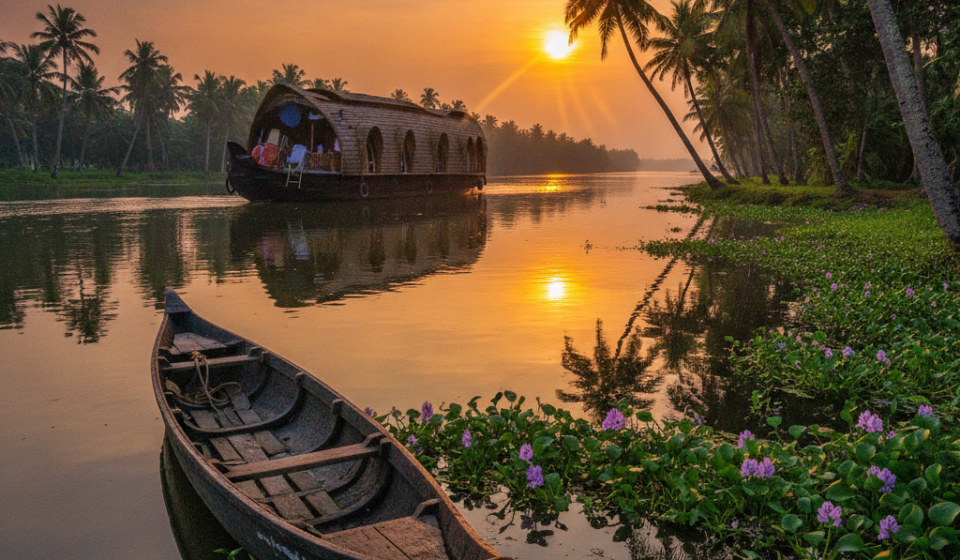
An exceptional south india travel plan will dedicate at least 48 hours to the backwaters of Alleppey. Here, the traditional Kettuvallam (a wooden houseboat constructed with bamboo mats and coir ropes) serves as both transport and luxury accommodation. Floating down these tranquil canals allows travellers to observe local village life and coconut groves at a leisurely pace. To simplify this logistical transition and secure high-quality vessels, exploring professional Kerala travel packages can prove immensely valuable, ensuring reliable bookings and experienced local captains who know the waterways intimately. Concluding this classic two-week route in Kochi allows travellers to experience a historic port city that has welcomed Chinese, Portuguese, Dutch, and British traders over the centuries.
Fort Kochi is famous for its iconic giant Chinese fishing nets, historical churches, and ancient spice warehouses that still fill the air with the aroma of ginger, cardamom, and black pepper. Spending the final evening watching a traditional Kathakali dance performance (a highly stylized classical dance-drama known for its heavy makeup and detailed gestures) provides a perfect cultural finale to this classic tour.
An Alternative Route: Karnataka and Coastal Escapes
If ancient ruins, royal palaces, and mist-covered coffee hills sound more appealing, this alternative south india travel plan serves as an exceptional blueprint for your journey. This route focuses heavily on Karnataka, a state that remains somewhat less frequented by international tourists but offers some of the most spectacular historical ruins in all of Asia. Starting in the tech-forward city of Bengaluru, the route moves southwest toward the cultural capital of Mysore, before ascending into the coffee-rich highlands of Coorg. It then winds northward to the spectacular ruins of Hampi before finishing on the pristine, uncrowded beaches of Gokarna. The beauty of this alternative route lies in its ability to combine royal history, dense wilderness, and rugged coastal beauty into a single, cohesive loop.
| Itinerary Option | Core Focus | Key Destinations Covered | Best Suited For |
|---|---|---|---|
| The Classic Route (14 Days) | Temples, Culture & Backwaters | Chennai, Pondicherry, Thanjavur, Madurai, Munnar, Alleppey, Kochi | First-time visitors seeking a balance of history, dramatic architecture, and tropical nature. |
| The Alternative Route (14 Days) | Royal Heritage, Wilderness & Quiet Beaches | Bengaluru, Mysore, Coorg, Hampi, Gokarna | Travellers looking for lesser-visited ruins, coffee plantations, and rustic coastal escapes. |
Heritage and Wilderness in Mysore and Coorg
Incorporating Mysore into your south india travel plan allows for a deep dive into the royal history of the Wodeyar dynasty. The grand Mysore Palace, especially when illuminated on Sunday evenings, is a spectacular sight. When cataloging historical places to visit in south india, Mysore remains a crown jewel, famous for its vibrant Devaraja Market where vendors sell mounds of colorful kumkum powder, fresh jasmine garlands, and aromatic sandalwood products. Mysore acts as a gentle, highly walkable city that bridges the gap between urban Karnataka and the deep forests that lie just a few hours to the west.
Moving deeper into the hills, Coorg represents a vital stop for any nature-centric south india travel plan. Known as the Scotland of India, Coorg is characterised by its vast coffee estates, spice plantations, and dense subtropical forests. Visitors can stay in traditional plantation homestays, hike up the hills, or visit the Dubare Elephant Camp. For those wishing to explore this misty region effortlessly, booking specialised Coorg tour packages provides reliable local transport and curated estate stays.
Coastal Relaxation in Gokarna
For those who prefer a less commercial coastal experience, adding Gokarna to your south india travel plan is a superb choice. Unlike its northern neighbor, Goa, Gokarna retains a slow-paced, rustic charm. The town is historically a sacred pilgrimage site dedicated to Lord Shiva, but its crescent-shaped beaches like Om Beach and Kudle Beach have attracted travellers seeking quiet shores and dramatic rocky cliffs. It is a place where one can spend days reading in a beach shack, watching fishing boats head out to sea, and hiking along coastal trails.
This coastal extension ensures your southern itinerary remains highly balanced, offering a perfect antidote to the intense sightseeing of the inland ruins. The atmosphere here is quiet and understated, allowing for deep reflection after days of historical exploration. For those who prefer peaceful shores and minimal crowds, securing one of the curated Gokarna coastal getaways ensures a perfectly balanced, stress-free stay that highlights the natural beauty of the Arabian Sea.
Seasonal Insights: The Best Time to Visit
No south india travel plan can succeed without synchronizing travel dates with the monsoons. The southern peninsula experiences two distinct monsoon seasons, making weather planning slightly more complex than in other parts of India. The southwest monsoon brings heavy rains from June through September, affecting Kerala and Karnataka first, while the northeast monsoon brings rain to Tamil Nadu between October and December. Understanding the best time to visit south india is crucial for a comfortable journey. Generally speaking, the winter months represent the peak travel window, offering dry, pleasant weather across all southern states.
The following reference table helps you align your south india travel plan with local weather patterns, ensuring you avoid seasonal downpours and extreme heat:
| Season | Months | Regions Best Visited | Key Considerations |
|---|---|---|---|
| Peak Winter | October – February | Tamil Nadu, Kerala, Karnataka | Mild temperatures, dry weather, ideal for heritage tours |
| Hot Summer | March – May | Ooty, Munnar, Coorg (Hill Stations) | High humidity in coastal plains, pleasant in mountain areas |
| Southwest Monsoon | June – September | Western Ghats (Scenic treks only) | Heavy rains in Kerala and Karnataka, lush green landscapes |
| Northeast Monsoon | October – November | Interior Karnataka, Coastal Goa | Tamil Nadu receives heavy rains during these specific months |
Adjusting your south india travel plan to avoid the heaviest monsoon downpours is essential for maintaining your daily schedule. While the rainy season turns the hills of Munnar and Coorg into spectacular, lush green paradises, it can also cause landslides and disrupt road travel significantly. On the other hand, the summer months (from March to May) bring intense humidity to coastal plains, making outdoor temple sightseeing quite taxing. While the winter season is widely regarded as the best time to visit south india, shoulder months like September offer fewer crowds and beautiful landscapes.
Practical Logistics and Ground Transportation
Executing a multi-state south india travel plan demands close attention to regional transport. Distances may look manageable on a map, but the winding roads of the Western Ghats and the busy highways of Tamil Nadu mean that overland travel takes longer than expected. While domestic flights easily connect major cities like Chennai, Bengaluru, Kochi, and Coimbatore, the true beauty of the region is often found on the ground. Therefore, a smart combination of rail travel and private road transport is the most effective way to experience the transition between different cultures.
To navigate the region efficiently, travellers should understand the primary modes of transport available:
- Private Car with Driver: Offers maximum flexibility to stop at small village markets, historic roadside temples, and scenic viewpoints. It is highly recommended to hire through a reputable agency to ensure valid multi-state permits.
- Indian Railways (IRCTC): Perfect for covering longer distances overnight. Taking a sleeper train saves daytime travel hours and offers a unique cultural experience, but tickets must be booked weeks in advance.
- Domestic Flights: Quickly connects major hubs like Chennai, Bengaluru, Kochi, and Coimbatore, making it ideal for crossing between distant states when time is limited.
For a seamless journey, your south india travel plan should incorporate rail travel for longer distances. Taking an overnight sleeper train is both a practical way to save daytime travel hours and a fascinating cultural experience. It is essential to book these tickets several weeks in advance through the IRCTC portal, as they sell out very quickly.
Hiring a private car with a professional driver is another excellent option to make your south india travel plan highly flexible. This approach allows you to stop at small village markets, historic roadside temples, and scenic viewpoints that you would otherwise miss. When choosing a driver, it is highly recommended to work with a reputable travel agency to ensure the vehicle is modern, air-conditioned, and has the correct state permits to cross borders between Tamil Nadu, Kerala, and Karnataka.
Temple Etiquette and Cultural Respect
While planning temple visits during your south india travel plan, dress codes must be respected. Many historic southern temples are active places of worship with strict traditional rules. Both men and women must dress modestly, ensuring their shoulders and knees are fully covered. In many traditional temples in Tamil Nadu and Kerala, men may be required to wear a dhoti (a traditional sarong-like garment) and remove their shirts before entering the inner sanctum. Footwear must always be left at the temple entrance, and since the stone courtyards can become extremely hot under the sun, packing a pair of thick socks to wear on the hot stone floors is a highly practical tip.
Packing Essentials for the Southern Climate
Additionally, your south india travel plan requires a thoughtful packing list. The southern climate is warm and humid throughout most of the year, meaning heavy fabrics should be avoided entirely. Instead, pack lightweight, loose-fitting cotton or linen clothing that allows for air circulation. If you plan to visit the hill stations of Munnar or Coorg, remember that temperatures can drop significantly in the evenings, so a warm fleece or light jacket is absolutely necessary.
The packing component of your south india travel plan must focus on breathable materials and practical footwear:
- Lightweight cotton or linen trousers and long skirts for temple visits.
- Comfortable slip-on shoes or sandals that are easy to remove at temple entrances.
- A high-quality, compact umbrella for sudden tropical downpours.
- Broad-spectrum sunscreen, polarized sunglasses, and a wide-brimmed hat.
- A reusable water bottle to stay hydrated during long humid afternoons.
In summary, a successful south india travel plan is not about see-ing everything. It is about embracing the distinct rhythms of the south, choosing depth over speed, and allowing the incredible landscapes to unfold naturally. Whether you choose the ancient stone temples of Tamil Nadu, the serene backwaters of Kerala, or the misty coffee hills of Coorg, a thoughtful itinerary ensures a deeply rewarding and unforgettable journey.
When you begin finalizing your south india travel plan, relying on expert regional guides and reliable travel packages makes a world of difference, allowing you to focus entirely on the rich experiences that await you.