
Planning a journey through the southern peninsula of India involves balancing historical monuments, serene waterways, and mist-laden hill stations. For years, travelers assumed that a quick three-day stop in a single city was enough to capture the essence of this diverse region. Today, that perspective is recognized as highly limited. Developing an effective south india travel plan is actually a methodical exercise in balancing geography and local traditions. The region offers a distinct contrast to the northern plains, presenting a slower tempo of life alongside deeply preserved ancient customs. Succeeding in this travel endeavor requires understanding regional connectivity and local travel seasons. A well-designed south india travel plan prevents logistical bottlenecks and ensures that travelers do not spend their entire holiday sitting in traffic or dealing with closed temple gates.
Key Takeaways
- Slow Travel is Key: South India’s diverse geography and rich traditions are best experienced at a relaxed pace rather than a rushed multi-state sprint.
- Optimal Timing: The winter season (October to March) offers the most pleasant weather for exploring temples, backwaters, and hill stations.
- Diverse Experiences: A balanced 10-day itinerary seamlessly combines Karnataka’s heritage, Kerala’s natural landscapes, and Tamil Nadu’s spiritual landmarks.
- Smart Logistics: Hiring private vehicles for short-distance transits and booking first-class train tickets in advance ensures stress-free travel.
Choosing the Right South India Travel Plan for the Journey
Selecting a suitable path through the southern states depends entirely on individual travel preferences and physical endurance. A successful holiday does not happen by accident. It is basically the result of choosing whether to focus on architectural heritage, coastal relaxation, or the high altitudes of the Western Ghats. For those categorized as FIT (Free Independent Travelers), managing transitions between states like Karnataka, Kerala, and Tamil Nadu requires a clear strategy. Some travelers make the mistake of trying to cover all five southern states in a single week. This approach is highly counterproductive, resulting in exhausting overland journeys and very little time spent actually appreciating the destinations. Booking first-class air-conditioned train tickets well in advance is arguably the most efficient way to travel long distances while experiencing local culture firsthand.
A balanced south india travel plan must account for the sheer geographical scale of the peninsula. Roughly speaking, traveling between major hubs can take anywhere from four to eight hours by train or road, depending on the terrain. For a brief holiday, focusing on a compact bilateral loop is highly recommended. Some of the most popular combinations include:
- Mysore and Coorg (Karnataka): A smooth blend of royal history, grand palaces, and lush coffee plantation culture.
- Kerala Backwaters and Tamil Nadu Temples: An incredible contrast of tranquil waterways and ancient, spiritually rich architecture.
- Wayanad and Ooty: A mountain-focused escape perfect for nature lovers and tea estate enthusiasts.
Whichever route is selected, the chosen south india travel plan should match the traveler’s personal pace and seasonal realities.
| Transit Mode | Pros | Cons | Best For |
|---|---|---|---|
| Private AC Cab | Maximum flexibility, door-to-door transit, scenic stops. | Higher cost, subject to road traffic. | Hill stations (Munnar, Coorg) and interstate borders. |
| IRCTC Indian Railways | Budget-friendly, overnight options, cultural experience. | Requires advanced booking (months ahead). | Long distances between major cities (e.g., Chennai to Madurai). |
| Domestic Flights | Fastest transit between state capitals. | Airport transfers take time, misses local scenery. | Traveling between non-adjacent states (e.g., Bengaluru to Kochi). |
But still, many travelers ignore these practical limitations. They attempt to bundle too many activities into their days, leading to travel fatigue. An effective south india travel plan prioritizes quality of experience over sheer quantity of stops. This means dedicating at least two nights to major cultural centers rather than conducting hurried day trips. By planning with this level of restraint, the journey becomes an enriching exploration rather than a frantic race against the clock.
The Ultimate 10-Day South India Itinerary
Executing a comprehensive tour requires a structured schedule that maximizes daylight hours and minimizes redundant transit. The following 10-day south india itinerary is structured to provide an optimal balance of history, nature, and cultural immersion. This specific timeline connects the historic places of Karnataka with the natural beauty of Kerala, and finishes in the culturally rich territory of Tamil Nadu. The curated places to visit in south india outlined in this itinerary ensure a diverse experience of beaches, temples, and hills. It serves as a highly reliable blueprint for first-time visitors and seasoned travelers alike, ensuring that the primary highlights are experienced without unnecessary rush. This is a highly practical south india travel plan that can be customized based on individual travel speeds.
Days 1 to 3: The Heritage and Culture of Karnataka
The journey begins in Bengaluru, the modern transit gateway, before moving quickly to Mysore, which is arguably the cultural heart of Karnataka. Mysore is famous for its grand palaces, traditional sandalwood markets, and historic structures. A well-planned south india travel plan allocates Day 1 to exploring the Mysore Palace, an architectural marvel that displays Indo-Saracenic design elements. On Day 2, the focus shifts toward Chamundi Hill and the ancient town of Srirangapatna, where regional history comes alive.
On Day 3, travelers proceed westward to the misty hills of Coorg. Known locally as Kodagu, this region is a major hub for coffee production and unique tribal customs. Visiting the Dubare Elephant Camp and the spectacular Namdroling Monastery provides a wonderful introduction to the region’s spiritual diversity. For travelers booking their accommodations, selecting a resort that offers the MAP (Modified American Plan, which includes breakfast and one major meal) is highly recommended. This ensures that dining is managed efficiently while staying in remote plantation areas. A structured south india travel plan keeps transit times down by utilizing private hired vehicles for this leg, as regional bus schedules can occasionally be unpredictable.
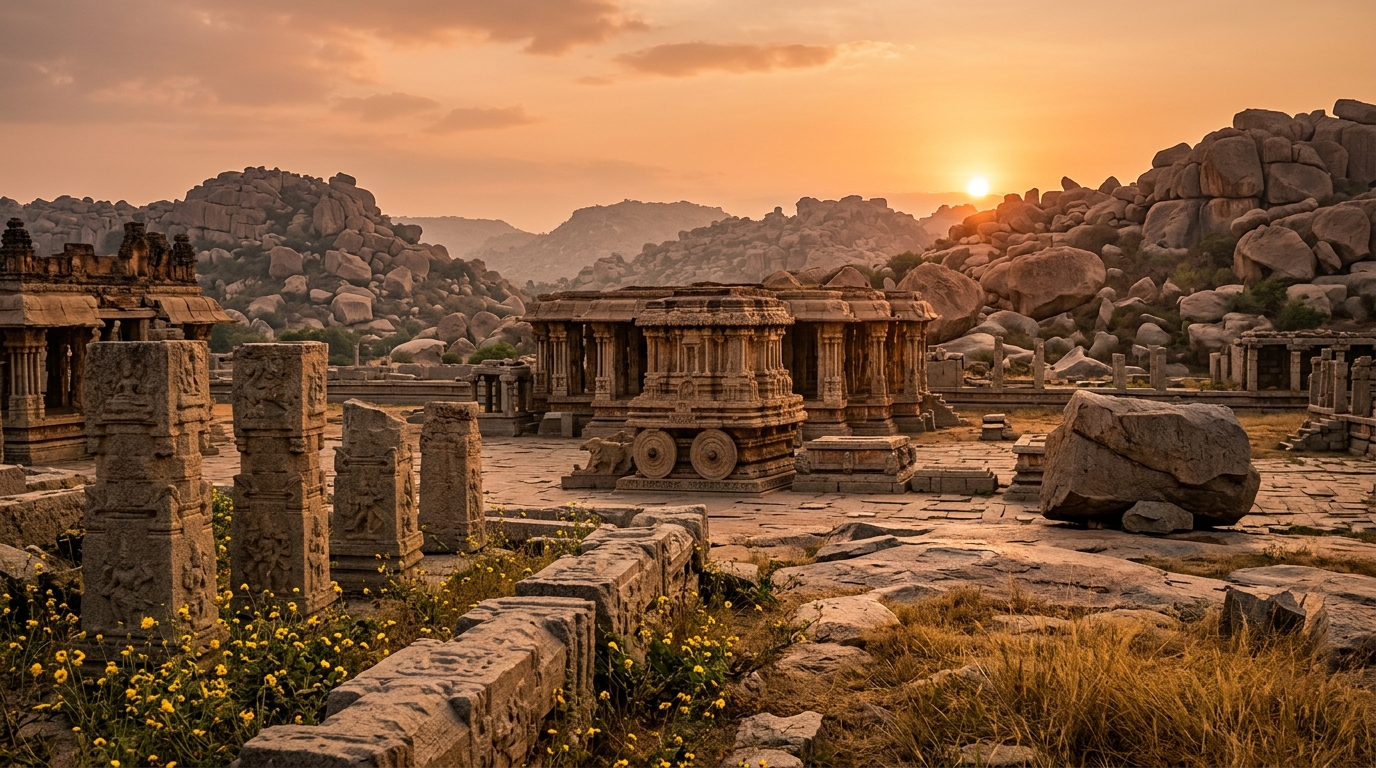
Critics of this route sometimes argue that skipping the ruins of Hampi is a major omission. They are not entirely wrong. But still, including Hampi in a short 10-day timeline adds nearly twelve hours of driving, which compromises the overall comfort of the trip. To maintain a realistic pace, keeping the focus on southern Karnataka is a much wiser decision for this particular south india travel plan.
Days 4 to 6: High Ranges and Tea Estates of Kerala
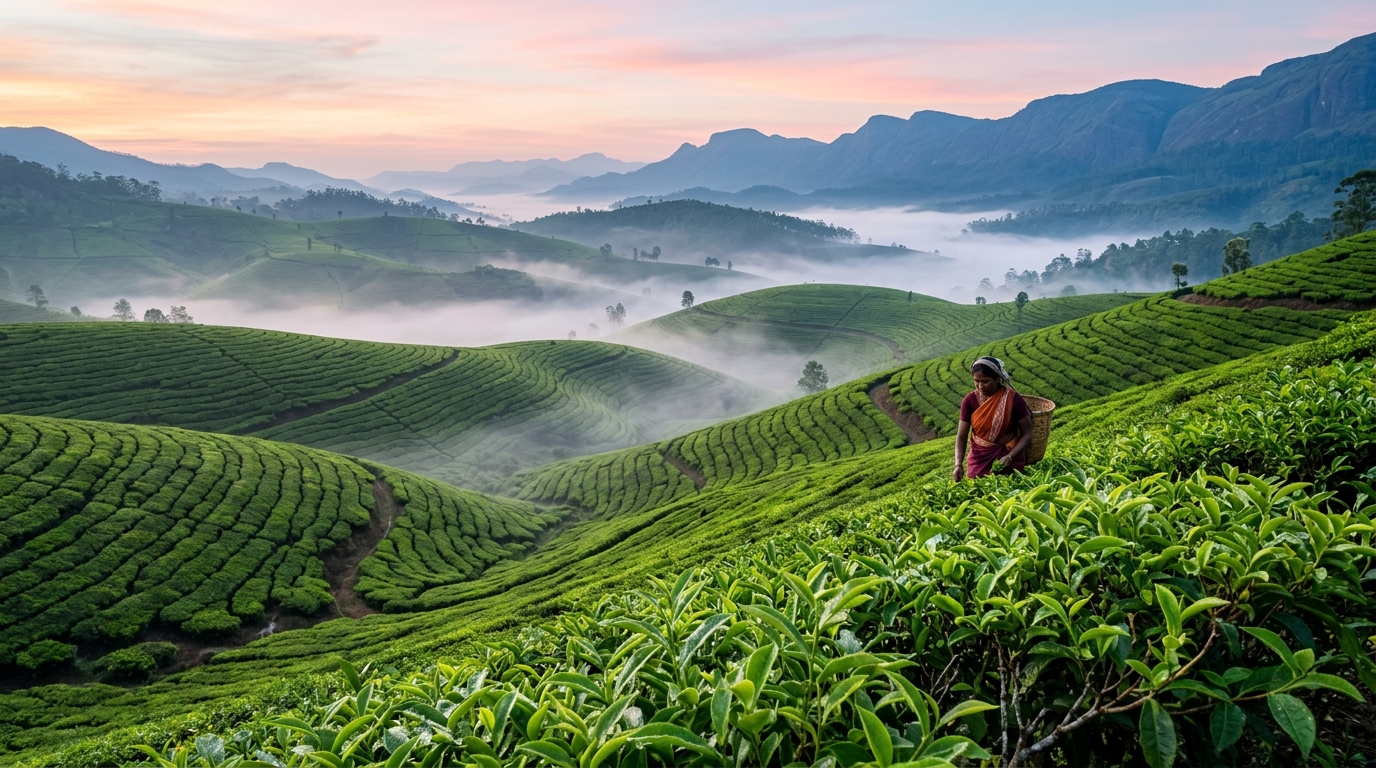
From the green heights of Coorg, the south india travel plan continues southward into Kerala, crossing the state border into Wayanad or proceeding directly toward the spectacular hill station of Munnar. This leg of the journey highlights the magnificent Western Ghats. The daily schedule for this phase includes:
- Day 4 (Transit & Munnar): Drive through scenic mountain passes, stopping at roadside waterfalls and spice gardens, before arriving in Munnar’s vast tea plantations.
- Day 5 (Eravikulam & Lockhart Museum): Spot the endangered Nilgiri Tahr at Eravikulam National Park and explore the history of tea-making at the Lockhart Tea Museum.
- Day 6 (Munnar to Thekkady): Head to Periyar National Park for a boat safari on the lake to spot wild elephants, and tour a local spice plantation to learn about pepper and cardamom farming.
This segment of the south india travel plan represents a complete change of pace. It replaces historical monuments with lush natural environments, proving that variety is essential to keeping a long journey engaging. As reported by regional tourism departments last season, these high-altitude destinations experience peak crowds during winter, making advanced reservations for park entries absolutely mandatory.
Days 7 to 10: Coastal Backwaters and Historic Tamil Nadu
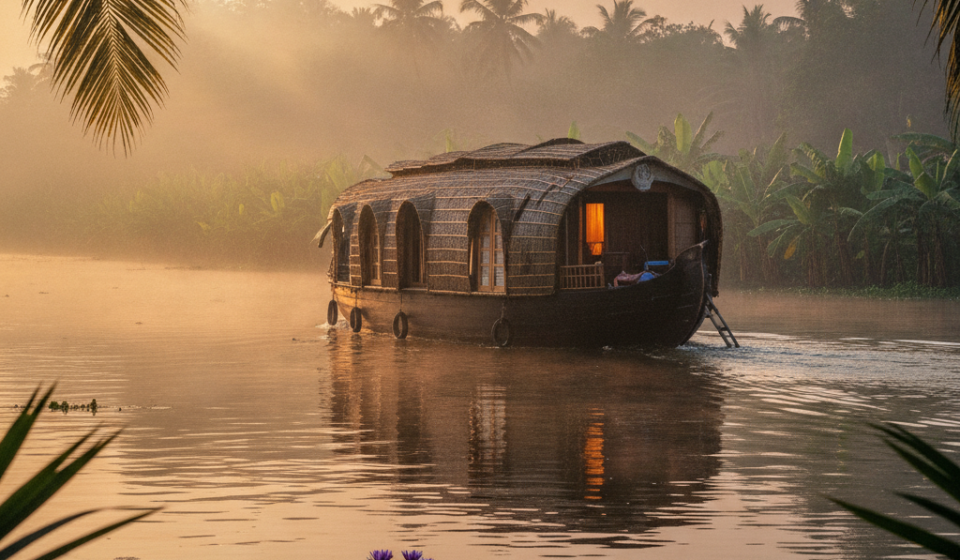
The final segment of this comprehensive south india travel plan moves from the mountains to the tranquil backwaters of Kerala before concluding in the temple towns of Tamil Nadu. On Day 7, travelers descend from Thekkady to Alleppey, the undisputed hub of backwater tourism. Booking a traditional houseboat (locally called a Kettuvallam) is a classic highlight of any south india travel plan. Drifting along the palm-fringed canals provides an intimate look at rural life in Kerala, where farming occurs below sea level.
For those interested in exploring Kerala’s scenic backwaters in greater depth, booking a specialized holiday is highly recommended. Travelers can find curated options on the TravelDham Kerala Packages page, which offers pre-arranged itineraries that simplify transport and houseboats.
On Day 8, the journey heads eastward across the border into Tamil Nadu, targeting the historic city of Madurai. Madurai is one of the oldest continuously inhabited cities in South India, centered around the spectacular Meenakshi Amman Temple. The towering gopurams (gateway towers) of this temple are covered in thousands of colorful stucco figures, presenting a visual experience unlike any other.
Day 9 involves a short journey to the coastal town of Rameshwaram or the cultural region of Chettinad, famous for its grand mansions and spicy, aromatic cuisine. Crossing the famous Pamban Bridge to reach Rameshwaram island remains a highly memorable highlight, offering dramatic views of the Indian Ocean stretching toward the horizon. On Day 10, the south india travel plan concludes in the coastal metropolis of Chennai or via transit from Madurai airport. This final leg ensures that travelers experience the profound spiritual heritage of Tamil Nadu, which serves as a fitting contrast to the tranquil nature of Kerala and the royal history of Karnataka. It brings a balanced end to an incredibly diverse journey.
Seasonal Weather and the Best Time to Visit
Understanding regional climate is essential when designing a south india travel plan. The southern peninsula experiences a tropical climate heavily influenced by monsoon systems. Generally speaking, the winter months represent the best time to visit south india, as temperatures are pleasant and humidity is relatively low. Identifying the best time to visit south india ensures that travelers avoid the intense heat of the pre-monsoon season (which, honestly, can get a bit humid).
The following table details seasonal variations across the primary travel zones:
| Season | Months | Average Temp | Travel Suitability |
|---|---|---|---|
| Winter (Peak) | October – March | 18°C – 30°C | Excellent for temple tours and coastal backwaters. |
| Summer (Off-Peak) | April – June | 28°C – 40°C | Best for hill stations like Munnar; plains are very hot. |
| Monsoon | July – September | 24°C – 32°C | Great for Ayurveda; potential travel disruptions. |
As far as current data suggests, visiting during winter ensures comfortable sightseeing. However, monsoon travel has its own charm, turning hills vibrant green. Heavy downpours can occasionally disrupt a tight south india travel plan. Therefore, winter remains the safest option for an uninterrupted holiday.
Essential Logistics and Packing Guidelines
A successful holiday relies on meticulous preparation. Because a south india travel plan often spans diverse terrains, packing correct items is extremely important. Travelers must prepare for varying cultural expectations as well as different microclimates.
Here is a list of essential items:
- Modest Clothing: Lightweight cottons are ideal. Temples require covered shoulders and knees.
- Warm Layers: Hill stations like Coorg can get cold at night, dropping to roughly 12 degrees Celsius.
- Appropriate Footwear: Slip-on shoes are recommended as footwear is removed frequently.
- Protection: High-SPF sunscreen and insect repellent are essential.
For those planning to visit Karnataka, using structured resources saves considerable time. Travelers can explore curated options on the TravelDham Bangalore and Mysore Packages page, which provide well-organized transport options. This takes the guesswork out of regional logistics, allowing travelers to focus on the cultural experience.
Travel Cost Estimations for a South Indian Tour
Budgeting accurately is a fundamental part of any south india travel plan. Overall costs vary depending on the standard of accommodation, transport preferences, and dining choices. Generally, South India offers excellent value for money.
The table below outlines estimated daily expenses per person:
| Category | Budget Tier (INR) | Mid-Range Tier (INR) | Luxury Tier (INR) |
|---|---|---|---|
| Accommodation | 1,500 – 3,000 | 4,500 – 8,000 | 15,000+ |
| Transport | 800 – 1,500 | 3,000 – 5,000 | 6,000 – 10,000 |
| Meals | 600 – 1,200 | 1,500 – 3,000 | 4,000 – 8,000 |
By establishing a clear budget early, travelers can make informed decisions about their south india travel plan. Opting for a private vehicle with a driver is highly recommended for mid-range travelers because it provides maximum flexibility. It eliminates the stress of coordinating local cabs, ensuring a smooth transit experience. Tipping drivers and guides is a common practice across the region, typically averaging roughly ten percent of the daily service fee depending on performance quality.
FAQs
Exploring a new region raises practical questions. The following inquiries address the primary operational concerns travelers face when organizing their journey.
What is the ideal duration for a South India travel plan?
A minimum of 10 to 14 days is ideal for a comprehensive south india travel plan. This duration allows travelers to experience at least two different states without spending excessive time in transit. Shorter trips should focus strictly on a single region.
Is it safe to travel solo in South India?
Generally speaking, South India is considered highly safe for solo travelers, though standard precautions apply. Using registered transport, staying in well-reviewed accommodations, and avoiding late-night transit in unfamiliar areas are recommended strategies for a secure south india travel plan.
How should one dress when visiting temples in South India?
Most active temples enforce a strict dress code. Men are typically expected to wear trousers or a traditional dhoti, while women should wear sarees, salwar kameez, or long skirts. Both shoulders and knees must be fully covered to ensure entry.
Conclusion
Constructing an effective south india travel plan is the key to enjoying a smooth, culturally rich journey through one of the most diverse areas of the subcontinent. By balancing royal heritage, misty hill stations, tranquil backwaters, and grand temple architecture, travelers can experience a profoundly rewarding holiday. While the sheer scale of the region can seem daunting, prioritizing a structured itinerary and respecting seasonal weather variations ensures a highly successful exploration. Whether traveling independently or booking a pre-arranged package through a trusted operator, planning with restraint and attention to detail remains the ultimate strategy for an unforgettable South Indian adventure.