Feathered Wonders: Discover the Top 10 Bird Sanctuaries in India for Birdwatching Enthusiasts

The geographical positioning of the Indian subcontinent makes it a vital junction for avian migration. Positioned along the Central Asian Flyway, the country serves as a wintering ground for hundreds of species escaping the harsh Siberian and Tibetan winters. Identifying the top 10 bird sanctuaries in india requires an appreciation of these diverse ecosystems, which range from saline lagoons to alpine forests. For decades, ornithologists have documented the arrivals of these feathered travelers, noting how seasonal variations dictate the ecological balance of wetlands and woodlands. Preserving these habitats remains a paramount conservation priority, especially as development challenges natural water systems. Exploring these locations offers an unparalleled window into the avian world, showcasing species that cross continents to find refuge. Selecting the premier locations for study involves assessing species richness, conservation status, and accessibility.
Key Takeaways
- Global Migration Junction: India lies directly along the Central Asian Flyway, attracting hundreds of migratory species each winter.
- Diverse Ecosystems: The top sanctuaries cover varied habitats from saline lagoons and brackish lakes to dense mangroves and inland wetlands.
- Peak Visiting Window: Most sanctuaries experience peak activity and maximum species diversity from November to February.
- Community Conservation: Several sites highlight successful community-led and historic conservation efforts.
Understanding India’s Avian Diversity
The vast Indian subcontinent features distinct biogeographic zones. Each zone supports specialized plant and animal life. From the Himalayan peaks down to the coastal mangroves of the south, the variety of habitats is immense. Understanding the top 10 bird sanctuaries in india requires looking at how these ecosystems function. These differences create niche environments for both resident and migratory birds. Key habitats across the subcontinent include:
- Northern Marshes and Wetlands: Ideal wintering grounds for heavy waterfowl, ducks, and geese escaping Siberian winters.
- Western Ghats Canopies: Dense evergreen forests that host numerous endemic passerines and forest-dwelling raptors.
- Coastal Mangroves & Estuaries: Nutrient-rich brackish waters perfect for wading birds, storks, and piscivorous species.
Many species of passerines (the scientific term for perching birds or songbirds) rely heavily on these sanctuaries for nesting and foraging. During the winter months, the influx of birds from Northern Europe and Central Asia dramatically alters the local population dynamics. Birdwatching in india is not merely a leisure activity. It is basically a journey through some of the most complex ecological networks in Asia. The presence of specialized conservation zones allows researchers to track global environmental changes through avian behavior. Each sanctuary serves as a living laboratory where climate shifts, water quality, and habitat health are continuously monitored.
The Criteria for Selection
Determining which locations earn a place on this list requires strict parameters. When compiling this list of the top 10 bird sanctuaries in india, the primary factors evaluated include:
- Species Density & Richness: The volume and variety of both local breeding populations and seasonal visitors.
- Presence of Endangered Species: The crucial role the habitat plays in hosting threatened or vulnerable global avian populations.
- Historical Conservation Significance: Long-term efforts, protection history, and ecological importance of the wetlands or woodlands.
- Accessibility & Infrastructure: Availability of eco-friendly tourism facilities, walking trails, and scientific research access.
Some remote areas remain protected to prevent human interference, yet they are crucial to the wider ecosystem. Many bird sanctuaries in India face ecological pressures from surrounding agricultural activities. But still, they remain essential references when defining the top 10 bird sanctuaries in india. This selection represents the most diverse, historically significant, and ecologically vital wetlands and woodlands in the country. They offer birdwatching in india enthusiasts the highest probability of spotting rare species while supporting long-term conservation initiatives at the best bird sanctuaries.
The Top 10 Bird Sanctuaries in India
The following selection highlights the premier destinations across the country. Each site offers unique ecological conditions that support both local breeding populations and seasonal visitors. These top 10 bird sanctuaries in india stand out due to their exceptional biodiversity and their international recognition as key biodiversity areas.
Keoladeo National Park, Rajasthan
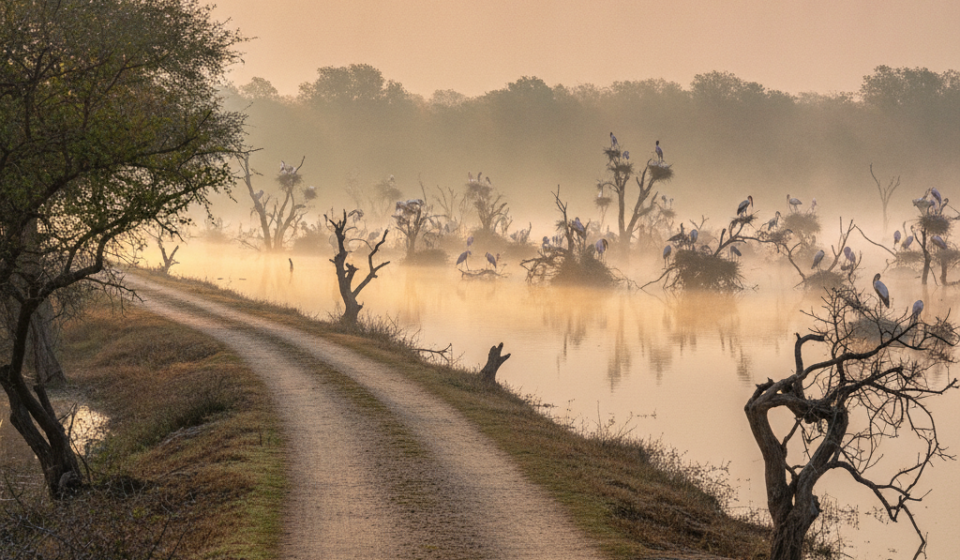
Situated in the historic state of Rajasthan, Keoladeo National Park is arguably the most famous wetland in Asia. Known historically as the Bharatpur Bird Sanctuary, it is a man-made and forest-managed wetland. Its development dates back over two centuries, initially serving as a private hunting reserve for local rulers. Today, it is a UNESCO World Heritage Site. According to a report published by the Bombay Natural History Society in 2024, Keoladeo hosts over 370 avian species within its roughly 29 square kilometers. This includes the highly endangered Siberian Crane, which historically wintered here (though sightings have become exceptionally rare in recent years). Visitors can traverse the park via bicycle or cycle rickshaws, which minimizes noise. For those planning a journey, booking a dedicated tour to Bharatpur provides an excellent opportunity to witness these nesting colonies up close. This site is undoubtedly a crown jewel among the top 10 bird sanctuaries in india, attracting ornithologists globally.
Chilika Lake Bird Sanctuary, Odisha
Chilika Lake is the largest coastal lagoon in India and the second-largest in the world. This brackish water estuary stretches across the districts of Puri, Khurda, and Ganjam. It hosts an incredible variety of migratory birds during the winter season. The sanctuary is firmly secured on the list of the top 10 bird sanctuaries in india due to its massive scale and productivity. Nalaban Island, located within the lagoon, is designated as a sanctuary and disappears during the monsoon season due to rising water levels. In the winter, the mudflats emerge to provide feeding grounds for shorebirds, herons, and various species of raptors. The Ramsar Convention secretariat documented that Chilika Lake supports over 1,000,000 waterbirds during peak winter, making it a critical site on the flyway. Visitors can charter boats to navigate the calm waters and observe the birds from a respectful distance.
Sultanpur Bird Sanctuary, Haryana
Sultanpur Bird Sanctuary is located in Haryana, offering a convenient escape for those based in the national capital region. Despite its relatively small size of approximately 1.42 square kilometers, it serves as a crucial entry within the top 10 bird sanctuaries in india. The park features a central lake that attracts both resident waterbirds and long-distance migrants. Some critics argue that artificial wetlands like Sultanpur do not offer authentic wilderness. They are not entirely wrong, but they underestimate how these managed habitats act as critical lifelines in urbanized zones. The sanctuary is home to resident species such as the painted stork, and the white ibis. Breeding occurs during the wet seasons. During winter, the lake becomes a haven for northern pintails, Eurasian wigeons, and common teals. The well-planned walking trail around the lake allows for uninterrupted views. It is an ideal spot for weekend birdwatching, offering a stark contrast to nearby urban sprawl.
Salim Ali Bird Sanctuary, Goa
Named after India’s preeminent ornithologist, the Salim Ali Bird Sanctuary is located on Chorao Island along the Mandovi River. This sanctuary occupies a unique position among the top 10 bird sanctuaries in india because of its extensive mangrove ecosystem. It is accessible only via a short ferry ride from Ribandar. This geography preserves its quiet environment. The dense mangrove forests serve as nursery grounds for fish and prawns, which in turn attract a high concentration of piscivorous birds. Visitors can traverse the mangrove swamp via a paved walkway or by taking a boat ride through the narrow canals. The sanctuary is home to striated herons, and western reef egrets. Various kingfishers also occupy the low branches. The elusive little bittern is also occasionally recorded here (often called a lifer, a birdwatcher’s term for the first-ever sighting of a species, by avid birdwatchers). Birding here requires patience, as the thick canopy can make visual spotting challenging. But still, the auditory experience of the forest is incredibly rewarding.
Kumarakom Bird Sanctuary, Kerala
Set against the backdrop of the famous Vembanad Lake (a critical regional water basin), the Kumarakom Bird Sanctuary is a premier destination in southern India. Spanning roughly 14 acres, this sanctuary is highly valued for its lush vegetation and waterbody networks. The geography makes it a vital part of the top 10 bird sanctuaries in india, particularly for studying breeding patterns of local waterfowl. The sanctuary is a preferred nesting ground for water ducks, Siberian storks, and darter birds. A network of walking paths winds through the rubber and coconut plantations, leading to wooden watchtowers that offer panoramic views. For those exploring the southern peninsula, booking a custom itinerary through Kerala offers a seamless way to combine birdwatching with the region’s famous backwater cruises. The early morning hours are particularly magical here, as the mist rises off the lake to reveal hundreds of nesting herons.
Vedanthangal Bird Sanctuary, Tamil Nadu
Vedanthangal holds the distinction of being one of the oldest waterbird sanctuaries in India, with a documented protection history spanning more than two centuries. Located in the Chengalpattu district, it is one of the oldest entries in the top 10 bird sanctuaries in india. The sanctuary is a classic example of community-based conservation. For generations, local villagers have protected nesting birds, recognizing that bird droppings (guano) enrich the lake water, which they use to irrigate their agricultural fields. This symbiotic relationship has kept the sanctuary thriving. The central lake is dotted with Barringtonia trees, which provide perfect nesting platforms for thousands of breeding birds. During the peak season, one can observe spectacular colonies of spot-billed pelicans, Asian openbills, and spoonbills. The compact nature of the sanctuary allows for close-up observations without disturbing the nesting pairs, making it a favorite for researchers.
Ranganathittu Bird Sanctuary, Karnataka
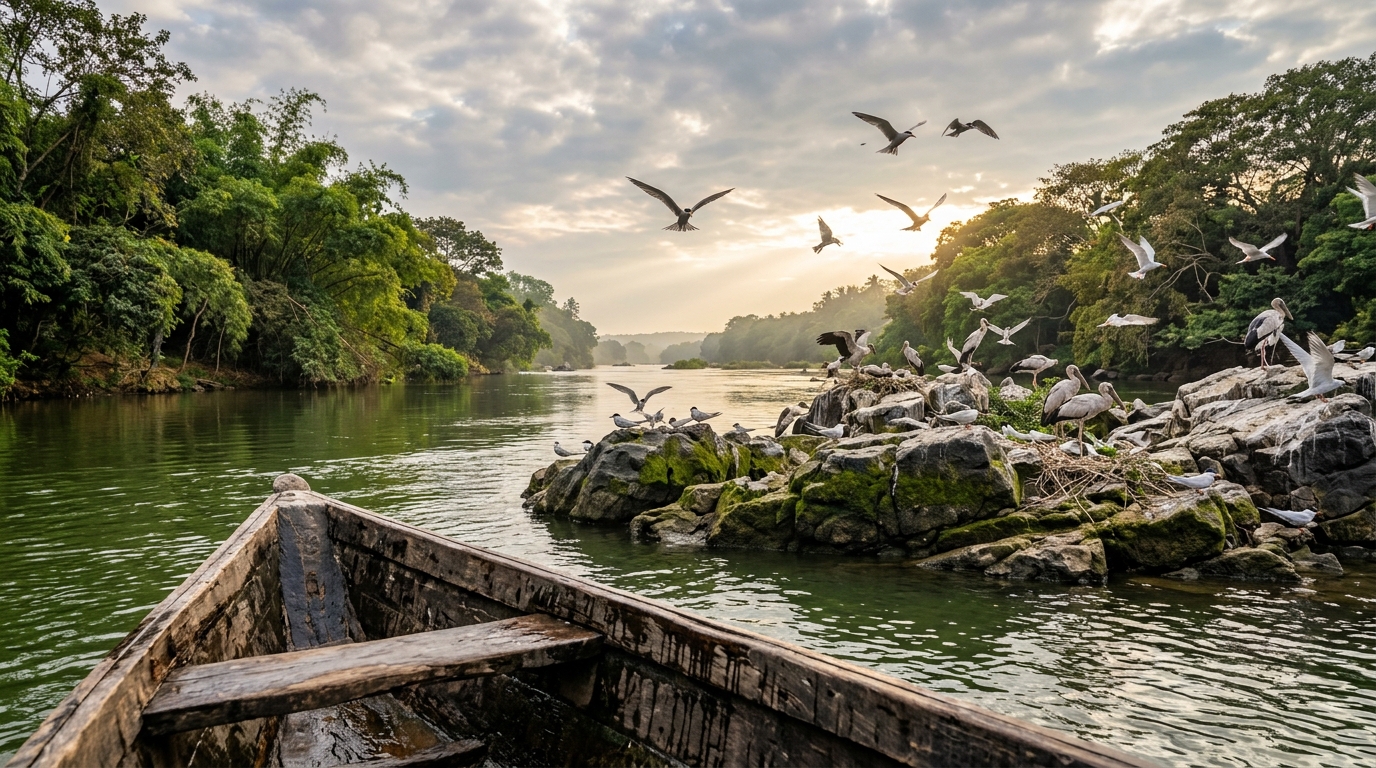
Ranganathittu Bird Sanctuary is located on the banks of the Kaveri River near the historic town of Srirangapatna. Comprising six small islets, this sanctuary is indispensable to any guide on the top 10 bird sanctuaries in india. The islets were formed when a dam across the Kaveri River was constructed in the eighteenth century, creating a unique riverine wetland ecosystem. The legendary Dr. Salim Ali recognized the ecological value of these islands and persuaded the King of Mysore to declare it a protected area. Today, visitors explore the sanctuary via guided boat tours, which glide past rocky outcrops. These rocks are often shared by nesting openbill storks, river terns, and mugger crocodiles. The presence of these large reptiles adds a dramatic element to the birdwatching experience. The constant flow of the river ensures a steady supply of food, making the sanctuary active throughout the year.
Nal Sarovar Bird Sanctuary, Gujarat
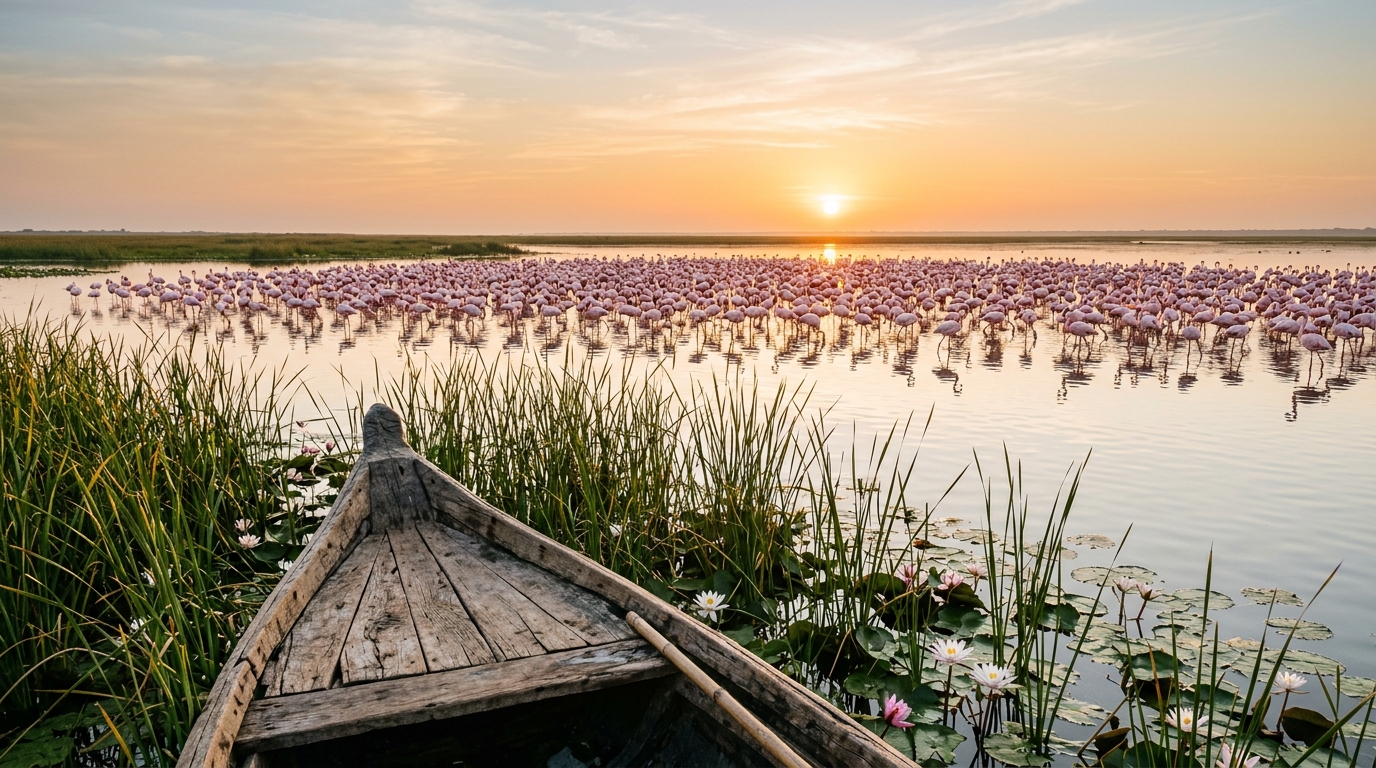
Nal Sarovar Bird Sanctuary, situated in Gujarat, consists of a massive shallow lake and associated mudflats. Covering an area of over 120 square kilometers, its expansive scale distinguishes it among the top 10 bird sanctuaries in india. The sanctuary is a vital stopover on the migratory route, attracting millions of waterfowl during the dry winter months. The shallow depth of the lake (rarely exceeding several feet) allows wading birds to forage easily across vast distances. The primary attraction here is the large flocks of greater and lesser flamingos, which paint shallow waters a brilliant pink. Visitors can hire traditional wooden boats rowed by local fishermen to reach remote islands within the lake. In addition to flamingos, Nal Sarovar hosts purple swamphens, pelicans, and various species of ducks. The vastness of the horizon combined with the quiet rustle of reeds creates an unforgettable wilderness experience.
Thattekad Bird Sanctuary, Kerala
Thattekad Bird Sanctuary, also known as the Salim Ali Bird Sanctuary of Kerala, is located on the northern bank of the Periyar River. This sanctuary is highly regarded in the list of the top 10 bird sanctuaries in india due to its incredibly rich evergreen forest cover. Dr. Salim Ali once described Thattekad as the richest bird habitat on peninsular India, comparable only to the Eastern Himalayas. Despite its modest size of about 25 square kilometers, it boasts an incredibly high concentration of species, particularly forest birds. The sanctuary is famous for rare sightings of the Sri Lanka frogmouth, mountain hawk-eagle, and jerdon’s nightjar. Dense tropical deciduous vegetation provides shelter to both resident forest species and wintering migrants. Exploring forest paths requires an experienced local guide, as many species are highly camouflaged. It remains a critical site for studying the distribution of Western Ghats endemic species.
Pulicat Lake Bird Sanctuary, Andhra Pradesh
Pulicat Lake is the second-largest brackish water ecosystem in India, stretching across Andhra Pradesh and Tamil Nadu. The bird sanctuary itself is located primarily within Andhra Pradesh, serving as the final entry in this assessment of the top 10 bird sanctuaries in india. The barrier island of Sriharikota separates the lake from the Bay of Bengal, creating a protected lagoon environment. Pulicat is particularly famous for its flamingo festival, which takes place during winter when thousands of these birds arrive to feed in the nutrient-rich waters. The vast mudflats are also home to painted storks, grey pelicans, and numerous species of migratory waders. The sheer scale of the lagoon means that birds are often distributed over large areas, requiring patience and binoculars for detailed observation. The preservation of this lagoon is essential, as it acts as a buffer against coastal storms while supporting thousands of local fishing families.
Comparative Summary of Selected Sanctuaries
To assist travelers and researchers in planning their itineraries, the key characteristics of the top 10 bird sanctuaries in india are summarized in the table below. Each site offers a distinct combination of habitat types, primary species, and optimal visiting windows.
| Sanctuary Name | State Location | Best Season to Visit | Primary Bird Species Observed |
|---|---|---|---|
| Keoladeo National Park | Rajasthan | November to February | Painted Storks, Siberian Cranes, Herons |
| Chilika Lake Sanctuary | Odisha | November to February | Flamingos, Shorebirds, Raptors |
| Sultanpur Bird Sanctuary | Haryana | October to March | Painted Storks, Pintails, Teals |
| Salim Ali Sanctuary | Goa | November to February | Kingfishers, Striated Herons, Bitterns |
| Kumarakom Sanctuary | Kerala | June to August, Nov to Feb | Water Ducks, Siberian Storks, Darters |
| Vedanthangal Sanctuary | Tamil Nadu | November to March | Spot-billed Pelicans, Spoonbills, Ibis |
| Ranganathittu Sanctuary | Karnataka | November to June | River Terns, Openbill Storks, Pelicans |
| Nal Sarovar Sanctuary | Gujarat | November to February | Greater Flamingos, Pelicans, Coots |
| Thattekad Sanctuary | Kerala | October to March | Sri Lanka Frogmouth, Hornbills, Drongos |
| Pulicat Lake Sanctuary | Andhra Pradesh | October to March | Flamingos, Painted Storks, Waders |
As observed in the comparative table, seasonal variations play a vital role in determining when to visit. While some sites like Ranganathittu remain active during the monsoon due to local river systems, others like Nal Sarovar require the winter dry season to expose the mudflats. Planning a trip to these destinations requires aligning travel dates with migration schedules to maximize the chance of sightings at these best bird sanctuaries.
Key Travel and Booking Information
Visiting the top 10 bird sanctuaries in india requires careful planning, particularly regarding entry permits and local regulations. Many of these sites are managed as protected national parks or reserves, meaning that entry is strictly regulated by state forest departments. To ensure a seamless and respectful birdwatching experience, keep the following practical tips in mind:
- Permit & Access Checks: Check in advance with state forest department websites, as specific zones within several national parks require pre-booked permits.
- Hire Registered Guides: Always utilize registered local birding guides who possess expert knowledge of endemic calls and nesting behavior.
- Gear Selection: Bring high-quality binoculars, a camera with a telephoto lens (minimum 300mm), a field guide, and quiet, earth-toned clothing.
- Observe Ethical Conduct: Never use playback calls to attract species, avoid flash photography, and always maintain a safe distance from nesting trees.
Travelers should also consider purchasing comprehensive travel insurance and organizing their logistics in advance. For domestic travels, consulting specialized tour platforms can simplify booking processes for both accommodation and local transport. It is advisable to pack appropriate gear, including high-quality binoculars, field guides, and muted clothing to avoid startling wildlife. Respecting sanctuary rules, such as staying on designated paths and minimizing noise, ensures these ecosystems remain undisturbed for future generations. For a comprehensive look at other exceptional destinations within the country, exploring curated domestic tour packages can provide valuable travel inspiration for touring the top 10 bird sanctuaries in india.
FAQs
The following questions cover the essential logistical and ecological details required for a successful birdwatching expedition.
What is the best time to visit the top 10 bird sanctuaries in india?
The prime wintering window, spanning from November to February, is generally the best time to visit the top 10 bird sanctuaries in india. During these months, the influx of migratory birds from Siberia, Central Asia, and Europe reaches its peak. However, certain southern sanctuaries like Vedanthangal or Kumarakom may also experience significant nesting activity during the monsoon and post-monsoon months. It is always recommended to check local water levels before scheduling a visit, as dry conditions can cause birds to disperse early.
Which of the top 10 bird sanctuaries in india is the largest?
Chilika Lake Bird Sanctuary in Odisha is the largest among the top 10 bird sanctuaries in india, covering an area of over 1,100 square kilometers during the peak season. It is followed by Nal Sarovar Bird Sanctuary in Gujarat, which spans roughly 120 square kilometers. These vast water bodies provide expansive feeding and nesting grounds that can support millions of birds simultaneously.
Are the top 10 bird sanctuaries in india suitable for professional photography?
Yes, these conservation reserves offer exceptional opportunities for bird photography, though specific rules and fees apply. Most of the top 10 bird sanctuaries in india require a separate fee for professional camera equipment, especially telephoto lenses. Using a tripod or boat mount can help stabilize shots, particularly when photographing nesting colonies from a distance. Photographers must strictly adhere to ethical guidelines, ensuring they do not disturb nesting sites or use playback calls to attract birds.
How does climate change affect migratory patterns in the top 10 bird sanctuaries in india?
Climate change represents a significant challenge to the migratory routes and seasonal calendars of many species featured in the top 10 bird sanctuaries in india. Rising global temperatures have caused shifts in the departure dates of birds from northern breeding grounds, sometimes resulting in mismatched arrival times with local insect hatches. Furthermore, changing rainfall patterns can lead to either severe droughts or unexpected flooding within these wetlands, altering the food availability. Conservationists monitor these shifts closely to adapt habitat management strategies accordingly.