
The southern peninsula of India has always existed as a distinct cultural geography. It is defined by ancient stone temples, dense tropical forests, and a slow, rhythmic way of life. For decades, travelers focused their attention on the northern golden triangle. Today, that preference has shifted significantly. More travelers are seeking the quiet elegance of the south. Planning a comprehensive South India travel plan is like drafting a map through multiple distinct civilizations. Each state offers its own language, culinary heritage, and architectural philosophy. The region demands a deliberate approach to travel. It cannot be rushed in a single hurried vacation. Instead, a successful journey relies on understanding how the geographic zones connect. It requires knowing when to linger in the misty hills and when to follow the coastal trade routes.
Key Takeaways for Your South India Travel Plan
- Choose Your Theme: Match your preferences with either the breezy coastal routes, the historic temple-dense cultural corridors, or the misty hill stations.
- Optimum Duration: A 10-to-14-day itinerary is recommended to experience a couple of diverse regions without fatigue.
- Best Season: Travel between October and March to enjoy cooler, dry weather across the southern states.
- Respect Local Norms: Modest dressing and removing footwear are mandatory protocols when visiting sacred temples.
- Logistics: Secure pre-booked private vehicles or select premium train classes to navigate between destinations comfortably.
Choosing Your South India Route: Coastal, Cultural, or Hill Station?
A common mistake when designing a South India travel plan is attempting to cover the entire southern tip in a single week. For a free independent traveler (an industry term often referred to as F.I.T.), the geography is deceptively vast. Roughly speaking, the territory divides into three distinct thematic experiences. Each requires a different pacing and logistical approach.
The first is the coastal route, which tracks the Arabian Sea on the west and the Bay of Bengal on the east. This path highlights the serene backwaters of Kerala, the French colonial architecture of Pondicherry, and the fishing villages of Tamil Nadu. The coastal route is generally characterized by humid weather, slow sea breezes, and seafood-heavy culinary traditions. It suits those seeking a relaxed, meditative journey.
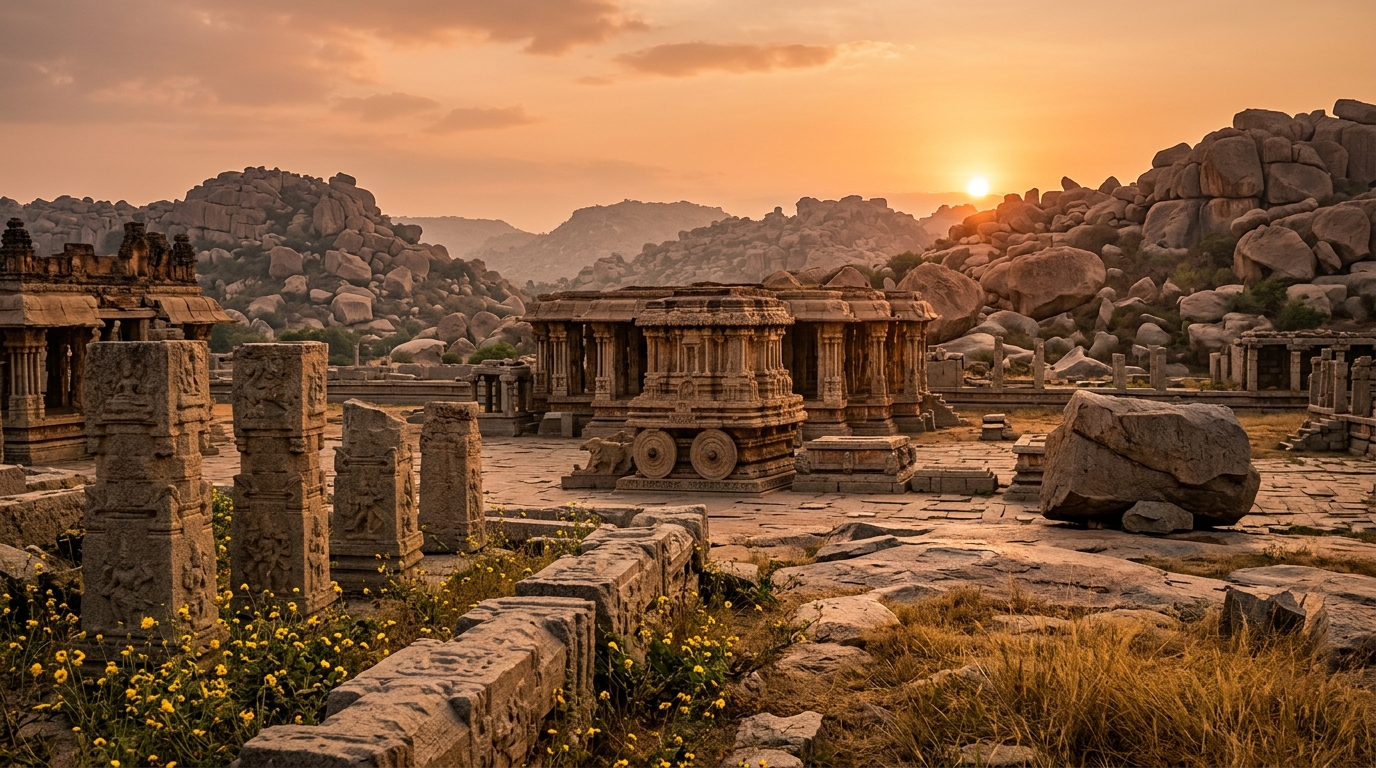
The second theme is the cultural route. This path focuses on the historic heartlands of the Vijayanagara and Chola empires. Here, the architectural wonders of Hampi, Madurai, and Thanjavur present an overwhelming display of Dravidian stone-carving. This route is intellectually rich but physically demanding. It involves traversing dusty plains and walking through vast temple complexes.
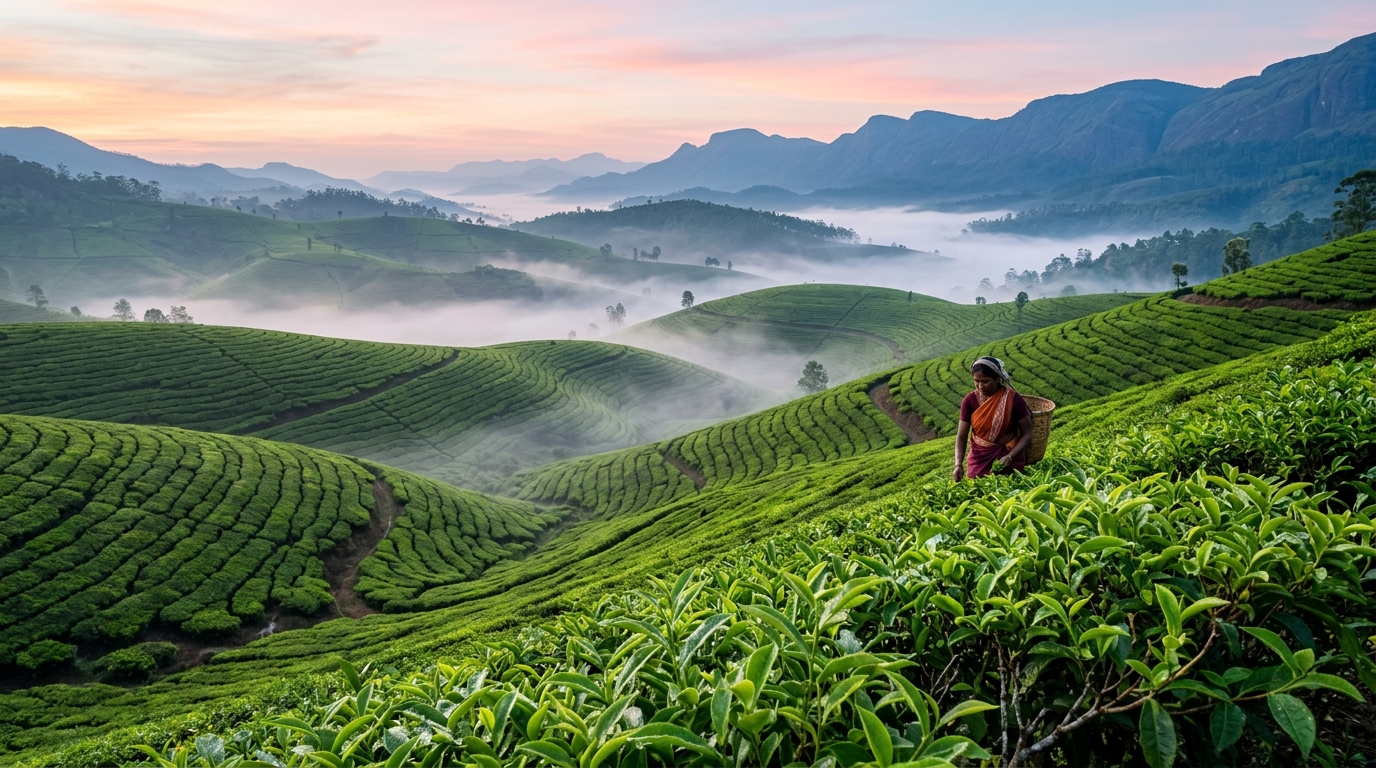
The third theme is the hill station route. This route ascends into the Western Ghats (a mountain range older than the Himalayas). It winds through the tea and coffee plantations of Coorg, Ooty, and Munnar. The climate here is perpetually cool. This makes it a popular escape from the tropical heat of the plains.
| Route Theme | Core Highlights | Travel Pacing | Best Suited For |
|---|---|---|---|
| Coastal Route | Kerala backwaters, Pondicherry, French Quarter | Relaxed & Leisurely | Couples, nature lovers, foodies |
| Cultural Route | Hampi, Madurai, Thanjavur, ancient stone temples | Fast & Physically Active | History buffs, photography enthusiasts |
| Hill Station Route | Munnar, Coorg, Ooty tea & coffee plantations | Moderate & Refreshing | Families, adventure seekers, hikers |
Understanding these divisions is a critical first step of any South India travel plan. Most travelers find that combining two of these themes yields the most satisfying experience. For instance, pairing the cultural heritage of Mysore with the high-altitude plantations of Coorg offers an excellent contrast of climate and history.
The Ultimate 10-Day South India Travel Plan Itinerary
For those organizing a first visit, a structured timeline is essential to prevent travel fatigue. Distances between states can be substantial. Roads in mountainous regions often require slower transit speeds. Critics say a shorter trip is easier. They are not entirely wrong, but they underestimate how rushing ruins the meditative pace of the south. A well-constructed 10-day South India travel plan balances transit time with deep exploration. It ensures that travelers do not spend their entire holiday inside a vehicle. This itinerary is designed to showcase the diverse faces of the region. It moves from the historical kingdoms of Karnataka down to the peaceful waterways of Kerala.
Days 1-3: Cultural Heritage in Bangalore and Mysore
The journey begins in Bangalore, officially known as Bengaluru. The city serves as an ideal entry point because of its international flight connectivity and modern infrastructure. Bangalore presents a fascinating contrast of rapid technological expansion and historic colonial parks. A single day is usually sufficient to explore the Bangalore Palace and the sprawling Lalbagh Botanical Garden.
On the second morning, the journey moves southward toward Mysore (historically known as Mysuru). The drive takes roughly three hours along a modern expressway. Mysore is the cultural capital of Karnataka. The primary attraction is the Mysore Palace. This Indo-Saracenic masterpiece is illuminated by thousands of light bulbs on Sunday evenings.
Key highlights of this cultural stretch include:
- Lalbagh Botanical Garden: A peaceful haven in high-tech Bangalore showcasing historic glasshouses and rare flora.
- Mysore Palace: The centerpiece of regional royalty, spectacular when illuminated on Sunday evenings.
- Chamundi Hill & Temple: Offering sweeping aerial views of Mysore city alongside deep spiritual experiences.
- Devaraja Market: A vibrant sensory hub filled with colorful mounds of spices, traditional incense, and fresh flowers.
Incorporating these cities is key to a balanced South India travel plan. The transition from the high-tech energy of Bangalore to the royal heritage of Mysore serves as a gentle introduction to the region. This starting sequence is easy to integrate into a 10-day South India travel plan.
Days 4-6: Nature and Coffee Estates in Coorg
From Mysore, the landscape shifts dramatically as the road climbs into the misty hills of Coorg (also known as Kodagu). The journey takes approximately three and a half hours. Coorg is often referred to as the Scotland of India. It is a region defined by endless coffee plantations, spice gardens, and dense forests.
Staying in a traditional plantation homestay is highly recommended to experience local Kodava hospitality. Main attractions include:
- Namdroling Monastery (Golden Temple): Located in Bylakuppe, this site houses one of the largest Tibetan communities in India, where hundreds of young monks pray in unison.
- Abbey Falls: A dramatic waterfall nested within lush spice and coffee plantations.
- Raja’s Seat: A panoramic viewpoint historically favored by kings to watch the sunsets over the rolling hills of mist.
A nature-centric South India travel plan should always feature Coorg because of its biodiversity and tranquil atmosphere. For those seeking curated experiences, TravelDham Coorg packages offer excellent guided estate walks, local coffee tastings, and authentic homestay bookings. This makes it simple to customize this part of your South India travel plan.
Days 7-10: Serene Backwaters and Houseboats of Kerala
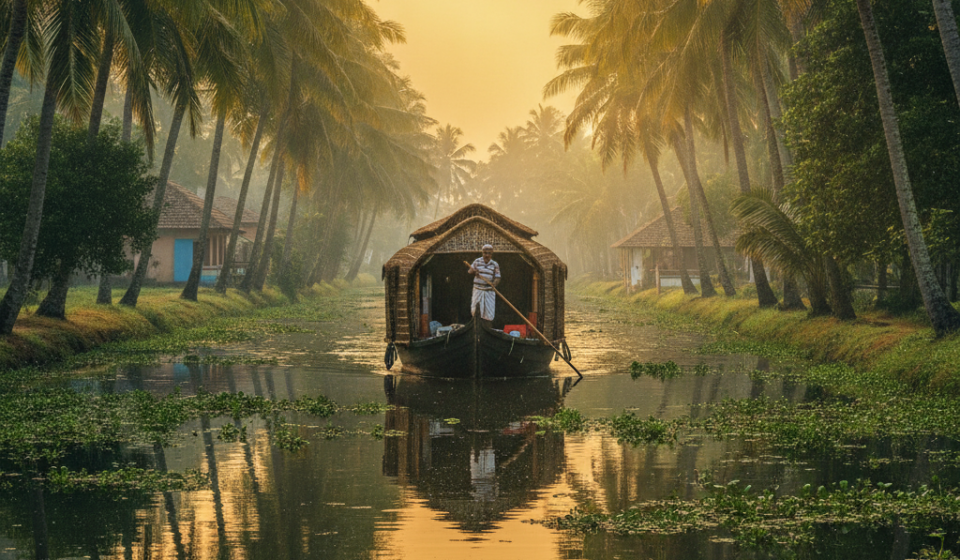
The final leg of the journey crosses the state border into Kerala, known globally as God’s Own Country. The most efficient way to reach the backwaters is to take a train or a private vehicle toward Cochin (Kochi), and then proceed to Alleppey (Alappuzha).
Alleppey is the heart of the backwater network. Here, the unique labyrinth of canals, lakes, and lagoons supports an ancient aquatic lifestyle. Key activities during this water-centric leg include:
- Overnight Kettuvallam stay: Renting a traditional wooden houseboat built using age-old techniques with coir knots.
- Scenic Cruising: Drifting down quiet waters lined with expansive coconut groves and rural green paddy fields.
- Fort Kochi Heritage Walk: Visiting the iconic Chinese fishing nets and historic spice markets of Cochin.
As the houseboat glides slowly past coconut groves and paddy fields, the pace of life slows to a crawl. The sheer tranquility of this environment makes this leg of the South India travel plan iconic. It provides a peaceful conclusion to an active journey. Exploring the historic spice markets and Chinese fishing nets of Fort Kochi is also highly recommended for any South India travel plan. For a hassle-free trip, travelers can explore curated TravelDham Kerala packages to arrange premium houseboat stays and seamless transfers.
Essential Places to Visit in Tamil Nadu and Pondicherry
While the 10-day itinerary focuses on Karnataka and Kerala, a comprehensive overview must include the eastern coast. Tamil Nadu is a land of monumental temples and classical traditions. It presents a stark contrast to the forested hills of the west.
The journey along this coast usually begins in Chennai, the state capital. From Chennai, travelers can drive south along the scenic East Coast Road to Mahabalipuram (Mamallapuram). This UNESCO World Heritage site is famous for its 7th-century rock-cut temples and shore temples. The stone-carvings here depict mythological scenes with incredible precision.
Further south lies Pondicherry (Puducherry), a former French colonial enclave. Pondicherry retains a distinct Mediterranean atmosphere, where mustard-colored colonial villas and quiet cobblestone streets contrast with the bustling Tamil quarters.
Visiting the experimental township of Auroville, which focuses on human unity, is highly recommended. Tamil Nadu remains a focal point for a culture-rich South India travel plan.
For those with more time, Madurai and Thanjavur offer a deep dive into Chola and Pandya history. The Meenakshi Temple features towering gopurams covered in thousands of colorful stucco figures, serving as a highlight when optimizing your South India travel plan. This unique blend is perfect to round off a coastal South India travel plan.
Practical Travel Tips for South India
Navigating a foreign or unfamiliar region requires preparation. The southern states of India are highly progressive and possess excellent infrastructure. But still, minor logistical differences can impact the travel experience. Paying attention to transport options, weather changes, and local customs ensures a smooth journey. Here are the essential tips for managing the logistics of your South India travel plan.
Best Time to Visit South India
The climate of South India is tropical, bringing high temperatures and humidity throughout the year. Monsoon patterns are crucial to align with your South India travel plan.
The winter months, from October to March, are the ideal time to visit. During this period, temperatures are moderate, ranging from 15 degrees Celsius in hill stations like Coorg to 30 degrees Celsius on the plains, making sightseeing comfortable.
The summer brings intense heat, while monsoon rains can disrupt road travel. The monsoon hits the Malabar coast first before spreading inland. Therefore, winter remains the most reliable window for your South India travel plan.
How to Get Around: Local Transport Options
The southern states are well-connected by railways and highways. Choosing the right transport is essential for maintaining your pace and ensuring viable mobility options for your South India travel plan.
For long distances, the Indian Railways network is highly efficient. Booking air-conditioned sleeper classes (such as 2AC or 3AC) is recommended for comfort. For shorter journeys, hiring a private car with a professional driver is the most convenient option. This allows travelers to stop at scenic spots, manage their own schedule, and avoid local bus routes. Utilizing travel agencies to arrange private vehicles guarantees smooth transitions throughout your South India travel plan.
Cultural Etiquette and Temple Norms
South India is deeply traditional. Temples are active places of worship, not just historical monuments.
When entering any temple, visitors must remove their footwear. Dress codes are strictly enforced in traditional sites. Both men and women should wear clothing covering shoulders and knees. Loose cotton trousers and traditional kurtas are ideal choices. Additionally, photography is often prohibited inside the innermost sanctums. Being mindful of these practices prevents misunderstandings. It is essential to include these temple entry rules in your South India travel plan.
Budget Estimation and Packing List
A successful journey requires clear financial planning and appropriate gear. South India accommodates all budgets, from luxury palace hotels to budget-friendly homestays. Managing costs and packing smartly ensures a stress-free experience. This section outlines the financial mapping of your South India travel plan.
The table below provides a realistic cost breakdown based on different travel styles:
| Travel Tier | Estimated Daily Cost (Per Person) | Key Inclusions |
|---|---|---|
| Budget | INR 2,500 – 4,000 | Standard guesthouses, public transport, local eateries, and self-guided monument visits. |
| Mid-Range | INR 5,000 – 9,000 | 3-star heritage hotels, private AC car transfers, guided tours, and mid-range restaurants. |
| Luxury | INR 12,000 – 25,000+ | 5-star heritage palaces, luxury houseboat rentals, private specialized guides, and fine dining. |
When packing for the region, the general rule is to prioritize light, breathable fabrics due to the tropical humidity. Here is a detailed checklist of essential items to pack to streamline your South India travel plan:
- Clothing: Light cotton or linen t-shirts, loose trousers, long skirts, and a light shawl or scarf (useful for covering shoulders at religious sites).
- Footwear: Slip-on shoes or sandals that are easy to remove at temples, along with comfortable walking shoes for city tours.
- Sun Protection: High-SPF sunscreen, polarized sunglasses, and a wide-brimmed hat.
- Health and Hygiene: Mosquito repellent with DEET, personal medications, and hand sanitizer.
- Electronics: Universal power adapters, a reliable power bank, and a water-resistant dry bag (especially important for boat rides in the Kerala backwaters).
FAQs
To help with the final details of your preparation, here are the answers to the most common questions regarding the journey.
How many days are enough for a South India trip?
While a brief 7-day trip can cover a single state, a comprehensive journey requires more time. Roughly speaking, 10 to 14 days is the ideal duration for a primary South India travel plan. This timeframe allows travelers to combine at least two distinct regions, such as Karnataka and Kerala, without spending too much time on the road. A longer stay of three weeks is recommended if you wish to include Tamil Nadu and the deep southern tip of Kanyakumari.
Is South India safe for solo travelers?
Generally speaking, South India is considered highly safe for solo travelers, including women. The local communities are welcoming, and English is widely spoken across cities and tourist destinations. But still, standard travel precautions apply. It is advisable to avoid traveling alone late at night in unfamiliar areas and to use registered taxis or ride-hailing apps for transportation. Booking stays through recognized homestays or premium tour operators adds an extra layer of security. This makes it safe to incorporate in a South India travel plan.
What are the must-try dishes in South India?
The culinary landscape of the south is diverse and distinct from northern Indian cuisine. Rice is the staple grain, and coconut, mustard seeds, and curry leaves are widely used. Must-try dishes include the Masala Dosa (crisp rice crepes filled with spiced potato), Idli and Vada (steamed rice cakes and savory lentil donuts served with sambar and coconut chutney), and the aromatic Malabar Parotta with chicken curry. In coastal regions, traditional fish curry cooked in clay pots is an absolute highlight. Exploring these distinct culinary styles is a vital component of any authentic South India travel plan.