
The southern peninsula of India presents a geographical and cultural situation of immense depth, where ancient stone temples share the horizon with mist-shrouded tea plantations and tranquil brackish waters. While northern itineraries often dominate the initial discourse on Indian tourism, designing a comprehensive south india travel plan offers an entirely distinct encounter characterized by architectural sophistication, culinary complexity, and ecological diversity. The region is not merely a geographic division but a collection of distinct cultural states, each preserving its own linguistic heritage and artistic traditions. Translating this vast territory into a cohesive journey requires deliberate logistical strategy rather than spontaneous exploration. A successful south india travel plan must balance the slow rhythm of the coastal backwaters with the dense, historic scale of the metropolitan temple complexes, ensuring that each destination is allocated sufficient time for genuine appreciation.
Key Takeaways for Your South India Travel Plan
- Prioritize Depth Over Breadth: Avoid rushing across multiple states; focus on one or two distinct regions to minimize transit fatigue and truly immerse yourself.
- Select Your Travel Axis: Choose a theme—such as coastal waterways (Kerala), monumental temple heritage (Tamil Nadu), or wildlife and coffee plantations (Karnataka)—to anchor your itinerary.
- Plan for the Climate: Aim for the dry winter months (December to February) for perfect weather, or choose the monsoon season specifically for authentic Ayurvedic wellness.
- Optimize Your Logistics: Combine private chauffeured vehicles for regional flexibility with the Indian Railways network for efficient long-distance overnight transfers.
- Protect Your Journey: Secure comprehensive travel insurance and book key transportation up to 120 days in advance to ensure a smooth, worry-free vacation.
Defining the Scope of a South India Travel Plan
The primary challenge of structuring an itinerary across the southern states lies in the sheer scale of the territory. Many travelers arrive with the expectation of traversing multiple states in a single week, only to spend the majority of their valuable time in transit. The success of any south india travel plan depends on a realistic assessment of geography and transit infrastructure. The southern peninsula covers over 640,000 square kilometers, encompassing diverse topographies ranging from the high-altitude Western Ghats to the low-lying coastal plains of the Arabian Sea and the Bay of Bengal.
When formulating a south india travel plan, travelers must adopt the mindset of a Free Independent Traveler (FIT) – a professional term referring to individuals who eschew mass-market tour groups in favor of tailored, highly specific itineraries. In this context, prioritizing depth over breadth is paramount. For example, trying to combine the deep Dravidian temple culture of eastern Tamil Nadu with the dense forests of western Karnataka in a ten-day window will inevitably result in travel fatigue (and a significant waste of resource efficiency).
Instead, the planning phase should begin by selecting a primary geographic axis. This choice is typically dictated by whether the traveler seeks cultural immersion, natural relaxation, or historical exploration. By dividing the peninsula into distinct, manageable corridors, the logistics become far more predictable, allowing for a highly curated experience that respects the historical and cultural boundaries of each sub-region. Core axes include:
- Cultural Immersion: Best experienced through the grand living temple complexes and rich artistic traditions of Tamil Nadu.
- Natural Relaxation: Found along the tranquil coastal backwaters, beaches, and wellness retreats of Kerala.
- Historical Exploration: Encompassed in the massive medieval ruins, royal palaces, and national parks of Karnataka.
Categorizing the Southern Regions
To establish an effective travel architecture, it is necessary to categorize the southern states based on their primary cultural and physical characteristics. Each region offers a distinct atmosphere, and understanding these distinctions prevents thematic redundancy. A well-rounded south india travel plan acknowledges that these regional differences dictate not only the sightseeing opportunities but also the local cuisine, language, and daily rhythms.
The cultural fabric of the south is distinct from that of the north, largely due to the geographical barrier of the Vindhya Range, which historically shielded the peninsula from foreign invasions. Consequently, the art, architecture, and religious practices found here represent some of the oldest continuous traditions on the subcontinent. The following sections analyze the three primary states that form the core of most southern journeys.
| State | Primary Vibe | Top Highlight | Best Time to Visit |
|---|---|---|---|
| Kerala | Nature, Backwaters, Ayurveda | Houseboats in Alleppey, Tea gardens in Munnar | October to February |
| Tamil Nadu | Ancient Temples, Spirituality | Meenakshi Amman Temple, Mahabalipuram | November to March |
| Karnataka | Heritage Ruins, Wildlife, Coffee | Hampi Monuments, Mysore Palace, Kabini | October to March |
The Coastal Serenity of Kerala
For those seeking a slower, more nature-centric journey, integrating the serene coastal corridors of Kerala into a south india travel plan is highly recommended. Often referred to as “God’s Own Country,” the state is defined by its unique aquatic geography. The backwaters – a network of brackish lagoons, canals, and lakes running parallel to the Arabian Sea coast – offer a slow-paced lifestyle that is virtually unmatched elsewhere in India.
A standard south india travel plan focusing on Kerala typically follows this regional progression:
- Kochi: Explore the historic port city where Chinese fishing nets and Portuguese architecture reflect centuries of maritime trade.
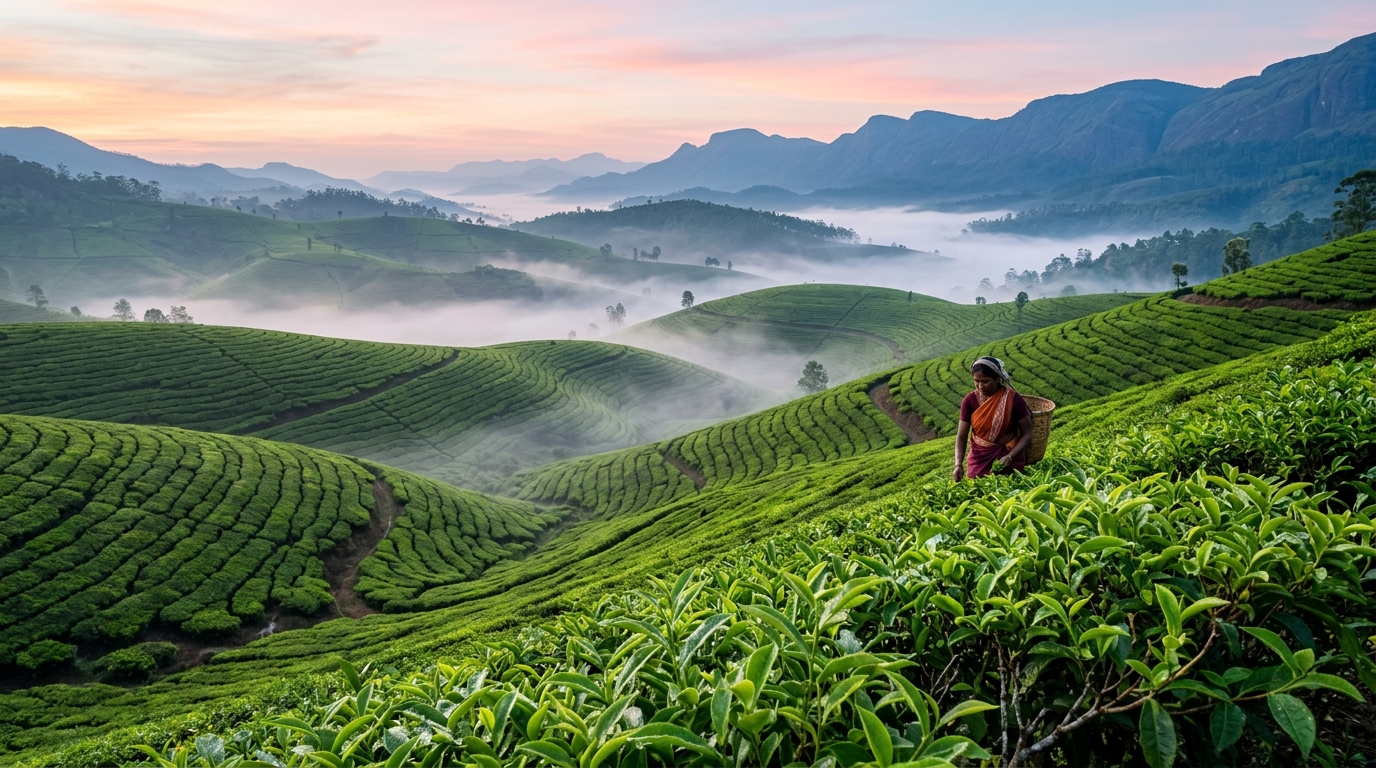
- Munnar: Ascend to witness expansive, high-altitude tea plantations shrouded in mountain mist.
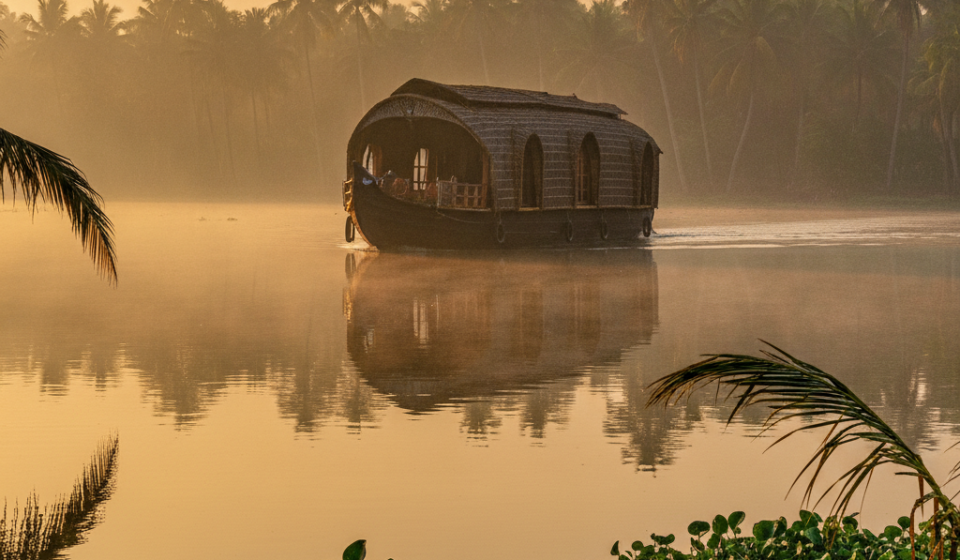
- Alleppey or Kumarakom: Descend to the tranquil backwaters to experience life aboard a traditional kettuvallam (wooden houseboat).
- Kovalam: Relax on pristine beaches that provide a scenic contrast to the dense inland vegetation.
Further south, the coastal town of Kovalam provides pristine beaches that contrast with the dense inland vegetation. Incorporating this region into a south india travel plan ensures a balance of active exploration and leisure, making it highly suitable for travelers recovering from the fast pace of urban India.
The Architectural Marvels of Tamil Nadu
If Kerala is the region of water and forests, Tamil Nadu is the region of stone and spirit. For those prioritizing culture, a south india travel plan should focus heavily on this eastern state, which contains some of the world’s most impressive temple complexes. The architectural lineage here stretches across the Pallava, Chola, Pandya, and Nayak dynasties, resulting in monumental structures characterized by towering gopurams (ornately carved gateway towers) and vast pillared halls.
The cultural journey in Tamil Nadu typically encompasses these iconic landmarks:
- Mahabalipuram: Famous for seventh-century monolithic rock-cut monuments and relief carvings along the coast.
- Thanjavur: Home to the monumental Brihadisvara Temple, an eleventh-century architectural masterpiece built entirely of granite.
- Madurai: Centered around the Meenakshi Amman Temple, a vibrant spiritual hub with towering, colorful gopurams.
For a brief European detour, a south india travel plan can include Pondicherry, a former French colonial enclave that retains its distinct architecture and quiet streets. This combination of spiritual devotion and colonial history provides a compelling narrative arc for any traveler interested in the complex historical layers of the subcontinent.
The Heritage and Natural Reserves of Karnataka
Karnataka provides a diverse middle ground, blending monumental ruins with high-altitude coffee plantations and rich wildlife sanctuaries. An inclusive south india travel plan must reserve time for this western state if the goals include exploring medieval history and observing wild elephants or tigers in their natural habitats.
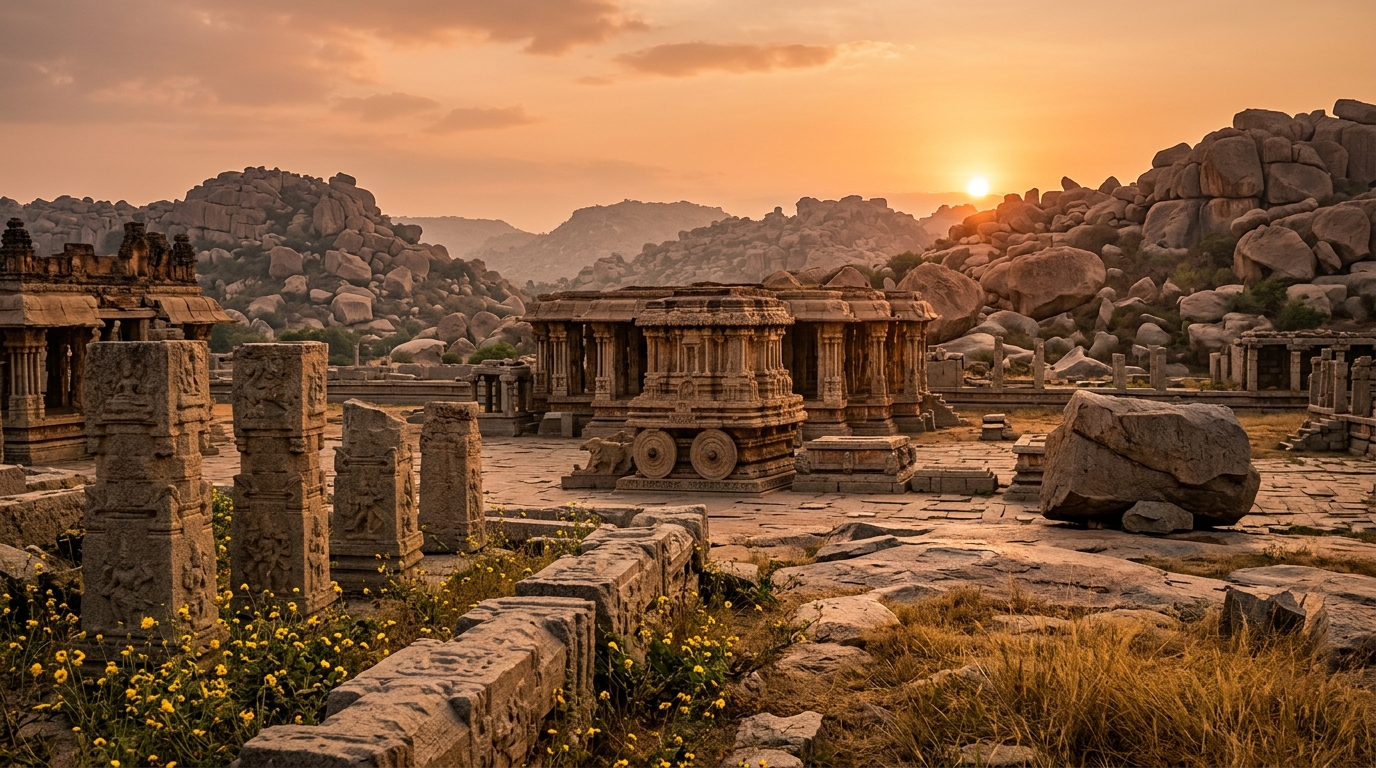
The primary cultural anchor of Karnataka is Hampi, the ruined capital of the historic Vijayanagara Empire. Spread across a surreal landscape of giant granite boulders, the ruins of Hampi contain thousands of structures, including temples, palaces, and bazaar streets that date back to the fourteenth century. South of Hampi, Mysore offers a more recent historical perspective with its grand, early twentieth-century palace, which remains a symbol of royal opulence.
For nature enthusiasts, the misty hills of Coorg provide expansive coffee estates and access to the Nagarhole National Park, one of India’s premier tiger reserves. Integrating these diverse elements into a south india travel plan offers a comprehensive view of the peninsula, bridging the gap between coastal tranquility and inland grandeur.
Optimal Durations and Route Mapping
To prevent logistical exhaustion, a south india travel plan must be structured around realistic timelines. Distances that appear minor on a map can take several hours due to the winding terrain of the Western Ghats or the high traffic density of local highways. Generally, a minimum of ten days is required to experience a single state thoroughly, while a multi-state route requires at least two to three weeks.
The following comparative table outlines the primary routing options, their ideal durations, and the specific traveler profiles they satisfy. This structure ensures that resources are allocated efficiently during the initial phase of the south india travel plan.
| Route Option | Ideal Duration | Key Destinations Included | Primary Focus |
|---|---|---|---|
| The Classical Southern Loop | 14-16 Days | Chennai, Mahabalipuram, Pondicherry, Thanjavur, Madurai, Munnar, Alleppey, Kochi | Cultural Heritage, Dravidian Architecture, Coastal Waterways |
| The Western Ghats & Wildlife Trail | 10-12 Days | Bangalore, Mysore, Coorg, Wayanad, Kabini, Ooty | Wildlife Safari, Hill Stations, Coffee Plantations, Nature |
| The Heritage Corridor | 8-10 Days | Bangalore, Hassan, Belur, Halebidu, Hampi, Badami | Medieval Ruins, Hoysala Architecture, Archaeological Sites |
| The Coastal Leisure Escape | 7-9 Days | Kochi, Marari, Alleppey backwaters, Kovalam, Varkala | Beaches, Ayurvedic Wellness, Slow Travel |
Each of these routes addresses a specific style of travel. But still, the temptation to merge them must be resisted unless the traveler has at least four weeks of continuous vacation. When scheduling, always assume an average travel speed of 40 to 50 kilometers per hour when driving through hill stations or rural roads. This realistic speed assessment is critical for maintaining the integrity of the south india travel plan.
The Two-Week Classical Loop
The two-week classical loop is the most balanced south india travel plan for first-time visitors who wish to experience the stark contrasts between Tamil Nadu and Kerala. This route begins on the east coast, crosses the mountain spine of the Western Ghats, and terminates on the west coast, creating a comprehensive cross-peninsular narrative.
The journey starts in Chennai and immediately moves south to Mahabalipuram to explore the seventh-century rock-cut temples. From there, the route follows the coast to Pondicherry, allowing for a quiet exploration of the French Quarter. The journey then turns inland toward Thanjavur and Madurai, where the scale of Dravidian temple cities is fully realized.
On the ninth day, the route crosses the border into Kerala, ascending to Munnar to experience the cool mountain air and tea estates. The descent from the hills leads directly to the backwaters of Alleppey, where a night on a houseboat provides a stark contrast to the busy cities of Tamil Nadu. The itinerary concludes in Kochi, allowing for historic exploration and convenient international departures. Executing this specific south india travel plan ensures that the transition from dry, stone-carved heritage to wet, tropical nature feels logical and rewarding.
The Ten-Day Coastal and Heritage Route
For travelers with more limited time, a ten-day south india travel plan can focus exclusively on the coastal and interior treasures of Karnataka and northern Kerala. This route prioritizes shorter transit legs while still offering a diverse mix of historical monuments, pristine beaches, and natural environments.
The itinerary begins in Bangalore, the modern capital of Karnataka, before moving to the historic city of Mysore to tour the grand palace and the nearby temple of Somnathpur. From Mysore, the journey proceeds west into the high-altitude region of Coorg, where travelers can stay on a working coffee estate and explore the Tibetan Buddhist monastery at Bylakuppe.
The route then descends the Western Ghats toward the coastal town of Bekal or Gokarna, where quiet beaches remain largely free from commercial development. The journey concludes with a short train ride to Kochi for departures. This specific south india travel plan is ideal for those who prefer scenic train journeys and a more modern, slightly less crowded perspective of the southern states.
Seasonal Variations and Practical Logistics
The climate of South India is predominantly tropical, but the topography creates distinct microclimates that must be understood during the planning stages. A viable south india travel plan must account for the monsoon seasons, which differ significantly from those in Northern India. The region experiences two distinct monsoons: the Southwest Monsoon (June to September) and the Northeast Monsoon (October to November).
The dry winter period, spanning from December to February, is generally considered the optimal time for travel, with average temperatures ranging between 22 degrees Celsius and 30 degrees Celsius across the plains. During these months, the humidity is manageable, and outdoor sightseeing is highly comfortable. As noted by the India Meteorological Department in their historical climate reports, temperatures in the interior plains can rise sharply starting in March, frequently exceeding 38 degrees Celsius by May.
Conversely, the monsoon season offers its own unique advantages, particularly for those interested in Ayurvedic treatments, which are traditionally practiced during the wet summer months. Adjusting the south india travel plan based on these seasonal shifts is crucial. For instance, high-altitude hill stations like Munnar and Ooty remain pleasant during the hot dry season, whereas the coastal regions are best avoided during peak summer due to high humidity levels.
A reliable seasonal breakdown includes:
- Winter (December to February): Ideal for all regional tours; comfortable, dry, and cool weather.
- Summer (March to May): Best spent in high-altitude hill stations like Munnar, Ooty, or Coorg; avoid coastal plains due to extreme humidity.
- Monsoon (June to November): Perfect for dedicated Ayurvedic therapies and witnessing lush green landscapes; check local weather advisories for mountain regions.
Accommodation Standards and Transportation Modes
The quality of accommodation in Southern India has evolved significantly, offering options that range from simple home stays to world-class luxury heritage resorts. Booking choices within the south india travel plan will directly influence the overall experience. In heritage areas like Chettinad in Tamil Nadu or Fort Kochi in Kerala, staying in restored ancestral mansions provides an intimate look into regional history and architecture.
When planning transport, a combination of private chauffeured vehicles and the Indian Railways network is highly recommended. For long distances between major cities, such as Bangalore to Hampi or Chennai to Madurai, overnight sleeper trains are highly efficient and cost-effective. However, for regional hops, such as moving from the plains of Tamil Nadu into the hills of Kerala, hiring a private car with a dedicated driver is the most practical choice.
When planning transport, consider the following options:
- Private Chauffeured Cars: Provide maximum flexibility for regional travel, allowing scenic stops at spice farms and rural markets.
- Indian Railways (Sleeper/AC Trains): Highly efficient and cost-effective for overnight travel between major cultural hubs.
- Domestic Flights: Recommended for quickly bridging vast distances between distant metropolitan centers like Chennai and Bangalore.
This approach offers maximum flexibility to stop at roadside temples, spice farms, or rural markets. Implementing an efficient transport strategy in a south india travel plan ensures that travel days do not become a source of stress but rather an integral, enjoyable part of the journey.
Essential Budgeting and Travel Safeguards
Developing a realistic budget is a critical step in finalizing any south india travel plan. The cost structure varies widely depending on the chosen style of travel, accommodation class, and transportation preferences. While budget travelers can manage with local transport and standard guest houses, luxury travelers can access some of the most exclusive properties in Asia, including private pool villas overlooking the backwaters of Kerala or heritage palace suites in Mysore.
In addition to direct travel expenses, safeguarding the journey with comprehensive travel insurance is highly recommended. This precaution is particularly vital for coverages related to unexpected transit delays, medical emergencies in remote areas, or sudden alterations to flight bookings. Having a reliable insurance policy ensures peace of mind when executing a multi-destination itinerary.
To assist in the final preparation, the following checklist outlines the essential preparatory steps for a successful south india travel plan:
- Verify visa entry requirements based on nationality well in advance of departure.
- Secure train reservations through the Indian Railways portal up to 120 days prior to travel to guarantee preferred classes.
- Consult a medical professional regarding recommended vaccinations for tropical regions.
- Arrange private vehicle bookings through certified local agencies to ensure driver reliability.