
South India represents a diverse collection of experiences that often defies simple categorization. For decades, global travelers associated the southern peninsula primarily with ancient spice routes and palm-fringed coastlines. Today, the regional reality is far more complex, spanning high-tech metropolitan centers, ancient stone architecture, and mist-clad highland plantations. Executing a highly successful journey through this vast territory requires more than booking a few random flights. It demands a well-conceived south india travel plan designed to balance historical immersion with physical comfort. Proper planning prevents the common pitfall of spending entire days stuck in transit or missing the subtle seasonal transitions that define local life. By structuring travel across distinct zones, one can smoothly transition from the architectural marvels of Karnataka to the peaceful backwaters of Kerala. This guide outlines the key elements required to craft a comprehensive south india travel plan, ensuring a balanced, deeply enriching, and organized exploration of India’s mesmerizing southern peninsula.
Key Takeaways
- Corridor-Based Planning: Focus on distinct travel corridors (such as Western or Eastern) to avoid travel fatigue and make the most of your south india travel plan.
- Perfect Timing: Aim for the dry, temperate winter season (December to February) to enjoy optimal weather across the southern states.
- Cultural Diversity: Balance your itinerary between Karnataka’s grand palaces, Kerala’s serene backwaters, and Tamil Nadu’s magnificent Dravidian temples.
- Local Etiquette: Always dress modestly, respect local temple codes, and prepare to remove your footwear when entering sacred spaces.
Understanding the Geography of South India
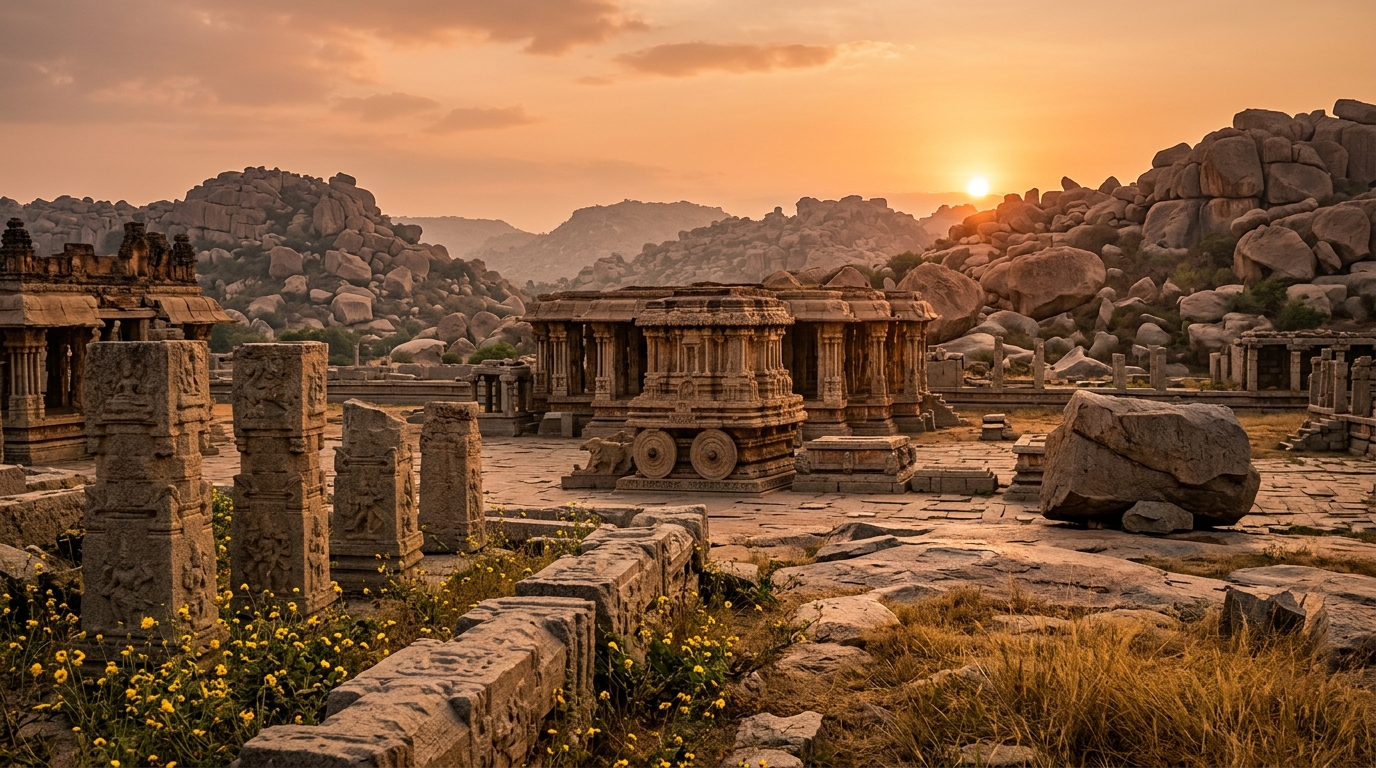
The southern region of India consists of five major states, each possessing its own language, culinary heritage, and architectural traditions. Karnataka dominates the western Deccan plateau, transitioning into the forested highlands of the Western Ghats. Kerala occupies a narrow coastal strip known for its alluvial plains and intricate water networks. Tamil Nadu stretches across the eastern plains, terminating at the southern tip of the subcontinent where three oceans meet. Andhra Pradesh and Telangana occupy the dry, inland plateau regions, offering massive historical monuments, ancient fortresses, and rich culinary traditions.
Understanding these geographical variations is vital when designing a south india travel plan. The Western Ghats act as a massive weather barrier, intercepting the southwest monsoon and creating a lush, wet climate on the western slopes while leaving the eastern plains relatively dry. This means that a traveler could experience heavy torrential downpours in Coorg while Mysore, located just a hundred kilometers away, remains completely dry.
Because the geographical scale is so vast, attempting to cover all five states in a single trip is usually a recipe for exhaustion. A realistic south india travel plan focuses on specific travel corridors. For example, a western corridor links the hills of Karnataka with the coastal networks of Kerala, allowing for a deeper appreciation of the cultural nuances between neighboring states. It is basically the difference between merely ticking boxes and fully understanding the unique character of each region. A well-structured south india travel plan respects these natural boundaries rather than fighting them.
| Travel Corridor | Primary States | Key Highlights | Ideal Traveler Type |
|---|---|---|---|
| Western Corridor | Karnataka & Kerala | Tech hubs, palaces, coffee plantations, backwaters, and houseboats | Nature lovers, coffee enthusiasts, and wellness seekers |
| Eastern Corridor | Tamil Nadu & Pondicherry | Dravidian temples, French colonial quarters, and coastal heritage sites | History buffs, architecture enthusiasts, and cultural purists |
| Deccan Plateau Corridor | Telangana & Andhra Pradesh | Historic forts, Nawabi cuisine, diamond heritage, and ancient ruins | Off-the-beaten-path explorers and culinary travelers |
Choosing the Ideal Season for Your Journey
Weather patterns in the southern peninsula are highly distinct from those in northern India. While the north experiences severe winters, the tropical south is tempered by its extensive coastlines. Determining the best time to visit south india requires a clear understanding of the monsoon cycles.
The region experiences two distinct monsoons: the southwest monsoon from June to September, and the northeast monsoon from October to November. Travelers planning a south india travel plan during the summer months of March to May should prepare for high humidity and temperatures often exceeding 35 degrees Celsius (though hill stations like Ooty and Coorg remain pleasantly cool).
To help visualize the climatic shifts, the table below outlines the regional variations across key travel periods.
| Season | Months | Average Temperature Range | Ideal Regions to Visit |
|---|---|---|---|
| Winter (Peak Season) | December to February | 20°C – 30°C | Kerala Backwaters, Tamil Nadu Temples, Coorg |
| Summer (Off-Peak) | March to May | 28°C – 40°C | Ooty, Munnar, Kodaikanal (Hill Stations) |
| Monsoon (Green Season) | June to September | 24°C – 32°C | Kerala (Ayurveda), Western Ghats Waterfalls |
| Post-Monsoon | October to November | 22°C – 31°C | Hampi, Mysore, Pondicherry |
For most travelers, the winter months represent the absolute best time to visit south india. The air is dry, temperatures are mild, and the humidity levels are at their lowest. But still, the monsoon months have their own distinct charm. The hills turn emerald green and waterfalls flow at capacity, making it a favorite time for nature enthusiasts. When structuring a south india travel plan, aligning your itinerary with these weather shifts is critical to avoiding washed-out roads or unbearable heat. A poorly timed trip can result in closed national parks or limited outdoor activities.
The Ultimate 10-Day South India Travel Plan
This balanced 10-day south india travel plan provides an ideal introduction to the region’s diverse offerings. It links the royal heritage of Karnataka with the mist-laden coffee plantations of Coorg and the tranquil waters of Kerala. This specific routing minimizes travel fatigue by utilizing a mix of scenic road journeys and efficient rail connections.
Creating a cohesive south india itinerary involves prioritizing depth over sheer speed. Rather than spending half your trip in transit, this path focuses on three core regions, allowing you to spend at least two nights in each major location. Here is a breakdown of how to structure your daily travel schedule for maximum enjoyment. Incorporating this structured approach into your south india travel plan ensures that you experience both the cultural depth and the natural beauty of the southern peninsula without feeling overwhelmed.
Days 1-3: Karnataka Heritage and Modern Hubs
The journey begins in Bengaluru (formerly Bangalore), the technological capital of India. While many view the city solely as a corporate hub, it offers lush public parks and a coffee culture that rivals European capitals. Heritage architecture comes later. Mysuru is the cultural heart of Karnataka, famous for its magnificent palaces and traditional markets. The centerpiece of any visit is the Amba Vilas Palace, a stunning example of Indo-Saracenic architecture. The palace is especially breathtaking on Sunday evenings when it is illuminated by nearly 100,000 light bulbs (according to official Karnataka Tourism data, the palace attracts millions of visitors annually, rivaling the Taj Mahal in domestic footfall).
To get the most out of your time in Karnataka, prioritize these top activities during your first three days:
- Explore Bengaluru’s Green Spaces: Take a morning walk through Cubbon Park or Lalbagh Botanical Garden to experience the city’s famous “Garden City” vibe.
- Visit Amba Vilas Palace: Marvel at the grand architecture of Mysore Palace, planning your visit for a Sunday evening to witness its spectacular illumination.
- Climb Chamundi Hill: Ascend the hill in Mysuru to visit the historic temple and view the massive monolithic Nandi bull.
- Savor Local Flavors: Try Mysore Masala Dosa at local heritage eateries and sample the rich, melt-in-the-mouth Mysore Pak sweet.
While in Mysuru, a visit to Chamundi Hill offers a panoramic view of the city below. The summit temple and the monolithic Nandi bull are essential stops. For those interested in structured regional tours, exploring the Bangalore-Mysore travel package is an excellent way to handle logistics. Incorporating these heritage sites into your south india travel plan establishes a deep historical context for the rest of your journey. It also provides an excellent opportunity to sample local delicacies like Mysore Pak, a rich sweet made of chickpea flour and clarified butter.
Days 4-6: The Mist-Clad Peaks of Coorg and Wayanad
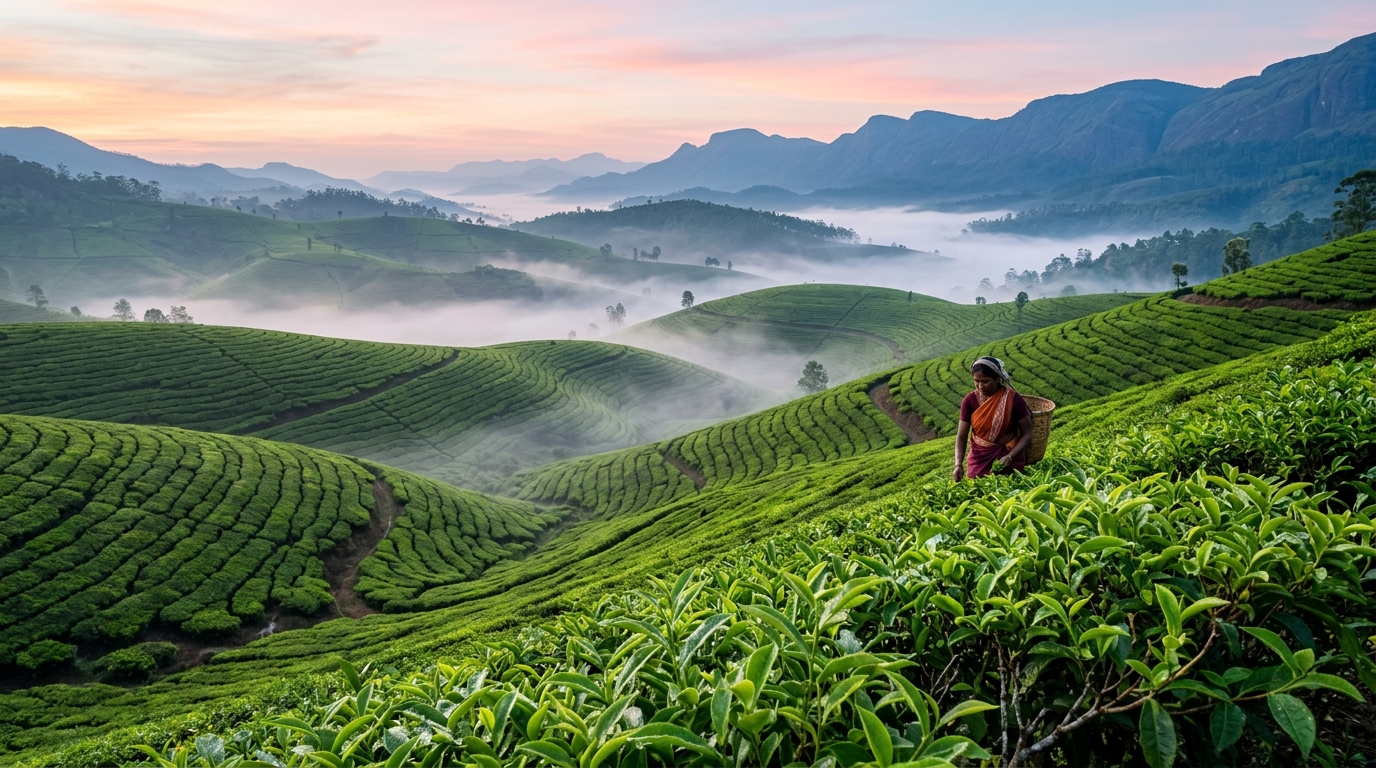
Leaving the plains of Mysuru behind, the road climbs steadily into the Western Ghats toward Coorg, a region often referred to as the Scotland of India. Coorg is famous for its vast coffee estates, spice plantations, and the unique culture of the Kodava people. A successful south india travel plan should always include a stay at an active plantation home.
To experience Coorg to its fullest, one can explore the Coorg travel options, which provide curated experiences in these highland regions. Walking through the shaded coffee tracks, learning about pepper cultivation, and sampling local Kodava cuisine (such as the spicy pork dish, Pandi Curry) offers an intimate look at local life.
From Coorg, a scenic drive south leads across the state border into Wayanad, located in northern Kerala. Wayanad is characterized by deep valleys, ancient caves, and mist-covered peaks. A trek to the Edakkal Caves reveals petroglyphs dating back to the Neolithic era, proving that these hills have been inhabited for thousands of years. This segment of the south india travel plan offers a perfect natural contrast to the architectural focus of the preceding days, allowing you to reconnect with nature.
Days 7-10: Kerala Backwaters and Heritage Towns
The final leg of this journey moves toward the coastal plains of Kerala, a state often called ‘God’s Own Country’. The first stop is Kochi (formerly Cochin), a historic port town where Chinese fishing nets line the waterfront and Portuguese-era churches stand alongside Jewish synagogues. Kochi’s unique blend of colonial influences makes it an exceptional cultural crossroads.
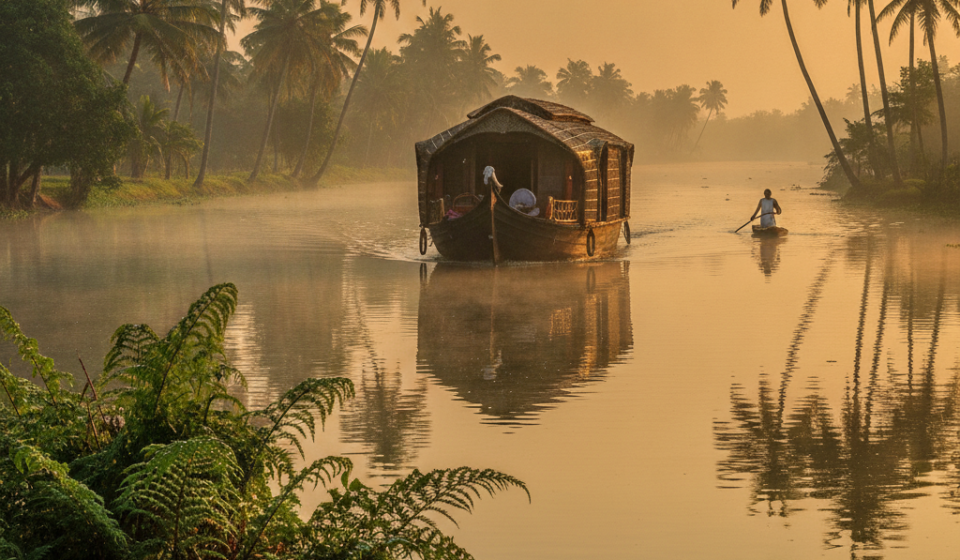
From Kochi, the south india travel plan heads south to Alleppey, the gateway to Kerala’s legendary backwaters. Here, renting a traditional houseboat (locally called a Kettuvallam) is an essential experience. These vessels glide through quiet canals shaded by coconut palms, passing tiny villages where life continues at a slow, traditional pace. To secure the most reliable houseboats and local guides, booking through the comprehensive Kerala travel package is highly recommended.
For those wishing to end their trip with pristine beaches, continuing further south to Kovalam is a logical extension. To arrange this seaside stay, check the specialized Kovalam beach tours. Spending your final days watching the sunset over the Arabian Sea ensures that your south india travel plan concludes on a serene, relaxing note.
Alternative Routes: Coastal Temples and French Quarters
While the western corridor highlights nature and backwaters, an alternative south india travel plan focuses on the eastern coast, primarily within the state of Tamil Nadu. This route is ideal for travelers who prioritize ancient temple architecture, classical arts, and colonial history.
This alternative route typically begins in Chennai, a coastal metropolis rich in carnatic music and colonial landmarks. Moving south along the East Coast Road leads to Mahabalipuram, a UNESCO World Heritage site famous for its 7th-century rock-cut temples and shore reliefs. Further south lies Pondicherry, a former French colony that retains its distinct European charm.
In Pondicherry, the French Quarter offers quiet lanes lined with mustard-colored villas and chic cafes. Exploring Pondicherry travel services simplifies booking.
Further inland, the route can extend to Tanjore and Madurai, home to the spectacular Meenakshi Amman Temple. The towering gopurams (temple entry towers) of Tamil Nadu are architectural masterpieces, adorned with thousands of colorful stucco figures. Selecting this eastern loop for your south india travel plan offers an entirely different cultural texture, emphasizing ancient Dravidian heritage over quiet highland retreats. For a broader exploration of the state’s temple towns, the Tamil Nadu itinerary guide provides a detailed framework for planning. This route works exceptionally well as a standalone south india itinerary for cultural purists.
Budgeting for Your South Indian Expedition
A highly appealing aspect of traveling through the southern states is the excellent value for money it offers. Whether traveling on a modest budget or seeking luxury heritage properties, a south india travel plan can be tailored to suit various financial parameters.
Daily expenses vary significantly depending on choices of accommodation and transport. Private AC vehicles with dedicated drivers represent the most convenient way to travel between cities, typically costing roughly 4,000 to 5,500 Indian Rupees per day (depending on the vehicle size and distance covered, as well as fuel price fluctuations).
Here is a general breakdown of daily expenses to assist in planning your budget:
- Budget Option (Guesthouses & Public Transport): 1,500 – 3,000 INR per day
- Mid-Range Option (3-Star Hotels & Private Taxis): 5,000 – 9,000 INR per day
- Luxury Option (Heritage Resorts & Premium Houseboats): 15,000+ INR per day
- Average Mid-Range Meal: 300 – 600 INR per person
- Temple Entry Fees: 50 – 250 INR per monument
It is worth noting that dining in local eateries (often called ‘mess’ or ‘hotels’) is not only incredibly cheap but offers the most authentic culinary experiences. Traditional meals served on banana leaves are both hygienic and delicious, making them a must-try during your south india travel plan. Planning these costs ahead of time ensures your south india travel plan remains completely stress-free.
Essential Packing and Local Etiquette Tips
To ensure a smooth and respectful journey, understanding local customs and packing appropriately is vital. The southern states are culturally conservative, especially regarding religious spaces. When executing your south india travel plan, keeping a few key practices in mind will prevent awkward misunderstandings.
First, dress codes are strictly enforced at major temples. Both men and women must dress modestly, covering shoulders and knees. Many temples in Tamil Nadu and Kerala require men to wear a traditional dhotis or veshti (and occasionally remove shirts entirely) to enter the inner sanctum. Always remove footwear before entering any temple premises or local homes.
Second, packing lightweight cotton clothing is essential due to the year-round tropical humidity. An umbrella and insect repellent are crucial items for your daypack, especially when visiting humid plantation areas. Integrating these practical items into your south india travel plan ensures complete comfort throughout your journey.
To summarize, keep these practical points in mind while preparing your packing list and managing local interactions:
- Modest Clothing: Pack outfits that cover your shoulders and knees. Carrying a light shawl or sarong is highly recommended for unexpected temple visits.
- Footwear Protocol: Wear easily removable shoes or sandals, as you will need to take them off frequently outside temples, historical shrines, and homes.
- Tropical Essentials: Bring high-SPF sunscreen, a wide-brimmed hat, polarized sunglasses, and a sturdy umbrella for sudden coastal downpours.
- Health & Hygiene: Carry effective insect repellent (with DEET or Picaridin) to protect yourself in forested regions, spice plantations, and backwater canals.
- Temple Photography: Always check local signs before taking photos inside temple premises, as photography is strictly prohibited in many inner sanctums.
Frequently Asked Questions
To further assist in refining your upcoming travel schedule, here are answers to some of the most common questions regarding regional exploration.
What is the minimum number of days needed for a South India trip?
While a shorter trip can cover a single state, a minimum of 10 to 12 days is highly recommended to experience a diverse south india travel plan. This timeframe allows you to combine at least two distinct regions, such as the hills of Karnataka and the backwaters of Kerala, without feeling rushed. This makes it a highly rewarding south india itinerary for first-time visitors.
Is South India safe for solo travelers?
South India is widely considered to be, to an extent, highly safe and welcoming for solo travelers, including solo female travelers. Local communities are generally helpful, and English is widely spoken across major cities and tourist destinations. Practicing standard travel precautions and arranging reliable transport remains advisable. Incorporating pre-booked tours into your south india travel plan can offer an extra layer of comfort and peace of mind.
How do I travel between cities in South India?
For shorter distances, hiring a private car with a driver is the most flexible option. For longer journeys, the Indian Railways network offers an efficient and scenic way to travel. Booking executive class or air-conditioned sleeper coaches in advance is essential to secure seats for your south india travel plan.