

Planning a comprehensive journey to the southern peninsula of India requires more than just booking flights and packing bags. It demands an appreciation for ancient temple structures, quiet waterways, and lush spice hills. A comprehensive south india travel plan acts as a strategic map to experience these distinct landscapes without succumbing to travel fatigue. From the French-influenced streets of Pondicherry to the misty tea gardens of Munnar, the region offers a stark contrast to the hectic pace of northern cities. Balancing transit times, cultural nuances, and climatic shifts is essential to maximizing this journey. Developing a balanced schedule ensures every destination receives the depth of attention it deserves.
- Geographic Focus: Prioritize regional continuity (e.g., combining Kerala and Tamil Nadu) over rushing across too many states.
- Transport Strategy: Utilize the reliable Indian Railways AC classes for long distances and private cabs for regional flexibility.
- Optimal Season: The dry winter window from October to March offers the most comfortable weather for temple tours and outdoor exploration.
- Cultural Respect: Always respect local temple dress codes (covering shoulders and knees) and remove footwear before entry.
- Culinary Diversity: Relish incredibly affordable and distinct regional cuisines, from Kerala’s coconut-rich curries to Tamil Nadu’s strong filter coffee.
Defining the Ideal South India Travel Plan
Crafting a cohesive journey through the southern states of India requires structural precision rather than spontaneous decisions. Unlike compact European countries, the vast geography of India demands structured transit logistics (specifically involving railways and state highways). When drafting a south india travel plan, one must recognize that a single itinerary cannot realistically cover everything from the Deccan Plateau to the tropical tip of Kanyakumari. A common mistake is attempting to pack too many destinations into a brief window. It is basically a recipe for exhaustion. Focus instead on a select few corridors that highlight cultural heritage, forest reserves, and coastal ecosystems.
A successful approach prioritizes depth over superficial coverage. Critics say slow travel is inefficient. They are not entirely wrong when time is limited. But still, rushing through three states in five days prevents any authentic engagement with the local culture. Intellectual humility requires acknowledging that one cannot see all of South India in one go. A well-designed route relies heavily on geographic continuity. To build a highly efficient layout, consider the following structural strategies:
- Minimizing Administrative Travel: Linking the heritage hills of Karnataka with the dense green canopies of Kerala reduces transit-heavy buffer days.
- Maximizing Destination Time: Spend more hours experiencing active heritage zones rather than watching them pass through a train or car window.
- Focusing on Cultural Depth: Prioritize geographic exploration and logistics first; accommodation selections can be finalized subsequently.
Choosing the Right Region: Crucial Highlights
Selecting the specific territories to visit is the cornerstone of any effective south india travel plan. Each state boasts a unique linguistic heritage, distinct culinary traditions, and specific historical legacies. Aligning a south india travel plan with regional geography prevents unnecessary crisscrossing across the peninsula.
| State | Primary Highlight | Best Travel Duration | Signature Experience |
|---|---|---|---|
| Kerala | Backwaters, Houseboats & Ayurveda | 4 – 6 Days | Overnight stay on a traditional houseboat in Alleppey |
| Tamil Nadu | Dravidian Temples & Heritage Sites | 5 – 7 Days | Exploring the historic Meenakshi Amman Temple in Madurai |
| Karnataka | Palaces, Ancient Ruins & Tech Hubs | 4 – 6 Days | Walking through the ruins of Hampi and Mysore Palace |
Kerala: Backwaters and Ayurvedic Wellness
Kerala represents a narrow coastal strip defined by its brackish waterways, palm-lined beaches, and the Western Ghats. The state is renowned for its traditional houseboats and wellness sanctuaries that specialize in ancient Ayurvedic treatments. For those seeking relaxation alongside nature, selecting curated Kerala tour packages is an excellent starting point. It provides a structured way to experience both the misty hills of Munnar and the serene backwaters of Alleppey. Historically, Kerala has been a major spice-trading hub. This global exposure is reflected in its diverse, spice-rich cuisine. The state operates at a noticeably gentler pace than its eastern neighbors, making it an ideal choice for travelers looking to unwind. (Ensure to schedule at least four days here to appreciate the slower rhythm.)
Tamil Nadu: Dravidian Temples and Heritage Sites
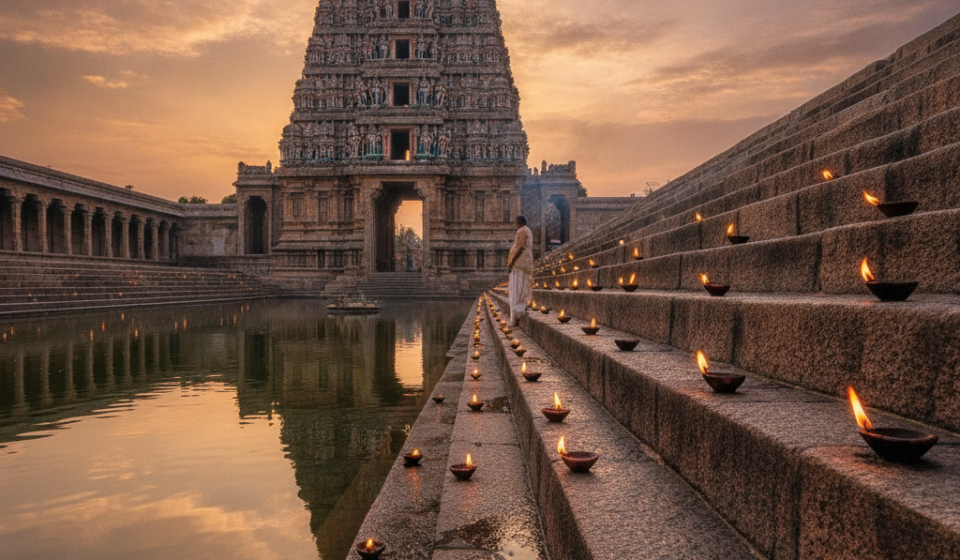
Tamil Nadu stands as the primary guardian of classical Dravidian culture, characterized by monumental stone temples with towering gateways called gopurams. This region is essential for any temple-centric south india travel plan. Cities like Madurai, Thanjavur, and Mahabalipuram offer a deep dive into the artistic achievements of the Chola and Pandya dynasties. The landscape is dotted with centuries-old structures that remain active places of worship today. According to archaeological surveys conducted by the Archaeological Survey of India (ASI) in 2023, Tamil Nadu contains over 33,000 ancient temples, making it one of the most culturally dense regions on earth. Beyond the architecture, the state is famous for its intricate silk weaving, classical Bharatanatyam dance, and strong filter coffee. Exploring this cultural powerhouse requires an appreciation for intense sensory experiences and bustling urban environments. Travelers can easily integrate these destinations into their chosen Tamil Nadu itineraries.
Karnataka: Palaces, Hills, and Tech Hubs
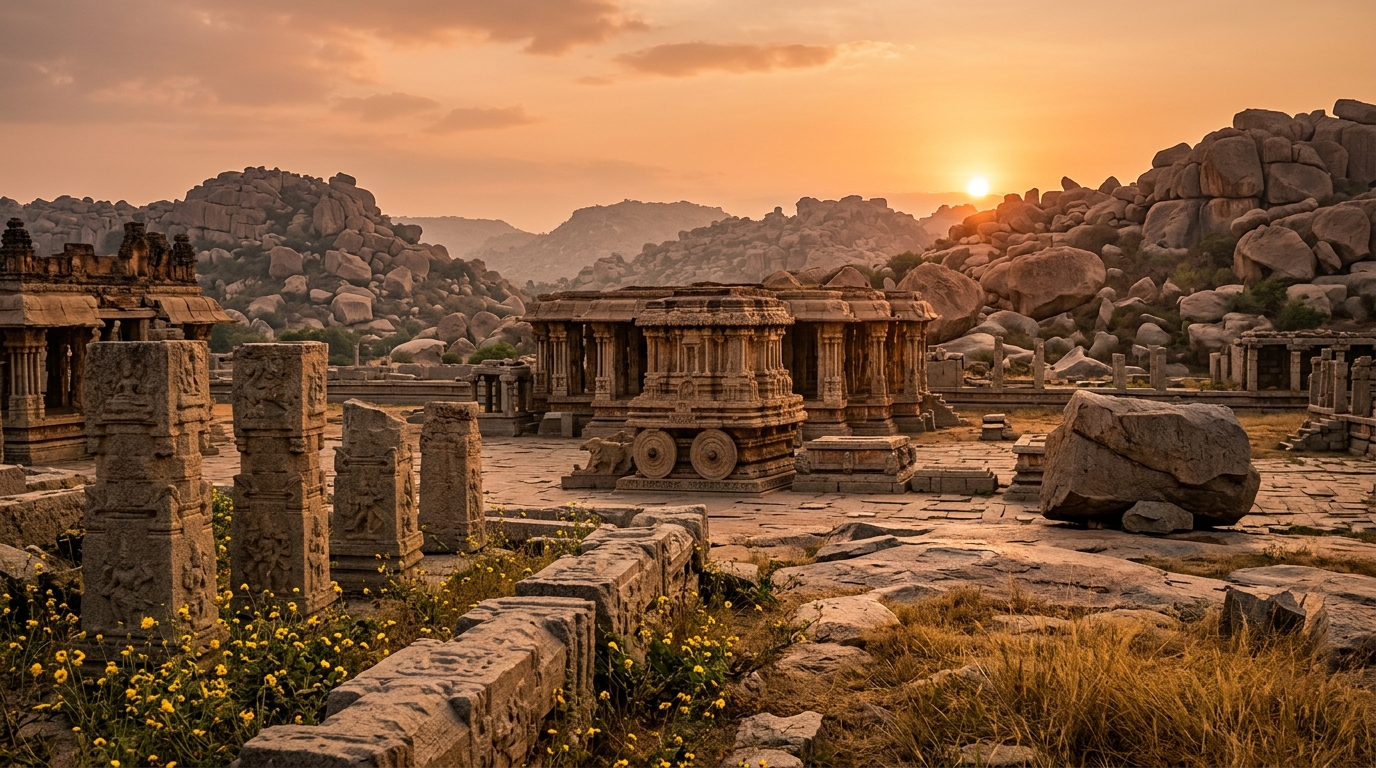
Karnataka offers a compelling blend of modern progress and historic grandeur. The state capital, Bangalore, is often dubbed the Silicon Valley of India, housing thousands of tech enterprises. But still, just a few hours away lies Mysore, a city defined by royal heritage and the spectacular Mysore Palace. Further north, the ruins of Hampi showcase the architectural heights of the Vijayanagara Empire. This combination of ancient ruins, royal history, and modern urban spaces makes Karnataka a staple for a diverse south india travel plan. The western coast of the state also features pristine beaches like Gokarna, which offer a quiet alternative to busier commercial shores. Karnataka represents the sheer variety of the southern peninsula, serving both the corporate professional and the historical enthusiast.
Executing the Ultimate 10-Day South India Travel Plan
Structuring a multi-state route requires a careful balance between transit speed and destination exploration. The following itinerary outlines a cohesive 10-day loop that minimizes transit bottlenecks while maximizing cultural immersion. This route has been designed to offer a balanced taste of heritage, nature, and coastal life. Though regional transit times can be unpredictable to an extent, careful planning mitigates most delays.
Days 1-3: Exploring Karnataka Heritage
The journey begins in Bangalore, the main entry point for most international flights. Spend the first day adapting to the climate and exploring the botanical gardens of Lalbagh. On the second day, proceed to Mysore (a journey of roughly 140 kilometers, depending on whether one utilizes the new express highway). The primary focus includes:
- The monumental Mysore Palace, illuminated by over 96,000 lights on specific evenings.
- The ancient Chamundeshwari Temple atop Chamundi Hills.
- The historical ruins of Srirangapatna.
This segment of the south india travel plan establishes a historical baseline, showing how royal patronage shaped regional art. On the evening of the third day, visit the Chamundi Hills to observe the giant bull monolith of Nandi, a sacred structure carved from a single boulder, before preparing for the journey south into Kerala.
Days 4-7: Immersive Kerala Backwaters
Transitioning to the coastal stretch of the south india travel plan involves traveling from Mysore down to Munnar through the scenic Western Ghats. The daily breakdown includes:
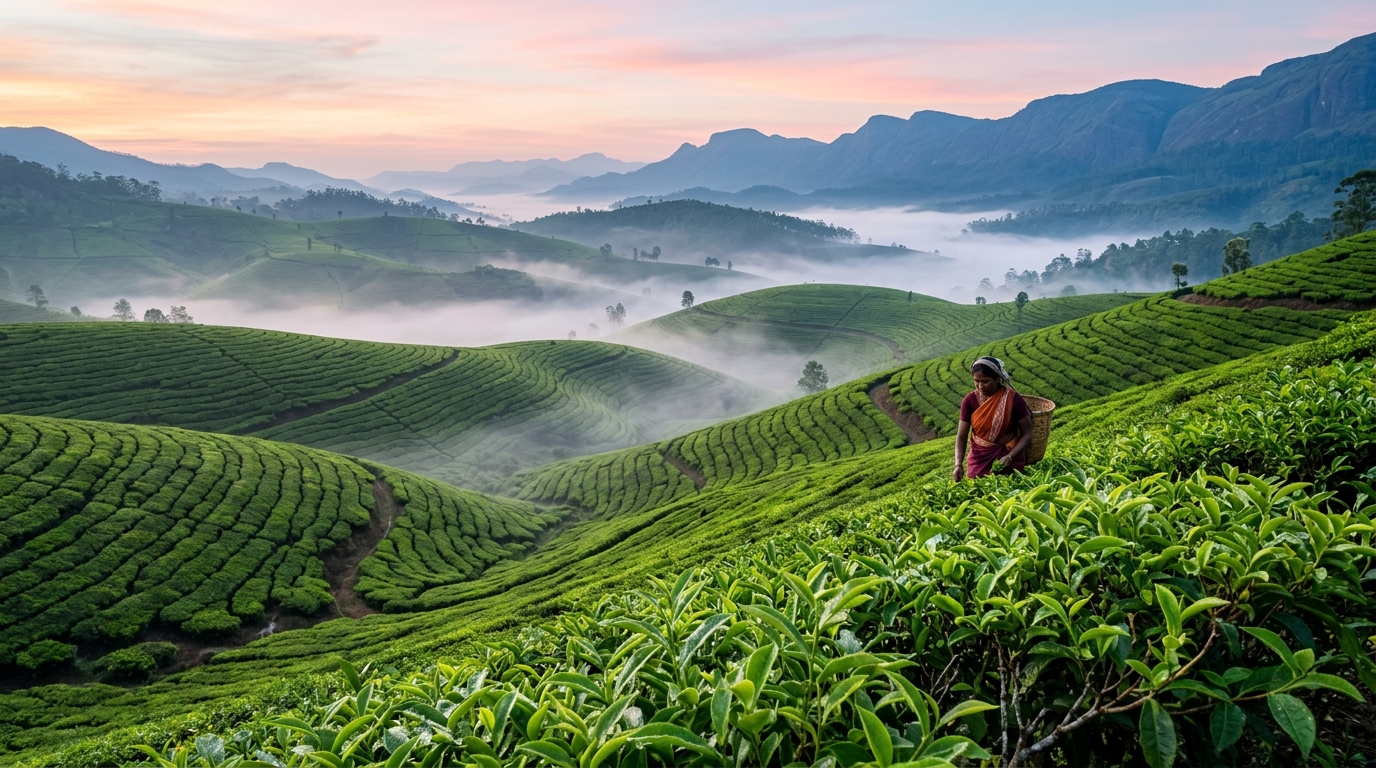
- Days 4-5: Dedicate these days to the emerald tea estates of Munnar, a high-altitude hill station offering a cool respite from the humid coastal plains.
- Day 6: Descend to Alleppey and board a traditional, fully-equipped houseboat. Cruising the peaceful canal network provides an intimate window into regional village life.
- Day 7: Explore Fort Kochi, the historic spice-trading port famous for its colonial-era architecture and iconic Chinese fishing nets.
According to hospitality industry metrics from 2024, the backwater tourism sector in Alleppey maintains a high satisfaction rate of over 85%, emphasizing the unique value of this overnight experience.
Days 8-10: Tamil Nadu Temple Trails
Concluding the south india travel plan in Madurai allows for a spectacular finale focused on spiritual heritage. Travel from Kochi to Madurai via train or private taxi on day eight. The planned highlights include:
- Day 8: Arrive in Madurai, one of South Asia’s oldest continuously inhabited cities, and transition to your local accommodation.
- Day 9: Explore the colossal Meenakshi Amman Temple, admire its thousand-pillared hall, and witness the captivating evening oil lamp procession.
- Day 10: Visit the magnificent Thirumalai Nayakkar Palace, showcasing a unique architectural fusion of Italian and Rajput styles, before departing from Madurai International Airport.
This route ensures that travelers experience the dramatic shift from the green, quiet landscapes of Kerala to the vibrant, temple-centric urban life of Tamil Nadu before departing.
Financial Breakdown: A Budget Guide for Your South India Travel Plan
Allocating funds appropriately within a south india travel plan is crucial to avoiding unexpected shortfalls. While South India remains highly affordable compared to Western destinations, costs can escalate depending on choices made regarding transit and accommodation. Budgeting requires a clear understanding of the various expenditure categories, from luxury heritage stays to budget guesthouses. The table below outlines the estimated daily costs associated with a standard south india travel plan, categorized by travel style.
| Expense Category | Budget Style (INR / Day) | Mid-Range Style (INR / Day) | Luxury Style (INR / Day) |
|---|---|---|---|
| Accommodation | INR 1,000 – 1,800 | INR 3,500 – 6,000 | INR 12,000+ |
| Transportation | INR 500 – 1,000 | INR 2,500 – 4,000 | INR 6,500+ |
| Food and Dining | INR 400 – 700 | INR 1,200 – 2,000 | INR 3,500+ |
| Activities and Entry Fees | INR 200 – 500 | INR 800 – 1,500 | INR 2,500+ |
| Miscellaneous | INR 200 – 400 | INR 500 – 1,000 | INR 2,000+ |
Accommodation Expenses
Lodging costs represent a major portion of any south india travel plan. Budget travelers can easily find clean, basic homestays and guesthouses (which often provide a more intimate look at local hospitality). Mid-range options include boutique heritage properties and comfortable three-star hotels, which provide excellent value without compromising on comfort. For those looking for high-end luxury, South India boasts world-class resorts, such as restored palaces in Mysore or private pool villas in Kerala. Choosing the right accommodation style depends heavily on personal preferences, but incorporating a mix of heritage homestays and boutique hotels often yields the most balanced experience.
Transportation Alternatives
Efficient transit logistics are the foundation of a successful south india travel plan. For long distances, the extensive Indian Railways network is highly recommended. Traveling in AC 2-Tier or AC 3-Tier classes is both comfortable and highly economical, costing roughly 1,500 to 2,500 INR for an overnight journey. For shorter, regional transits, hiring a private car with a professional driver remains the most flexible choice. It allows you to stop at roadside temples and spice plantations at your own pace. Budget travelers can rely on the extensive state bus networks (such as KSRTC in Karnataka and Kerala), which connect even the most remote villages at a minimal cost.
Food and General Expenses
Culinary exploration is a highly rewarding aspect of a south india travel plan. The region is famous for its affordable and nutritious meals, such as traditional vegetarian thalis served on banana leaves. A standard breakfast of idli, dosa, and filter coffee at a local eatery typically costs under 100 INR. Mid-range restaurants offering diverse regional specialties (such as Malabar parotta with curry or Chettinad chicken) charge roughly 400 to 800 INR for a meal for two. General expenses, including bottled water, tender coconut, and minor snacks, are negligible. This makes the region exceptionally budget-friendly for food lovers.
Critical Travel Tips to Refine Your South India Travel Plan
Executing a seamless journey across the southern states requires attention to detail. Practical preparation ensures that minor logistical challenges do not disrupt the flow of the trip. The following guidelines focus on climate adjustments and cultural expectations to help streamline your travel experience.
Seasonal Climate Planning
Weather variations dictate the timing of a south india travel plan. The ideal period to visit is from October to March, when the climate is relatively cool and dry. During these months, temperatures range from 20 to 30 degrees Celsius, making sightseeing comfortable. Conversely, the summer months (April to June) bring intense heat, with temperatures regularly exceeding 40 degrees Celsius in the plains. The monsoon season (July to September) brings heavy rainfall, which is beautiful for viewing the waterfalls in Kerala but can cause travel delays due to landslides in hilly areas. Planning the journey around these seasonal realities is vital for a comfortable experience.
Local Cultural Etiquette
Cultural sensitivity significantly improves the execution of a south india travel plan. When visiting temples in Tamil Nadu or Karnataka, modest dress is strictly required. Men are often expected to wear dhotis or trousers, while women should wear sarees, salwar kameez, or clothing that covers the shoulders and knees. Shoes must always be removed before entering any temple complex or private home. Additionally, it is polite to use only the right hand when eating or offering items to others. Understanding these subtle cultural practices ensures respectful interactions and fosters genuine connections with the local communities.
FAQs
How many days are required for a standard south india travel plan?
A standard south india travel plan requires at least 10 to 14 days to appreciate the regional variety. This timeframe allows travelers to explore major highlights across two states without rushing.
What is the estimated budget for a comfortable south india travel plan?
For a mid-range travel style, a budget of roughly INR 5,000 to 8,000 per day covers comfortable heritage lodging, private transport, dining, and monument entry fees.
Can both coasts be covered in a single south india travel plan?
Yes, though it requires careful rail or air connections. Combining the Arabian Sea coast of Kerala with the Bay of Bengal coast of Tamil Nadu is a highly popular option.
What are the safest transportation modes for this south india travel plan?
Hiring a private car with an experienced local driver is highly recommended for flexible regional travel, while the extensive Indian Railways network remains excellent for comfortable overnight long-distance transits.