

For decades, tourism in the South Asian subcontinent centered on ancient palaces, crowded markets, and heritage monuments. Today, a profound shift is occurring as global thrill-seekers look past traditional sightseeing to seek raw, unscripted encounters. Seeking these intense physical challenges has popularized adventure travel in india, turning the country into a premier hub for high-octane expeditions. From the frozen passes of the far north to the deep marine trenches of the southern islands, the diverse terrain offers a variety of demanding physical pursuits. For those willing to push their physical boundaries, these varied topographies present an unparalleled testing ground. This shift has placed adventure travel in india at the forefront of global tourism, appealing to those who measure a journey by its physical and mental triumphs.
Key Takeaways
- Geographical Variety: From Himalayan peaks to coastal reefs, India offers incredibly diverse microclimates and terrains.
- Top High-Altitude Treks: The Chadar Trek and Roopkund Trek test physical endurance and offer unmatched landscapes.
- Thrilling Water Sports: Rishikesh is the white water rafting hub, while the Andamans offer premier scuba diving.
- Wildlife Encounters: Spot Bengal tigers in Jim Corbett and search for the elusive snow leopard in Hemis National Park.
- Crucial Preparation: Success requires proper high-altitude acclimatization, physical conditioning, and certified local guides.
The Geographical Diversity of Adventure Travel in India
India possesses a geographical structure that is remarkably varied, offering distinct environments within a single political border. The northern boundary is defined by the massive Himalayan range, which contains some of the highest peaks on Earth. To the west, the arid expanse of the Thar Desert presents extreme thermal challenges, while the central plateau features dense forests teeming with endemic wildlife. Moving south, the country narrows into a peninsula flanked by the Western and Eastern Ghats, eventually meeting the Indian Ocean. This vast geographical variation means that the framework of adventure travel in india relies heavily on distinct regional microclimates. One can experience sub-zero alpine conditions and tropical marine environments within the same week of travel.
This sheer physical variety makes adventure travel in india uniquely rewarding, though it requires meticulous planning. Each geographic zone presents its own set of logistical demands:
- Northern Mountain Passes: Demand complex high-altitude acclimatization protocols and specialized cold-weather gear.
- Southern Coastal Belts: Require specialized equipment and safety gear for maritime exploration and scuba diving.
- Desert and Central Plains: Present extreme thermal shifts and require expert local navigation tools.
Understanding how these regions function is essential for any traveler aiming to undertake serious physical challenges in the subcontinent.
High-Altitude Trekking in the Indian Himalayas
The northern mountain rim presents the most formidable theater for adventure travel in india. Stretching across thousands of kilometers, the Indian Himalayas provide routes that challenge even seasoned mountaineers. These are not mere walking paths. They are demanding, high-altitude corridors where thin air and volatile weather require absolute physical readiness. Trekking here involves traversing steep elevation profiles, crossing fast-flowing glacial rivers, and enduring unpredictable mountain storms. For those who seek the ultimate test of endurance, these peaks offer unmatched rewards. The sense of isolation in these high-altitude deserts is profound, forcing trekkers to rely on disciplined preparation and sheer mental resolve. The sheer scale of these peaks inspires humility, making each successful climb a deeply personal victory.
Chadar Trek: Walking on Frozen Water
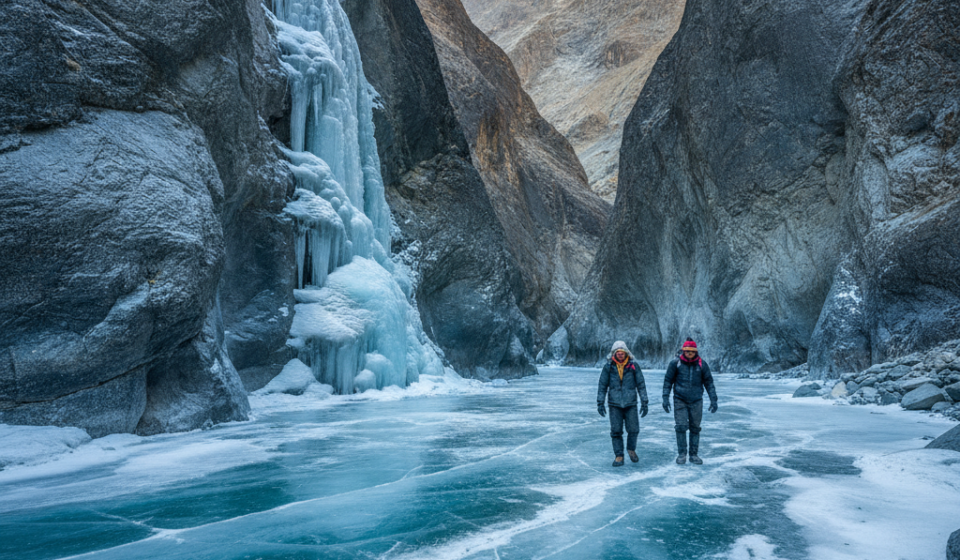
Located in the remote Zanskar region of Ladakh, the Chadar Trek represents the pinnacle of winter-grade adventure travel in india. During the months of January and February, the Zanskar River freezes over, forming a thick sheet of ice (known locally as the chadar). Trekkers must walk on this slick, shifting surface in temperatures that routinely drop to minus thirty degrees Celsius. Walking on ice requires a specialized shuffling technique, as the ice can crack or shift underfoot without warning. It is basically a constant negotiation with the elements. Travelers must negotiate narrow rock gorges where the sun rarely reaches, making the cold exceptionally biting.
To embark on this extreme route safely, many choose specialized coordination through professional agencies, utilizing premium Leh Ladakh expedition packages that provide experienced local guides. Critics say trekking in freezing temperatures is unnecessary suffering, and they are not entirely wrong. But still, they underestimate the profound stillness of the canyon and the unique beauty of frozen waterfalls. AMS (Acute Mountain Sickness, which occurs when ascending too fast) is the primary threat here, requiring a mandatory three-day acclimatization period in Leh before stepping onto the ice.
Roopkund Trek: Mystery and High-Altitude Challenge
Situated in the Garhwal region of Uttarakhand, the Roopkund Trek remains a highly sought-after chapter of adventure travel in india. This trail leads to a high-altitude glacial lake at approximately 5,029 meters above sea level. The lake is famously known as the Skeleton Lake due to hundreds of human bones dating back to the ninth century (depending on the source) visible at the bottom when the ice melts. The trail winds through lush alpine meadows (called Bugyals) before ascending into steep, rocky terrain covered in snow.
This dramatic change in scenery happens over just a few days, placing immense physical stress on the human body. To safely navigate this route, climbers must prepare for specific high-altitude variables:
- Physical Endurance: Excellent cardiovascular fitness and knee strength are required to endure the steep descent.
- Steep Terrain: The final ascent involves navigating steep scree slopes and dense snow blankets.
- Unpredictable Weather: Conditions near the ridge can shift from clear mornings to blinding whiteouts in minutes.
Preparing thoroughly for these factors is absolutely critical for physical safety.
Whitewater Rafting and Water Sports
The wild rivers originating from the Himalayan glaciers and the vast coastlines flanking the peninsula make water sports another cornerstone of adventure travel in india. These aquatic environments provide a stark contrast to the dry heights of the north, introducing elements of fluid dynamics, high speed, and aquatic navigation. From navigating turbulent river currents in northern valleys to exploring pristine marine ecosystems in the deep south, water-based activities demand a different set of physical skills. Balance, core strength, and the ability to execute rapid reflexes are critical when dealing with powerful water currents or open-ocean swells.
Defying the Rapids of the Ganges in Rishikesh
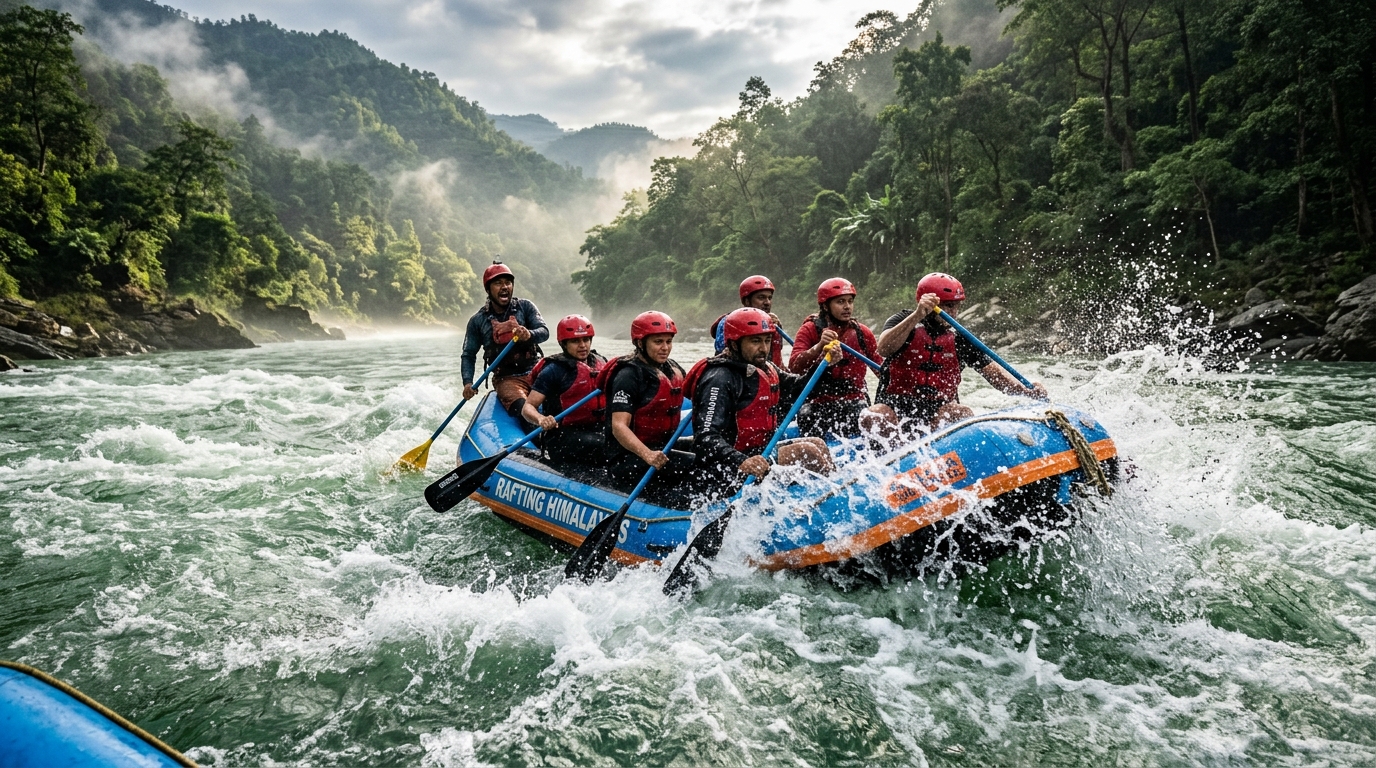
The town of Rishikesh, where the Ganges River descends from the Himalayas, is the undisputed capital for river-based adventure travel in india. The river here offers rapids ranging from Grade I to Grade IV, making it suitable for both novices and expert kayakers. Handling these rapids requires tight teamwork and synchronized paddling. Rapids with names like The Wall and Three Blind Mice demand absolute focus, as the churning water can easily flip an inflatable raft.
Utilizing curated Rishikesh travel itineraries allows adventurers to combine this intense river experience with riverside camping and cliff jumping. When planning adventure travel in india, Rishikesh offers the perfect entry point because of its accessible infrastructure and professional safety standards. But still, the river demands respect. The water remains cold throughout the year, and the currents are deceptively strong, making life jackets and helmets mandatory.
Scuba Diving in the Andaman and Nicobar Islands
The introduction of world-class dive centers in the Bay of Bengal has expanded the scope of adventure travel in india beyond terrestrial borders. The Andaman and Nicobar Islands, particularly Havelock and Neil Islands, offer pristine coral reefs, steep underwater volcanic walls, and exceptional underwater visibility. Diving here reveals a vibrant marine ecosystem populated by manta rays, reef sharks, and sea turtles.
The famous dive site known as Dixon’s Pinnacle rises from the deep ocean floor, attracting large schools of pelagic fish. For those seeking a serious challenge, night diving and deep wreck diving are available for certified advanced divers. Securing structured Andaman vacation packages ensures access to certified instructors who follow strict international safety regulations, which is a crucial consideration when diving in remote island waters.
Aerial Adventures: Soaring Above the Plains and Valleys
Soaring high above the ground occupies a niche yet growing segment of adventure travel in india. These aerial pursuits allow travelers to experience the vastness of the country from an entirely different perspective. While alpine trekking and river rafting rely on physical contact with the earth and water, aerial sports challenge the human spirit through gravity-defying maneuvers. The technological advancements in modern paragliding and ballooning equipment have made these high-altitude flights both safer and more accessible to the public.
Paragliding in Bir Billing: The Paragliding Capital of India
Situated in the Kangra Valley of Himachal Pradesh, Bir Billing is a defining destination for wind-based adventure travel in india. The site is widely considered one of the best paragliding launch pads globally, having hosted the Paragliding World Cup. The launch site in Billing sits at an altitude of 2,400 meters, while the landing site in Bir is at 1,400 meters.
The unique thermals (rising columns of warm air) in this valley allow pilots to stay airborne for hours, gliding over dense pine forests and snow-capped peaks. For amateurs, tandem flights with experienced pilots offer a safe taste of this extreme sport. The take-off requires roughly speaking a short, intense sprint down a grassy slope until the canopy catches the wind and lifts the flyer into the air. It is basically a moment of pure suspension. The landing requires precise control to avoid trees and power lines, showcasing the immense skill of local instructors.
Hot Air Ballooning in Rajasthan: A Majestic View
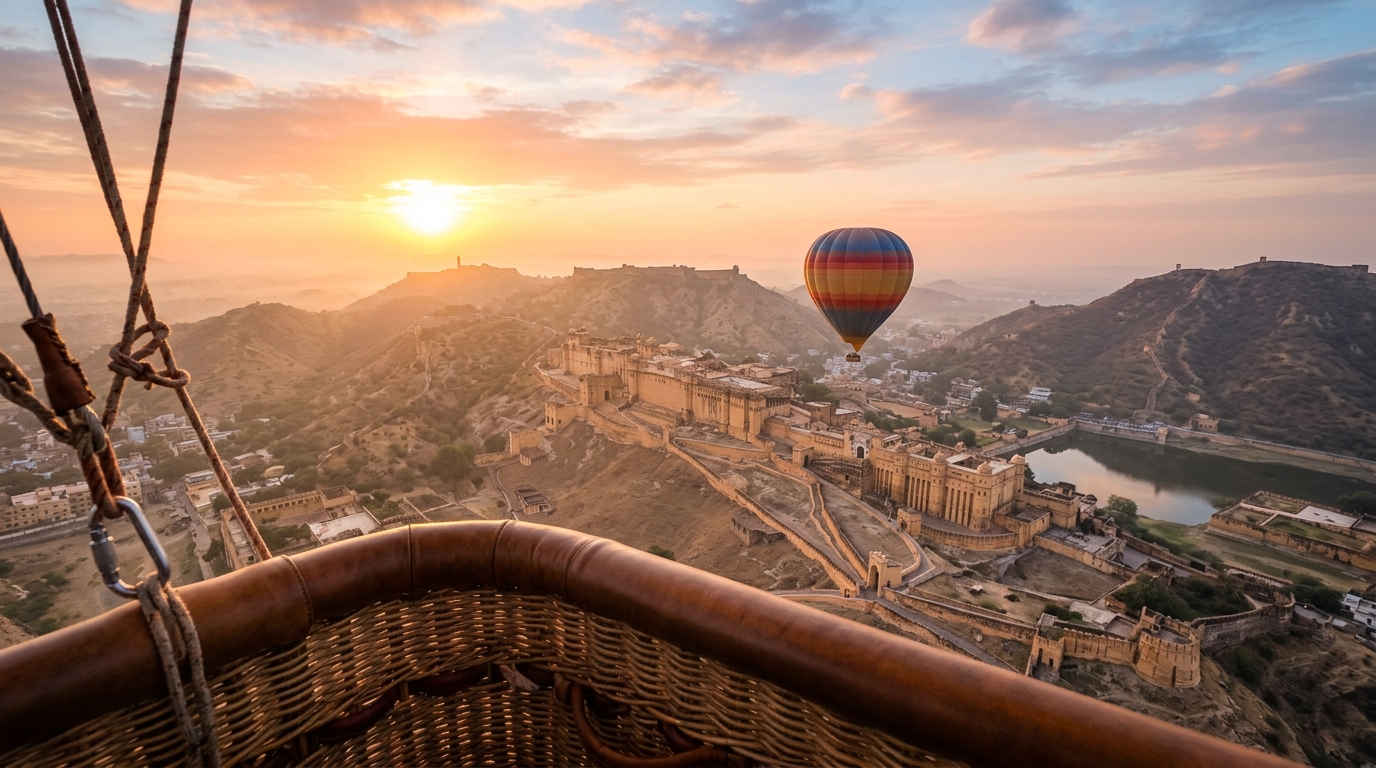
Floating silently over historic fortresses and shifting sand dunes contrasts with the typical high-speed adventure travel in india. In the historical state of Rajasthan, particularly around Jaipur and Pushkar, hot air ballooning offers a serene yet thrilling way to view the desert. Unlike paragliding, which relies on high wind currents, ballooning requires calm morning winds.
The flight starts at dawn when the cold air allows the hot air inside the balloon envelope to create maximum lift. Drifting over ancient palaces like the Amber Fort provides an aerial view that is impossible to replicate from the ground. This experience proves that adventure travel in india is not solely about adrenaline. It can also be about the quiet awe of viewing ancient geography from hundreds of meters in the air. The landing can sometimes be bumpy, depending on the ground wind speed, adding a final touch of unpredictability to the journey.
Wildlife Safaris and Terrestrial Thrills
Exploring the dense jungles and remote high-altitude wilderness areas is an integral part of the broader adventure travel in india. The country is home to a vast network of protected national parks and wildlife sanctuaries that protect rare and endangered species. These wildlife safaris are not passive sightseeing tours. They are active expeditions through difficult terrain, where tracking elusive predators requires patience, tracking skills, and deep respect for the natural habitat. Whether riding in an open-top vehicle through dense grasslands or tracking animals on foot with local rangers, the thrill of a wild encounter is unmatched.
Tracking the Bengal Tiger in Jim Corbett National Park
Located in the foothills of the Himalayas in Uttarakhand, Jim Corbett National Park remains a historic benchmark for wildlife-based adventure travel in india. Established in 1936, it is the oldest national park in the country, famous for its healthy population of Bengal tigers. The park is divided into distinct zones, with the Dhikala zone offering the deepest wilderness experience.
Traversing these dense sal forests and grassy riverbeds in open-air vehicles requires keen observation. The thrill of hearing a deer’s warning call, indicating a tiger is nearby, creates intense anticipation. Booking exclusive Jim Corbett National Park safaris allows travelers to explore these remote river tracts under the guidance of expert naturalists who understand animal behavior. These experts help track the pugmarks left by the big cats in the riverbed sand, transforming the safari into an educational and thrilling detective hunt.
Snow Leopard Expeditions in Hemis National Park
High up in the cold desert of Ladakh, Hemis National Park offers a completely different wildlife challenge. This high-altitude park is the snow leopard capital of the world. Tracking this elusive cat, often called the gray ghost of the mountains, is the ultimate wilderness experience for those pursuing high-altitude adventure travel in india. These expeditions take place in the dead of winter when temperatures drop below minus twenty degrees Celsius and snow forces the leopards down into the valleys.
Trekkers must camp in basic homestays and spend hours scanning the rocky ridges with spotting scopes. The thin air at 4,000 meters makes every step a physical struggle, requiring excellent cardiovascular stamina. The reward of spotting a wild snow leopard moving silently across a snowy ridge makes the freezing discomfort entirely worthwhile.
Comparing Adventure Activities Across Indian Regions
To help organize an expedition involving adventure travel in india, the following data highlights the primary regional centers, their signature activities, and the optimal months for visiting. Selecting the right region at the correct time of year is essential for safety and maximum enjoyment. The table below compares the key regions to help narrow down the choices based on physical fitness levels and seasonal availability.
| Region | Signature Adventure Activity | Difficulty Level | Optimal Season |
|---|---|---|---|
| Ladakh (North) | Frozen River Trekking (Chadar) | Extreme | January to February |
| Uttarakhand (North) | High-Altitude Trekking & Rafting | Moderate to High | April to June, September to November |
| Himachal Pradesh (North) | Paragliding in Bir Billing | Moderate | October to June |
| Rajasthan (West) | Hot Air Ballooning & Desert Safaris | Low | October to March |
| Andaman Islands (South) | Scuba Diving & Deep Ocean Wreck Diving | Moderate | November to April |
As the data shows, planning adventure travel in india requires a region-by-region approach. The northern mountainous regions are highly seasonal due to heavy winter snows, whereas the southern coastal areas are dictated by the monsoon cycles. Understanding these seasonal shifts prevents situations where a trip is disrupted by extreme weather.
Essential Preparation and Safety Guidelines
Any successful journey centered on adventure travel in india depends on thorough physical and logistical preparation. The remote nature of many of these destinations means that rescue services can be hours, or even days, away. The unpredictability of nature means that adventure travel in india demands respect for local safety guidelines and a realistic assessment of one’s own physical limits.
To ensure a safe and successful expedition, adventurers should focus on several key areas of preparation:
- Acclimatization: When traveling to high-altitude areas like Ladakh, spend at least three days resting in the base town before starting any physical exertion.
- Physical Fitness: Cardiorespiratory endurance and core strength are vital for high-altitude trekking and river rafting. Focus on aerobic training at least three months prior to the trip.
- Quality Gear: Invest in high-quality, broken-in trekking boots, thermal layers, and proper waterproof outer shells to protect against rapid weather changes.
- Professional Guides: Always hire certified, local guides who are familiar with the terrain, weather patterns, and emergency evacuation routes.
- Travel Insurance: Ensure your policy covers extreme sports and emergency high-altitude medical evacuation, which can be incredibly expensive.
Taking these steps significantly mitigates the risks associated with adventure travel in india, allowing travelers to focus entirely on the thrill of the journey.
Conclusion
The sheer scope of adventure travel in india is undeniable, offering an extraordinary range of environments that challenge the body and inspire the spirit. From walking on frozen Himalayan rivers to diving deep into the tropical waters of the Bay of Bengal, the country provides world-class platforms for every level of adventurer. Engaging in adventure travel in india is about testing personal boundaries and discovering a deeper connection with some of the most dramatic landscapes on the planet.
Whether conquering the powerful rapids of the Ganges or tracking rare wildlife in deep national forests, these experiences leave lasting impressions. Choosing to pursue adventure travel in india is an investment in unforgettable memories and physical triumph. The future of adventure travel in india looks brighter than ever as safety standards improve and more remote destinations become accessible to responsible travelers.