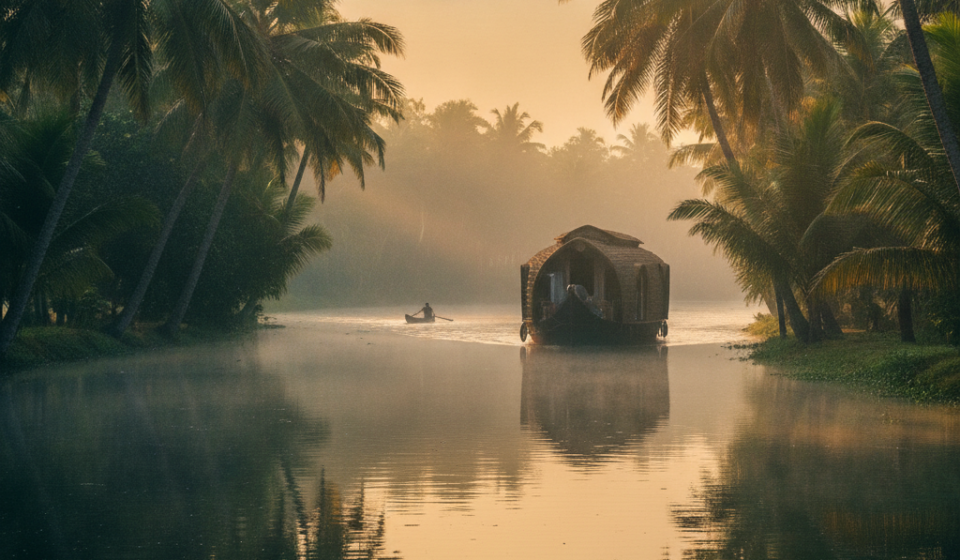

Developing an optimized south india travel plan requires a systematic evaluation of regional transit networks, seasonal shifts, and diverse microclimates. The southern peninsula of the Indian subcontinent presents an extraordinary geographical canvas. It stretches from the tranquil backwaters of the Arabian Sea to the highly ornate stone temples of the Coromandel Coast. Far too often, travel planning for this region falls into the trap of over-scheduling. This mistake results in long, exhausting transit days that overshadow the actual destination experiences. Success lies in recognizing that this area is not a singular tourist destination but a collection of distinct cultural landscapes, each requiring a tailored approach to pacing and navigation. This guide provides a comprehensive framework to transform travel aspirations into an executable, logistically sound journey. By understanding the underlying infrastructure, seasonal nuances, and historical highlights, travelers can build a balanced south india travel plan that delivers genuine regional insight.
Key Takeaways for Your South India Travel Plan:
- Pacing is Critical: Avoid over-scheduling; focus on regional depth rather than covering the entire peninsula in one trip.
- Seasonal Alignment: Match your itinerary with local monsoon patterns—opt for the west coast or hills during heavy east coast rains.
- Transport Strategy: Utilize private cabs for flexibility in hilly regions and high-speed trains (Shatabdi/Vande Bharat) for urban connections.
- Cultural Depth: Balance your journey with a mix of slow coastal travel, heritage monuments, and mist-covered hill stations.
Geographical Scope of the Southern Peninsula
Executing a multi-state south india travel plan can often feel overwhelming due to the sheer diversity of landscapes. The region comprises five distinct states alongside unique union territories, each presenting a distinct cultural identity, administrative language, and physical geography:
- Kerala: Wet, tropical coastlines, tranquil backwaters, and Ayurvedic heritage.
- Tamil Nadu: Majestic Dravidian stone temples, rich classical arts, and the Coromandel Coast.
- Karnataka: A blend of royal heritage, high-tech cities, and the semi-arid Deccan Plateau.
- Andhra Pradesh & Telangana: Historic fortresses, distinct culinary identities, and vast plateau landscapes.
- Puducherry: A charming union territory retaining its unique French colonial architectural legacy.
Integrating these distinct zones into a cohesive south india travel plan involves balancing geographical proximity with infrastructural realities. To an extent, the vastness of the peninsula dictates that a first-time visitor should restrict their journey to one or two adjoining states. Traveling between the western and eastern coasts by road can take up to twelve hours, even with modern highway developments. Thus, establishing a realistic south india travel plan early on helps manage expectations regarding daily travel times. It also prevents travel burnout.
Timing Your South India Travel Plan
The foundational step in structuring any south india travel plan is aligning the itinerary with local meteorological variations. The southern peninsula experiences two distinct monsoon seasons. These wind patterns create complex weather cycles that differ significantly from the northern plains of India.
For travelers designing a winter-centric south india travel plan, the period between October and March yields the most favorable conditions. During these months, the temperature in the plains remains moderate, averaging roughly 28 degrees Celsius, while the highland hill stations offer crisp, cool evenings. Conversely, the summer months (extending from April to June) bring intense heat and high humidity. This makes sightseeing in ancient temple towns highly challenging.
Historical meteorological data from the Indian Meteorological Department suggests that the northeast monsoon brings roughly 450 millimeters of rainfall to the eastern coast during November (depending on the year’s climatic cycles). Consequently, your south india travel plan must account for these heavy rainfall bands by shifting focus to indoor heritage sites or opting for the relatively dry western coast during this specific period.
| Season | Months | Climatic Conditions | Itinerary Suitability |
|---|---|---|---|
| Winter (Peak) | October – March | Mild, low humidity, cool nights in highlands | Excellent for all circuits, beaches, and wildlife parks |
| Summer (Off-Peak) | April – June | High temperatures, intense humidity in coastal plains | Hill stations only; ideal for budget-conscious travelers |
| Monsoon (Southwest) | July – September | Heavy rainfall on the west coast (Kerala, Karnataka) | Ayurveda wellness retreats; scenic waterfall viewing |
| Monsoon (Northeast) | October – November | Heavy rains on the east coast (Tamil Nadu) | Indoor heritage exploration; avoid coastal lowlands |
Adjusting your south india travel plan to avoid the peak monsoons is generally advisable. But still, the rainy season remains highly popular for Ayurvedic wellness therapies, which are traditionally practiced during the wet months when the atmosphere is clean and cool.
Itinerary Architectures for Diverse Travel Profiles
When structuring a multi-destination south india travel plan, selecting an itinerary archetype that matches specific interests prevents operational fatigue. It is fundamentally impossible to experience the entirety of the south within a single two-week trip. Instead, travelers should adopt a regional specialization strategy, dividing the peninsula into distinct, manageable corridors. This section outlines three proven itinerary architectures designed for distinct traveler profiles, ensuring a highly optimized distribution of travel days. A successful south india travel plan must respect these boundaries.
The Coastal Serenity Circuit
This circuit focuses primarily on the palm-fringed coastlines, slow-moving waterways, and colonial port towns of the west. Kerala serves as the anchor for this route, presenting an ideal balance of nature and cultural heritage. A standard progression includes:
- Kochi: A historic port city showing prominent Portuguese, Dutch, and British colonial influences.
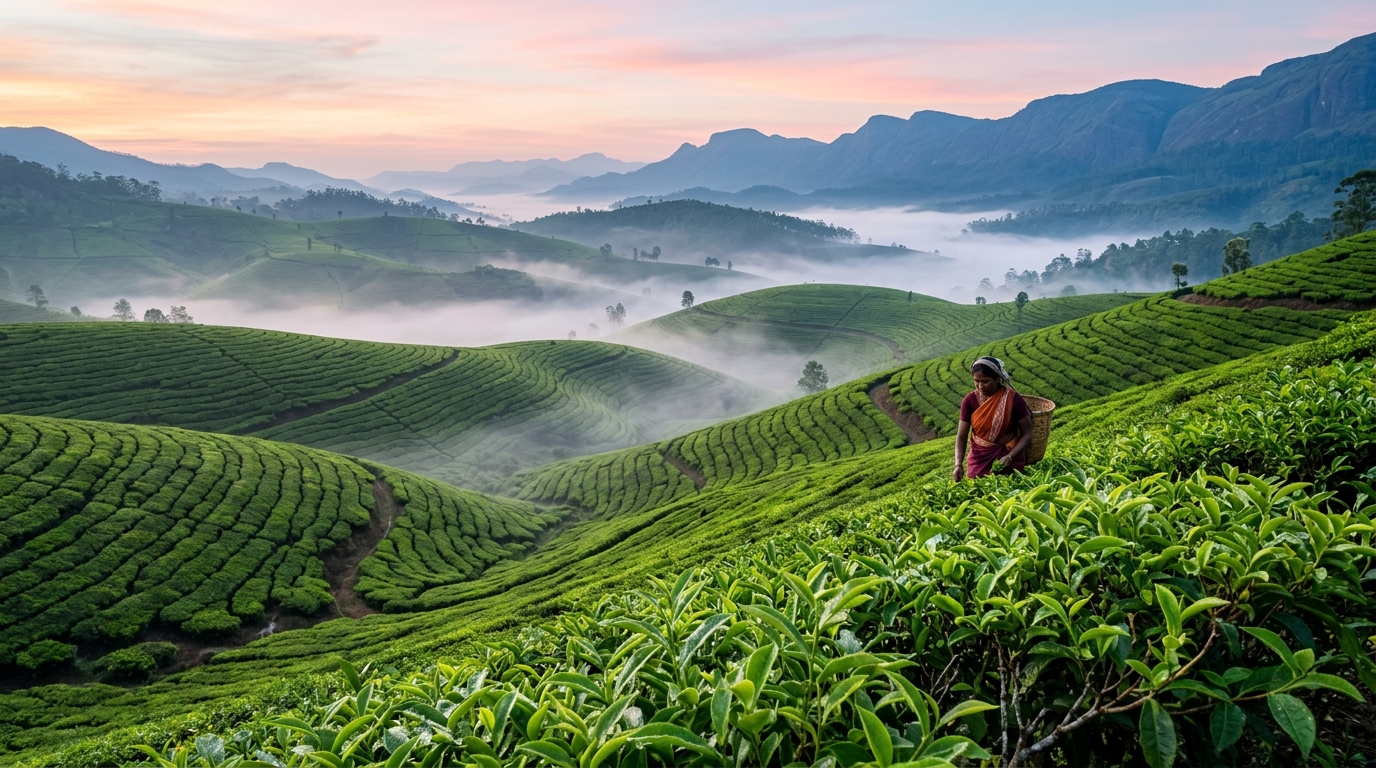
- Munnar: A scenic retreat into the high-altitude tea estates and mist-shrouded hills.
- Alappuzha: A descent to the famous backwaters for an immersive overnight houseboat experience.
- Kovalam or Varkala: Dramatic red cliffs overlooking pristine beaches on the Arabian Sea.
Integrating this region into your south india travel plan provides a much-needed slow-paced interlude. According to a 2024 regional tourism report by the Kerala Ministry of Tourism, domestic arrivals in the state grew by roughly 12% (indicating a persistent appeal for slow-travel frameworks). For those seeking an exhaustive exploration of the coastal belt, adding a premium Kerala tour packages option ensures all logistics, including private houseboat bookings and spice plantation visits, are seamlessly managed.
The journey typically concludes on the beaches of Kovalam or Varkala, where dramatic red cliffs overlook the Arabian Sea. This coastal path is particularly suited for families, honeymooners, and those seeking a restorative travel experience. But still, travelers must remain mindful of the humid climate, which requires a relaxed sightseeing schedule. It is basically a journey of recovery and relaxation.
The Architectural and Heritage Corridor
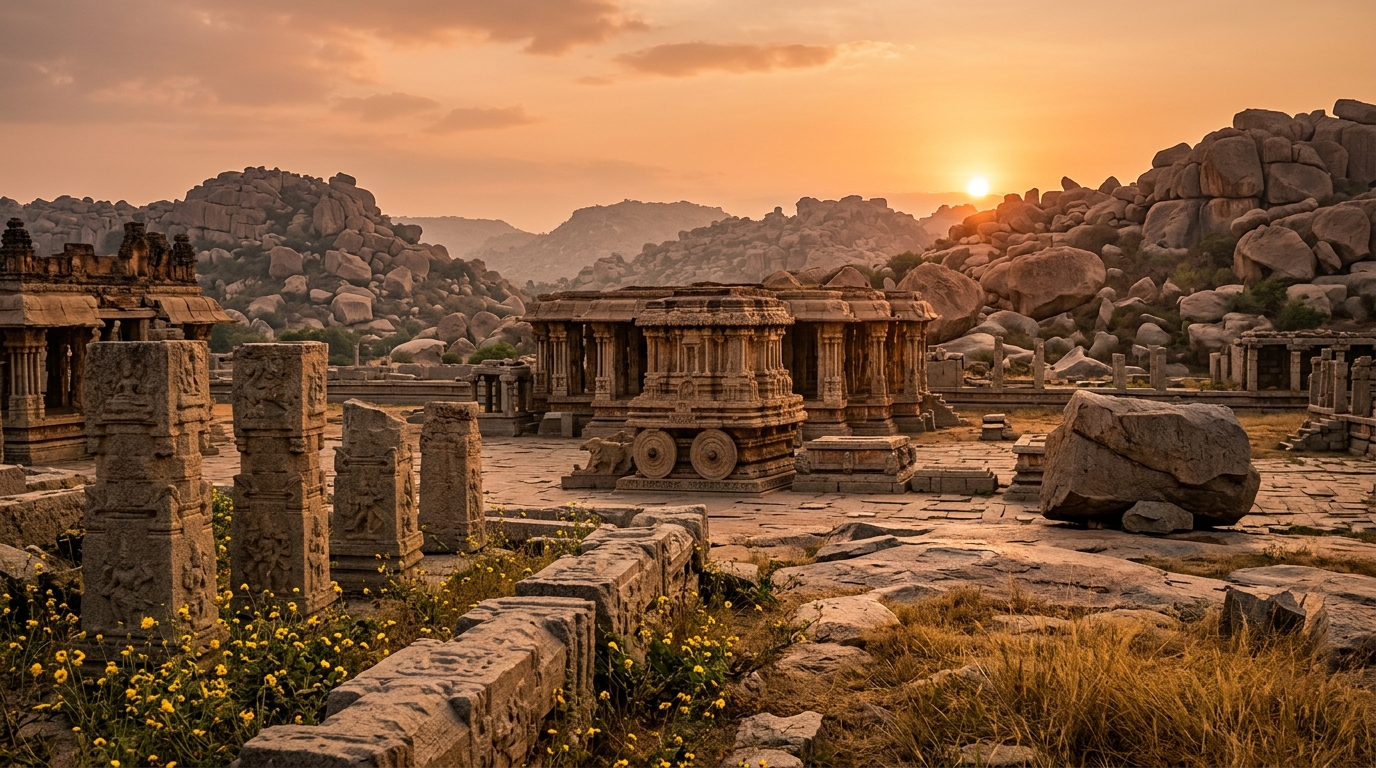
For travelers seeking a heritage-rich south india travel plan, the eastern states offer unparalleled exposure to classical Dravidian architecture. This route is dominated by the monumental temple towns of Tamil Nadu, where active complexes serve as both religious and social hubs. The journey typically initiates in Chennai, the regional gateway, before moving south to the coastal monuments of Mahabalipuram, a UNESCO World Heritage site featuring seventh-century rock-cut relief carvings.
Including these destinations in a south india travel plan reveals the historical intersections of colonial trade and local monarchy. Key stops along this architectural corridor include:
- Pondicherry: A charming former French colony retaining its peaceful French Quarter and coastal promenades.
- Thanjavur: The heart of the ancient Chola Empire, home to the magnificent 11th-century Brihadeeswarar Temple.
- Madurai: One of the world’s oldest continuously inhabited cities, celebrated for the towering gopurams of the Meenakshi Amman Temple.
To optimize this complex route, booking a structured Tamil Nadu itineraries plan helps navigate the intricate ticketing systems and local guide arrangements required at historical monuments. This heritage corridor is ideal for history enthusiasts, photographers, and travelers interested in studying classical South Asian art and sculpture.
The Highland Trails of the Western Ghats
Integrating these highland destinations into a south india travel plan offers a stark contrast to the humid coastal plains. The Western Ghats run parallel to the western coast, creating a series of high-altitude plateaus characterized by cool climates, endemic wildlife, and sprawling plantations of coffee and tea. This route is particularly popular among outdoor enthusiasts and those seeking a quieter, mist-shrouded environment.
The journey often begins in Bengaluru, a modern technology hub with excellent global connectivity, before moving to the royal heritage city of Mysore. Exploring the historic palaces of the region with a structured Bangalore and Mysore tour remains a popular cultural starting point. From Mysore, the ascent into the hills begins, leading to the district of Coorg (officially known as Kodagu), famous for its dense coffee forests and distinct local culture. A balanced south india travel plan will ideally combine one coastal region with a single hill station to avoid excessive transit times through winding mountain roads.
For travelers wishing to extend this highland loop, the route can continue south into Wayanad or Nilgiri, home to Ooty and its historic mountain railway. While the scenery is stunning, mountain transit is notoriously slow. A road distance of just 100 kilometers can easily require four hours of driving due to steep hairpin turns. Planners must respect these driving limits.
Logistical Blueprints for Seamless Ground Transit
Logistical efficiency is the ultimate operational bottleneck for any comprehensive south india travel plan. The regional transportation network is extensive, but its complexity requires careful navigation and advanced planning to avoid costly delays. It is basically a puzzle of connecting trains, private cabs, and state buses.
| Transit Mode | Best For | Pros | Cons |
|---|---|---|---|
| Private Cab & Driver | Hilly terrains, remote temples, flexible stops | Door-to-door convenience, local driver knowledge | Higher cost, slower on winding mountain roads |
| Express Trains (Vande Bharat/Shatabdi) | Inter-city transit (e.g., Bangalore to Mysore) | Punctual, highly affordable, comfortable, scenic | Requires booking months in advance, fixed schedules |
| Domestic Flights | Long-distance jumps (e.g., Kochi to Hyderabad) | Saves massive amounts of travel time | Bypasses scenic rural landscapes, baggage limits |
For a highly personalized south india travel plan, hiring a private vehicle with an experienced driver remains the most reliable option. This arrangement provides door-to-door flexibility and eliminates the stress of navigating local bus terminals. Private transport is particularly beneficial when traveling through the hilly terrains of the Western Ghats or visiting remote temple sites in Tamil Nadu. When hiring a vehicle, it is critical to confirm that the rental company holds an all-India tourist permit, which allows seamless crossing of state borders without administrative delays at checkposts.
Alternatively, including train journeys within a south india travel plan offers an immersive perspective of the rural countryside. The Indian Railways network connects all major southern cities. However, securing reservations in first-class air-conditioned cabins requires booking several weeks, or even months, in advance. This makes early reservation crucial for an affordable south india travel plan. For shorter distances, high-speed trains such as the Shatabdi and Vande Bharat Express offer clean, punctual, and highly efficient transit between hubs like Bengaluru, Chennai, and Mysore.
Budget allocation is another critical structural element when finalizing a south india travel plan. While domestic flights are useful for covering massive distances (such as traveling from Kochi to Hyderabad), they often bypass the beautiful rural landscapes that define the region. Planners should restrict flights to major transit jumps and rely on trains or private road transport for regional exploration.
Hospitality Frameworks and Culinary Protocols
A successful south india travel plan relies heavily on selecting accommodations that offer culturally authentic experiences. The region features an exceptional variety of lodging options, ranging from luxury heritage palaces to cozy plantation homestays.
For those implementing a luxury-tier south india travel plan, securing heritage boutique properties well in advance is highly recommended. Examples include restored Chettinad mansions in Tamil Nadu or traditional colonial bungalows in the tea estates of Munnar. MAPAI (Modified American Plan Including breakfast and dinner) packages are frequently offered by these heritage properties. For mid-range travelers, choosing high-quality homestays offers an intimate look into local life, including home-cooked regional meals and personalized guided walks.
Food is another vital element of the journey. Southern Indian cuisine is incredibly diverse, moving far beyond the globally recognized staples of idlis and dosas. Each sub-region boasts distinct culinary traditions. For example, the Malabar coast is famous for its seafood and aromatic biryanis, while the Chettinad region of Tamil Nadu is celebrated for its complex, spice-heavy meat dishes. Weaving these food experiences into your south india travel plan exposes the palate to complex spice combinations that cannot be replicated elsewhere.
Travelers should also understand local dining customs. In traditional eateries, meals are frequently served on fresh banana leaves, and eating with the right hand is the customary practice. While high-end establishments readily provide western utensils, embracing local dining customs is highly appreciated by hosts. It signals respect for regional traditions.
Financial Allocation and Strategic Budgeting
Formulating a financial framework is a crucial component of any professional south india travel plan. A clear understanding of costs across different categories helps prevent unexpected overruns and ensures that resources are allocated to the experiences that matter most.
While budget guesthouses (often referred to as GHs in local travel circles) offer significant savings, investing in mid-range or premium heritage properties often yields far better value in terms of hygiene, safety, and cultural immersion. Earlier, we noted the importance of avoiding the heavy northeast monsoons on the east coast. This same seasonal awareness applies when budgeting, as peak winter months see a massive spike in premium accommodation prices. This helps ensure that your south india travel plan does not incur unexpected overruns due to seasonal price surges.
To assist in your financial planning, the table below outlines a standard budget allocation matrix for a mid-range, ten-day itinerary:
| Expense Category | Estimated Daily Cost (INR) | Percentage of Budget | Key Inclusions |
|---|---|---|---|
| Accommodation | 4,500 – 8,000 | 40% | Boutique homestays or heritage hotels with breakfast |
| Local Transport | 3,000 – 5,000 | 25% | Private AC sedan with driver, fuel, and state toll taxes |
| Dining & Food | 1,500 – 3,000 | 15% | Traditional lunch, specialty dinners, and mineral water |
| Sightseeing & Guides | 1,000 – 2,000 | 12% | Monument entry fees, camera tickets, and local historians |
| Discretionary Spend | 800 – 1,500 | 8% | Spices, tea, silk sarees, and local tipping tips |
Additionally, travelers must account for minor state-level expenses, such as camera fees at historical monuments and mandatory temple entry tickets. Failing to account for these local charges can skew an otherwise accurate south india travel plan. Keeping a small reserve of cash is always advisable, as smaller vendors in rural areas may not accept international credit cards.
Conclusion
Ultimately, a well-engineered south india travel plan acts as a strategic roadmap for discovery. The key to unlocking the true essence of this region lies in resisting the urge to see everything in a single visit. By prioritizing depth of experience over sheer geographical coverage, travelers can truly connect with the distinct rhythms of the southern peninsula. Whether floating along the quiet backwaters of Kerala or standing in the shadow of Tamil Nadu’s massive stone towers, a measured approach yields the most rewarding memories. By matching regional highlights with careful transit booking, a dream south india travel plan transitions from an abstract concept into a seamless, profoundly enriching reality.