
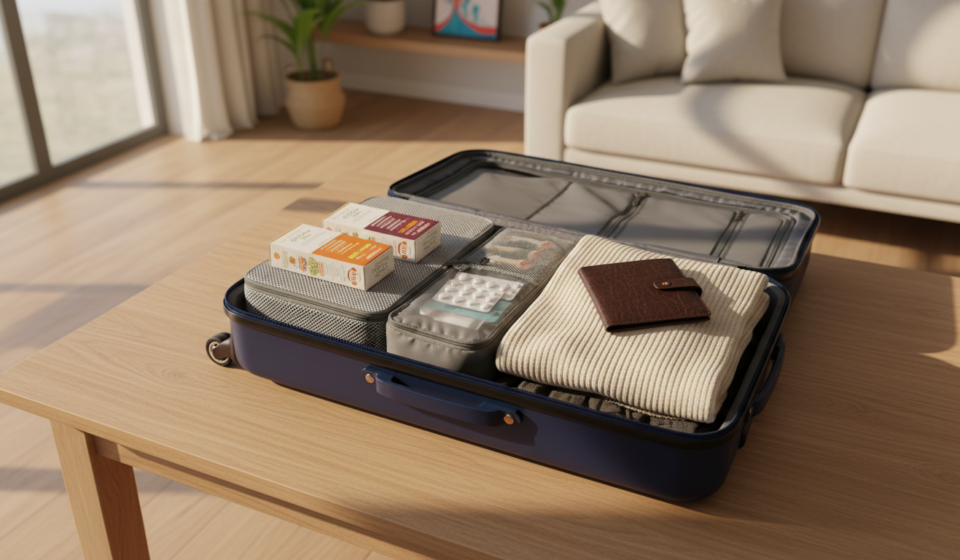

Packing for a long-haul flight to North America is stressful, but arriving at US Customs and Border Protection (CBP) only to have your luggage searched can turn a simple trip into a nightmare. Knowing the exact things not to carry while travelling to usa from india is essential whether you are a parent visiting your children, a student starting university, or a tourist embarking on your first international holiday. Every year, thousands of Indian travelers face hefty fines, confiscations, and airport delays simply because they packed homemade treats, unlabelled medicines, or prohibited ritual items.
Before closing your suitcases, you must understand that two separate agencies govern what goes into your bags. The Transportation Security Administration (TSA) enforces aviation security rules inside aircraft cabins and cargo holds, while US Customs and Border Protection (CBP), operating alongside the US Department of Agriculture (USDA), screens what enters the country at ports of entry like JFK, SFO, ORD, and IAD.
The Golden Rule of US Customs: Always Declare Everything
If you remember only one rule from this guide, make it this: Always declare every agricultural and food item you are carrying.
When you land in the United States, you must fill out the declaration form—either on paper via CBP Form 6059B or digitally using the free Mobile Passport Control (MPC) app. Question 11(a) explicitly asks if you are bringing in any fruits, vegetables, plants, seeds, food, insects, meat, or animal products.
If you tick “YES” and declare your food items, the worst outcome is that an unauthorized item is confiscated and destroyed by CBP officers without any penalty. However, if you tick “NO” and a CBP agricultural specialist—or one of their famous “Beagle Brigade” sniffer dogs—finds undeclared food in your luggage, you face severe consequences:
- First-time offense penalty: A mandatory $300 civil fine assessed on the spot.
- Repeat offense penalty: Fines rising to $500.
- Severe or intentional smuggling penalty: Up to $10,000 in civil fines, potential criminal prosecution, and permanent revocation of Trusted Traveler programs like Global Entry.
Review our comprehensive first-time USA travel checklist to ensure your travel documents and entry procedures are fully prepared alongside your luggage strategy.
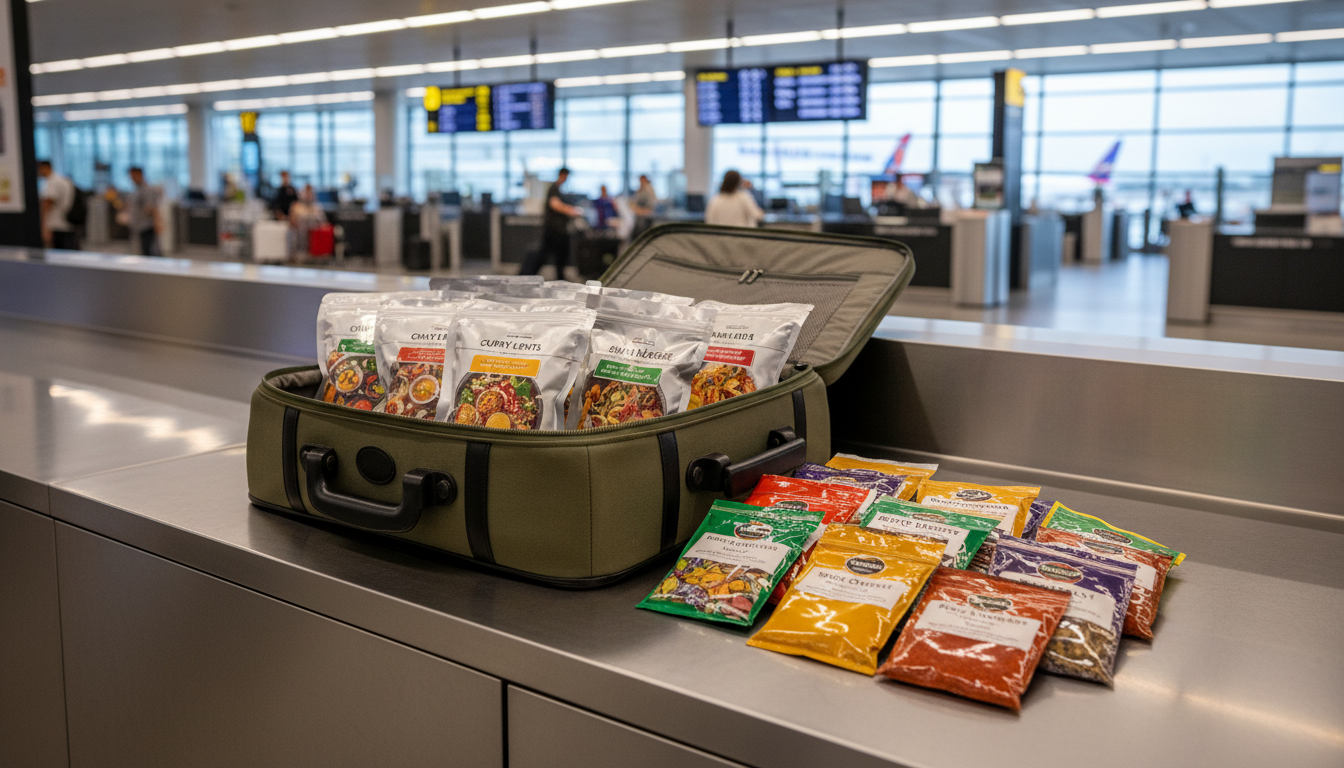
Food & Agricultural Items: Things Not to Carry While Travelling to USA from India
Food items make up more than 80% of all goods confiscated from Indian travelers at US airports. While it is tempting to carry comforts of home, specific agricultural bans are strictly enforced to prevent foreign pests and plant diseases from destroying US farming ecosystems.
1. Banned Meat, Poultry, and Seafood Products
All raw, cooked, dried, canned, or cured meat and poultry products originating from India are strictly prohibited from entering the United States. USDA regulations are rigid due to the risk of Foot-and-Mouth Disease (FMD) and Avian Influenza.
- Strictly Prohibited: Mutton pickles, chicken pickles, pork pickles, dried mutton or beef (such as shami kababs or meat samosas), chicken stock cubes, and instant ramen noodles containing meat-based seasoning powders.
- Allowed Alternative: Commercially packaged, factory-sealed, shelf-stable fish and seafood (e.g., canned tuna or commercially processed dried shrimp) are permitted, provided they are fully declared upon landing.
2. Fresh Produce & Plant Materials
Fresh fruits and vegetables are 100% prohibited in both carry-on and checked luggage. Never attempt to pack raw Alphonso mangoes, bananas, guavas, jackfruit, green chillies, fresh coriander, mint, onions, or garlic.
- Fresh Curry Leaves (Kadi Patta): Fresh curry leaves are the single most confiscated Indian food item at US customs entry points. Fresh leaves carry the Asian citrus psyllid, a insect vector responsible for citrus greening disease that devastates US citrus crops.
- Fresh Betel Leaves (Paan): Fresh paan leaves are completely banned due to severe plant pest risks.
- Allowed Alternative: Factory-packaged, commercially dried curry leaves or ground curry leaf powder in original retail packages are fully permitted when declared.
3. Rice, Grains, Seeds & Pulses
Carrying raw grains is a frequent trap for parents trying to bring home-grown grains to their adult children living in the US.
- Raw Rice (Basmati & Non-Basmati): Under a USDA APHIS Federal Order, all raw rice carried by passengers arriving from countries endemic for the Khapra Beetle (Trogoderma granarium)—which includes India—is strictly prohibited in personal baggage. Do not pack raw basmati rice; it will be seized and destroyed.
- Poppy Seeds (Khus Khus): DO NOT CARRY. While washed culinary poppy seeds are sold inside the US, unwashed or raw imported seeds face intense scrutiny from CBP and the DEA. Furthermore, carrying Khus Khus through major transit hubs in the Middle East (Dubai, Qatar, Abu Dhabi) or Singapore is classified as narcotics trafficking under local laws and carries severe risks of arrest and imprisonment.
- Raw Seeds: Raw mustard seeds meant for planting, whole un-split seeds, and raw wheat or millet grains are subject to rejection.
- Allowed Alternative: Commercially packaged, split lentils (such as toor, moong, and chana dal) intended for personal consumption in original sealed pouches are permitted when declared.
4. Dairy Products & Indian Sweets (Mithai)
Perishable animal products present strict biological controls at US ports of entry.
- Strictly Prohibited: Homemade paneer, raw milk, fresh curd or yogurt, homemade khoya/mawa, liquid milk sweets (such as syrupy rasgulla or gulab jamun), and fresh milk-based sweets with short shelf lives (such as peda, kalakand, or fresh barfi).
- Allowed Alternatives: Commercially packaged, dry or semi-solid sweets packed in sealed factory boxes (e.g., kaju katli, soan papdi, or dry laddu). Factory-sealed milk powder and processed commercial cheeses are also allowed.
5. Pickles (Achaar), Ghee & Spices
There is widespread online confusion regarding whether ghee and achaar are allowed. The policy comes down to commercial packaging versus homemade items.
- Homemade Pickles & Ghee: Carrying these in unlabelled plastic jars or glass containers presents a high risk of confiscation. Leaking containers or ambiguous ingredients cause immediate agricultural red flags.
- Commercially Packaged Pickles & Ghee: Permitted in checked baggage if they are factory-sealed, clearly labeled with an ingredients list in English, and declared on your customs form.
- Dry Spices: Factory-sealed ground spices (turmeric, garam masala, coriander powder) and dried whole spices (cinnamon sticks, cloves, cardamom pods) in branded retail packaging are permitted when declared.
- Asafoetida (Hing): Allowed if factory-sealed, but you should double-zip-lock the containers inside checked luggage. Its pungent aroma can permeate nearby bags and prompt security inspectors to manually open your luggage.
For a detailed breakdown of packing rules across international destinations, consult our master international packing checklist.
Hazardous & Flammable Items: Dangerous Goods Banned by TSA
While CBP handles border agriculture, the TSA manages aviation safety. Beyond standard prohibitions on explosives and weapons, several everyday Indian cultural items are completely banned from aircraft cargo holds and cabins.
Copra (Dried Whole Coconut) — The Aviation Hazard
Many Indian families carry whole dried coconuts (gola or copra) for puja rituals, housewarming ceremonies, or weddings. However, Copra is strictly prohibited in both hand baggage and checked luggage on all commercial flights.
Under International Air Transport Association (IATA) and TSA dangerous goods regulations, Copra is classified as a Class 4.2 Dangerous Good (Spontaneously Combustible Solid). Because of its extremely high fat and oil content, dried whole coconut meat can undergo self-heating and spontaneously ignite under atmospheric pressure and temperature shifts inside aircraft cargo holds.
Allowed Alternative: Commercially dried, shredded or desiccated coconut flakes packaged in sealed retail packets are generally permitted. Green coconuts containing coconut water are banned in carry-on baggage due to TSA liquid limits (100ml).
Other Flammable Puja Essentials
Never pack raw camphor (kapur), matchboxes, strike-anywhere lighters, or ghee-soaked cotton wicks in checked luggage. Camphor is highly flammable and emits dangerous vapors, while loose matches violate global air transport safety standards.
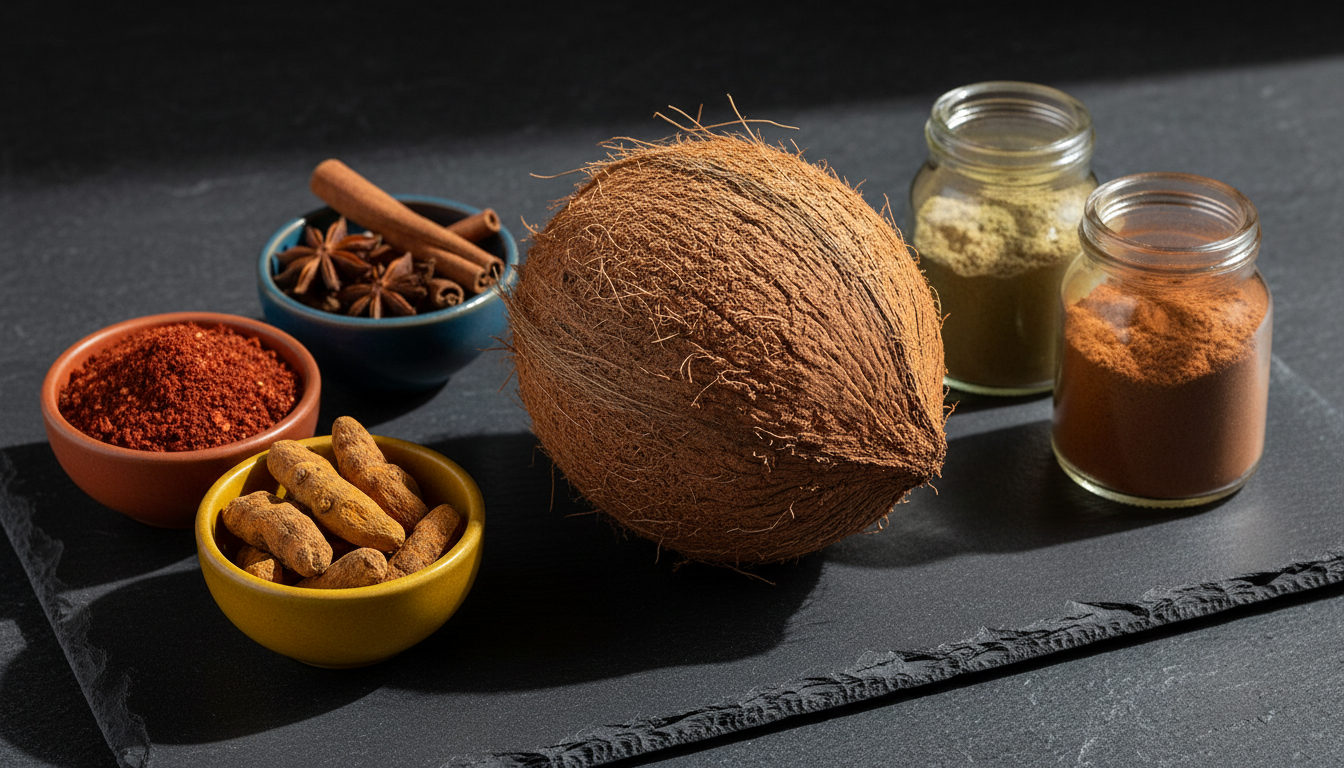
Medicines, Health Supplements & Ayurvedic Products
Packing personal medications requires strict adherence to US Food and Drug Administration (FDA) and Drug Enforcement Administration (DEA) personal importation laws.
If you are a student preparing for higher education in the US, refer to our targeted guide on the packing list for Indian students going abroad to balance medical supplies with mandatory university health requirements.
Rules for Carrying Prescription Drugs
- 90-Day Supply Cap: FDA guidelines permit non-US visitors to carry a maximum 90-day supply of personal prescription medications.
- Original Packaging: Keep all pills, capsules, and liquids in their original pharmacy blister packs or labeled bottles. The label must clearly display the patient’s name, drug name, and dosage instructions.
- Doctor’s Prescription in English: Always carry an official prescription or medical letter signed by your doctor in English detailing your medical condition and justifying the quantity brought.
Banned or High-Risk Prescription Drugs
Certain over-the-counter painkillers and common Indian prescriptions are illegal or strictly monitored in the US:
- Nimesulide (Nimulid): A very common painkiller and fever medication in India, Nimesulide is not approved by the US FDA. Do not pack it.
- Codeine-Based Syrups & Narcotic Painkillers: Tramadol, Codeine cough syrups (such as Corex or Phensedyl), and Ketorolac are controlled substances in North America. Carrying them without comprehensive medical documentation can result in immediate seizure and questioning.
- Sedatives & Anxiety Medication: Alprazolam (Alprax), Zolpidem (Zapiz, Restyl), and Diazepam fall under DEA controlled schedule rules. Foreign travelers are restricted to a maximum of 50 dosage units unless formal FDA/DEA import clearances are granted prior to travel.
- CBD Oil & Cannabis Products: CBD oils, hemp derivatives, and medical cannabis products remain **federally illegal** in the US. They are strictly prohibited at all TSA security checkpoints and CBP ports of entry, regardless of local state laws in destinations like California or New York.
- Unlabelled Ayurvedic Powders (Churna/Kadha): Loose herbal mixtures, homemade churnas, or unlabelled brown powders face very high confiscation rates due to heavy metal contamination concerns and unidentifiable plant matter. Stick exclusively to factory-sealed Ayurvedic tablets featuring complete English ingredient lists accompanied by a doctor’s note.
TSA Luggage Rules: Things Not to Carry While Travelling to USA from India in Cabin Bags
TSA security lines in Indian departure airports and US connection hubs stringently enforce limits on cabin luggage contents.
The 3-1-1 Liquid Rule
In carry-on luggage, all liquids, gels, pastes, creams, and aerosols must comply with the TSA 3-1-1 rule:
- Containers must be 3.4 ounces (100 milliliters) or smaller.
- All containers must fit comfortably inside one 1-quart size transparent, plastic zip-top bag.
- Each passenger is allowed only one such bag in their carry-on.
Items Restricted in Hand Luggage: Ghee, pickle oil, honey, chutneys, toothpaste, liquid body wash, cosmetic gels, and perfume bottles exceeding 100ml must be packed securely in checked luggage.
Exception: Medically necessary liquid prescription medicines, infant formula, and breast milk exceeding 100ml are allowed in carry-on bags. However, you must declare them separately to TSA officers before airport security screening begins.
Powder Limits in Carry-On Baggage
Powder-like substances—including bulk spice powders, protein powders, Ayurvedic churnas, or cosmetic powders—exceeding 350 ml (12 oz) in hand luggage will undergo secondary X-ray screening and manual testing. To prevent flight delays, place all large powder containers into checked baggage.
Cash, Foreign Currency, Gold & Jewellery Regulations
Transporting monetary instruments and precious metals involves rules enforced by both the Reserve Bank of India (RBI) on departure and US CBP on arrival.
Cash & Financial Instrument Limits
- US Customs Limit ($10,000 USD Rule): You can bring any total amount of money into the US. However, if the combined value of currency notes, traveler’s cheques, cashier’s checks, and foreign money exceeds $10,000 USD, you MUST declare it on **FinCEN Form 105** upon arrival.
- Beware of “Structuring”: If a family of three carries $24,000 USD total and splits it so each person carries $8,000 to avoid crossing the $10,000 threshold, this constitutes a federal crime known as structuring. CBP officers can permanently seize the funds and file criminal charges.
- RBI Export Limits out of India: Resident Indians can carry a maximum of ₹25,000 INR in physical cash notes out of India. Non-residents (NRIs) are prohibited from taking Indian currency notes across international borders. Furthermore, RBI regulations limit physical foreign currency cash notes to USD $3,000 per passenger per trip; remaining funds should be carried on multi-currency Forex cards.
Gold & Jewellery Allowances
US Customs places no quantitative limit on personal gold jewellery brought into the country, and worn personal jewellery is duty-free. However, if the total value of all goods and gold carried exceeds $10,000 USD, it must be listed on your entry declaration.
When leaving India with valuable personal gold jewellery (for instance, attending a family wedding abroad), obtain an official **Export Certificate / Valuer Certificate** from Indian Customs departure officers before flying out. This paperwork proves your jewellery originated in India, protecting you from paying import duty upon return. For more details on returning limits, consult our guide to Indian customs baggage rules.
Summary Matrix for Quick Reference
| Category | Banned / Prohibited Items | Allowed Alternatives (Must Declare) | Regulatory Agency & Reason |
|---|---|---|---|
| Meat & Poultry | Mutton/Chicken/Pork pickles, cooked/dried meat, stock cubes | Factory-sealed canned/dried fish & seafood | USDA / CBP: Prevent animal diseases (FMD, Avian Flu) |
| Produce & Herbs | Fresh mangoes, fresh curry leaves, fresh chillies, betel leaves | Commercially dried curry leaves & packaged spices | USDA: Stop agricultural pests (Citrus Greening) |
| Grains & Seeds | Raw Basmati/Non-basmati rice, Khus Khus (Poppy seeds), raw seeds | Commercially split, branded pulses (Dals) | USDA Federal Order: Khapra Beetle protection |
| Dairy & Sweets | Homemade paneer, raw milk, syrupy sweets (rasgulla), fresh peda | Packaged dry sweets (kaju katli, soan papdi), milk powder | USDA: Restriction on perishable animal products |
| Aviation Safety | Copra (Dried Whole Coconut), raw camphor, matches | Packaged desiccated coconut flakes | TSA / IATA: Class 4.2 Spontaneously Combustible Good |
| Medicines | Nimesulide, Codeine syrups, CBD oil, >50 sedatives without clearance | Max 90-day supply with English prescription in original bottles | FDA / DEA: Unapproved or controlled substances |
| Currency & Cash | >₹25,000 INR cash leaving India; >$10,000 USD undeclared cash total | Multi-currency Forex Cards + cash under legal limits | RBI / US FinCEN: Foreign exchange control rules |
Frequently Asked Questions About Things Not to Carry While Travelling to USA from India
Can I take homemade ghee or achaar to the USA if I pack it well in checked luggage?
No, homemade ghee and homemade pickles carry a very high risk of confiscation at US entry points. Because unlabelled plastic tubs or glass jars lack official English ingredient labels, CBP officers cannot verify their contents or safety standards. Leakage can also ruin luggage and trigger agricultural inspections. Always buy factory-sealed, commercially packaged ghee and pickles with printed ingredient labels in English, and declare them on your customs form.
Why is raw basmati rice banned when it is sold everywhere in US Indian grocery stores?
While commercial importers bring basmati rice into the US using industrial quarantine treatments, raw rice carried in passenger baggage from India is banned under a strict USDA APHIS Federal Order. This prohibition prevents the introduction of the Khapra Beetle (Trogoderma granarium), a devastating pest capable of destroying stored grain supplies in North America. Leave raw rice at home; it will be confiscated upon arrival.
Is dried whole coconut (copra/gola) allowed in checked baggage for puja ceremonies?
No. Whole dried coconut (copra) is strictly prohibited in both hand luggage and checked baggage on all commercial aircraft. Copra is listed by IATA and TSA as a Class 4.2 Dangerous Good (Spontaneously Combustible Solid). Its high oil concentration causes it to self-heat and potentially ignite under cargo hold pressure shifts. Pack commercially desiccated or shredded coconut flakes instead.
What happens if I accidentally forget to declare food in my bag at US Customs?
If you fail to declare food items and CBP officers discover them during luggage screening, you face an immediate civil fine starting at $300 for a first-time offense, rising to $500 for repeat occurrences, and up to $10,000 for severe violations. Furthermore, non-declaration can lead to blacklisting, loss of Global Entry privileges, and mandatory luggage inspections on future visits to the United States. Always tick “YES” on your customs form to protect yourself from penalties.
How much cash can an Indian family carry to the US without getting into legal trouble?
A family can carry any amount of money into the US, but any total combined value exceeding $10,000 USD (in cash notes, traveler’s cheques, or foreign currency) must be declared on FinCEN Form 105 upon landing. Never split money among family members to keep individual amounts under $10,000—this is illegal under US federal law (“structuring”). Additionally, remember that RBI rules restrict you from taking more than ₹25,000 INR in cash out of India, and physical foreign currency cash notes are capped at $3,000 USD per traveler per trip.