


Learning how to plan uk trip from india requires getting three critical pieces right before you purchase a single flight ticket: navigating the UK’s digital eVisa system, satisfying Home Office financial maintenance rules, and building a realistic budget for a destination where transit and dining costs add up quickly. Whether you want to witness the historic splendor of London, ride scenic trains through the Scottish Highlands, or explore the cobbled shires of Bath and York, a successful trip relies on clear timing and smart planning.
This comprehensive guide walks you through exact visa costs, mandatory bank balance rules, budget breakdowns, itemised itineraries, and local money-saving hacks to help you execute a hassle-free vacation across Great Britain.
UK Visa Rules: Fees, 28-Day Financial Rule & Digital eVisa
Indian passport holders must apply for a UK Standard Visitor Visa prior to travel. There is no Visa on Arrival for Indian citizens, and processing takes roughly 15 to 21 working days (3 to 4 weeks) following your in-person biometrics appointment.
CRITICAL WARNING ON UK ETA: The UK Electronic Travel Authorisation (ETA)—a £16 digital permit designed for visa-exempt nationalities like US, EU, and GCC citizens—does NOT apply to Indian passport holders. Purchasing an ETA from third-party websites will result in immediate denied boarding at the airport. You must apply for the official UK Standard Visitor Visa.
Digital eVisa Transition
The UK Home Office has fully transitioned to a digital eVisa system. Physical sticker vignettes stamped into passports have been phased out. Your approved visa status is linked digitally to your UK Visas and Immigration (UKVI) online account and your passport number.
However, the application process in India still requires an in-person appointment at a VFS Global centre (located in Delhi, Mumbai, Bengaluru, Chennai, Kolkata, Hyderabad, Pune, Ahmedabad, Kochi, Jalandhar, and Chandigarh) to capture mandatory biometric data (fingerprints and digital photo).
Official Visa Fees & VFS Costs
The UK Home Office official fee schedule establishes the following rates for visitor visas:
- 6-Month Standard Visitor Visa: £135 (~₹16,300 to ₹16,500, subject to official quarterly conversion rates).
- 2-Year Long-Term Visitor Visa: £506 (~₹61,000).
- 5-Year Long-Term Visitor Visa: £903 (~₹1,09,000).
- 10-Year Long-Term Visitor Visa: £1,128 (~₹136,500).
Note: Regardless of whether you hold a 6-month or a 10-year visa, the maximum stay allowed per individual visit remains strictly capped at 6 months.
In addition to the Home Office visa fee, VFS Global charges a baseline service appointment fee of ₹2,000 to ₹3,500 in India. If you need accelerated decisions, optional add-on services are available:
- Priority Visa Service: Decision within 5 working days for an extra £250 (~₹30,000).
- Super Priority Visa Service: Decision within 24 hours for an extra £1,000 (~₹120,000).
The Mandatory 28-Day Bank Balance Rule
The most common cause of visa refusals for Indian applicants under UKVI Appendix V (Visitor) and Appendix Finance is failing to meet financial verification standards. UKVI caseworkers strictly enforce the 28-Day Rule.
- The Rule: Your required travel funds must remain continuously in your bank account for at least 28 consecutive days. The end date of this 28-day period must fall within 31 days of submitting your online visa application.
- Minimum Balance Cushion: The closing balance during those 28 days must never drop below your estimated trip expenses. For a 10 to 14-day holiday, UKVI expects proof of liquid funds covering return flights, accommodation, daily expenses, plus a 25% safety buffer. We strongly recommend maintaining a clear closing balance of **₹2.5 Lakh to ₹4.0 Lakh per adult traveller**.
- Avoid “Show Money”: Depositing a sudden, unexplained lump sum into your bank account right before applying triggers immediate red flags. If you recently received a legitimate large transfer (e.g., annual work bonus, fixed deposit liquidation, property proceeds), you must provide supporting documentation (such as tax slips, FD receipts, or sale deeds) explaining the source.
Estimated UK Trip Cost: Detailed Budget Breakdown for Indian Travellers
Understanding costs in Great Britain requires calculating daily expenses in British Pounds (£ GBP) and converting them to Indian Rupees (INR). Assuming an average conversion rate of **£1 GBP ≈ ₹120 to ₹122 INR**, here is what a 10-day trip costs per person depending on your travel style:
| Expense Head | Budget (Hostels / B&Bs) | Mid-Range (3-Star / Premier Inn) | Luxury (4-Star / Boutique) |
|---|---|---|---|
| Visa & VFS Fees | ₹18,500 | ₹18,500 | ₹48,500 (with Priority) |
| Return Flights (Delhi/BOM to LHR) | ₹55,000 – ₹65,000 | ₹65,000 – ₹80,000 | ₹1,20,000+ (Premium Eco / Biz) |
| Accommodation (per night / room) | £30 – £50 (₹3,600 – ₹6,000) | £90 – £160 (₹10,800 – ₹19,200) | £220 – £400+ (₹26,400 – ₹48,000) |
| Daily Meals & Dining (per person/day) | £15 – £25 (₹1,800 – ₹3,000) | £40 – £65 (₹4,800 – ₹7,800) | £100 – £200+ (₹12,000 – ₹24,000) |
| Local Transport (per person/day) | £8.50 (Tube Cap) (₹1,020) | £12 – £18 (₹1,440 – ₹2,160) | £35 – £60 (Taxis / Black Cabs) |
| Intercity Trains (Total) | £40 – £70 (Buses / Advance Rail) | £100 – £160 (Advance Rail) | £250+ (1st Class / Private) |
| Attractions & Sightseeing (Total) | Free Museums + £40 | £100 – £180 | £250+ |
| ESTIMATED TOTAL (10 Days / Person) | ₹1.50 Lakh – ₹1.75 Lakh | ₹2.20 Lakh – ₹2.80 Lakh | ₹4.20 Lakh – ₹5.50 Lakh+ |
Recommended 10-Day and 14-Day UK Itineraries
When determining how to plan uk trip from india, structuring a realistic itinerary prevents travel burnout. Great Britain’s passenger rail network makes multi-city travel efficient, but over-packing your schedule can make your trip exhausting.
Option 1: The 10-Day “Essential Great Britain” (London, Bath, York & Edinburgh)
This route covers England’s historic landmarks and vibrant capital before heading north into Scotland.
- Day 1: Arrival in London. Land at London Heathrow (LHR). Board the Elizabeth Line to Central London. Settle into your hotel and take an evening walk along the South Bank, taking in views of the London Eye, Big Ben, and the Houses of Westminster.
- Day 2: Royal Landmarks & West End. Watch the Changing of the Guard outside Buckingham Palace, walk through St. James’s Park, and explore the Tower of London and Tower Bridge in the afternoon. Spend your evening watching a West End show or dining in Soho.
- Day 3: World-Class Museums & Views. Spend your morning at the British Museum (free entry). Head to Sky Garden or Horizon 22 in the afternoon for panoramic city views (reserve free timed tickets online in advance). Enjoy dinner in Brick Lane or Dishoom.
- Day 4: Day Excursion to Bath. Take a 1-hour 20-minute Great Western Railway train from Paddington Station to Bath Spa. Explore the ancient Roman Baths, the Georgian architecture of the Royal Crescent, and Pulteney Bridge before returning to London.
- Day 5: Historic York. Board an LNER train from London King’s Cross to York (2 hours). Walk along The Shambles (the inspiration for Harry Potter’s Diagon Alley), visit York Minster, and walk the medieval city walls. Overnight stay in York.
- Day 6: Coastal Scenic Rail to Edinburgh. Take the 2.5-hour LNER coastal train from York to Edinburgh Waverley. Check into your hotel, stroll down the Royal Mile and colorful Victoria Street, and watch the sunset from Calton Hill.
- Day 7: Edinburgh Castle & Old Town. Tour Edinburgh Castle (book timed tickets weeks in advance). Explore the Palace of Holyroodhouse or hike up Arthur’s Seat for sweeping volcanic landscape views. Enjoy dinner at a traditional pub with live Scottish folk music.
- Day 8: Day Excursion to Loch Ness & Highlands. Join a guided day tour from Edinburgh heading north into Glencoe, the Scottish Highlands, and Loch Ness.
- Day 9: Return to London. Take a 4-hour 15-minute train back to London King’s Cross (or fly home directly out of Edinburgh Airport). Spend the afternoon shopping on Oxford Street, Regent Street, or inside Harrods.
- Day 10: Borough Market & Flight Home. Grab fresh artisanal morning snacks at Borough Market before heading to Heathrow Airport for your evening return flight to India.
Option 2: The 14-Day “Full Great Britain Explorer” (England, Wales & Scotland)
If you have two full weeks, this route expands into the natural beauty of North Wales and England’s Lake District.
- Days 1–4: London & Windsor. Complete London’s primary sights, adding a day excursion to Windsor Castle and the university town of Oxford.
- Days 5–6: North Wales (Conwy & Eryri / Snowdonia). Take a 3-hour train from London Euston to Chester/Conwy. Explore UNESCO-listed Conwy Castle and the landscapes of Snowdonia National Park.
- Days 7–8: The Lake District (Windermere & Keswick). Travel north to Windermere. Enjoy scenic boat cruises across Lake Windermere, explore Beatrix Potter’s countryside home, and hike scenic Lakeland paths.
- Days 9–11: Edinburgh & The Scottish Highlands. Train north from the Lake District across the Scottish border to Edinburgh. Visit Stirling Castle, Loch Lomond, and the historic streets of Edinburgh’s Old Town.
- Days 12–13: Medieval York & The Cotswolds. Travel south to explore York Minster before visiting quintessentially English stone villages in the Cotswolds (such as Bourton-on-the-Water and Moreton-in-Marsh).
- Day 14: Departure from London. Final souvenir shopping and departure flight home.

Ground Transport, Money Hacks & Savings Tricks
The UK can be expensive, but smart planning allows you to avoid unnecessary costs on local transport and daily purchases.
1. London Public Transit: Skip the Oyster Card
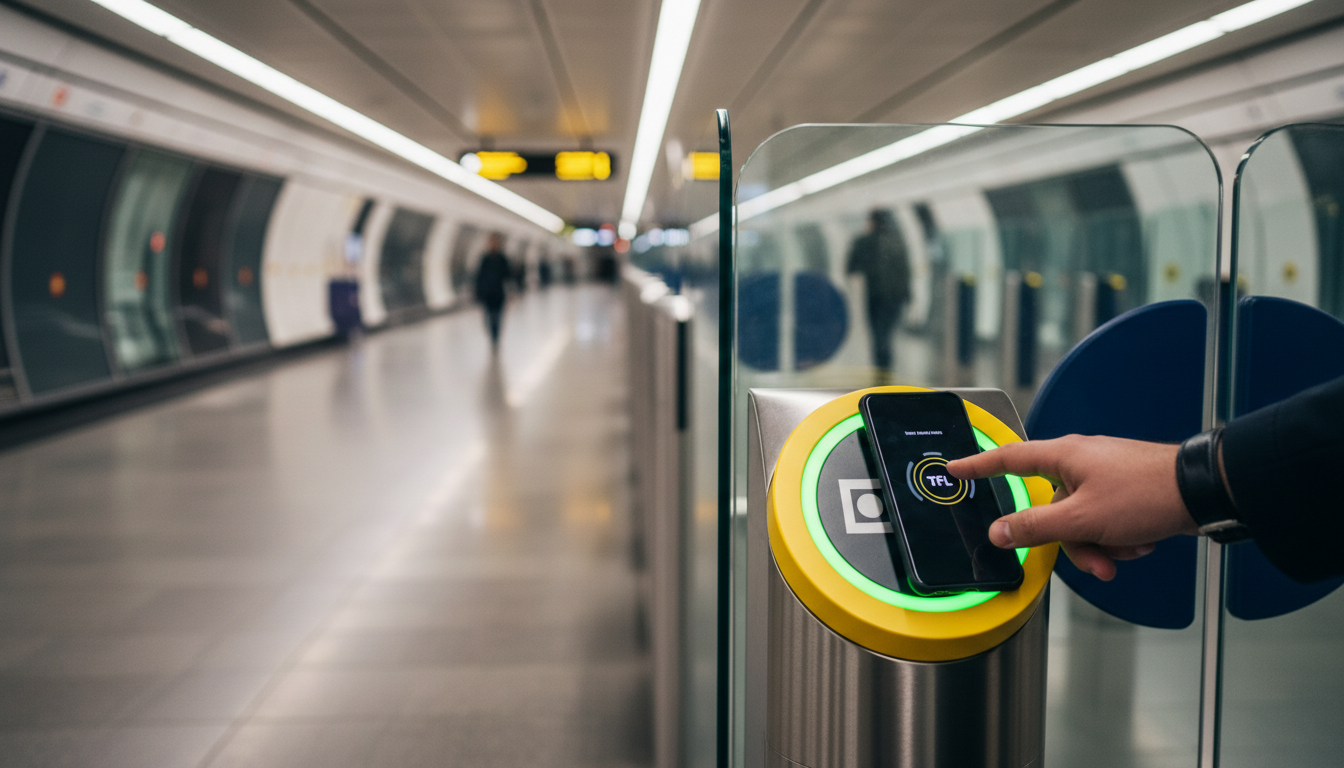
Do not buy a physical plastic Oyster Card at the airport. Physical Oyster cards incur a non-refundable £7 admin fee. Instead, simply tap any contactless debit card, zero-forex credit card, or smartphone (Apple Pay / Google Pay) directly at the Underground (Tube) gates and bus readers.
London transit features automatic daily fare capping. For example, traveling within Zones 1–2 automatically caps out at roughly £8.50 per day, regardless of how many Tube or bus trips you take after reaching that limit.
2. Heathrow Airport Transit Hack
- Avoid: The Heathrow Express train, which costs £25+ one-way for a 15-minute ride to Paddington.
- Use Instead: The Elizabeth Line. It takes you directly into Central London in 35 minutes for £13.30. If you are on a strict budget, take the Piccadilly Tube Line, which costs £3.70 off-peak / £5.60 peak and takes around 50 minutes.
3. Saving Up to 70% on Intercity Trains
UK rail prices operate on dynamic pricing models similar to airline tickets. Purchasing tickets at the train station on your day of travel is extremely expensive. Book your intercity tickets 8 to 12 weeks in advance using booking apps like Trainline or direct operators like LNER to lock in Advance Single fares, which save up to 60–70%.
The “Two Together Railcard” Hack: If two adults (couples, friends, or family members) are traveling together, buy a digital **Two Together Railcard** online for £35. This card gives both travellers a 33% discount (1/3rd off) on all off-peak intercity train fares across Great Britain. It pays for itself on a single journey between London and Edinburgh.
4. Card Payments & Managing Forex
The UK operates as an almost entirely cashless economy. Street markets, public buses, taxis, cafes, and museums rarely accept cash. Avoid carrying large amounts of physical foreign currency notes.
Instead, use dedicated travel cards to avoid standard Indian bank foreign transaction markups (which can run from 3.5% to 5% plus GST). Selecting the best forex card in India allows you to lock in interbank conversion rates without paying excessive transaction fees abroad. Carry just £30 to £50 in cash as emergency back-up.
5. Dining & Attraction Hacks
- Supermarket “Meal Deals”: Major UK supermarket chains (Tesco, Sainsbury’s, Boots, and Marks & Spencer) offer a grab-and-go lunch deal (£3.50 to £4.50). This includes a main item (fresh sandwich, wrap, or sushi), a side (chips, fruit, or snack), and a drink. It is a great way to save on daily lunch costs.
- Free World-Class Museums: Many of Great Britain’s finest national museums offer completely free general admission. You can enter the British Museum, Natural History Museum, Science Museum, Victoria and Albert (V&A) Museum, Tate Modern, and the National Museum of Scotland without paying an entry fee.
Common Mistakes That Lead to UK Visa Rejections
To ensure your visa application goes smoothly, avoid these common mistakes made by Indian applicants:
- Unexplained Cash Deposits: Parking large sums of money into your savings account right before generating your bank statements without attaching proof of source violates UKVI Appendix Finance guidelines.
- Weak Proof of Ties to India: Failing to submit strong supporting documents proving your intention to return—such as an employer-stamped leave sanction letter, property papers, registered business incorporation certificates, or family dependency evidence.
- Form Discrepancies: Inputting monthly income or living expense figures on the online UKVI form that do not match the transactions visible on your submitted bank statements.
- Vague Travel Plans: Submitting generic schedules without logical hotel reservations or realistic daily activity outlines.
- Confusing ETA for a Visa: Accidentally filling out ETA paperwork instead of completing the proper UK Standard Visitor Visa application.
Additionally, make sure you double-check health guidelines and international flight packing rules before heading to the airport. If you take regular prescription medicines, review the regulations for carrying medicines on international flights from India to ensure all doctor prescriptions and original packaging comply with UK customs standards.
Planning Your Trip with TravelDham
Organizing an international vacation across multiple cities requires careful planning. If you want expert help handling complex travel logistics, TravelDham provides complete planning assistance for Indian travellers:
- UK Visa Document Audits: Expert verification of your financial statements (ensuring compliance with the 28-day rule) and tailored cover letter drafting to maximize visa approval odds.
- Bespoke Transport & Rail Ticketing: Advance intercity rail reservations, Two Together Railcard setups, and seamless airport transfer bookings.
- Customised Multi-City Packages: Hand-picked, centrally located hotels in London combined with traditional B&Bs across Scotland and the Cotswolds.
Whether you are comparing long-haul destinations like studying how to plan a trip to Japan from India or organizing a historic tour across the UK, our specialists ensure your trip goes smoothly from application to departure.
Frequently Asked Questions
1. Do Indian passport holders need a visa for the UK in 2026?
Yes. Indian citizens must apply for a UK Standard Visitor Visa before traveling. The UK Electronic Travel Authorisation (ETA) scheme is strictly for visa-exempt nationalities and cannot be used by Indian passport holders.
2. What is the 28-day bank balance rule for a UK visa?
The 28-day rule requires that your mandatory visa funds remain in your bank account continuously for at least 28 consecutive days, with the closing balance never dropping below the required minimum threshold. The end date of this 28-day period must fall within 31 days of your online visa application submission date.
3. How much liquid bank balance should I show for a UK tourist visa?
For a standard 10 to 14-day tourist trip, UKVI caseworkers generally expect to see an unencumbered liquid balance of ₹2.5 Lakh to ₹4.0 Lakh per adult applicant. This covers flights, accommodation, daily expenses, and an extra emergency safety margin.
4. How far in advance should I apply for my UK tourist visa from India?
You can apply up to 3 months before your intended travel date. Standard visa processing takes approximately 15 to 21 working days (3 to 4 weeks) after completing your biometrics appointment at VFS Global in India. Apply at least 6 to 8 weeks ahead of travel to allow time for processing.
5. Is an Oyster Card mandatory for traveling on the London Underground?
No. You do not need an Oyster Card. You can tap directly at Tube gates and on London buses using any contactless credit card, debit card, or mobile wallet (Apple Pay/Google Pay). Contactless tapping automatically applies daily fare caps without charging physical card creation fees.