


Executing an around-the-world or multi-continent trip from India requires between ₹1.80 Lakh per person for a 12-day two-continent itinerary and ₹35.00 Lakh or more for a 60-day luxury circumnavigation. Finding an accurate world tour packages from india price list online is notoriously difficult because standard booking engines redirect searchers to single-country itineraries like Dubai or Bali. A true world tour demands combining global flight passes, multi-country visa approvals, foreign exchange limits, and Tax Collected at Source (TCS) accounting into one structured plan.
This comprehensive guide breaks down actual package pricing tiers, itemized expense allocations, airline alliance pass mechanics, step-by-step visa stacking pipelines, and tax rules to help you plan a multi-continent journey from India.
World Tour Packages from India Price List: Tier Matrix
World tours fall into three broad structural tiers based on duration, global reach, and service class. The figures below reflect estimated realistic market rates per adult on a twin-sharing basis for departures out of major Indian international hubs (Delhi, Mumbai, Bengaluru, Chennai, and Hyderabad).
| Tour Category | Duration | Destinations / Continents Covered | Standard / Comfort Package Price Range (INR) | Luxury / Premium Package Price Range (INR) |
|---|---|---|---|---|
| Level 1: Multi-Region “Mini World Tour” | 12 – 18 Days | 2 Continents / 4–5 Countries (e.g., Middle East + Western Europe OR Southeast Asia + East Asia) | ₹1.80 Lakh – ₹3.50 Lakh per adult | ₹4.50 Lakh – ₹6.50 Lakh per adult |
| Level 2: 3–4 Continent Classic World Tour | 25 – 35 Days | 3–4 Continents / 8–12 Countries (e.g., SE Asia → East Asia → USA → Europe → Middle East) | ₹4.80 Lakh – ₹7.50 Lakh per adult | ₹8.50 Lakh – ₹12.50 Lakh per adult |
| Level 3: The Grand Circumnavigation (RTW) | 45 – 60+ Days | 5–6 Continents / 15–20 Countries (e.g., Asia → Australia/NZ → Americas → Europe → Africa) | ₹9.50 Lakh – ₹14.00 Lakh per adult | ₹18.00 Lakh – ₹35.00+ Lakh per adult |
Note: Pricing accurate based on current airline tariff structures and foreign exchange baseline rates. Actual costs fluctuate depending on flight booking lead times, seasonal demand, and active tax compliance rules.
Budget Breakdown Behind the World Tour Packages from India Price List
Understanding where your money goes helps prevent budget overruns during long-haul travel. For a benchmark 30-day, 3-continent world tour budgeted at ₹6.50 Lakh per person, expenses break down across six core operational areas:
| Expense Category | Percentage of Total Budget | Estimated Cost (INR per adult) | Primary Cost Drivers |
|---|---|---|---|
| International & Internal Flights | 35% – 40% | ₹2.30 Lakh – ₹2.60 Lakh | Transpacific/Transatlantic legs, global alliance passes, baggage add-ons on low-cost carriers (LCCs). |
| Accommodation | 25% – 30% | ₹1.60 Lakh – ₹1.95 Lakh | 3–4 star city-center hotels, boutique stays, regional lodging taxes. |
| Meals & Local Dining | 12% – 15% | ₹80,000 – ₹95,000 | Daily breakfast (often hotel-included), lunches, dinners, dietary preference adjustments. |
| Visas, VFS Fees & Travel Insurance | 5% – 7% | ₹32,000 – ₹45,000 | Direct embassy/VFS fees for 4–5 visa stacks, high-coverage worldwide medical insurance. |
| Sightseeing, Transit & City Passes | 10% – 12% | ₹65,000 – ₹78,000 | Rail passes (Eurail, JR Pass), high-speed rail, entry tickets to major attractions, local metro passes. |
| Forex Spreads, TCS & Emergency Buffer | 5% – 8% | ₹35,000 – ₹50,000 | Bank conversion spreads, tax collected upfront at source, emergency cash reserves. |
Itemized Expense Components
1. Flights: Transoceanic sectors represent your single largest outlay. An economy-class Round-The-World (RTW) ticket issued via major airline alliances costs between ₹2.50 Lakh and ₹4.20 Lakh. Upgrading the long-haul sectors to business class raises flight costs to ₹6.50 Lakh to ₹12.00 Lakh+. Independent point-to-point bookings using low-cost carriers can drop baseline flight expenditures to ₹1.80 Lakh – ₹3.00 Lakh, though this introduces severe baggage restrictions and loss of delay protections.
2. Accommodation Nightly Benchmarks: Hotel costs vary dramatically across continents. Budgeting accurately requires applying regional per-night averages (assuming clean 3-star or mid-range boutique accommodation):
- Southeast Asia & Eastern Europe: ₹3,000 – ₹6,000 per night ($35–$70 USD)
- Western Europe & Japan: ₹8,000 – ₹14,000 per night ($95–$165 USD)
- United States, United Kingdom & Australia: ₹10,000 – ₹18,000 per night ($120–$215 USD)
3. Visas & Administration: Securing a 4 to 5-country visa portfolio (including US B1/B2, Schengen C, UK Visitor, and Australian Subclass 600) requires a direct administrative spend of ₹30,000 to ₹55,000 per traveler, inclusive of VFS service surcharges and courier fees.
4. Overseas Travel Insurance: Comprehensive worldwide insurance covering the US and Schengen territories (with a minimum required emergency medical sum insured of $100,000 USD, though $250,000 USD is recommended) costs between ₹4,500 and ₹9,000 per person for 30 to 45 days.
Flight Mechanics: RTW Alliance Passes vs. DIY Point-to-Point
Selecting the right flight strategy dictates both your routing flexibility and overall itinerary stability. Round-the-world flight planning relies on three distinct booking models.
1. Global Airline Alliance RTW Tickets
Global airline alliances offer specialized Round-The-World flight passes that bundle multiple partner airlines into a single ticketed itinerary. These tickets offer fixed pricing models and free or low-cost date changes, making them ideal for long-duration multi-continent trips.
- Star Alliance (Book & Fly Pass):
- Partner Airlines: Air India, Singapore Airlines, Lufthansa, United Airlines, ANA, Thai Airways, Swiss, and others.
- Rules: Priced on total distance covered via tier brackets (26,000; 29,000; 34,000; or 39,000 miles). Permits between 3 and 15 stopovers.
- Routing Mandates: Travel must follow one continuous global direction (East to West or West to East). Must cross both the Atlantic Ocean and Pacific Ocean once, starting and ending in the same country (India).
- Economy Class Price: Approx. $3,200 – $5,200 USD (₹2.65 Lakh – ₹4.30 Lakh) + local airport taxes.
- Oneworld Alliance (Oneworld Explorer / Global Explorer):
- Partner Airlines: Qatar Airways, British Airways, American Airlines, Japan Airlines, Qantas, Cathay Pacific, Finnair.
- Rules: Oneworld Explorer pricing depends on the number of continents visited (3 to 6 continents), regardless of distance flown. Global Explorer uses a distance-based formula.
- The India Advantage: Highly advantageous for Indian departures due to Qatar Airways’ deep coverage across secondary Indian airports (e.g., Ahmedabad, Amritsar, Kochi, Hyderabad) connecting seamlessly into Doha.
- Economy Class Price: Approx. $3,300 – $5,500 USD (₹2.75 Lakh – ₹4.55 Lakh) + taxes.
2. Point-to-Point DIY Routes (The Low-Cost Carrier Assembly)
Travelers can build an around-the-world route by stitching together separate low-cost carrier (LCC) tickets. A typical DIY flight chain might look like this:
- India to Southeast Asia: IndiGo or AirAsia to Bangkok/Singapore
- Asia to US West Coast: Zipair (Toky-Narita to Los Angeles/San Francisco) or Scoot
- Trans-America: Southwest Airlines or JetBlue
- Transatlantic: Norse Atlantic Airways (New York to London/Paris)
- Intra-Europe: Ryanair or Wizz Air
- Europe back to India: Wizz Air Abu Dhabi, Pegasus Airlines, or IndiGo via Middle Eastern transit points
Trade-Off Analysis: This method can reduce total flight expenditures by 30% to 40%. However, individual budget fares feature strict check-in baggage limits (often 15–20 kg, compared to 23–32 kg on network carriers). Crucially, point-to-point tickets carry zero delay protection: if your initial flight is delayed and you miss a self-transfer connection on a separate airline, the second carrier marks you as a no-show and cancels your downstream ticket without compensation.
3. Escorted Group Tours vs. Customized Agency World Packages
Traditional Indian tour operators run scheduled fixed-group departures. These provide dedicated Indian chefs or pre-arranged Indian meals and escort managers, but they follow strict, fast-paced itineraries and rarely cover more than two regions in a single trip. Customized private packages designed by multi-destination specialists allow flexible pacing, custom hotel choices, pre-vetted transit times, and centralized emergency support across time zones.

Visa Stacking Strategy for Indian Passport Holders
The Indian passport (which provides visa-free or eVisa entry to roughly 56–60 destinations globally) requires a structured Visa Cascade & Stacking Strategy before buying non-refundable tickets. Applying for visas in the correct sequence unlocks secondary entry permissions across multiple transit countries.
The 4-Stage Visa Cascade Pipeline
- Anchor Visa 1 — USA B1/B2 Tourist Visa: This is your foundational anchor. A valid multi-entry US visa unlocks visa-free tourist entry or simplified eVisas for over 35 secondary destinations, including Mexico, Panama, Colombia, the Philippines, Turkey (eVisa), and short-term transit rights across North America.
- Anchor Visa 2 — Schengen C Visa (Europe): Obtaining a multiple-entry Schengen visa from a primary destination country (e.g., France, Germany, Switzerland) grants entry to 27 Schengen member states, alongside secondary entry rights to Albania, Montenegro, Georgia, and simplified Saudi Arabia eVisas.
- Anchor Visa 3 — UK Standard Visitor Visa: Provides access to England, Scotland, Wales, and Northern Ireland. It also unlocks Ireland under the British-Irish Visa Scheme (BIVS) when arriving via the UK.
- Stage 4 — Regional eVisas and ETAs: Process digital applications for Japan (Tourist eVisa), Australia (Subclass 600), and leverage short-term transit permissions like Singapore’s Visa Free Transit Facility (VFTF).
Visa Application Mechanics & Costs Table
| Visa Category | Direct Official Fee | Recommended Lead Time | Cascade & Secondary Entry Benefits |
|---|---|---|---|
| USA B1/B2 Visitor Visa | $185 USD (~₹15,500 – ₹16,000) | 3 to 12 Months (due to interview appointment backlogs) | Visa-free entry to Mexico, Panama, Colombia, Philippines, Turkey (eVisa eligible). |
| Schengen Uniform Visa (Short Stay) | €90 + VFS fee (~₹12,000 – ₹14,500) | 60 to 90 Days before departure | Unlocks 27 Schengen states plus Bulgaria, Romania, Albania, Montenegro. |
| UK Standard Visitor Visa | £115 (~₹12,500 – ₹13,500) | 45 to 60 Days | Unlocks all UK nations and enables Ireland travel under BIVS routing. |
| Australia Visitor (Subclass 600) | AUD 190 (~₹10,500 – ₹11,500) | 45 to 60 Days | 100% online processing; subclass tourist stream. |
| Japan Tourist eVisa | JPY 3,000 (~₹1,300) | 15 to 30 Days | Digital eVisa issued online for eligible Indian passport holders. |
| Singapore Transit (VFTF) | Free (96-Hour Limit) | Granted on Arrival | Allows 96-hour stay in transit if holding a valid visa/passport from US/UK/Schengen/Australia/Japan. |
Logical Route Blueprints
- Eastbound Route (Recommended for First-Time World Travelers):
India (BOM/DEL)→Bangkok/Singapore(Visa-Free / Transit) →Tokyo(Japan eVisa) →San Francisco / New York(US B1/B2) →London(UK Visa) →Paris/Zurich(Schengen) →Dubai(eVisa/Transit) →India. - Westbound Route:
India→Istanbul(Turkey eVisa via US/Schengen visa) →Rome/Zurich(Schengen) →London→New York / Los Angeles→Honolulu→Sydney(Australia Visa) →Bali / Kuala Lumpur→India.
Financial Planning: TCS, Forex Cards, and LRS Compliance
Managing payment structures under Indian tax rules and foreign exchange laws is critical when purchasing high-value multi-continent packages.
Tax Collected at Source (TCS) Rules
Under Section 206C(1G) of the Income Tax Act, buying an overseas tour package through an Indian registered travel company or tour operator triggers TCS collection at predefined thresholds:
- Cumulative Package Spend up to ₹7.0 Lakh per financial year: TCS is collected at 5%.
- Cumulative Package Spend exceeding ₹7.0 Lakh per financial year: TCS is collected at 20% on the amount above ₹7.0 Lakh.
- Direct Forex Card Self-Bookings under LRS: 0% TCS up to ₹7.0 Lakh; 20% TCS on international credit cards/forex spends exceeding ₹7.0 Lakh in a financial year.
Crucial Tax Fact: TCS is not an additional, non-refundable cost or tax penalty. The TCS collected by the operator is remitted directly to the Income Tax Department against your PAN. It reflects as an advance tax credit in your Form 26AS / Annual Information Statement (AIS). You can adjust this full amount against your annual income tax liability or claim it back as a direct cash refund when filing your annual Income Tax Return (ITR).
Under the RBI’s Liberalised Remittance Scheme (LRS), every individual Indian citizen (including minors) has an annual remittance limit of $250,000 USD (approx. ₹2.08 Crore) per financial year for foreign travel, accommodation, and living expenses.
Forex Banking Strategy
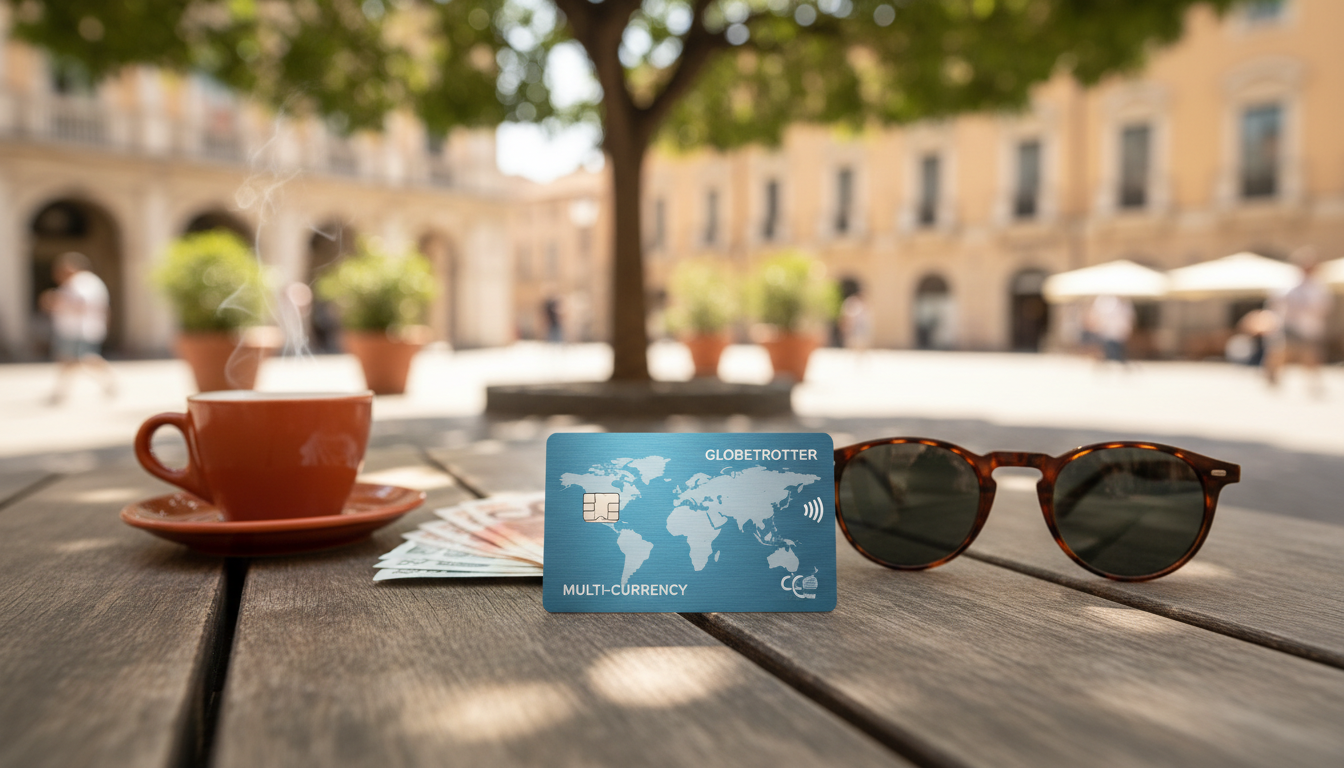
- Zero-Forex Markup Multi-Currency Cards: Load secondary major currencies (USD, EUR, GBP, JPY) onto zero-forex-markup cards (such as Niyo, BookMyForex, Fi Money, or bank-issued multi-currency travel cards). Standard Indian credit or debit cards charge an underlying 3.5% foreign transaction fee plus 18% GST on the markup for every swipe outside India. Zero-markup cards eliminate this cost.
- Physical Foreign Currency Cash Reserves: Always carry between $500 and $1,000 USD in physical cash (clean, un-crumpled $50/$100 notes). Cash remains indispensable for land border processing fees, small transit tips, or unexpected card terminal outages in regional areas.
Navigating Seasonal Weather: The Two Golden Windows
The biggest physical challenge on a global tour is the “Weather Trap”— arriing in Western Europe during mid-summer heatwaves, only to hit peak monsoon floods in Southeast Asia or freezing sub-zero winter temperatures in North America. To keep packing manageable and weather pleasant, aim to book during one of two global shoulder-season windows.
Window 1: April to June (Spring to Early Summer)
- Europe: Spring blooms, mild daytime temperatures (15°C to 22°C), manageable sightseeing conditions.
- North America: Comfortable temperatures across both East and West coasts.
- East Asia (Japan/Korea): Late cherry blossom and pleasant post-flower season; clear skies.
- Middle East: Warm but manageable spring conditions before extreme mid-summer heat sets in.
Window 2: September to November (Autumn / Fall)
- Europe: Crisp fall weather, golden foliage, significantly lower tourist crowds than summer.
- USA / Canada: Clear autumn days; ideal for cross-country coastal travel.
- Southeast Asia: The tail end of the monsoon season gives way to lush, green landscapes and clearing skies.
- Australia / New Zealand: Southern Hemisphere spring brings warming temperatures and long daylight hours.
5 Common Execution Mistakes and How to Avoid Them
Executing a multi-continent itinerary involves managing complex logistics. Avoid these five common pitfalls:
1. The VFS Appointment Sequence Trap
The Mistake: Buying non-refundable RTW air tickets before securing biometrics and interview dates for key visas like the US B1/B2 or Schengen states.
The Solution: Lock in long-lead visa appointments (especially US interview slots and summer Schengen VFS biometrics) first. Pay small fees for hold-tickets or fully flexible airfares while visa processing is underway.
2. Baggage Weight Discrepancies Across Airlines
The Mistake: Packing 30 kg of check-in luggage for a long-haul leg on a full-service carrier (e.g., Singapore Airlines or Emirates) and then connecting to an intra-European low-cost carrier like Ryanair, which enforces a strict 10 kg paid check-in cap.
The Solution: Pack light using high-durability, compact luggage capped at 15–18 kg total per person. Alternatively, pre-book heavy luggage add-ons online at least 48 hours before every regional LCC flight to avoid steep airport counter fees.
3. Dietary and Vegetarian/Jain Meal Failures
The Mistake: Assuming pure vegetarian or Jain dietary preferences are easily accommodated in smaller European towns or rural East Asian regions without prior planning.
The Solution: Request Asian Vegetarian Meals (AVML) or Vegetarian Hindu Meals (VJML) on all long-haul flights at least 24 hours before departure. Use global dietary apps like HappyCow to locate vegetarian restaurants in advance, and pack a compact dual-voltage travel kettle alongside ready-to-eat dry meal kits for regional legs.
4. Self-Transfer Transit Visa Omissions
The Mistake: Booking connecting flights across separate airlines through intermediate hubs (e.g., switching airports in London from Heathrow to Gatwick, or transiting non-sterile terminals in Europe) without holding a valid transit or national visa.
The Solution: Ensure every flight connection either remains within a single international transit zone without baggage re-checking or verify that your passport visa stack permits clearing passport control to collect and re-check bags.
5. Under-Insured Medical Policies
The Mistake: Buying basic $50,000 USD travel insurance policies that exclude medical coverage in the United States or restrict pre-existing condition emergencies.
The Solution: Purchase a comprehensive cashless global medical policy with a minimum $250,000 USD limit. Ensure it explicitly covers emergency air evacuation, trip cancellation protection, and lost passport reimbursement.
How TravelDham Simplifies Your World Tour Planning
Planning an around-the-world journey requires juggling complex flight schedules, multi-country visa applications, and strict financial compliance rules. TravelDham’s international tour design desk eliminates these friction points through structured execution:
- Custom Multi-Continent Itinerary Design: We build tailored, multi-region itineraries tailored to your preferred pace, eliminating the rigid schedules and rushed stops of standard group tours.
- Sequential Visa Concierge: Our visa desk coordinates your application sequence step-by-step, monitoring VFS appointment slots, drafting cover letters, and aligning entry permissions to maximize secondary visa benefits.
- RTW Flight Fare Construction: We analyze global airline alliance passes alongside point-to-point flight chains to deliver maximum flight routing efficiency at the best available price point.
- Tax and Forex Guidance: Receive itemized, TCS-compliant invoices along with clear documentation to streamline your annual Form 26AS/AIS tax credit claims, paired with zero-markup forex card setups.
Frequently Asked Questions
Can I customize a world tour package from India or do I have to join a group?
While traditional tour operators run fixed group tours for specific geographic regions, multi-continent or around-the-world trips are best booked as customized private itineraries. Private itineraries allow you to match flight paths directly to your unique visa approvals, preferred travel dates, and comfortable daily pacing.
What is the absolute minimum budget required for a 30-day multi-continent trip from India?
By using point-to-point low-cost carrier flights, staying in budget hotels or private hostel rooms, utilizing public transit passes, and focusing on low-cost visa regions, an Indian traveler can complete a disciplined 30-day, 3-continent trip for approximately ₹3.80 Lakh to ₹4.50 Lakh per person.
How far in advance should an Indian citizen start planning a World Tour?
You should begin planning at least 6 to 9 months in advance. This timeline is necessary to navigate long US B1/B2 visa interview queues, secure competitive Schengen VFS biometric slots, compile six months of stamped bank statements, and lock in lower airline mileage tier fares.
Is TCS deducted on every foreign payment made during the trip?
TCS applies when purchasing overseas tour packages, buying foreign currency cash, or loading forex travel cards through Indian tour operators and authorized dealers under Section 206C(1G). Direct card swipes made abroad fall under separate LRS reporting frameworks. Remember, all TCS collected is fully creditable against your income tax liability in Form 26AS when filing your annual ITR.