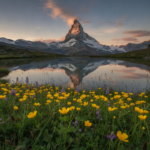
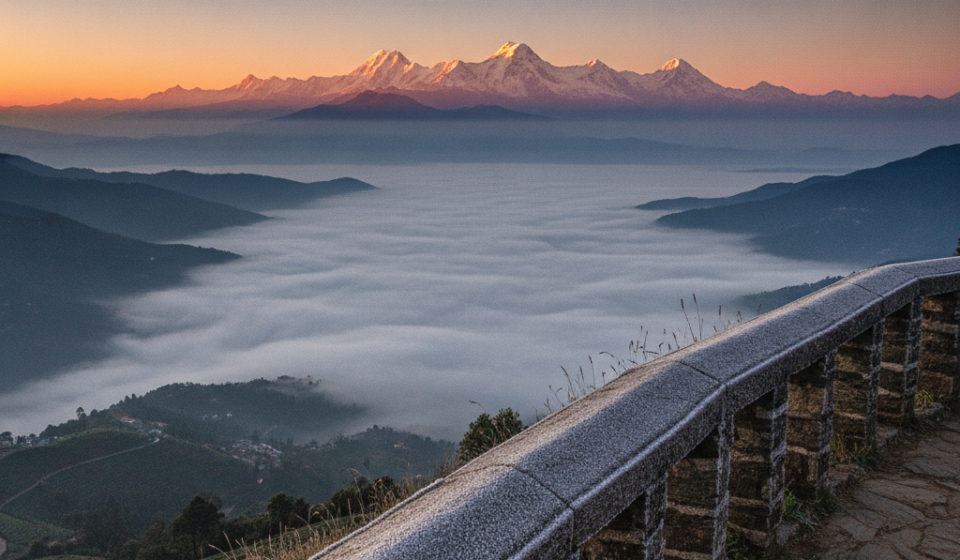

Planning a Darjeeling itinerary requires a balance between the mist-covered peaks of the Himalayas and the quiet charm of colonial-era heritage. Many visitors rush through this hill station, yet a structured four-day approach allows for a deeper connection with the local tea culture and mountain atmosphere. This guide outlines a methodical way to experience the best of the Queen of the Hills while maintaining a pace that respects the high altitude and winding terrain.
- Ideal Duration: A 4-day itinerary offers the perfect balance between high-altitude exploration and relaxing tea garden walks without feeling rushed.
- Acclimatisation Focus: Dedicating the first day to gentle movement prevents altitude-related fatigue and ensures a comfortable trip.
- Sunrise Strategy: Capturing the iconic Kanchenjunga sunrise at Tiger Hill requires a planned pre-dawn departure and layered clothing.
- Cultural Immersion: Spending dedicated time at monasteries and tea estates provides deep insight into the rich local heritage.
Why Four Days in Darjeeling
Four days provide sufficient time to acclimatise and visit the major landmarks without feeling rushed. A shorter trip often leads to missed opportunities, such as the early morning sunrise views or the slow pace of the historic mountain railway. By dedicating this specific timeframe, travellers can see the iconic sites while still leaving space for quiet walks through tea estates and local markets.
- Day 1: Arrival and local acclimatisation.
- Day 2: Sunrise views and heritage exploration.
- Day 3: Tea estate immersion and nature walks.
- Day 4: Cultural finalities and departure logistics.
Getting There and Logistics
Reaching this destination is part of the experience. Most travellers fly into Bagdogra Airport or arrive by train at New Jalpaiguri. From these points, the final leg involves a steep drive of roughly three to four hours. Understanding the transport options early is essential for a smooth arrival.
| Transport Method | Approximate Travel Time |
|---|---|
| Private Taxi | 3.5 hours |
| Shared Jeep | 4.5 hours |
| Toy Train (from Siliguri) | 7 hours |
It is important to book private transport in advance, especially during the peak spring and autumn months. The mountain roads are narrow and demand experienced drivers who know the local terrain well.
Day 1: Settling Into the Hill Station
The first day should focus on gentle movement to help the body adjust to the elevation. Check into a heritage hotel near the Mall Road to remain close to the central hub of activity. A short walk to Chowrasta provides a perfect introduction to the local scene. This open square serves as the social heart of the town where residents gather to socialise.
Spend the afternoon visiting the Himalayan Mountaineering Institute. This institution offers a fascinating look into the history of climbing in the region. It is situated within the Padmaja Naidu Himalayan Zoological Park, which is known for its conservation efforts for endangered species like the red panda and the snow leopard.
Day 2: Sunrise and Heritage Highlights
Early starts are non-negotiable for anyone following this Darjeeling itinerary. The trek or drive to Tiger Hill is a primary objective. At roughly 2,590 meters, it offers the most famous vantage point for viewing Kanchenjunga as the sun rises. Expect crowds during the high season, as this remains the most popular sunrise spot in the region.
| Key Landmark | Best Time to Visit | Primary Attraction |
|---|---|---|
| Tiger Hill | 4:00 AM – 6:00 AM | Golden sunrise views of Kanchenjunga |
| Batasia Loop | 7:30 AM – 9:00 AM | Toy train spiral pathway & War Memorial |
| Ghoom Monastery | 9:30 AM – 10:30 AM | 15-foot high Maitreya Buddha statue |
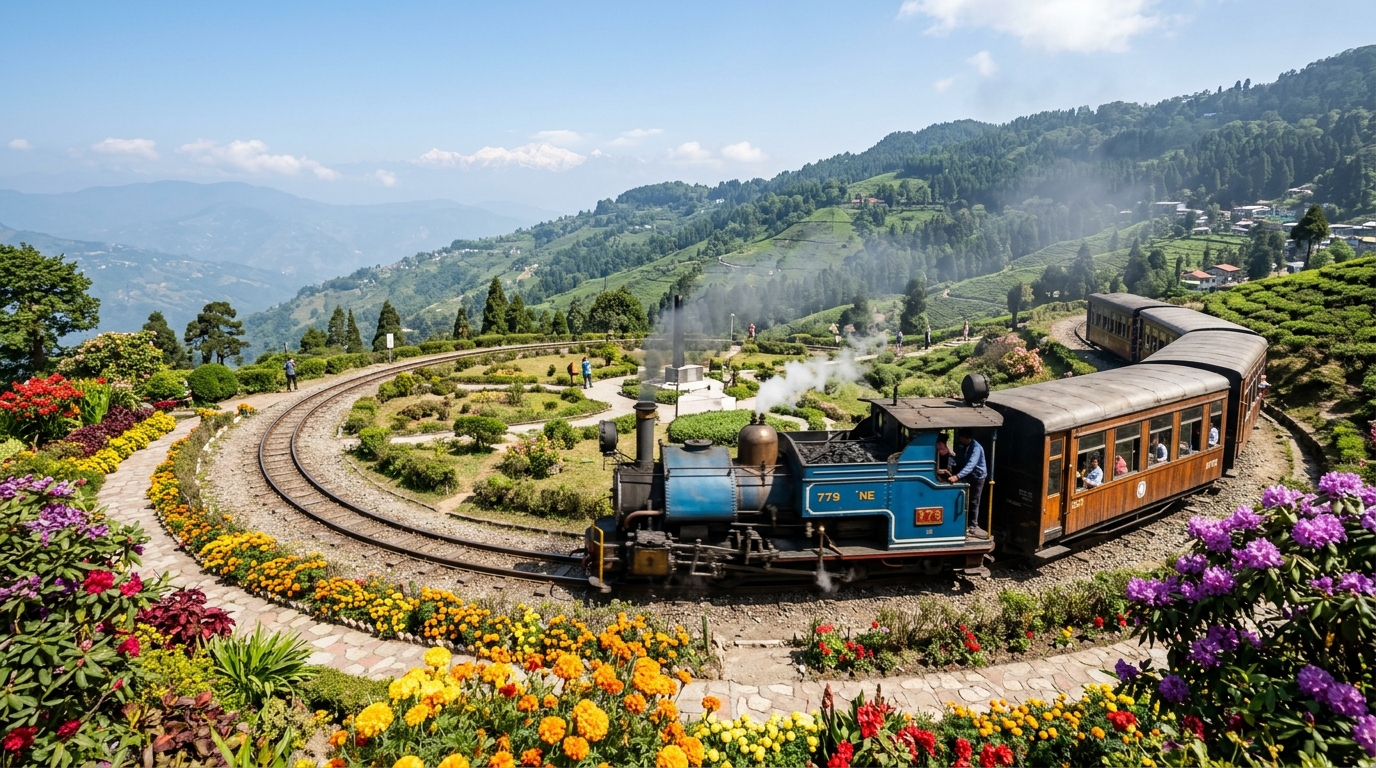
After returning from Tiger Hill, explore the Batasia Loop. This railway marvel allows the UNESCO-listed toy train to navigate the steep gradient with a circular turn. The surrounding garden provides a clear view of the mountain ranges. Later in the morning, visit the Ghoom Monastery to observe the daily rituals of the local monks.
The early morning air at Tiger Hill is crisp and demands proper layered clothing, even during the warmer summer months.
Day 3: Tea Estates and Local Flavours
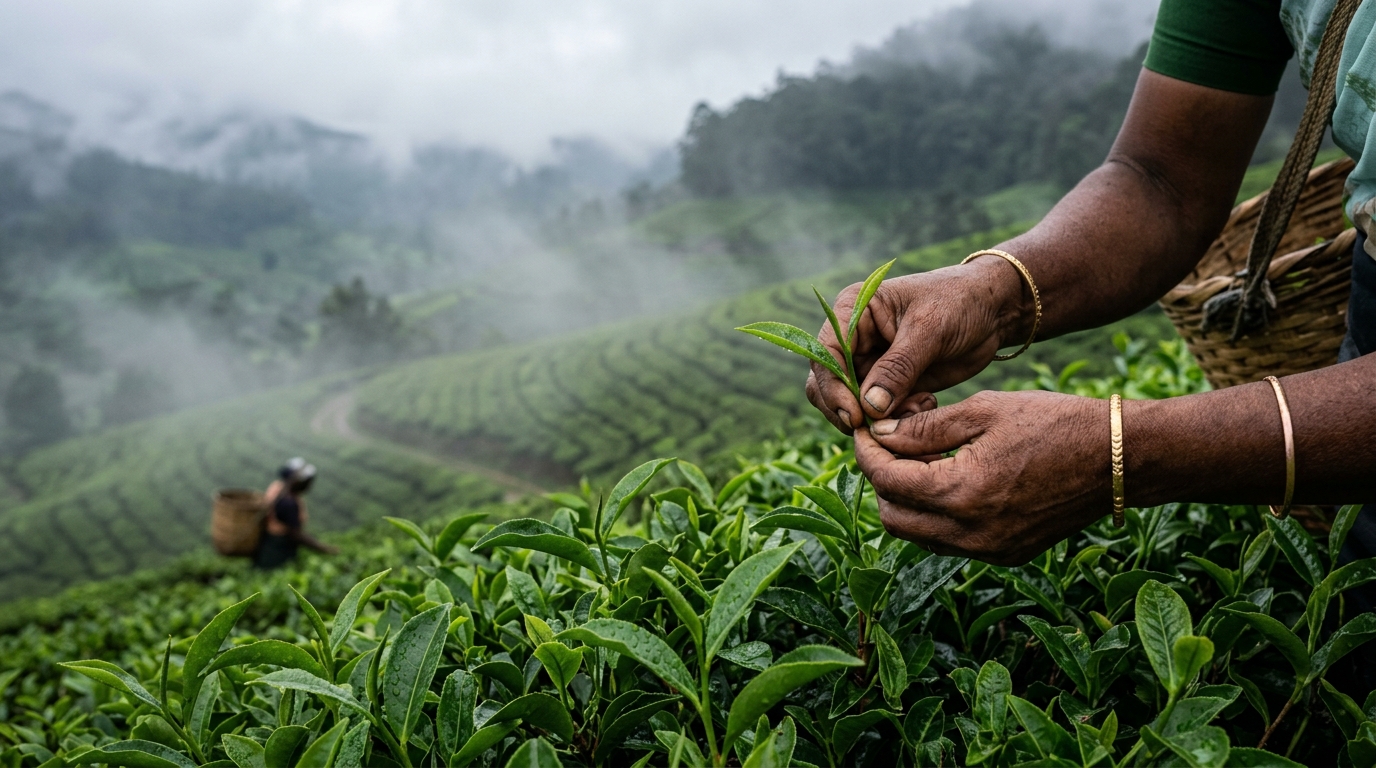
No trip to this region is complete without engaging with the famous tea industry. Spend the third day visiting a working tea estate. Many estates offer guided tours that explain the process of plucking, withering, and drying the leaves. Seeing the scale of these plantations firsthand clarifies why this tea is considered some of the finest in the world.
In the afternoon, focus on the culinary side of the trip by exploring iconic regional culinary specialties:
- Steaming Momos: Delicate dumplings stuffed with spiced vegetables or meats, served alongside spicy tomato-chilli chutney.
- Hot Thukpa: A comforting Tibetan noodle soup made with fresh mountain herbs, vegetables, or meat in a warming broth.
- Darjeeling Tea Tasting: Savoring freshly brewed organic black, green, or white teas direct from local estate outlets.
These dishes reflect the deep influence of Tibetan and Nepali cultures on the local diet. Spending time in the local markets near the railway station offers a chance to purchase authentic tea and traditional handicrafts.
Day 4: Final Views and Departure
The final morning should be reserved for a leisurely walk along the Observatory Hill. This site holds significance for both Hindu and Buddhist residents, and the panoramic views are an ideal conclusion to the journey. Pack your belongings and ensure you have factored in sufficient time for the descent back to the plains.
If time permits, a short ride on the DHR (Darjeeling Himalayan Railway) for a small segment—such as the trip between Darjeeling and Ghoom—serves as a memorable closing experience. Verify the current train schedules with the official Darjeeling Himalayan Railway Society before finalising your departure plans.
Essential Travel Tips
Success on any Darjeeling itinerary depends on preparation. The climate can change rapidly, shifting from bright sunshine to dense mountain fog in mere minutes. Carrying a reliable waterproof jacket is essential. Regarding cash, while major hotels accept digital payments, small vendors in the markets often require physical currency, so carry sufficient cash for daily expenses.
- Carry a reusable water bottle to minimise plastic waste in the mountains.
- Respect local customs when visiting monasteries and religious sites.
- Always carry identification documents when travelling through local checkpoints.
For personalised help with your transport or hotel arrangements, you can contact our support team directly. Planning with local expertise ensures your time is spent enjoying the view rather than managing logistics.
Conclusion
A four-day trip provides the perfect window to experience the unique blend of nature and heritage that defines Darjeeling. By following this schedule, you balance the demands of travel with enough downtime to appreciate the mountain air. Whether you focus on the tea estates or the sunrise views, this journey offers a rewarding escape from the pace of modern life. Start your planning today to ensure the best seasonal rates for your mountain retreat.