
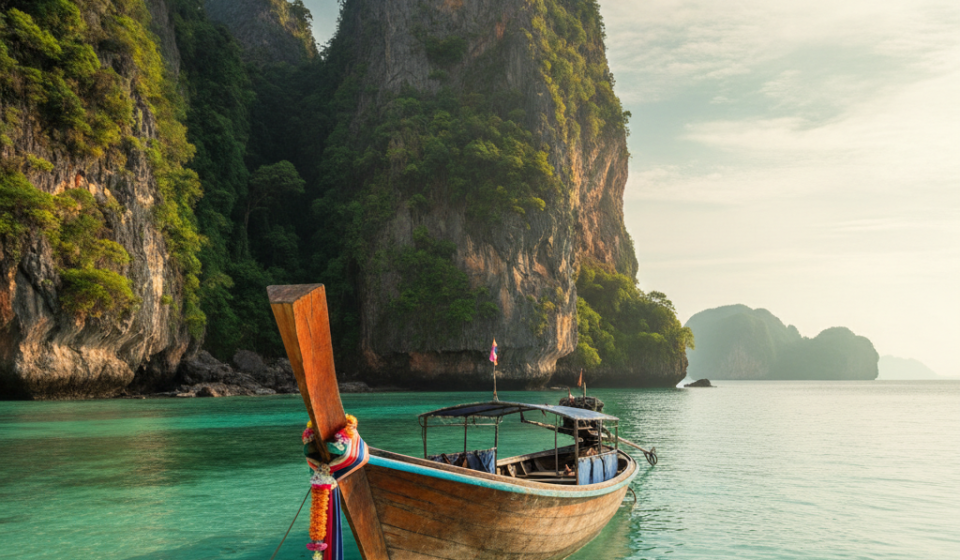

Planning a trip to Thailand often begins with the allure of its largest island. A well-structured Phuket itinerary serves as the foundation for experiencing this diverse destination, where limestone cliffs meet turquoise waters and vibrant cultural traditions. Achieving a balance between adventure, relaxation, and cultural immersion requires thoughtful preparation, especially when working within a five-day timeframe.
Key Takeaways
- Optimal Season: Visit between November and April for dry weather, calm seas, and peak marine visibility.
- Seamless Transport: Leverage ride-hailing apps like Grab and Bolt, or arrange a private car hire for longer sightseeing days.
- Balanced Itinerary: Blend coastal excursions like the Phi Phi Islands with inland historical discoveries in Old Phuket Town.
- Responsible Tourism: Support ethical wildlife sanctuaries that focus entirely on rescue, rehabilitation, and conservation.
- Airport Transit: Factor in Phuket’s unpredictable traffic and arrive at the airport 4 hours prior to international departures.
Best Time to Visit Phuket
Phuket maintains a tropical climate throughout the year, but weather patterns dictate the quality of outdoor activities. The island experiences two primary seasons that directly impact travel logistics. Understanding these cycles allows for the strategic scheduling of island hopping and water sports.
- Peak Season (November to April): This period offers dry weather, calm seas, and optimal visibility for diving. It represents the most popular time for visitors, which often leads to higher prices for accommodation.
- Low Season (May to October): Often called the monsoon season, this time brings more rainfall and rougher sea conditions. Travelers can expect significant discounts and thinner crowds, though some boat tours to outer islands may face cancellations.
Getting Around the Island
Phuket covers a substantial land area, making reliable transport essential for following any Phuket itinerary. The island lacks a comprehensive public bus system, so visitors often rely on private arrangements or ride-hailing services. Choosing the right mode of transport saves time and reduces unnecessary stress.
| Transport Option | Best Use Case |
|---|---|
| Grab or Bolt App | Convenient point-to-point travel between beaches and attractions. |
| Private Car Hire | Efficient for full-day sightseeing with a flexible schedule. |
| Motorbike Rental | Ideal for confident riders exploring hidden bays (requires an international permit). |
| Tuk-Tuks | Short-distance travel within busy beach towns like Patong. |
Day 1: Arrival and Southern Exploration
Begin the journey by settling into a chosen base, preferably in areas like Kata or Karon for a balanced experience. The first day focuses on acclimatisation and immediate coastal appreciation:
- Big Buddha: Spend the afternoon visiting this iconic landmark atop Nakkerd Hill. It offers panoramic views of the island and serves as a quiet introduction to the local spiritual heritage.
- Promthep Cape: Follow the visit with a sunset viewing at one of the most photographed points on the island.
- Authentic Dinner: After the sun dips below the horizon, retreat to a local eatery for authentic southern Thai cuisine, famous for its bold spices and fresh, locally sourced seafood.
Day 2: Island Hopping to Phi Phi
No Phuket itinerary feels complete without visiting the iconic Phi Phi Islands. These limestone formations provide the classic postcard imagery associated with Southeast Asia. Booking a speedboat tour early in the morning allows visitors to arrive before the heavy influx of day-trippers.
The clear waters surrounding the Phi Phi archipelago offer some of the most consistent snorkeling opportunities in the Andaman Sea. Expert guides often identify the best spots based on daily tidal shifts.
Focus the day on Maya Bay and the surrounding lagoons. While swimming is restricted in certain protected zones, the scenery provides ample photography opportunities. Return to Phuket by late afternoon to recover from the day’s maritime excursions.
Day 3: Old Phuket Town and Culture
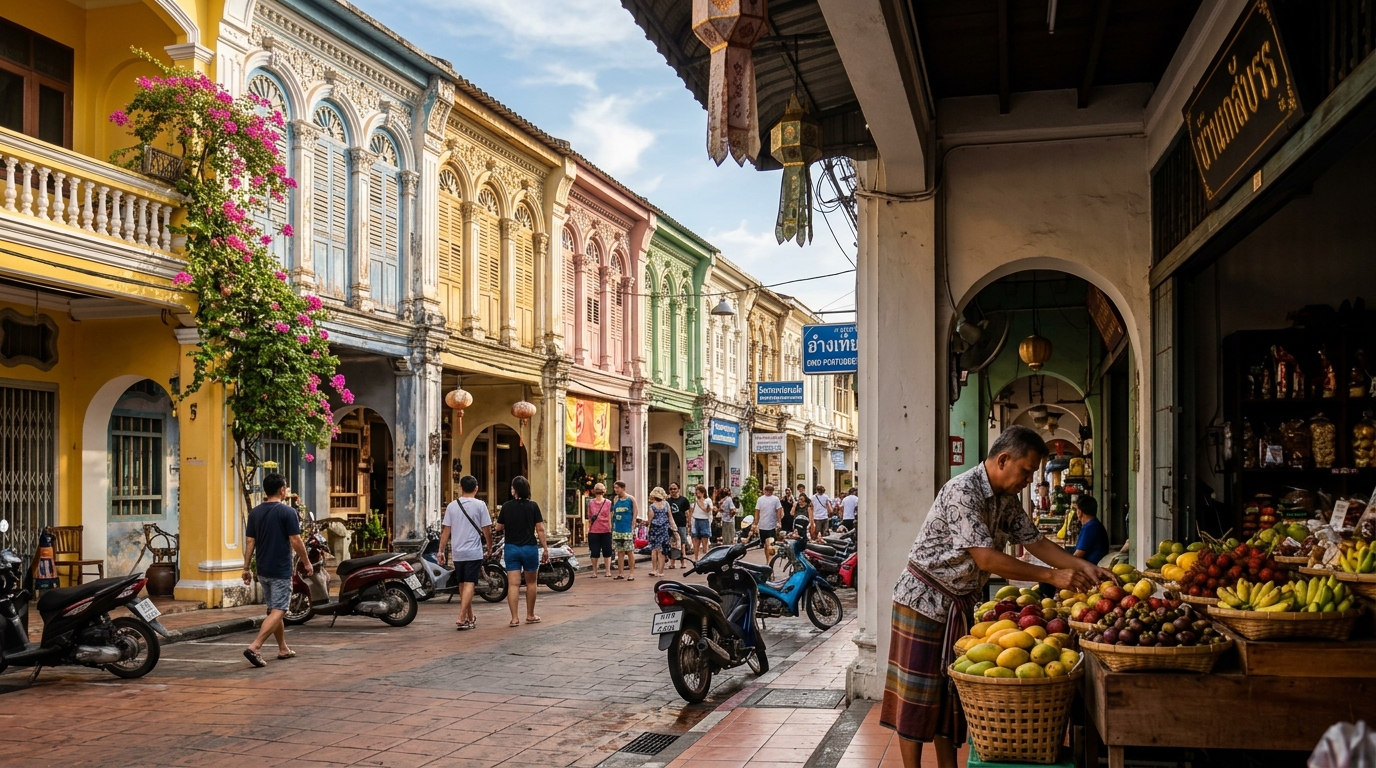
Shift focus away from the beaches to discover the historical core of the island. Old Phuket Town features a unique blend of Sino-Portuguese architecture, colorful shophouses, and hidden shrines. Walking through the narrow streets reveals the commercial history of the tin mining era, which shaped the island’s economic development.
Consider these cultural priorities for the third day:
- Thalang Road: The primary hub for heritage buildings and local cafes.
- Jui Tui Shrine: A vibrant Taoist temple that highlights the Chinese influence in the community.
- Thai Hua Museum: A dedicated space explaining the history of Chinese immigrants in the region.
Enjoy the evening by dining at one of the many restaurants in town that serve Peranakan dishes. This fusion cuisine, reflecting both Malay and Chinese culinary traditions, provides a unique gastronomic perspective of Phuket.
Day 4: Adventure and Nature
For those seeking active engagement, the fourth day should leverage the natural landscapes beyond the coastline:
- Khao Phra Thaeo National Park: Hike the trails of the last remaining virgin rainforest on the island to discover hidden waterfalls like Bang Pae and Ton Sai, offering a stark contrast to the beach resorts.
- Ethical Wildlife Sanctuary: Spend the afternoon engaging with wildlife responsibly. These rescue and rehabilitation facilities prioritize animal well-being and conservation over close-contact interactions.
Day 5: Leisure and Departure
Dedicate the final day to relaxation and last-minute shopping. Select a beach that aligns with your personal style:
- Patong Beach: Ideal for travelers looking for a lively atmosphere, water sports, and bustling beachside energy.
- Nai Harn Beach: Perfect for a quieter, more secluded, and relaxed coastal experience before leaving.
- Local Markets: Take time to finalize souvenir purchases, such as local textiles or handicrafts, which can be found easily in local markets.
Before heading to Phuket International Airport, reflect on the trip’s highlights. A well-executed Phuket itinerary successfully combines high-energy adventures with moments of stillness. Ensure transit to the airport is arranged at least four hours before international departures to account for traffic, which can be unpredictable during peak periods.
FAQs
What is the recommended budget for a 5-day trip?
A mid-range budget typically falls between 25,000 and 40,000 THB per person, excluding international airfare. This covers accommodation, organized tours, and dining in a variety of local and international restaurants.
Do I need a visa to visit Phuket?
Visa requirements depend on citizenship. Many nationalities are eligible for visa-exempt entry or visa-on-arrival, but checking official government resources before booking travel remains the most reliable practice.
| Visa Category | Eligibility & Duration | Estimated Fee | Key Requirements |
|---|---|---|---|
| Visa Exemption | Over 90 countries / up to 60 days | Free | Valid passport (6 months), confirmed return flight ticket |
| Visa on Arrival (VoA) | Select nationalities / up to 15 days | 2,000 THB | Passport, digital/printed passport photo, 15-day return ticket |
| Single Entry Tourist Visa | All eligible countries / up to 60 days | Approx. 1,300 – 1,500 THB | Apply online beforehand, proof of funds, accommodation booking |
Is English widely spoken in Phuket?
English is spoken fluently in hotels, tour agencies, and restaurants in major tourist areas. Learning a few basic Thai phrases, however, often helps build rapport with local vendors.
Are there ATM facilities readily available?
ATMs are ubiquitous throughout the island. Travelers should be aware that most Thai banks charge a standard withdrawal fee for international cards, regardless of the bank used.

Conclusion
A balanced Phuket itinerary transforms a standard beach holiday into a comprehensive exploration of nature, history, and culture. By prioritizing early starts for popular excursions and dedicating time to the island’s inland heritage, travelers can bypass the limitations of typical tourist trails. Proper planning ensures that the transition between the vibrant energy of the town and the serenity of the Andaman Sea feels seamless and rewarding.