
Georgia sits at the fascinating intersection of Europe and Asia. It offers a blend of ancient mountain culture, vibrant city life in Tbilisi, and world-class wine production that draws travelers from across the globe. For Indian passport holders, a well-planned Georgia itinerary from India serves as an accessible entry point to the Caucasus region. This guide provides the necessary structure to navigate travel logistics, visa requirements, and the best route to experience this diverse country over one week.
Key Takeaways
- Optimal Duration: A 7-day Georgia itinerary from India perfectly balances culture, mountains, and historic wine regions.
- Visa Convenience: Indian citizens with valid US, UK, or Schengen visas can enter Georgia visa-free. Otherwise, an easy digital e-visa is required.
- Budget-Friendly: Georgia offers an affordable European-style holiday, with daily mid-range costs averaging $60–$110 USD per person (excluding flights).
- Must-Visit Highlights: Tbilisi, the Kazbegi mountains, and the ancient wine region of Kakheti form the core of this memorable route.
Visa Requirements for Indian Citizens
The visa process for Georgia has undergone significant changes in recent years. Indian citizens holding a valid visa or residence permit from certain countries, such as the United States, United Kingdom, or Schengen member states, may enter Georgia visa-free for up to 90 days in any 180-day period. This exemption is a major convenience for frequent travelers.
For those who do not meet these criteria, the e-visa system provides a straightforward alternative. The process is entirely digital, requiring only an online application and the necessary documentation. It is prudent to apply at least two weeks before the intended departure date to account for processing times.
| Entry Pathway | Eligibility Criteria | Stay Duration & Key Rules |
|---|---|---|
| Visa-Free Entry | Holders of valid visas or residence permits from US, UK, Schengen, Canada, Australia, etc. | Up to 90 days in any 180-day period. Physical visa/permit must be active upon entry. |
| E-Visa Portal | Indian passport holders without the aforementioned valid visas or residence permits. | Standard tourist stay limits; requires digital application 10–15 days prior to travel. |
- Passport validity: Must be valid for at least six months beyond the date of departure.
- Digital documents: Recent photograph, travel insurance, and proof of accommodation.
- Application portal: The official e-visa website is the only authorized source for applications.
- Processing time: Generally takes 5 business days, though delays can occur during peak tourist seasons.
Estimated Travel Costs
Budgeting for a trip requires an understanding of local prices. While Georgia is relatively affordable compared to Western Europe, costs fluctuate based on travel style and seasonal demand. A balanced Georgia itinerary from India typically accounts for mid-range accommodation, local transport, and a mix of dining experiences.
| Expense Category | Estimated Daily Cost (Per Person in USD) |
|---|---|
| Accommodation (Mid-range) | 40 – 70 |
| Food and Dining | 25 – 40 |
| Local Transport and Tours | 20 – 35 |
| Miscellaneous | 10 – 20 |
These figures exclude international flights from India, which vary significantly depending on the airline and how far in advance bookings are made. Travelers should expect to spend roughly 600 to 900 USD per person for a one-week stay, excluding airfare.
Day 1-2: Exploring Tbilisi
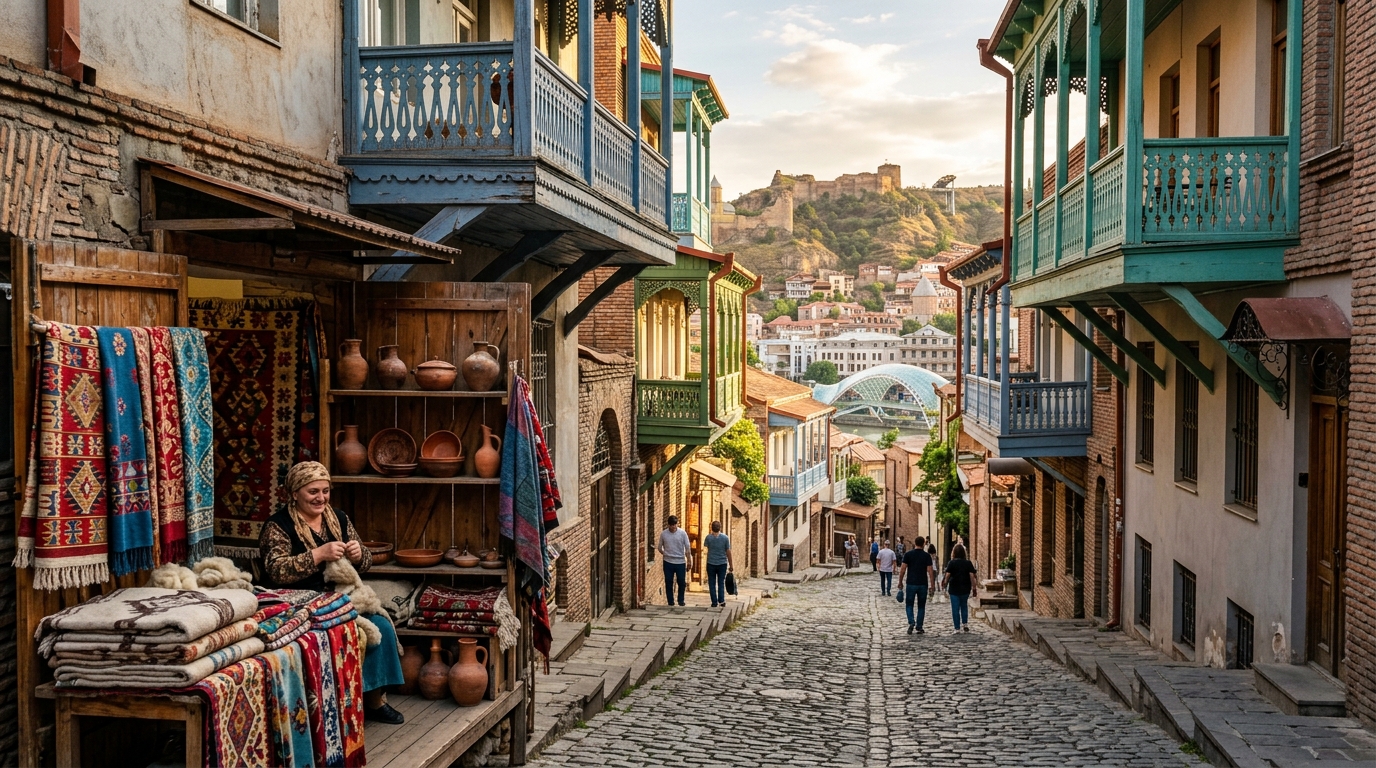
Tbilisi, the capital, provides an ideal introduction to the country. It is a city defined by its dramatic topography, featuring narrow streets, overhanging wooden balconies, and a backdrop of rugged hills. The first two days of this Georgia itinerary from India focus on immersing oneself in the Old Town.
To optimize your first two days, make sure to visit these essential Tbilisi landmarks:
- Narikala Fortress: Ride the scenic cable car for panoramic views of the city and the winding Kura River.
- Abanotubani District: Visit the iconic domed brick sulfur baths for an architectural tour and a relaxing soak.
- Rustaveli Avenue: Stroll along this bustling thoroughfare to witness the blend of historic charm and modern Georgian culture.
Day 3: Kazbegi and the Caucasus Mountains
Leaving the capital leads into the heart of the Caucasus range. The drive along the Georgian Military Highway is an attraction in itself, passing through dramatic mountain passes and the Ananuri Fortress. This location serves as a primary stop for photographers.
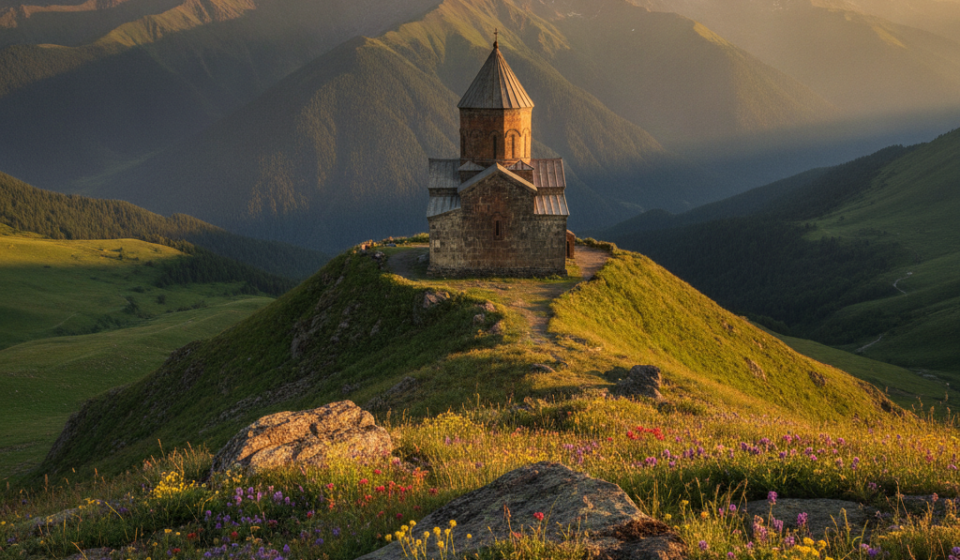
The destination is Stepantsminda, the gateway to Mount Kazbek. The primary objective here is the Gergeti Trinity Church. Situated at an elevation of 2,170 meters, it offers a visual representation of Georgia’s spiritual and natural heritage. Depending on physical fitness, the climb can be completed on foot or by local 4×4 vehicles that handle the steep terrain with ease.
Day 4: Mtskheta and Gori
Mtskheta, the ancient capital, sits a short distance from Tbilisi and holds significant historical value. As a UNESCO World Heritage site, the Jvari Monastery provides a panoramic view of the confluence of the Aragvi and Mtkvari rivers. It is one of the oldest standing structures in the country.
This portion of your Georgia itinerary from India bridges the country’s ancient spiritual roots with modern history:
- Mtskheta & Jvari Monastery: Experience Georgia’s ancient capital (a UNESCO World Heritage site) and admire the panoramic meeting point of the Aragvi and Mtkvari rivers.
- Gori (Stalin Museum): Walk through the historic birthplace of Joseph Stalin and explore the controversial museum documenting his life.
- Uplistsikhe Cave Town: Explore an ancient rock-hewn city dating back to the Early Iron Age, offering a window into pagan and early Christian Georgia.
Day 5-6: Kakheti Wine Region
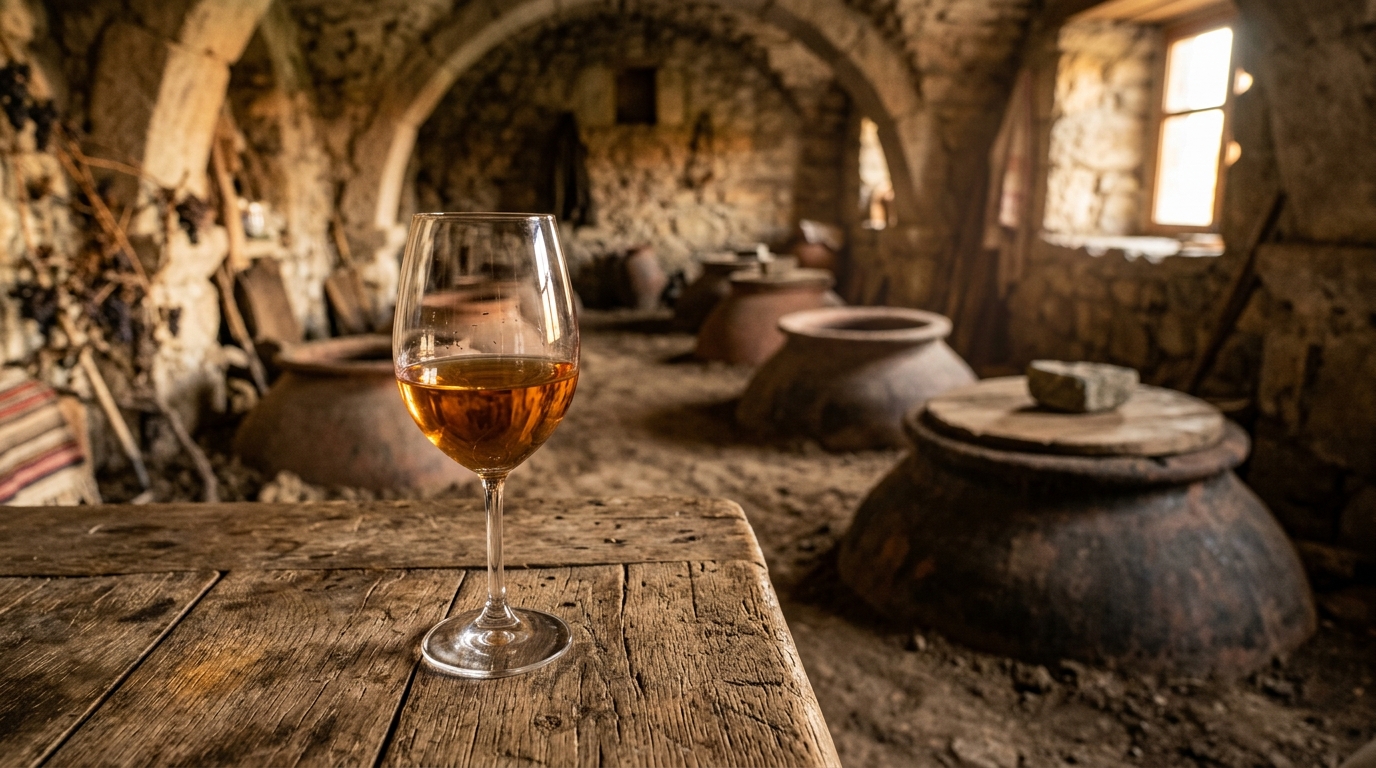
No trip to Georgia is complete without visiting the Kakheti region, the historic center of viticulture. Georgia holds the title for one of the oldest wine-producing traditions globally, using a unique method of fermentation in clay vessels called qvevri. Signagi, known as the City of Love, is a hilltop town surrounded by defensive walls that overlook the Alazani Valley.
“Georgian wine is not merely a beverage; it is an ancient cultural artifact that remains the cornerstone of social life throughout the country.”
Local vineyards offer tastings that showcase distinct amber wines. Spending two days in this region allows for a slower pace, enabling travelers to explore the monasteries, such as Bodbe, and enjoy traditional Georgian hospitality in local guesthouses.
Day 7: Final Souvenirs and Departure
The final day allows for concluding visits within Tbilisi before heading to the airport. The Dry Bridge Market is highly recommended for those seeking unique souvenirs, including vintage maps, soviet-era memorabilia, and handmade crafts. It provides a tactile connection to the country’s complex history.
For flight logistics, Tbilisi International Airport maintains regular connections to major Indian hubs, often requiring a single layover in cities like Dubai or Sharjah. Ensuring a return to the airport at least three hours before departure is standard practice to manage security and tax-free shopping procedures.
FAQs
What is the best time of year to visit?
Spring and autumn are considered the best times. May and June provide pleasant temperatures for hiking, while September and October offer the harvest season in the wine regions.
Is English widely spoken?
English is commonly understood in tourist areas, hotels, and among the younger generation in Tbilisi. Learning a few basic words in Georgian is appreciated by locals but not required.
How is the mobile connectivity?
Mobile internet is robust in cities and well-traveled mountain routes. Purchasing a local SIM card upon arrival at the airport is an inexpensive and efficient way to stay connected throughout your stay.
Are credit cards accepted?
Most hotels, restaurants, and shops in Tbilisi accept credit cards. However, carrying some local currency (Lari) is necessary for rural areas, small markets, and local transport.
Conclusion
This seven-day route provides a balanced overview of Georgia’s cultural, historical, and natural offerings. By focusing on efficient planning and local travel, one can experience the depth of this Caucasus nation in a single week. Whether walking the streets of Tbilisi or exploring the high-altitude churches of the mountains, the journey leaves a lasting impression of a country that is both ancient and rapidly evolving.