The Ultimate Rishikesh Travel Guide: How to Plan the Perfect Spiritual and Adventure Getaway

Rishikesh holds a unique position in the Indian travel landscape. It serves as a rare bridge between intense spiritual devotion and high-octane adventure. This Rishikesh travel guide provides the necessary framework to balance both aspects of a visit, ensuring time is spent effectively regardless of whether the goal is meditation or white-water rafting.
Key Takeaways
- Dual Experience: Seamlessly combines intense spiritual practices with high-adrenaline adventure sports.
- Cultural Norms: Alcohol and non-vegetarian food are strictly prohibited within the main city limits.
- Best Timing: March to May and September to November offer ideal weather for both rafting and sightseeing.
- Local Transport: Navigating the central spiritual zones is highly pedestrianised; walking and local rickshaws are your best bet.
Why Rishikesh Remains a Global Destination
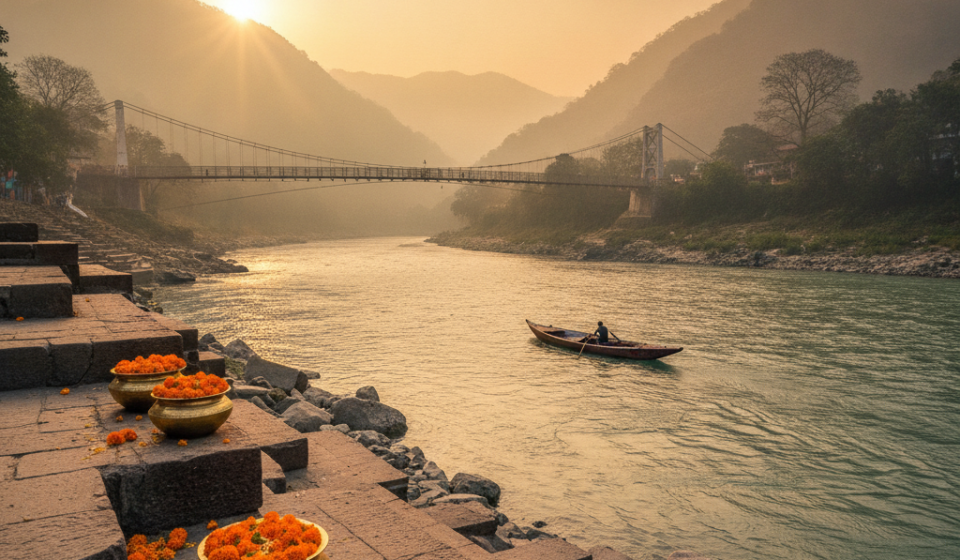
The town sits at the foothills of the Himalayas, where the Ganges river transitions from a mountain torrent to a wider, calmer flow. This geographical setting defines the local rhythm. Thousands arrive seeking traditional yoga and meditation practices, while others come specifically for the rugged terrain that surrounds the valley.
The environment here is fundamentally different from the frantic pace of India’s major metropolitan centres. It remains a place where specific rituals, such as the evening Ganga Aarti, are observed with deep precision. Understanding this duality is essential for any itinerary planning.
- Strategic location at the gateway to the Garhwal Himalayas.
- A primary centre for global yoga and wellness tourism.
- The main hub for adventure sports in northern India.
- A protected religious site with strict cultural guidelines.
Planning Your Arrival and Logistics
Logistics in the mountains require patience. The closest airport, Jolly Grant Airport in Dehradun, is roughly 20 kilometres away. Road travel from Delhi is common, though the drive typically lasts between 6 and 8 hours depending on traffic flow through Haridwar.
| Mode of Transport | Approximate Travel Time |
|---|---|
| Flight (to Dehradun) | 1 hour (plus 45 mins road) |
| Train (to Haridwar) | 4 to 6 hours (plus 1 hour road) |
| Private Cab (from Delhi) | 6 to 8 hours |
Navigating the local town requires understanding the pedestrian-centric zones. Here are the best ways to get around:
- On Foot: Highly recommended for crossing the suspension bridges (Jhulas) and exploring the dense ashram areas.
- Local Auto-Rickshaws (Vikrams): Economical options for travelling between major zones like Ram Jhula and Laxman Jhula.
- Private Vehicles: Often restricted in core spiritual zones near the main ghats; park in designated lots and pack light.
The Best Time to Visit
Choosing the right season dictates the type of experience possible. The weather shifts dramatically throughout the year, impacting both river accessibility and the comfort of outdoor activities.
The ideal window for most visitors falls between March and May, or September to November. During these months, the air is crisp, and the river conditions are optimal for water sports. Winters are cold, requiring thick layers, while the monsoon season in July and August brings heavy rainfall that frequently forces the suspension of rafting operations.
| Season | Months | Average Temp | Key Activities & Accessibility |
|---|---|---|---|
| Spring / Summer (Peak) | March to May | 15°C – 35°C | Optimal for white-water rafting, trekking, and yoga festivals. High accessibility. |
| Monsoon (Off-Peak) | July to August | 22°C – 32°C | Heavy rains. Rafting and water sports are strictly suspended. Ideal for indoor meditation. |
| Autumn (Peak) | September to November | 12°C – 28°C | Clear skies, excellent river conditions for rafting, pleasant outdoor weather. |
| Winter | December to February | 7°C – 20°C | Cold winds. Perfect for campfire campouts, trekking, and cozy ashram stays. Rafting is limited. |
Top Spiritual and Cultural Experiences
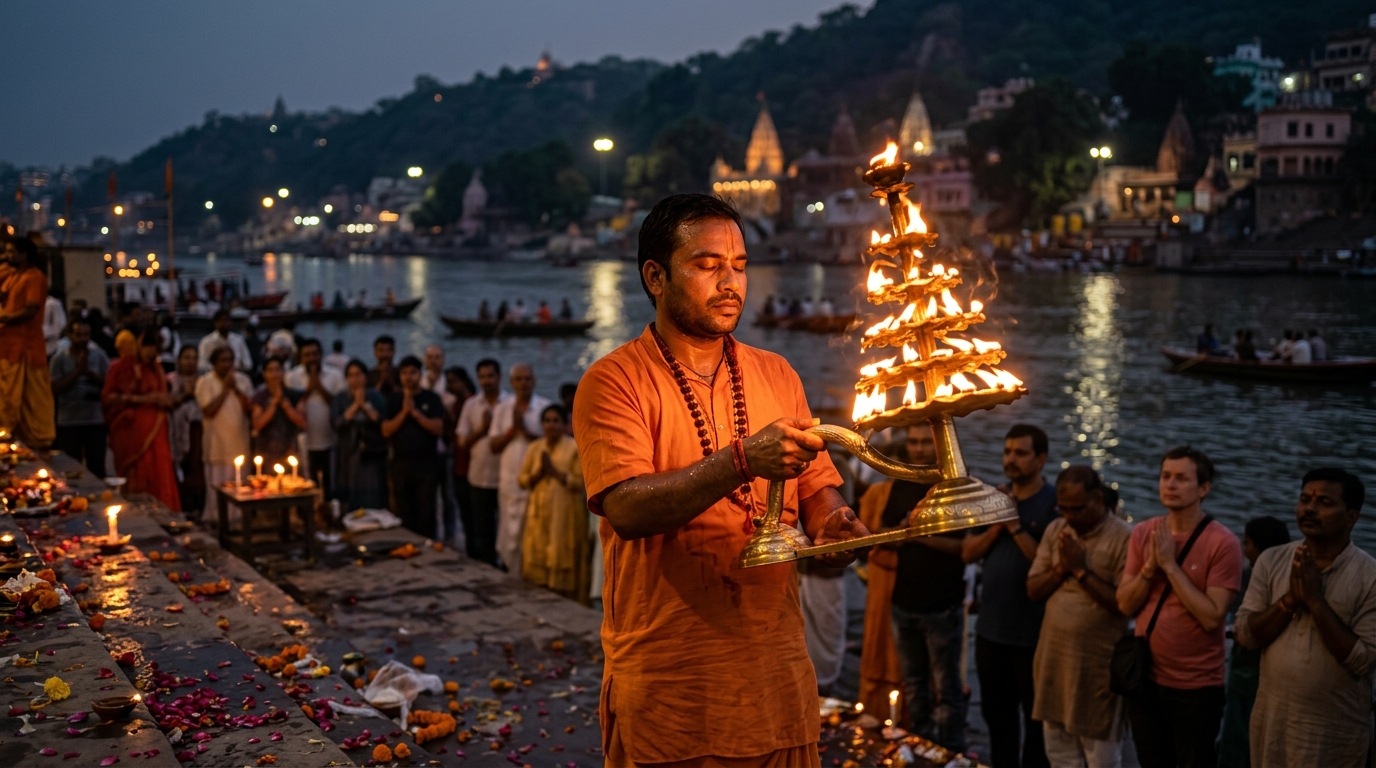
The cultural core of the region revolves around the Ganges. The Ganga Aarti at Parmarth Niketan remains the most significant daily event. It is a structured, musical ritual performed at sunset.
Beyond the formal ceremonies, the town is filled with ashrams offering varying degrees of immersion. Some provide short-term drop-in classes for yoga, while others require month-long residential commitments. Research specific institutions beforehand if a particular lineage or teaching style is preferred.
Ritual in Rishikesh is not a performance. It is a daily requirement for the community, and visitors should observe all local customs with appropriate decorum and respect.
Adventure Sports and Outdoor Activities
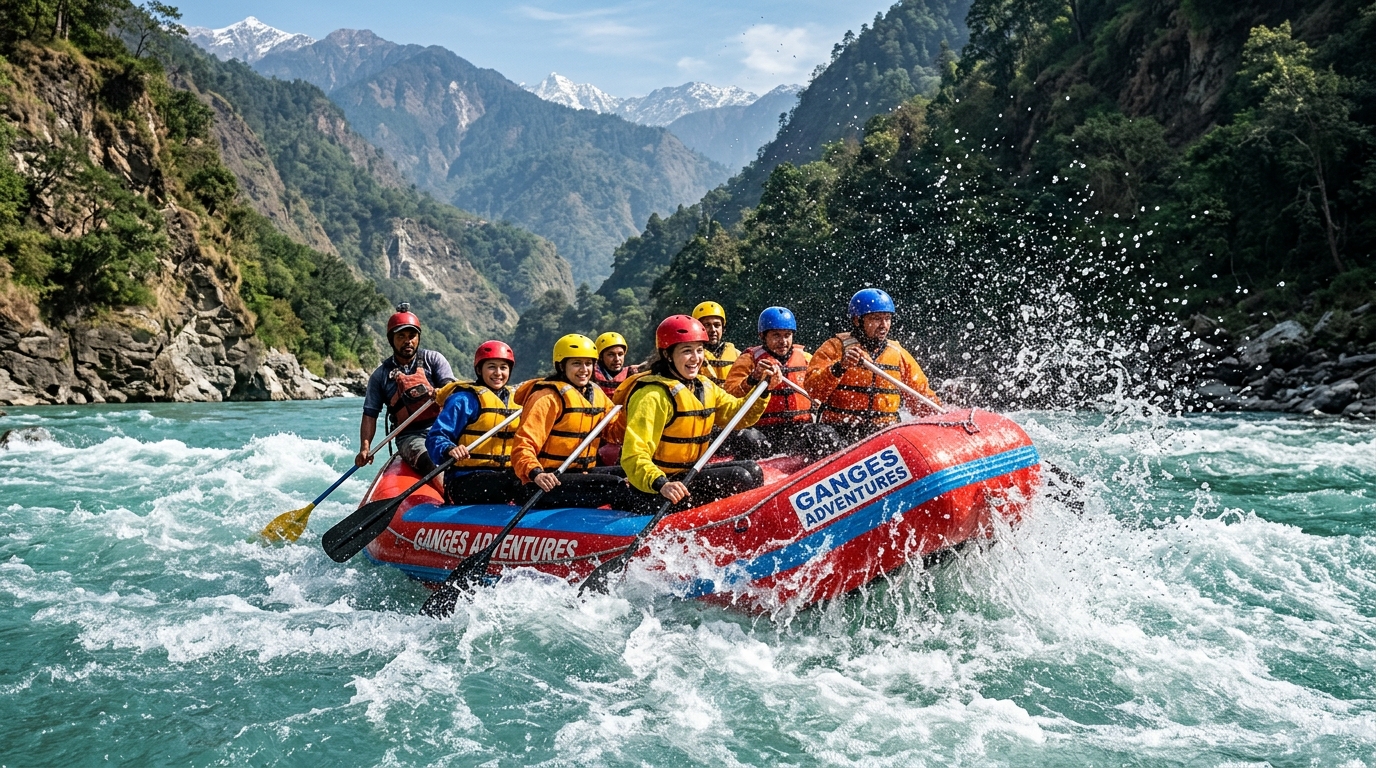
Rishikesh is widely recognised as the white-water rafting capital of India. The river stretches offer grades ranging from easy to challenging. Rafting operations are strictly regulated (a measure enforced by local authorities to ensure safety), and all reputable operators must provide life jackets and certified guides.
Beyond the river, the mountainous terrain offers high-adrenaline options clustered mostly in Shivpuri and Brahmpuri:
- Bungee Jumping: Experience India’s highest fixed-platform bungee jumps operated by certified professionals.
- Cliff Jumping: Often combined with rafting trips, allowing adventurous travelers to plunge into the cold waters of the Ganges.
- Trekking: Numerous trails lead to scenic waterfalls like Neer Garh and Patna waterfalls, or historical shrines like Kunjapuri Devi Temple.
Where to Stay: From Ashrams to Luxury Resorts
Accommodation choice often determines the ease of access to primary sites. The area is divided into distinct zones, each offering a different atmosphere.
- Tapovan: Highly popular with international travellers, featuring many cafes and yoga schools.
- Laxman Jhula: The classic tourist area, central to many shops and spiritual sites.
- Ram Jhula: Quieter, with a higher density of traditional ashrams.
- Outskirts: Home to luxury wellness resorts that offer secluded river views.
Essential Travel Tips for Rishikesh
Local regulations are clear and strictly enforced. Alcohol and non-vegetarian food are prohibited within the main municipal limits. Visitors should anticipate a strictly vegetarian diet for the duration of their stay.
To ensure a smooth and respectful visit, keep these critical guidelines in mind:
- Dietary Restrictions: Alcohol and non-vegetarian food are strictly prohibited within the main municipal limits. Expect a healthy, vegetarian-only culinary experience.
- Hydration & Health: Always drink bottled or filtered water to avoid stomach upsets.
- Appropriate Footwear: Wear comfortable, slip-on shoes since you will need to remove them frequently when entering temples and ashrams. Suitable trekking shoes are required for outdoor activities.
- Cultural Etiquette: Dress modestly (covering shoulders and knees) when visiting religious sites or participating in the Ganga Aarti. Always ask permission before photographing locals or ascetics (sadhus).
FAQs
Is Rishikesh safe for solo travellers?
The town is generally safe, though solo travellers should remain vigilant after dark in less populated areas. Stick to well-lit main paths and use reputable transport services.
Do I need to book activities in advance?
During peak seasons, booking rafting and adventure activities at least 48 hours in advance is highly recommended to secure a slot with a licensed operator.
What currency should I carry?
Carry sufficient Indian Rupees in cash. While digital payments are becoming common, smaller shops and remote cafes often require cash for daily transactions.
Conclusion
Effective trip planning for this region relies on balancing the intensity of the river with the quiet of the ashrams. By respecting local traditions and preparing for the logistics of mountain travel, visitors ensure a productive and memorable experience. Use this Rishikesh travel guide to build a schedule that accommodates both personal reflection and the physical demands of Himalayan adventure.
For those requiring assistance with logistics or guided local tours, visit our services page to see how we help travellers navigate these unique destinations with ease.