
Designing a comprehensive Switzerland itinerary requires careful attention to regional geography, transportation efficiency, and seasonal variability. For travellers arriving from India, the transition from the bustling plains to the high Alpine environment presents unique logistical challenges. This guide focuses on a balanced seven-day route that integrates iconic urban centers with the profound serenity of the Swiss peaks. Success in this region relies less on rushing from one landmark to the next and more on mastering the Swiss Travel System, which remains arguably the most efficient network of trains, buses, and boats globally.
Key Takeaways:
- Seamless Transit: Leverage the Swiss Travel Pass for unlimited travel across trains, buses, and boats.
- Schengen Visa: Indian passport holders must secure a Schengen visa via VFS Global at least three months prior to departure.
- Strategic Bases: Choose central hubs like Lucerne and Interlaken or Grindelwald to minimize hotel transfers.
- Smart Budgeting: Save on dining costs by sourcing high-quality daily meals from Coop or Migros supermarkets.
- Layering is Key: Pack clothing layers to adapt to rapid temperature drops during high-altitude mountain excursions.
Essential Planning for Swiss Travel
Before securing flights, establish the fundamental logistics of the journey. The primary entry point for international arrivals is Zurich Airport. It serves as the hub for the Federal Railways (SBB), which will be the backbone of your movement across the country. Attempting to navigate Switzerland by rental car is a common oversight; the rail network reaches remote villages that remain inaccessible to road traffic. Acquiring a Swiss Travel Pass is the standard protocol for tourists, as it covers nearly all public transport routes and provides free access to most museums.
| Service | Primary Function |
|---|---|
| Swiss Travel Pass | Unlimited train, bus, and boat travel. |
| SBB Mobile App | Real-time schedule monitoring and platform guidance. |
| Swiss Half Fare Card | 50 percent discount on most rail and mountain excursions. |
When considering the budget, be aware that Switzerland operates with a high price index. Dining out regularly can consume a significant portion of your travel funds. Many experienced travellers balance the cost by using local supermarkets like Coop or Migros for mid-day meals. These stores offer prepared salads, sandwiches, and regional cheeses that maintain high quality standards.
| Requirement | Details for Indian Travellers | Estimated Timeline / Cost |
|---|---|---|
| Visa Type | Schengen C-Type Visa (Short stay up to 90 days) | Approx. EUR 90 (plus VFS service fee) |
| Processing Time | Apply via VFS Global (New Delhi, Mumbai, etc.) | 15 to 45 calendar days (Apply 3 months ahead) |
| Key Documents | Valid passport, flight itineraries, travel insurance (min €30,000 coverage), hotel bookings, 3-month bank statements | Must be prepared prior to VFS appointment |
Arrival and Zurich Exploration
Day one begins in Zurich. Rather than treating this as a mere transit point, dedicate the first day to acclimating to the local pace. The city seamlessly blends medieval history with modern financial prominence. Make the most of your first day with these key experiences:
- Explore the Altstadt (Old Town): Walk the historical streets to view the iconic dual towers of the Grossmunster.
- Stroll Bahnhofstrasse: Experience one of the world’s most exclusive luxury retail avenues.
- Walk along the Limmat River: Discover the true charm of the city lining the water’s edge.
- Lake Zurich Boat Cruise: If time allows, take a scenic cruise for a unique perspective of the city from the water.
Transitioning to Central Switzerland
On day two, travel south toward Lucerne. This city serves as the gateway to the heart of the Alps. Once you arrive, structure your exploration around these top highlights:
- Walk Chapel Bridge: Cross the historic, 14th-century covered wooden footbridge spanning the Reuss River.
- Plan Mountain Excursions: Utilize Lucerne’s proximity to ascend Mount Pilatus or Mount Rigi.
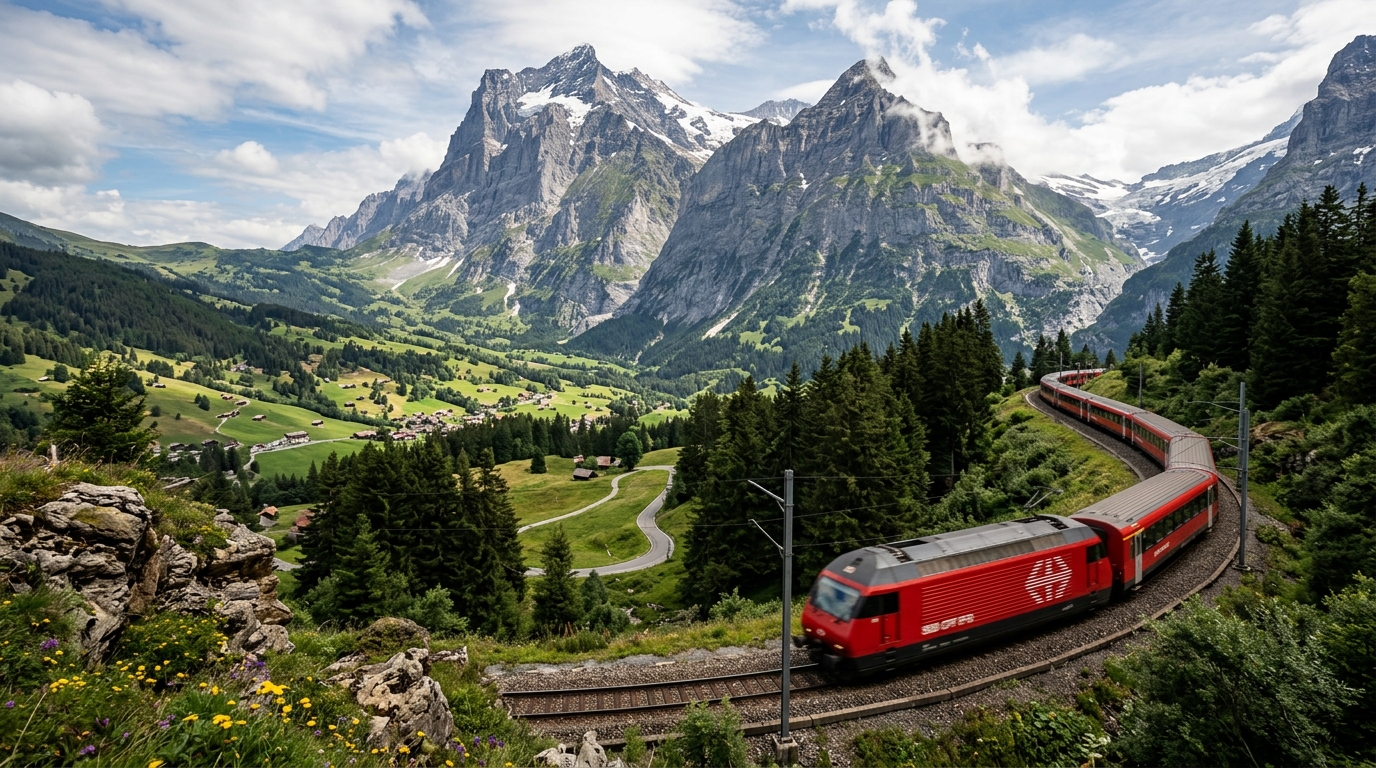
- Ride the Cogwheel Railway: Experience world-class engineering that scales incredibly steep alpine slopes inaccessible to normal trains.
The Swiss rail network functions with such precision that local residents calibrate their watches to the arrival of the local trains. Expect departures and arrivals to happen precisely on the minute.
Mountain Excursions and Alpine Views
Day three is dedicated to the high peaks. Select one major excursion to avoid the fatigue of rapid elevation changes. Mount Titlis is a popular choice for visitors from warmer climates, as it features a rotating cable car and permanent snow. Ensure your wardrobe includes layers, as temperatures drop drastically once you cross the 2,000-meter threshold. Even in the height of summer, the summit air remains thin and cold.
The Interlaken Experience
Day four involves moving deeper into the Bernese Oberland region toward Interlaken. As the name suggests, the town sits between Lake Thun and Lake Brienz. This location acts as the primary staging area for visiting the Jungfrau region. Many travellers find the village of Grindelwald to be a superior base compared to the main town of Interlaken, as it offers immediate access to the Eiger North Face and the surrounding glaciers.
- Jungfraujoch: Famous for the Sphinx Observatory and ice tunnels.
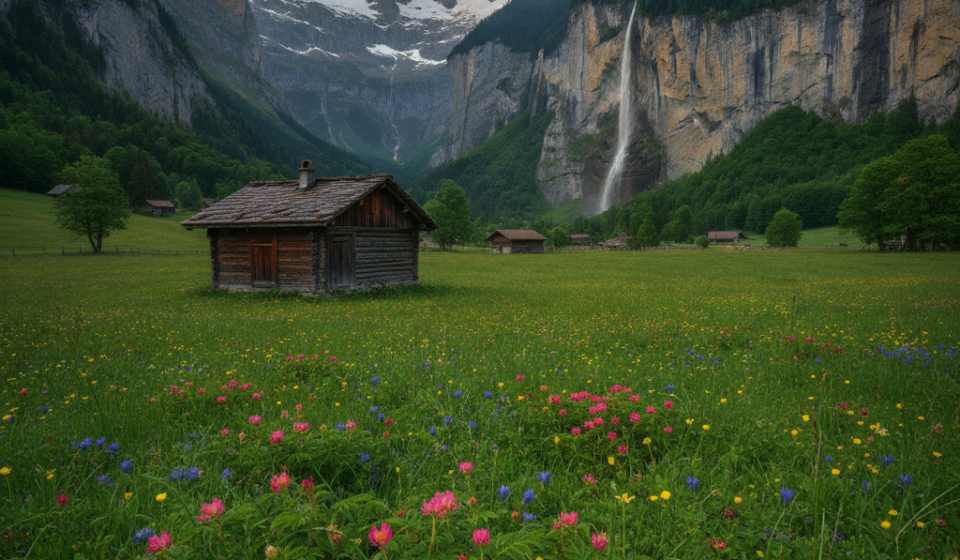
- Lauterbrunnen Valley: Known for its 72 waterfalls and dramatic rock faces.
- Wengen and Murren: Car-free villages offering panoramic views of the Lauterbrunnen valley.
Exploring the Jungfrau Region
Day five focuses on the Lauterbrunnen Valley. The sheer cliffs here are a geological marvel. Take the cable car to Murren, which remains one of the most picturesque villages in the country. If the weather conditions are optimal, take the train to the Eigergletscher station. The infrastructure integrated into the mountain allows for a comfortable ascent despite the extreme vertical incline.
The Journey to Zermatt
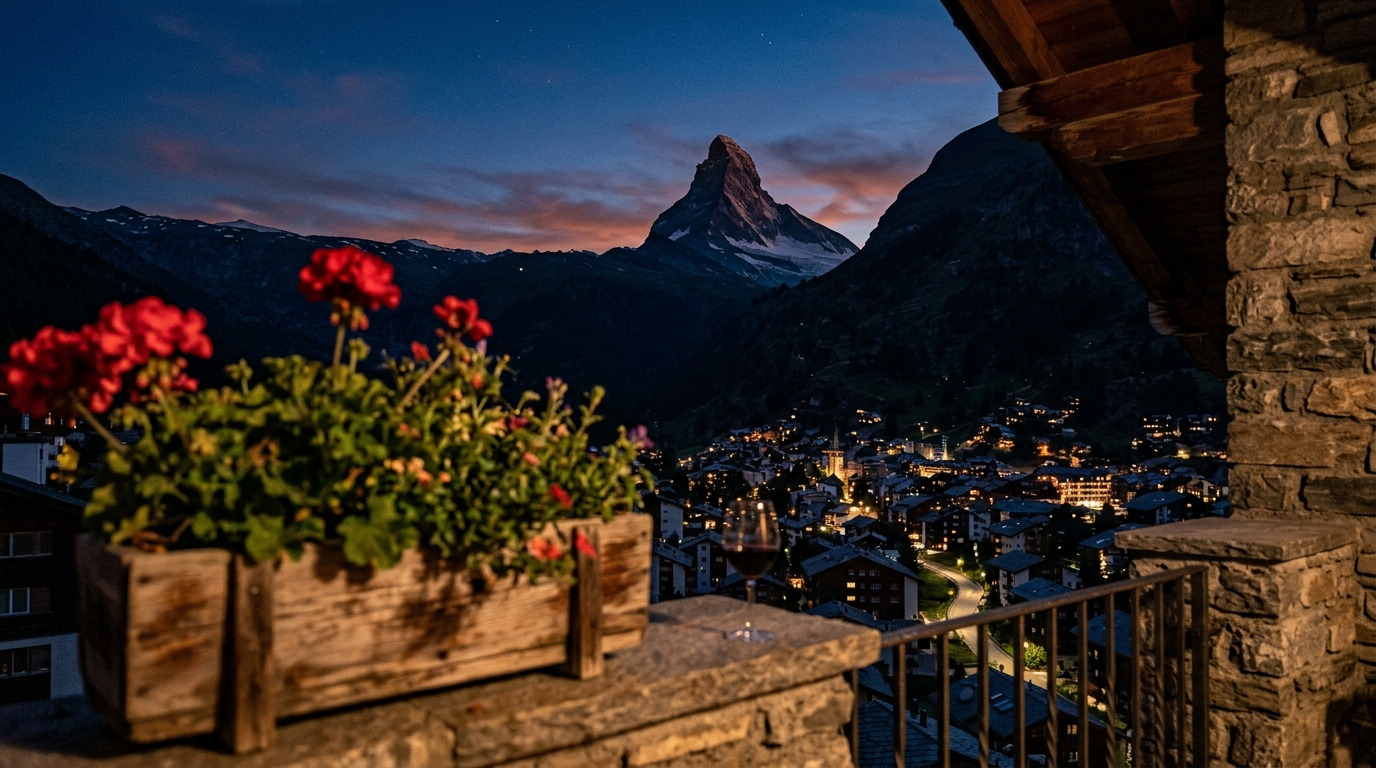
Day six leads to Zermatt, a destination famous for the Matterhorn. The train journey from Interlaken to Zermatt is long, but it remains one of the most scenic routes in the Alps. Zermatt is entirely car-free, ensuring the air quality remains pristine. Upon arrival, walk the main street to view the traditional wooden chalets with stone roofs. The Gornergrat railway is the recommended method for viewing the Matterhorn, as it provides a stable platform for photography and observation.
Departure Procedures
Day seven involves the return trip to Zurich or Geneva for your departure. Calculate the rail transit time carefully, ensuring you arrive at the airport at least three hours before your scheduled flight. If your return flight is late in the evening, you may utilize the baggage storage facilities at major train stations, allowing for a final few hours of exploration in your departure city without the burden of luggage.
FAQs
What is the best time of year to visit?
The shoulder seasons of May, June, September, and October offer the best balance of manageable crowds and accessible mountain trails. July and August are peak months, while winter serves as the primary window for snow sports.
Do I need a separate visa for Switzerland?
Indian citizens holding a standard passport require a Schengen visa to enter Switzerland. Submit your application through the VFS Global centers, ensuring you provide the required travel insurance and proof of funds at least three months in advance.
How much cash should I carry?
Switzerland is a highly digitized economy. Most vendors accept credit and debit cards for transactions as small as a cup of coffee. Carry a small amount of Swiss Francs for emergency situations or remote mountain huts that may not accept digital payments.
Is the Swiss Travel Pass worth the cost?
For a seven-day trip involving multiple cities and mountain excursions, the pass is generally cost-effective. It eliminates the need to purchase individual tickets, which are significantly more expensive than the flat-rate pass price.