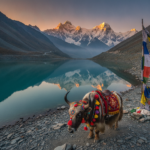
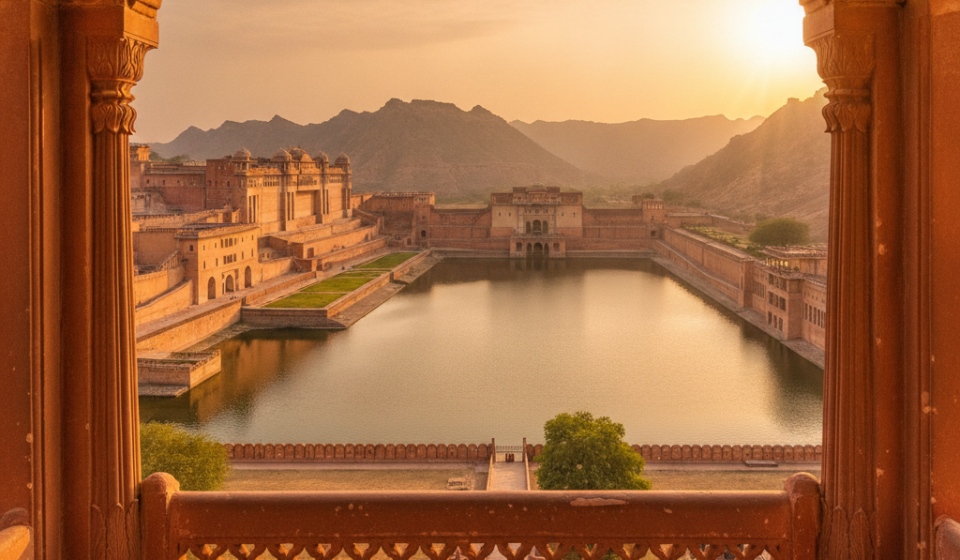

Rajasthan remains a primary destination for travelers seeking the authentic essence of India. Planning a Rajasthan itinerary requires balancing vast distances with the density of cultural experiences available in each city. A trip spanning 7 to 10 days provides sufficient time to witness the transition from the golden sands of the Thar Desert to the lush architecture of the Aravalli hills.
Key Takeaways
- Optimal Duration: A 7 to 10 day trip is the sweet spot for balancing travel times and sightseeing.
- Peak Season: Plan your visit between October and March to avoid extreme desert heat.
- Core Highlights: A 7-day trip perfectly covers the Golden Triangle of Jaipur, Jodhpur, and Udaipur.
- Desert Experience: Extending to 10 days lets you include the majestic sand dunes of Jaisalmer.
- Flexible Transport: Hiring a private car is highly recommended for seamless inter-city transit.
Best Time to Visit Rajasthan
Timing determines the overall quality of a journey through this arid region. The summer months from April to June involve extreme heat that restricts outdoor activities to the early morning or late evening. Most experienced travelers prefer the cooler window between October and March.
- Peak Season (November to February): Optimal weather for desert safaris and walking tours.
- Shoulder Season (October and March): Ideal for those who prefer thinner crowds and lower accommodation rates.
- Off-Season (April to September): Marked by high temperatures and monsoon rains, though hotel prices drop significantly.
Crafting Your 7-Day Rajasthan Itinerary
A seven-day schedule focuses on the core Golden Triangle of Rajasthan, which includes Jaipur, Jodhpur, and Udaipur. This route minimizes transit time while maximizing time spent exploring historic palaces and local markets.
| Day | Destination | Primary Activity |
|---|---|---|
| 1-2 | Jaipur | Amber Fort and City Palace exploration. |
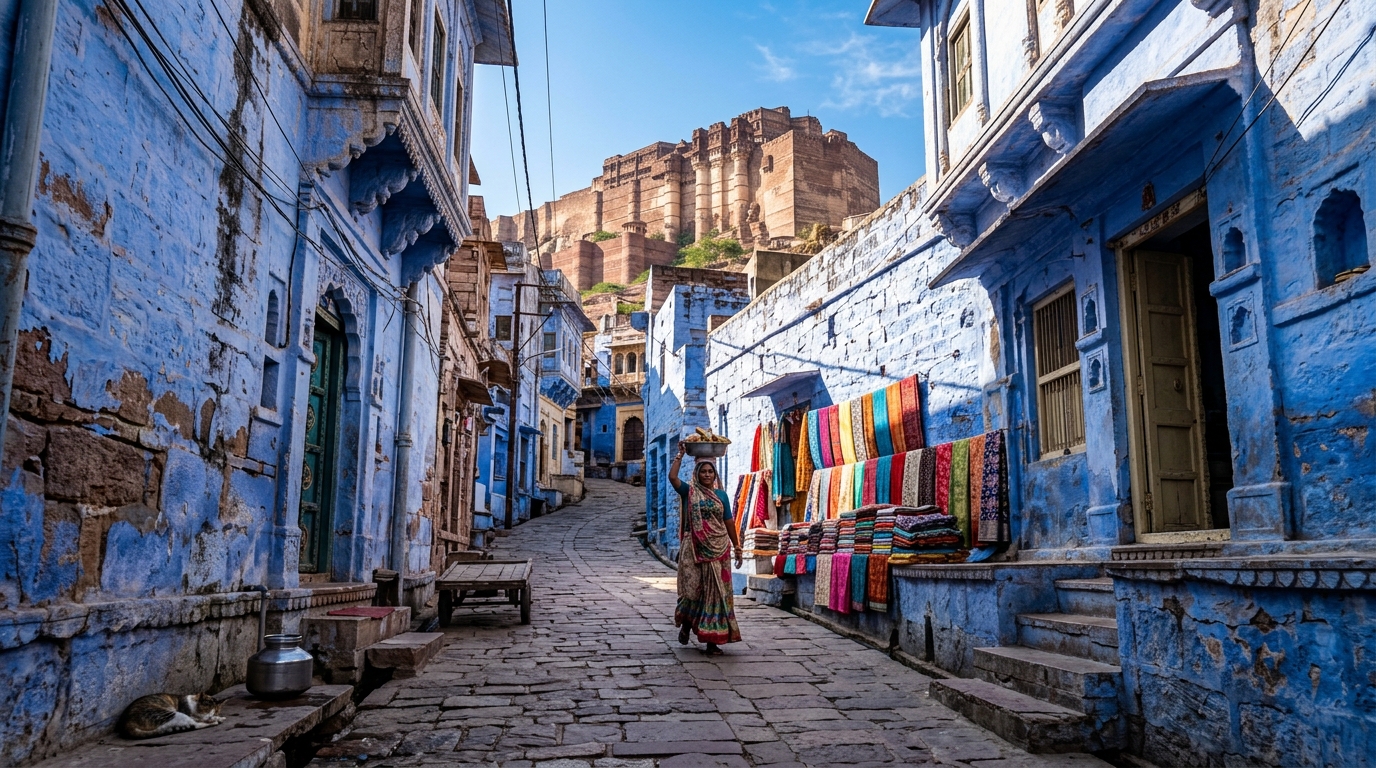
| 3-4 | Jodhpur | Mehrangarh Fort and Blue City walk. |
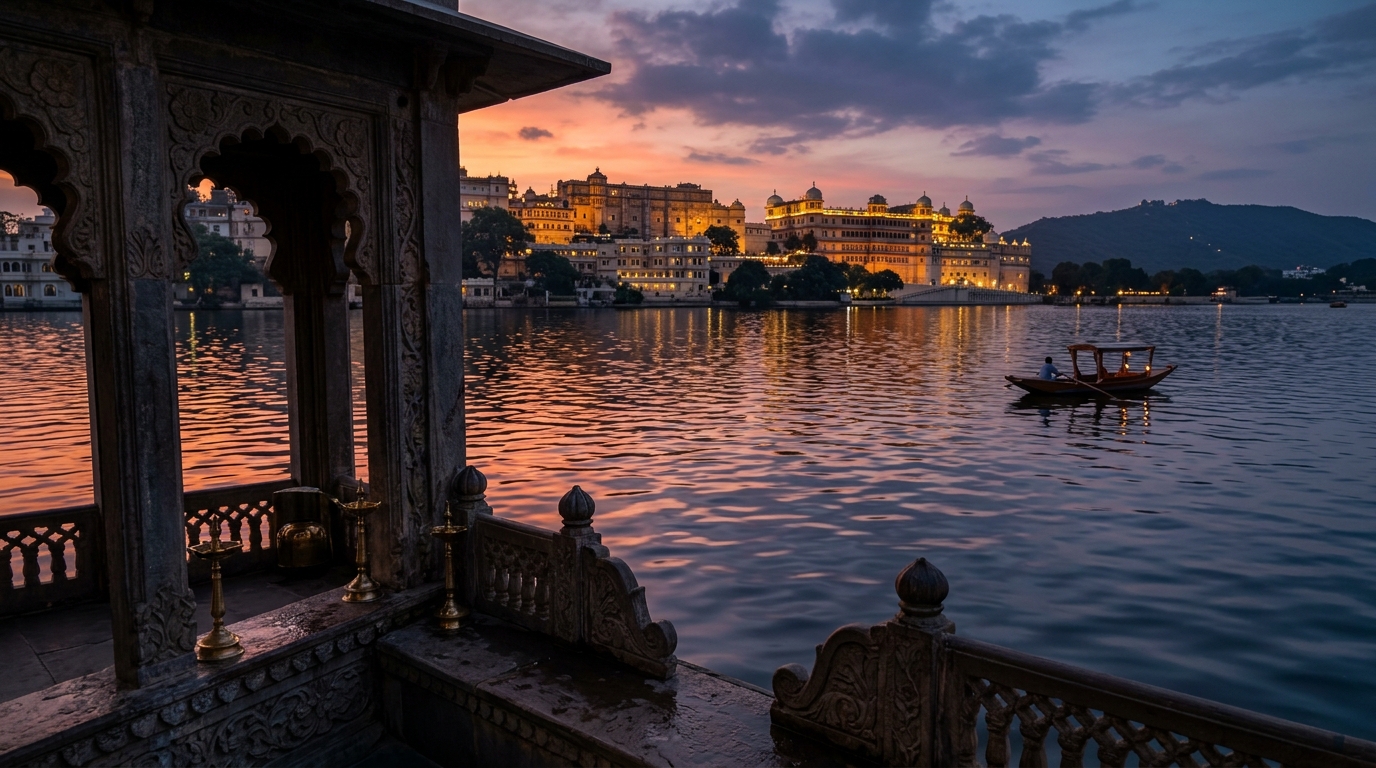
| 5-7 | Udaipur | Lake Pichola cruise and City Palace tour. |
To make the most of this 7-day route, plan your days as follows:
- Days 1-2 (Jaipur): Begin your experience exploring the Hawa Mahal, Amber Fort, and the historic astronomical instruments at Jantar Mantar.
- Days 3-4 (Jodhpur): Transit by train or private car to the Blue City, noticing the landscape turn arid as you approach the Mehrangarh Fort.
- Days 5-7 (Udaipur): Conclude your journey peacefully in the ‘City of Lakes’ with a tranquil boat cruise on Lake Pichola.
Expanding to a 10-Day Rajasthan Itinerary
Extending the trip to 10 days provides the necessary buffer to include Jaisalmer or Pushkar. Adding the desert city of Jaisalmer introduces the experience of the Sam Sand Dunes, which adds a distinct layer of depth to the standard cultural circuit.
The revised schedule should look like this:
- Days 1-3: Jaipur (Including a day trip to Pushkar).
- Days 4-5: Jodhpur.
- Days 6-8: Jaisalmer (Focusing on the fort and desert camps).
- Days 9-10: Udaipur.
This path requires more travel time but offers a more comprehensive view of the state. Including Pushkar provides a glimpse into rural religious life, while Jaisalmer offers the isolation and grandeur of the Great Indian Desert.
| Feature | 7-Day Itinerary | 10-Day Itinerary |
|---|---|---|
| Key Cities | Jaipur, Jodhpur, Udaipur | Jaipur, Pushkar, Jodhpur, Jaisalmer, Udaipur |
| Travel Pace | Moderate to Fast | Leisurely with deeper exploration |
| Best For | First-time visitors with limited time | Travelers seeking desert camping & rural culture |
| Transit Method | Express trains or private AC cars | Private driver recommended for remote desert legs |
Transportation Tips for Your Rajasthan Itinerary
Navigating the region effectively is vital to maintaining your schedule. Rajasthan features a well-developed network of trains and highways that connect major hubs efficiently. Most travelers opt for a combination of private drivers for inter-city travel and local rickshaws for city exploration.
Hiring a private car for the entire duration of the trip offers the most flexibility. It allows for spontaneous stops at rural villages or roadside monuments that are otherwise inaccessible via public transport.
Train travel remains a popular and cost-effective method for longer distances. Booking tickets in advance via the official Indian Railways portal is necessary, especially during the peak tourist season from November through January.
| Transport Mode | Pros | Cons | Best Suited For |
|---|---|---|---|
| Private Driver | High flexibility, door-to-door, stops at rural villages | Higher cost than trains | Families, small groups, tight schedules |
| Express Trains | Cost-effective, scenic, comfortable overnight options | Requires booking months in advance | Budget travelers, long distances |
| Local Rickshaws | Cheap, perfect for narrow city alleys | Requires bargaining, open to traffic dust | Short intra-city transfers |
Cultural Etiquette and Travel Essentials
Rajasthan retains a deeply traditional social structure. Respecting local customs is essential for a smooth experience. Modest dress is advised in all public areas, particularly when visiting templates or rural communities. Always request permission before photographing local individuals, as privacy remains a priority for many residents.
- Hydration: Carry bottled water at all times.
- Currency: Digital payments are accepted in urban areas, but keep cash for smaller markets.
- Connectivity: Local SIM cards provide better coverage than international roaming plans in remote desert areas.
For more detailed travel planning assistance, please visit our services page to see how we can assist in tailoring your next adventure. Our team specialises in logistics and cultural guided tours designed to help you handle your travel requirements with ease.
Conclusion
A well-planned Rajasthan itinerary serves as the difference between a superficial visit and an immersive cultural experience. By prioritising key cities while allowing for transit buffer time, travelers can fully appreciate the architectural and historical significance of the region. Whether choosing a concise 7-day tour or a more extensive 10-day expedition, the key remains consistent: prioritize comfort and maintain a flexible outlook on daily schedules.