
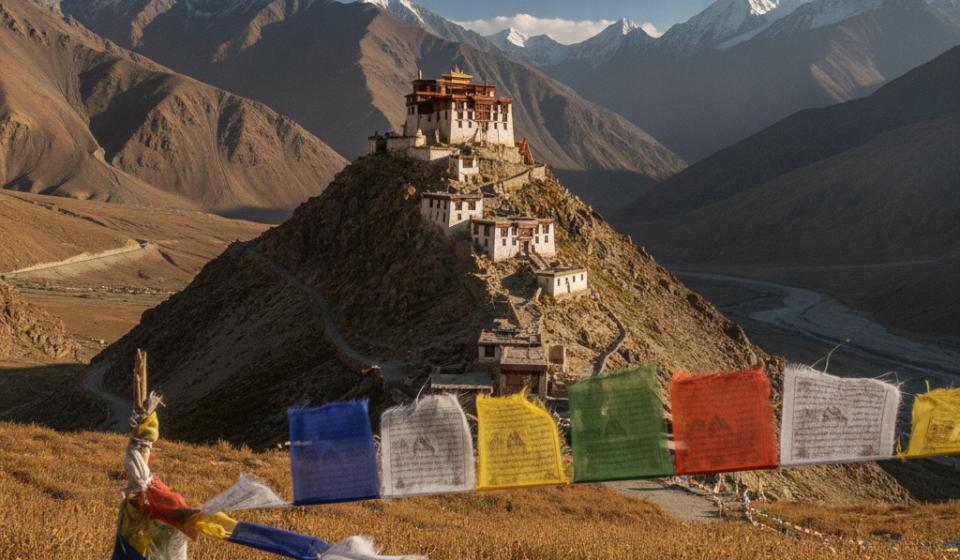

Planning a trip to the high-altitude desert of the Himalayas requires careful preparation. A well-structured Spiti Valley itinerary serves as the foundation for a successful journey through one of the most remote regions in India. This high-altitude landscape presents unique logistical challenges, from steep mountain passes to extreme weather variations that can change without warning. Success in this region depends less on spontaneity and more on disciplined route planning and physical acclimatization.
Key Takeaways
- Acclimatization is Crucial: The high altitude requires a slow, structured ascent to prevent Acute Mountain Sickness (AMS).
- Choose Your Route Wisely: The Shimla route offers safer acclimatization, while the Manali route is quicker but steeper.
- Connectivity is Limited: Only BSNL (and occasionally Jio in select hubs) works, and ATMs are scarce outside Kaza.
- Best Travel Window: Plan your trip between June and September for fully open roads and stable passes.
- Respect the Environment: Spiti is a fragile eco-zone; practice eco-friendly travel and carry trash back.
Understanding the Spiti Valley Landscape
Spiti Valley is not merely a destination. It is a high-altitude cold desert located in the northeastern part of Himachal Pradesh. Travelers must understand the geography to appreciate why a rigid Spiti Valley itinerary often fails. The region sits at an average elevation of over 12,500 feet, meaning oxygen levels are significantly lower than at sea level. The terrain is rugged, sparse, and largely defined by glacial rivers and ancient monasteries.
Most travelers approach this area from two primary directions:
- The Shimla Route (via Kinnaur): Generally considered safer for natural acclimatization as the ascent is gradual.
- The Manali Route (via Kunzum Pass): Offers dramatic elevation gains over a much shorter period, increasing the risk of altitude sickness.
| Route Parameter | Shimla to Kaza Route | Manali to Kaza Route |
|---|---|---|
| Total Distance | Approximately 410 km | Approximately 200 km |
| Acclimatization Profile | Gradual climb (Highly recommended) | Rapid climb (High risk of AMS) |
| Road Usability | Open almost year-round | Seasonal (June to October only) |
| Topographical Highlights | Kinnaur Valley, Sangla, Kalpa, Nako | Rohtang Pass, Atal Tunnel, Kunzum Pass |
| Metric | Details |
|---|---|
| Average Elevation | 12,500 feet |
| Best Travel Window | June to September |
| Primary Concern | Acute Mountain Sickness |
| Recommended Duration | 8 to 10 days |
Essential Preparation for Your Trip
Preparation for a Spiti Valley itinerary involves more than just booking transport. The isolation of the valley means that medical facilities are limited, and connectivity is unreliable. Travelers should carry sufficient cash, as ATMs are rare outside of Kaza. Also, obtaining the necessary Inner Line Permit (ILP) for restricted areas is mandatory for foreign nationals, while Indian citizens require local identification.
- Physical fitness: Begin cardiovascular training weeks before departure.
- Medication: Consult a doctor regarding acetazolamide for altitude sickness.
- Connectivity: Expect BSNL to be the only reliable network in remote sectors.
- Supplies: Maintain a small kit containing basic first aid, sunscreen, and electrolytes.
The Ideal 8-Day Spiti Valley Itinerary
An efficient schedule balances travel time with meaningful exploration. The following structure focuses on maximizing time in key villages while allowing the body to adjust to the thin air.
- Shimla to Sangla: Begin the ascent. This leg covers roughly 230 kilometers and takes you into the heart of Kinnaur.
- Sangla to Kalpa: Move to higher altitudes. Witness the views of the Kinner Kailash range.
- Kalpa to Nako: Enter the gateway to Spiti. Nako Lake is a highlight for photography.
- Nako to Kaza: Travel toward the district headquarters. Stop at Dhankar Monastery along the way.
- Kaza and surroundings: Spend a full day exploring Key Monastery and the village of Kibber.
- Kaza to Langza and Hikkim: Visit some of the highest inhabited villages in the world.
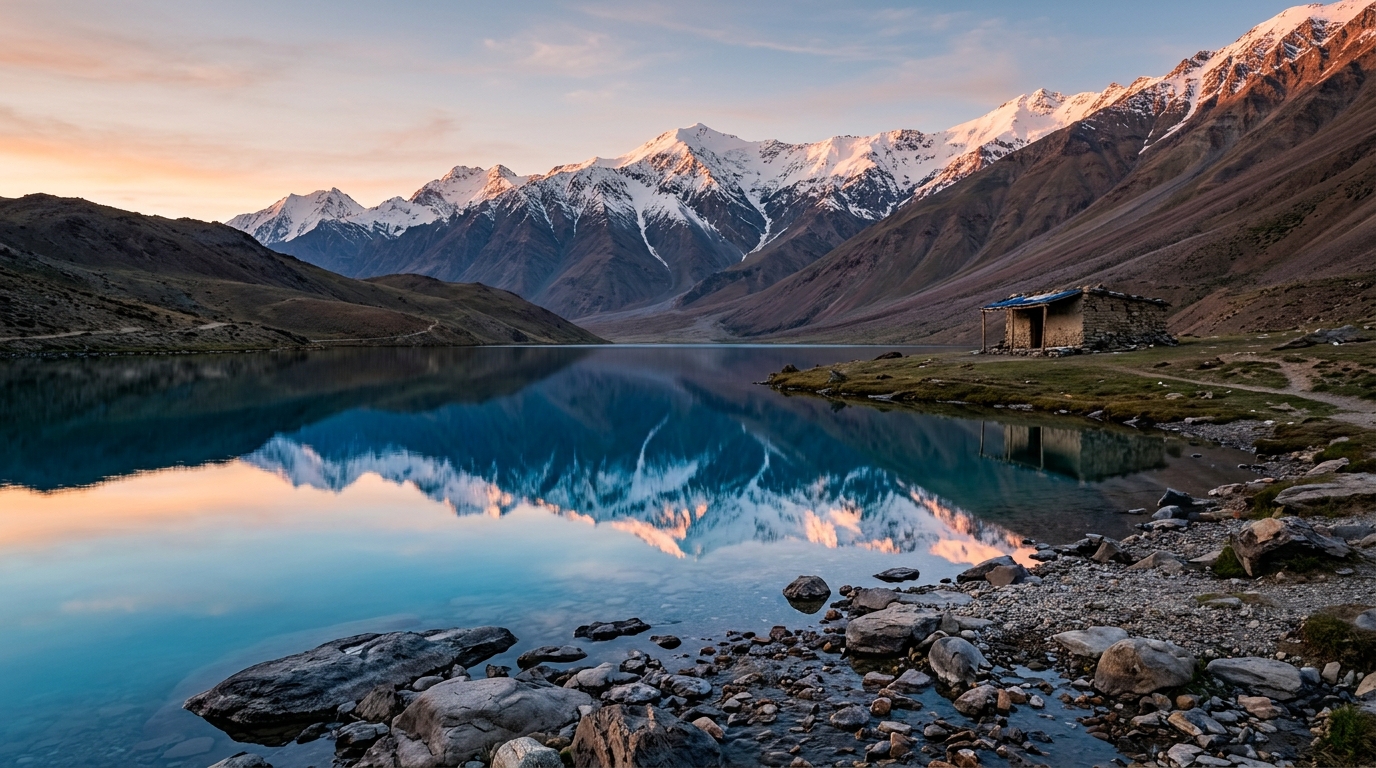
- Kaza to Chandratal Lake: Experience the high-altitude glacial lake (often accessible only by mid-summer).
- Chandratal to Manali: Complete the circuit by crossing the Kunzum Pass.
Logistics and Transportation Strategies
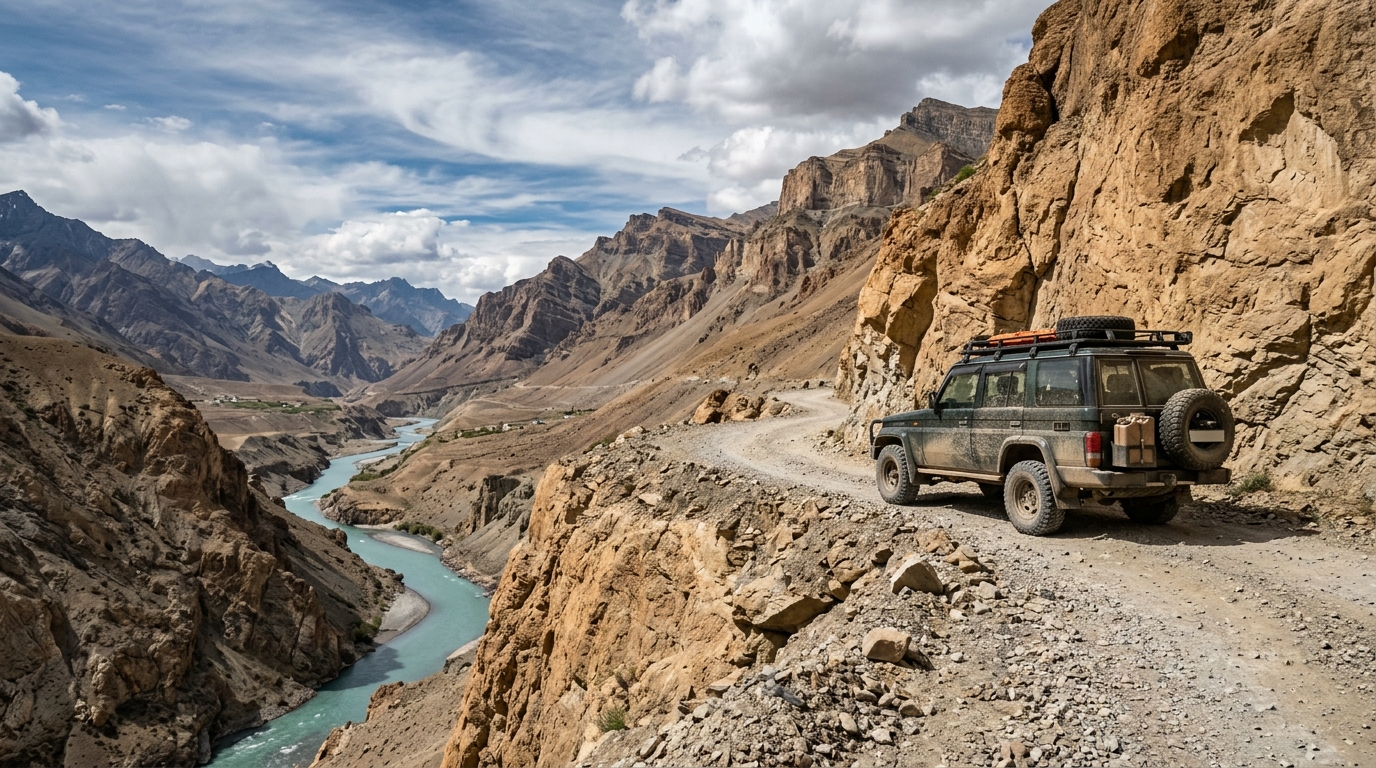
Road conditions in Spiti are unpredictable, with landslides and river crossings presenting real hazards during peak glacial melt seasons. When mapping out your transport logistics, keep the following in mind:
- Local Experienced Driver: Hiring a local driver is highly recommended as they possess intimate knowledge of the unstable terrain.
- Self-Driving Challenges: Only attempt self-driving if you have experience with off-roading, high-clearance vehicles, and water crossings.
- Public Transport: Budget extra time if using HRTC buses, as schedules are limited and highly dependent on weather conditions.
The Spiti Valley itinerary is a template, not a set of instructions. The weather dictates the pace of travel. When mountain roads wash out or passes close due to snow, the ability to adapt is the most important skill a traveler can possess.
Cultural Etiquette and Sustainable Travel
The communities in Spiti have maintained their unique traditions for centuries. Respecting local customs is essential. Always ask for permission before taking photographs of residents or sensitive areas inside monasteries. Furthermore, the ecosystem is fragile. As a high-altitude desert, water is a precious resource. Travelers should avoid single-use plastics and carry their waste back to urban centers where disposal facilities are available.
For those looking to explore this region with expert guidance, TravelDham offers structured tour packages that account for the specific logistical needs of this terrain. Engaging with local operators not only provides safety but also ensures that tourism revenue stays within the community.
FAQs
What is the best time for a Spiti Valley itinerary?
The window from late June to mid-September is ideal. Roads from Manali open during this time, allowing for a complete circuit.
Do I need to worry about altitude sickness?
Yes. Regardless of fitness levels, altitude sickness can affect anyone. Gradual ascent is the most effective preventative measure.
Is it possible to visit during winter?
Winter access is extremely limited. Only experienced travelers should consider this, as temperatures plummet and most guest houses close.
Conclusion
Executing a Spiti Valley itinerary requires careful planning and a realistic understanding of the environment. While the landscape is unforgiving, the experience of traversing such remote terrain is unmatched. By respecting the altitude, preparing for logistical challenges, and engaging with the local culture thoughtfully, travelers can ensure a safe and memorable journey.