
Planning a trip to the Kingdom of Bhutan requires careful preparation, yet the rewards are immense. Securing a well-structured Bhutan itinerary serves as the foundation for experiencing this Himalayan nation, which prioritises high-value, low-impact tourism. Travellers from India enjoy specific advantages, such as visa-free entry and direct access to the Sustainable Development Fee (SDF) exemption categories. A 7-day duration provides sufficient time to immerse oneself in the distinct culture, landscapes, and spiritual heritage of the region.
Key Takeaways for Your Bhutan Itinerary
- Easy Entry for Indians: Indian citizens do not need a visa, only a valid passport or Voter ID to enter.
- SDF Exemption & Rates: A Sustainable Development Fee of 1,200 INR per adult per night applies to Indian nationals.
- Optimal Route: A standard 7-day itinerary covers the essential triangle of Paro, Thimphu, and Punakha.
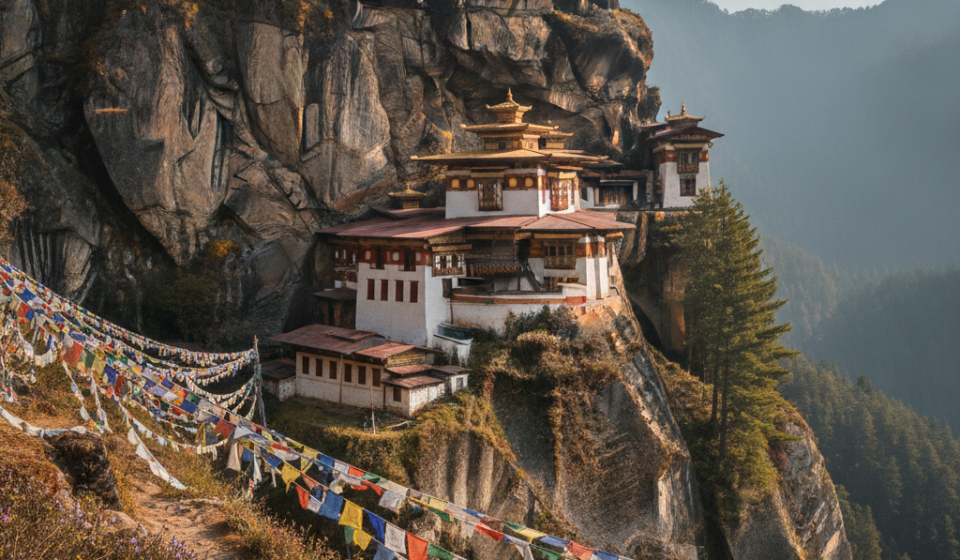
- Iconic Landmark: The trek to Tiger’s Nest Monastery (Paro Taktsang) remains the ultimate highlight.
- Travel Seasons: Spring (March to May) and Autumn (September to November) provide the clearest skies and best mountain views.
Understanding Entry Requirements for Indian Citizens
Indian nationals hold a unique status when visiting Bhutan. Unlike tourists from many other countries, Indians do not need a visa. You must, however, hold a valid passport or a Voter Identity Card. Every traveller is also required to pay the Sustainable Development Fee (SDF) to the Department of Tourism. As of mid-2026, the current daily rate remains at 1,200 INR per adult per night. Children between the ages of 6 and 12 receive a 50% discount, while those aged 5 and under are exempt.
| Requirement | Details for Indian Citizens |
|---|---|
| Entry Document | Passport or Voter ID |
| Visa | Not required |
| Daily Fee | 1,200 INR per adult |
| Permit Type | Entry permit issued at the border or airport |
Securing these documents is straightforward if you book through an authorised tour operator or manage the registration via the official online portal. Completing the registration process at least 15 days before departure is recommended to avoid last-minute complications at the immigration checkpoint.
Structuring Your 7-Day Bhutan Itinerary
A balanced Bhutan itinerary focuses on three main regions: Paro, Thimphu, and Punakha. These locations offer a diverse mix of ancient architecture, natural scenery, and urban exploration. This 7-day plan ensures you see the highlights without rushing through each location.
- Days 1-2: Arrival in Paro and travel to Thimphu
- Days 3-4: Exploration of the Thimphu capital district
- Days 5-6: The scenic drive to Punakha
- Day 7: Return to Paro and final departure
To help you prepare for the transitions between these regions, here is a quick geographical overview of your journey:
| Region | Altitude (Approx.) | Top Attraction | Primary Appeal |
|---|---|---|---|
| Paro | 2,200 meters | Tiger’s Nest Monastery | Scenic arrivals, departures, and historic trekking |
| Thimphu | 2,330 meters | Buddha Dordenma | Urban culture, local markets, and monument tours |
| Punakha | 1,200 meters | Punakha Dzong | Lush subtropical climate, river confluences, and historic fortresses |
Adhering to this structure allows for acclimatisation, which is necessary as you move between different altitudes. The roads connecting these cities are well-maintained but winding, meaning travel times often exceed what a map might suggest.
Arrival and Transition to Thimphu
Your journey begins at Paro International Airport. The flight path itself is a highlight, offering views of the Himalayas. Upon clearing immigration, you should proceed immediately toward Thimphu. This drive takes roughly one hour and follows the scenic Wang Chhu River. Reaching Thimphu allows you to settle into the capital city, where the blend of tradition and modernity is most apparent. Spend your first evening visiting the Centenary Farmers Market to observe local life and sample indigenous produce.
Cultural Immersion in Thimphu
Thimphu offers a deep dive into Bhutanese culture. To experience the heart of the capital, make sure to include these key cultural sites in your schedule:
- National Memorial Chorten: A prominent stupa where locals gather for daily prayers and walking meditations.
- Buddha Dordenma: A giant, majestic bronze Buddha statue perched high on a hill overlooking the valley.
- National Institute for Zorig Chusum: A highly respected center dedicated to preserving the country’s thirteen traditional crafts.
Visiting these landmarks is an incredibly productive and meaningful way to understand the spiritual and artistic values that the people of Bhutan hold dear.
The Scenic Journey to Punakha
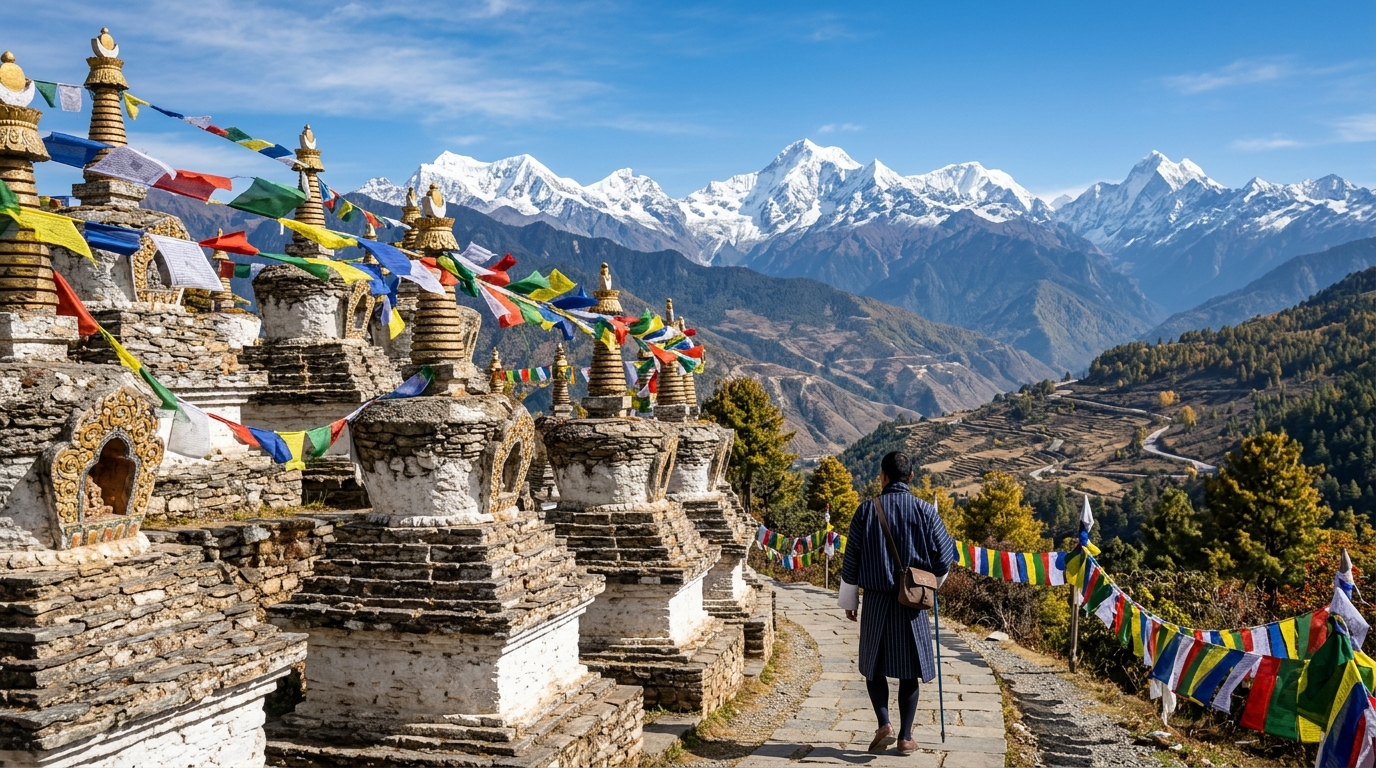
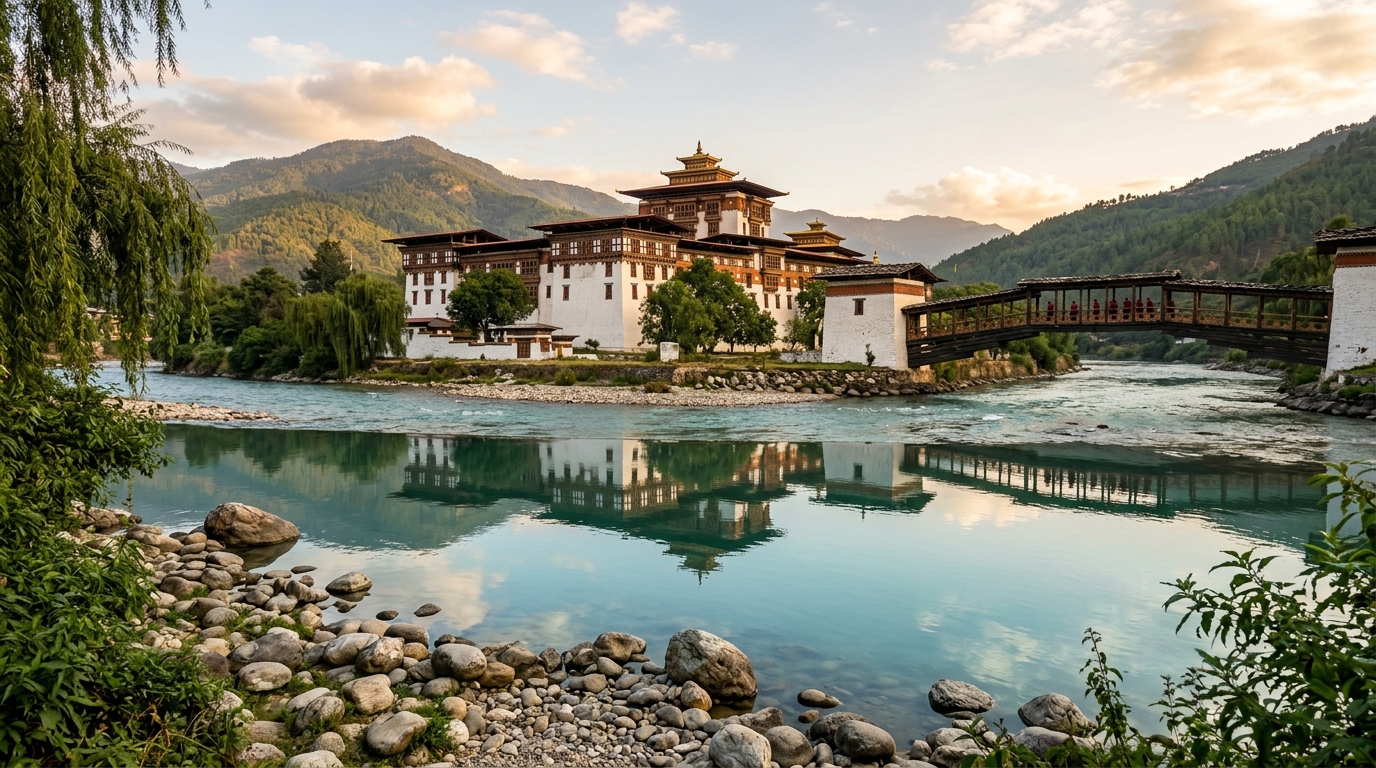
The road from Thimphu to Punakha crosses the Dochula Pass at an elevation of 3,100 metres. On clear days, the pass offers a panoramic view of the Himalayan peaks. Take time to walk among the 108 memorial stupas built here. Once you descend into the Punakha Valley, the climate becomes noticeably warmer and more sub-tropical. Visit the Punakha Dzong, arguably the most beautiful fortress in the country. It sits strategically at the confluence of the Pho Chhu and Mo Chhu rivers.
“The dzong serves as a fortress, a monastic centre, and an administrative hub. It is the beating heart of Bhutanese heritage and is best experienced during the morning hours.”
Returning to Paro and the Tiger’s Nest Hike
The final leg of your Bhutan itinerary brings you back to Paro. This segment is reserved for the trek to the Paro Taktsang, commonly known as the Tiger’s Nest Monastery. This site is perched precariously on a cliffside and requires a hike of roughly 4 to 5 hours return. It is physically demanding, so start early to avoid the midday heat. The experience of reaching the summit is unparalleled and remains the defining moment of most trips to the country.
Essential Travel Tips for Bhutan
Success during travel to this region depends heavily on proper preparation. Follow these practical tips to guarantee a smooth and respectful visit:
- Dress in Layers: Mountain weather changes rapidly depending on altitude. Carry layers, especially for chilly mornings in spring and autumn.
- Observe Dress Codes: When visiting a dzong or active temple, keep your shoulders and knees covered as a sign of respect.
- Respect Photography Bans: Photography is strictly prohibited inside the main temple prayer halls; ask your guide before shooting.
- Manage Your Cash: Keep a sufficient supply of physical Indian Rupees (INR) on hand, particularly in rural villages where digital payments are limited.
FAQs
What is the best time to visit Bhutan?
The ideal time is between March and May, or September and November, when the weather is clear and the mountain views are at their peak.
Can I travel independently in Bhutan?
While you are technically free to move around, most travellers find that working with a registered local guide simplifies logistics, especially for transport and temple access.
Is the air in Bhutan difficult for those with health issues?
The altitude can affect some individuals. Staying hydrated and planning a gradual ascent is the best way to handle higher elevations.
Are Indian Rupee notes accepted everywhere?
Yes, smaller denominations are widely accepted, but it is wise to carry local currency or smaller notes to ensure easier transactions in rural areas.
For more personalised assistance with planning your journey, you can view our travel packages or contact our team directly through our consultation page. We provide tailored solutions to help you make the most of your time in the mountains.