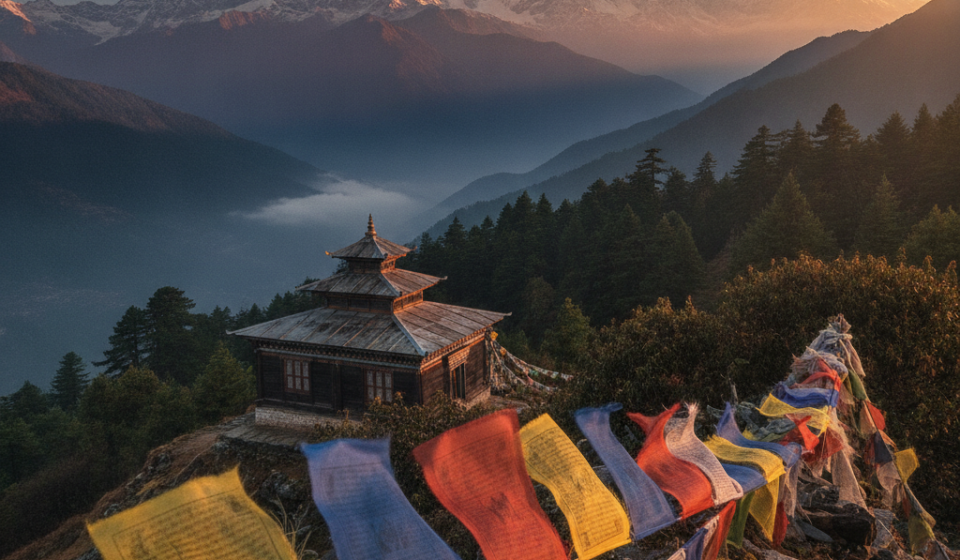

Sikkim is a destination that demands patience and rewards preparation. This small state in the Eastern Himalayas remains one of the most pristine corners of India, offering a blend of Tibetan Buddhist culture, dramatic mountain landscapes, and vibrant biodiversity. Planning a Sikkim itinerary requires an understanding of regional logistics, as the rugged terrain and permit requirements differentiate it from standard tourist circuits. For those seeking clarity on how to structure a 7-day trip, this guide provides a professional framework to balance exploration with the realities of mountain travel.
Key Takeaways
- Logistical Patience: Mountain transit in Sikkim takes significantly longer than standard map distances suggest.
- Mandatory Permits: Inner Line Permits and Protected Area Permits are critical for high-altitude border zones.
- Acclimatisation Focus: A successful 7-day trip must prioritize gradual acclimatisation to avoid altitude sickness.
- Local Drivers: Hiring experienced local mountain drivers is essential for safe navigation through challenging terrains.
Understanding the Geography and Permits
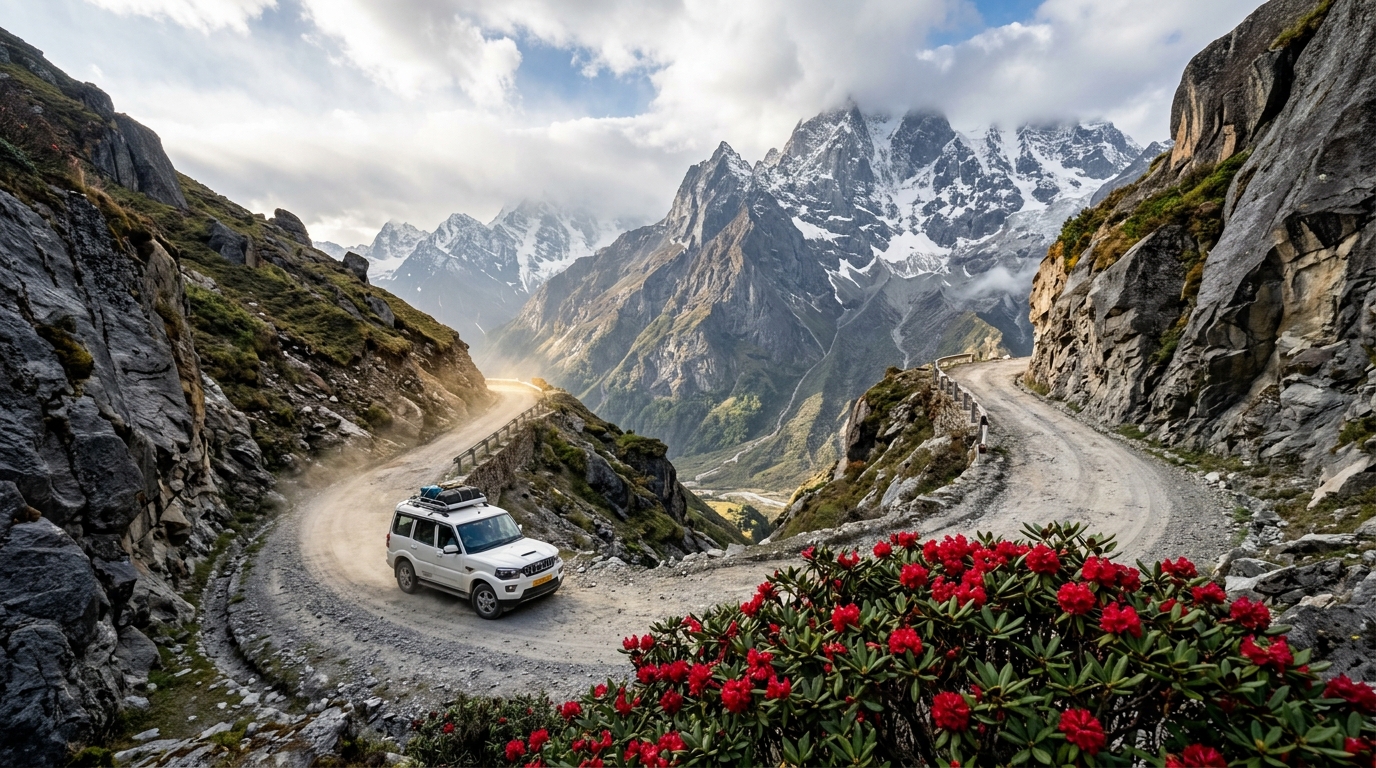
The state is divided into four primary districts, each offering distinct geographical features. The Eastern and Northern districts are common focal points for travellers, while the Southern and Western regions provide a quieter experience. When mapping out a Sikkim itinerary, it is vital to recognise that mountain roads often dictate the pace of travel. Distances that appear manageable on a map frequently require double the anticipated time due to steep gradients and frequent stops for road clearance.
Entry into certain areas of Sikkim is strictly regulated for all visitors. Indian nationals require an Inner Line Permit for specific border regions, whereas international travellers must secure a Restricted Area Permit. These documents are processed at the state border or in Gangtok. Planning for these bureaucratic requirements is essential to ensure that your Sikkim itinerary does not experience delays during the initial phase of the journey.
| Permit Type | Applicable Areas | Required Documents | Processing Time |
|---|---|---|---|
| Inner Line Permit (ILP) | East Sikkim (Tsomgo, Nathula) | ID Proof, Passport Size Photos | 1 Day |
| Protected Area Permit (PAP) | North Sikkim (Lachen, Lachung) | ID Proof, Photos (Processed via Travel Agent) | 1-2 Days |
| Restricted Area Permit (RAP) | Sikkim Entry (for Foreign Nationals) | Valid Passport and Indian Visa | Immediate at border checkpoints |
| District | Primary Characteristic | Travel Focus |
|---|---|---|
| East | Administrative Hub | Capital city and Tsomgo Lake |
| North | High Altitude | Glaciers and restricted zones |
| West | Cultural Depth | Monasteries and mountain views |
| South | Spiritual Centres | Temples and rural landscapes |
The Optimal 7-Day Route
A 7-day trip allows for a logical progression through the Eastern and Northern sectors. This schedule assumes a arrival in Bagdogra and a direct transfer to Gangtok. Consistency in altitude acclimatisation remains a priority throughout the week to mitigate the effects of thin air at higher elevations.
Day 1 to Day 2: Settling into Gangtok
Arriving in the capital sets the foundation for your visit. Dedicate the first two days to securing local permits and exploring the local context. Gangtok serves as the logistical command centre for your remaining Sikkim itinerary. To maximize your time in the capital, consider the following checklist:
- Apply for and collect mandatory travel permits.
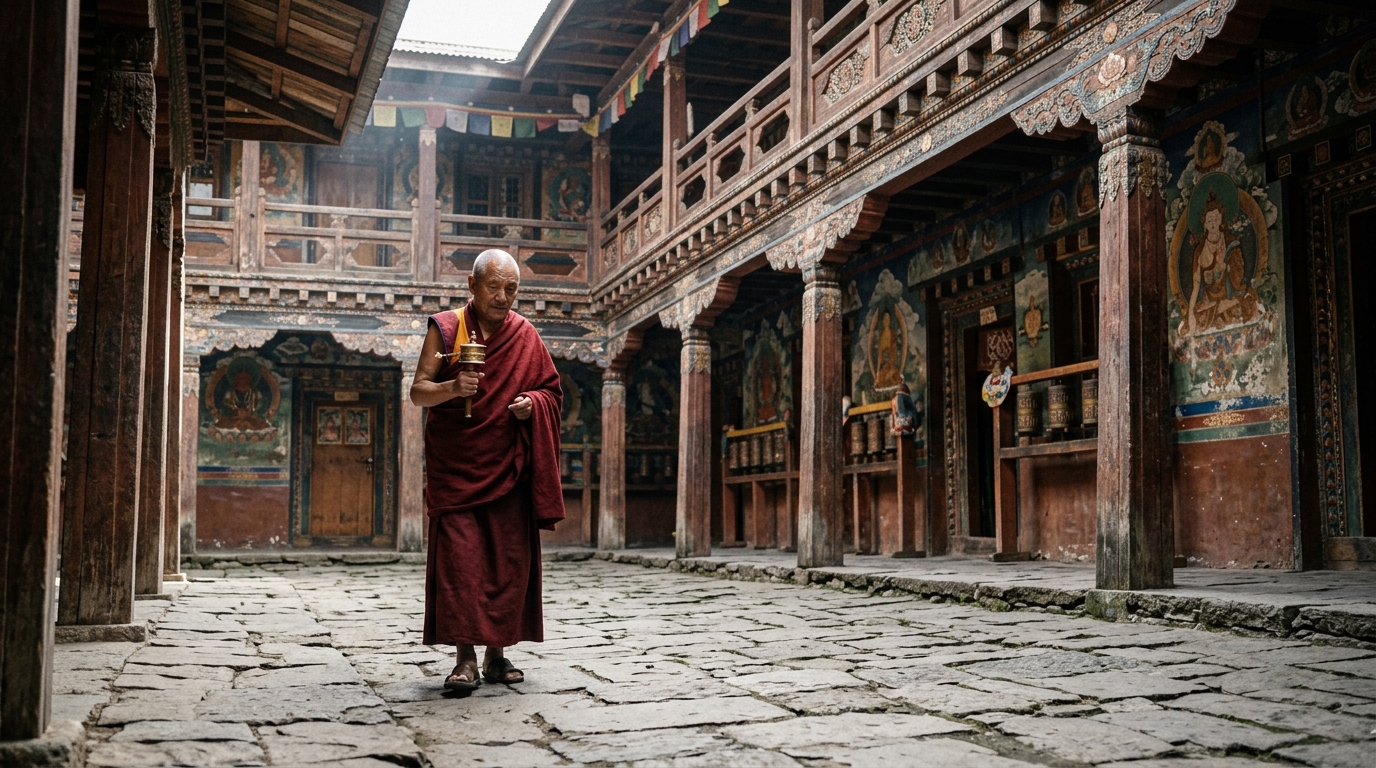
- Visit the serene Rumtek Monastery.
- Explore the Namgyal Institute of Tibetology to appreciate the local heritage.
- Walk down MG Marg to experience local life and purchase regional crafts.
Day 3 to Day 4: High Altitude Exploration
Transitioning toward the North district is the highlight of most trips. Travel toward Lachen or Lachung serves as the gateway to the Yumthang Valley or the Zero Point. These areas sit well above 3,500 metres, requiring travellers to monitor their physical response to the altitude carefully. Given the restricted nature of these areas, hiring a local guide is mandatory for accessing the most remote sections.
Day 5 to Day 7: Cultural Immersion and Return
On the final leg of the 7-day trip, consider heading toward Pelling in the West. This region offers unparalleled views of the Kanchenjunga massif (the third-highest peak in the world). Visiting the Pemayangtse Monastery provides a quiet conclusion to the excursion before descending back toward the lowlands of Siliguri for your departure.
Essential Packing and Preparation
Mountain environments are notoriously unpredictable. Regardless of the season, a layered approach to clothing is necessary to handle temperature fluctuations. Temperatures in high-altitude zones can drop below 5 degrees Celsius even during the summer months. Packing light remains the professional standard for mountain travel, as vehicle space is often constrained by the necessity of carrying fuel and supplies.
- Sturdy trekking boots with adequate ankle support.
- Polarised sunglasses to mitigate high-altitude glare.
- A high-quality insulated jacket.
- Prescription medications and a basic first-aid kit.
- Power banks, as electricity supply can be intermittent in remote villages.
Preparation is the difference between a seamless transit and a logistical hardship. Always allow for a buffer day when scheduling transport out of Sikkim, especially during the monsoon season when road blockages are a known risk.
Logistics and Transportation Strategies
Public transportation within the state is limited. The most reliable method for executing a Sikkim itinerary is to hire a dedicated vehicle with a driver who possesses local mountain experience. These drivers are not just transport providers; they are crucial sources of information regarding weather changes and road status. Establishing a transparent agreement on the scope of travel and costs beforehand prevents complications during the trip.
For those interested in professional support for their upcoming travel, our team at TravelDham provides comprehensive itinerary planning and logistics coordination. Leveraging local expertise ensures your journey is both efficient and safe.
Health and Safety at High Altitudes
Altitude sickness is a genuine concern for any visitor as the body needs time to adjust to lower oxygen levels. To ensure safety and well-being, adhere to these essential guidelines during your trip:
- Hydration is Key: Maintaining constant hydration is the single most effective way to support your system during the first three days of your Sikkim itinerary.
- Listen to Your Body: If you feel dizzy, nauseous, or short of breath, do not hesitate to ask your driver to pause or to descend to a lower elevation immediately.
- Identify Facilities Early: Professional medical facilities are concentrated in Gangtok, making prompt identification of symptoms vital when in more remote areas.
- Assess Your Fitness: While a standard 7-day trip is not a high-intensity trek, visiting monasteries and viewpoints involves navigating stone staircases and uneven paths. Consult with a medical professional if you have concerns regarding cardiovascular health before committing to an itinerary that exceeds 3,000 metres in elevation.
Conclusion
Structuring a successful visit to this Himalayan region is an exercise in balancing ambition with logistical reality. By allowing enough time for transit, respecting the permit system, and prioritising acclimatisation, you position yourself to experience the unique cultural and natural depth of the state. Use the framework provided here as a starting point, but remain flexible enough to adapt to the realities of the road. A well-planned Sikkim itinerary ensures that the focus remains on the experience, not the mechanics of travel.