
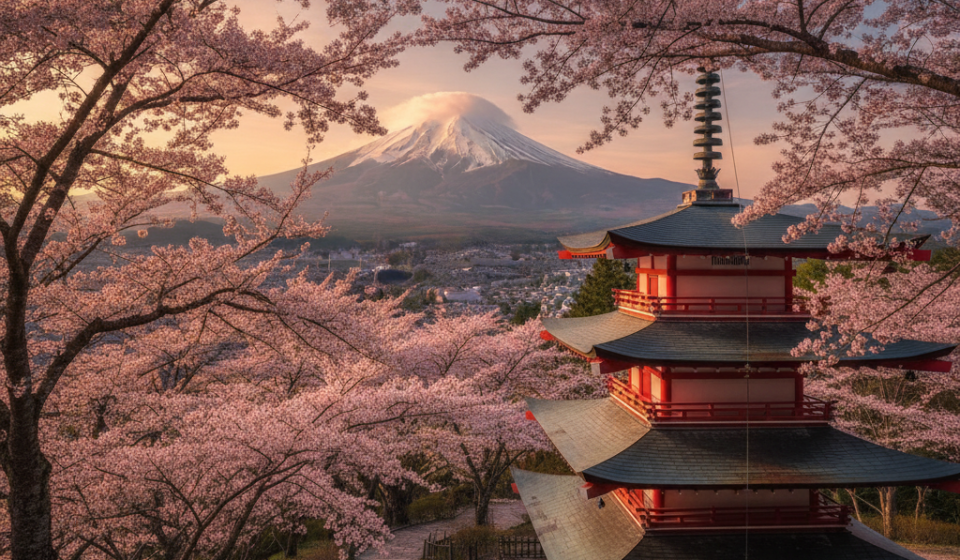

Planning a journey to Japan from India involves careful financial preparation. The total Japan trip cost from India fluctuates based on seasonal demand, itinerary duration, and chosen travel style. Understanding these variables allows for precise budgeting, ensuring the experience remains rewarding without unnecessary strain on financial resources.
- Estimated Budget: A standard 7-to-10-day trip ranges from ₹1,00,000 to ₹1,80,000 INR per person, depending on your travel style.
- Peak vs. Off-Peak: Traveling during shoulder seasons like late autumn can reduce your overall Japan trip cost from India by up to 30%.
- Advance Booking: Securing flights and accommodations 3 to 4 months ahead is critical to keeping the budget manageable.
- Local Transit: Using regional passes or IC cards (Suica/Pasmo) is often more economical than a full JR Pass for short itineraries.
- Cash is King: While credit cards are increasingly accepted, carrying Japanese Yen cash is essential for smaller establishments and temples.
Understanding the Core Expenses
The primary components of your travel expenditure remain consistent regardless of the season. Airfare and accommodation often account for the largest share of the budget. Securing flight tickets early is essential for cost management, as prices rise significantly during peak periods such as the cherry blossom season or Golden Week.
Beyond flights and hotels, daily living expenses such as food, local transport, and entry fees for attractions require consistent monitoring. Japan offers options ranging from high-end luxury to budget-friendly convenience. A balanced approach helps in maintaining a manageable Japan trip cost from India while still experiencing the cultural richness of the destination.
Depending on your comfort preferences, your total Japan trip cost from India will fall into one of these travel styles:
| Travel Style | Daily Budget (INR per day) | Accommodation Type | Dining & Activities |
|---|---|---|---|
| Budget / Backpacker | ₹4,000 – ₹6,000 | Hostels / Capsule Hotels | Convenience stores (Konbini), street food, free attractions |
| Mid-Range (Recommended) | ₹8,000 – ₹15,000 | 3-Star Business Hotels | Casual dining, local izakayas, paid museum entries |
| Luxury | ₹25,000+ | Ryokans / 5-Star Hotels | Fine dining, private tours, premium Shinkansen travel |
- International Airfare: The largest single upfront cost.
- Accommodation: Choices vary from traditional ryokans to modern business hotels.
- Local Transport: Regional rail passes or single tickets for subways.
- Dining: A mix of street food, local izakayas, and occasional fine dining.
- Activities: Entrance fees for shrines, museums, and theme parks.
Visa and Administrative Costs
Travelers holding Indian passports must secure a visa before departure. Key guidelines for the visa process include:
- Passport Validity: Your passport must remain valid for at least six months beyond your planned return date.
- Financial Proof: Bank statements for the last 6 months showing sufficient funds are critical for approval.
- Processing Fee: The processing fee is relatively modest, though VFS service charges may apply.
Travel insurance is not merely a recommendation but a necessity. It covers potential medical emergencies or unforeseen trip cancellations. Allocating funds for a comprehensive policy provides peace of mind throughout the duration of your stay.
| Expense Category | Estimated Cost (INR) |
|---|---|
| Tourist Visa Fee | 500 to 1,500 |
| Travel Insurance | 2,000 to 5,000 |
| Travel Document Services | 500 to 1,000 |
Seasonal Price Fluctuations
Japan experiences distinct seasons, and travel costs reflect this cycle. Prices peak during periods of high tourist activity. If flexibility permits, travelling during shoulder seasons—late autumn or late spring—often yields significant savings on flights and hotels.
The following table outlines the impact of seasonality on your overall budget.
| Season | Cost Impact | Key Period |
|---|---|---|
| High Season | Highest | Cherry Blossom (March-April), Golden Week (May) |
| Shoulder Season | Moderate | Autumn Foliage (November), June |
| Low Season | Lowest | Winter (January-February, excluding holidays) |

Transportation Within Japan
Efficient movement across Japanese cities relies on an extensive rail network. The Japan Rail Pass, once a default choice for many tourists, now requires careful cost-benefit analysis following recent price adjustments. For shorter itineraries focusing on a single region, individual train tickets or regional passes often prove more economical.
Local transport within major cities like Tokyo and Osaka primarily consists of subway and bus networks. Utilizing a rechargeable IC card, such as Suica or Pasmo, simplifies daily commutes and provides a clear record of transit spending. When calculating the total Japan trip cost from India, remember to factor in these smaller, recurring daily costs.
Accommodation Strategy
Lodging options in Japan cater to various budget levels. Business hotels offer compact, functional rooms that are ideal for travelers prioritizing sightseeing. Capsule hotels provide a unique, cost-effective experience for solo adventurers, while traditional ryokans deliver an authentic cultural stay often accompanied by exquisite multi-course meals.
Selecting accommodation located near major train stations reduces both travel time and local transportation costs, offering better value over the course of your visit.
Dining and Daily Expenses
Food in Japan is a significant part of the experience. Expenses for meals vary widely depending on personal preference. To manage your daily food budget, consider these options:
- Convenience Stores (Konbini): Chains like 7-Eleven, Lawson, and FamilyMart provide high-quality, affordable meal options (onigiri, bento boxes) for breakfast or lunch.
- Casual Dining & Ramen Shops: Ticket-machine restaurants, Yoshinoya, and local ramen shops offer filling meals at highly economical price points.
- Izakayas & Sit-down Restaurants: Ideal for dinner, these offer varied menus and are perfect for experiencing authentic food culture at moderate rates.
For those interested in exploring our curated travel packages, visit TravelDham Services to view options that simplify the planning process. Our team focuses on creating seamless itineraries that align with your financial goals and personal interests.
FAQs
What is the minimum budget for a one-week trip?
A moderate budget for a one-week trip typically starts around 1,00,000 to 1,50,000 INR per person, excluding international airfare. This allows for comfortable accommodation, standard meals, and use of public transport.
Is it cheaper to book flights in advance?
Yes. Booking international flights at least 3 to 4 months in advance generally secures lower fares. Last-minute bookings during peak seasons can double the airfare portion of your Japan trip cost from India.
Are credit cards widely accepted?
While major hotels and department stores accept credit cards, Japan remains a cash-heavy society. Always carry sufficient yen for small shops, temple entry fees, and local food stalls.
Do I need an international driving permit?
Only if you intend to rent a car. However, Japan has an exceptional public transport system, making car rentals unnecessary for most standard tourist routes. Check the TravelDham portal for guidance on optimal transit methods.

Conclusion
Determining your Japan trip cost from India requires a structured approach. By planning for major expenses such as flights and accommodation while staying mindful of daily spending on food and transport, you can enjoy a seamless vacation. Proper research and early booking remain the most effective ways to ensure your financial plan holds steady throughout the journey.