
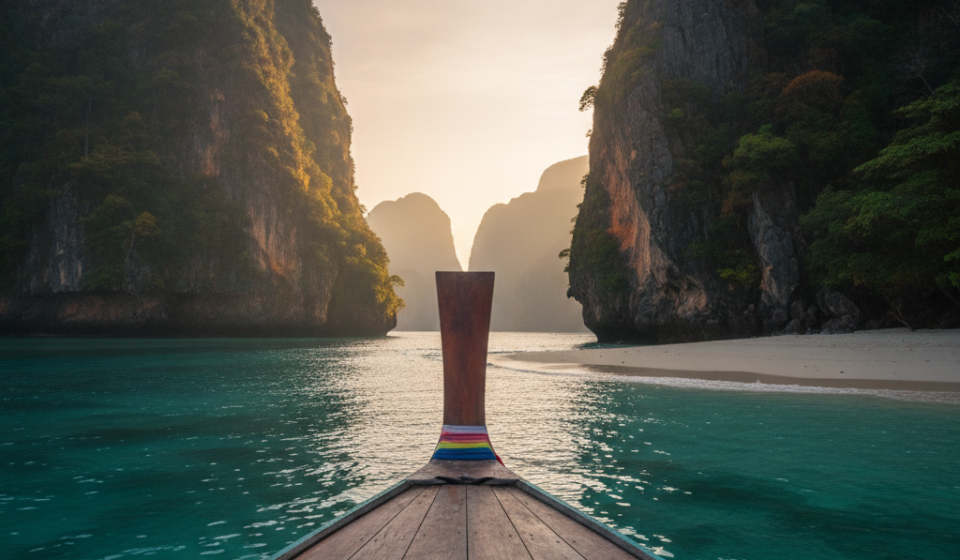

Planning a journey to Southeast Asia requires careful financial preparation, especially when considering the Thailand trip cost from India. Travellers often underestimate the variables involved, from fluctuating airfares to seasonal accommodation spikes. Understanding the core components of this expenditure ensures a balanced experience that aligns with personal travel goals rather than relying on generic estimates. Managing these costs effectively depends on strategic booking and an awareness of local pricing structures.
Key Takeaways
- Visa & Entry: Ensure you check the latest visa rules for Indian passport holders as of July 2026, factoring in any mandatory travel insurance.
- Flight Costs: Advance bookings (3+ months) and off-peak travel (May to August) significantly reduce the overall airfare burden.
- Accommodation: Budgets vary widely; while hostels are cheap, mid-range and luxury stays offer incredible relative value.
- Dining & Transport: Utilizing local street food and public systems like BTS/MRT is key to managing your daily expenses.
Visa and Documentation Costs
The first hurdle for any Indian traveller involves securing the necessary permits. As of July 2026, Thailand maintains specific entry requirements for Indian passport holders. Travellers should check the latest official embassy guidelines before finalising travel dates to avoid last minute complications (or unexpected fees).
| Visa Type | Estimated Cost (INR / THB) | Processing Time | Validity / Stay Duration |
|---|---|---|---|
| Visa on Arrival (VoA) | ~2,000 THB (approx. ₹4,700 INR) | On-site (1-2 hours) | 15 Days |
| Single Entry Tourist E-Visa | ~₹3,000 – ₹4,000 INR | 3 – 10 Working Days | 60 Days |
| Travel Insurance (Mandatory) | ~₹500 – ₹1,500 INR | Instant | Duration of Trip |
- Visa on Arrival: This option remains popular for short-term stays, though it involves a processing fee payable in local currency.
- E-Visa Services: Applying online often streamlines the process, though it may incur additional convenience charges compared to physical consulate applications.
- Travel Insurance: While technically not a visa cost, robust health and travel insurance is a mandatory consideration for budget planning, protecting against medical emergencies or trip cancellations.
Flight Expenses
Airfare represents the single largest portion of the Thailand trip cost from India for most visitors. Prices fluctuate significantly based on the departure city, airline carrier, and booking lead time. Peak holiday seasons and long weekends drive prices upward, while mid-week flights often provide better value.
| Booking Factor | Impact on Price |
|---|---|
| Advance Booking (3 months+) | Significantly Lower |
| Last Minute Booking | Premium Pricing |
| Peak Season (Dec to Feb) | Maximum Cost |
| Off-Peak Season (May to Aug) | Economical |
Direct flights from major hubs like Delhi, Mumbai, or Bengaluru offer convenience but frequently carry a higher price tag than connecting routes through secondary hubs. Travellers looking to optimise their budget should monitor price alerts for at least six weeks prior to their planned departure.
To optimize your flight expenditure, consider the following routing and booking strategies:
- Major Hubs vs. Secondary Routes: Direct flights from Delhi, Mumbai, or Bengaluru offer convenience but frequently carry a premium price. Connecting flights through secondary hubs are often cheaper.
- Price Monitoring: Set up automated price alerts at least six to eight weeks before your departure date to catch sudden price drops.
- Baggage Limits: Pay close attention to low-cost carrier baggage rules, as buying excess baggage at the airport can inflate your travel budget.
Accommodation and Lodging
Thailand provides a vast array of lodging, from ultra-luxurious beachfront resorts to functional hostels. The daily accommodation budget varies widely based on location and amenities. Bangkok tends to have a dense concentration of affordable hotels, whereas islands like Phuket or Koh Samui carry a premium for coastal proximity.
Luxury is attainable in Thailand at a fraction of the cost found in Western destinations, yet staying within a budget requires discipline regarding room category and property location.
Budgeting for accommodation should account for the following categories:
- Budget Hostels: Ideal for solo travellers, offering basic facilities at minimal rates.
- Mid-Range Hotels: Consistent quality with breakfast and pool access, suitable for couples or small families.
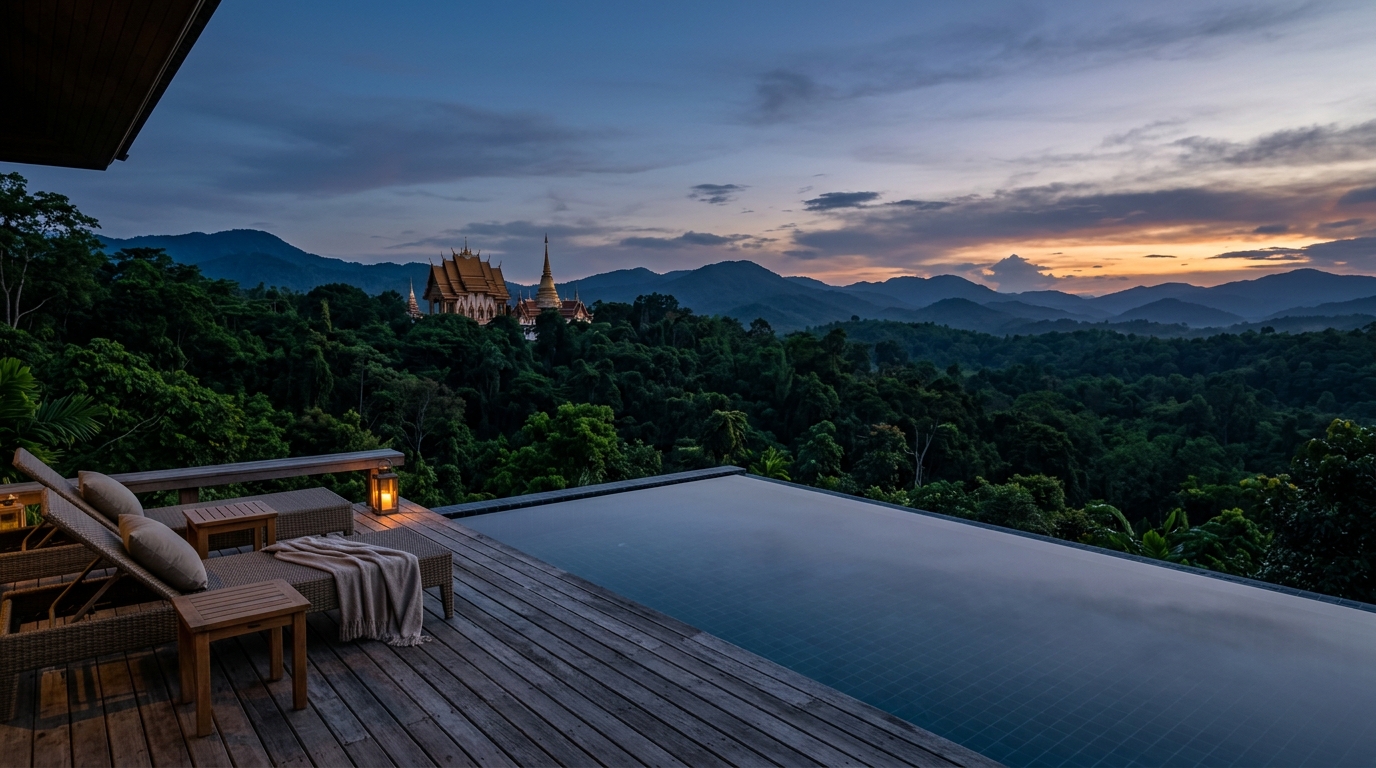
- Luxury Resorts: High-end experiences, often situated in private or exclusive beach zones.
Food and Dining Expenditure
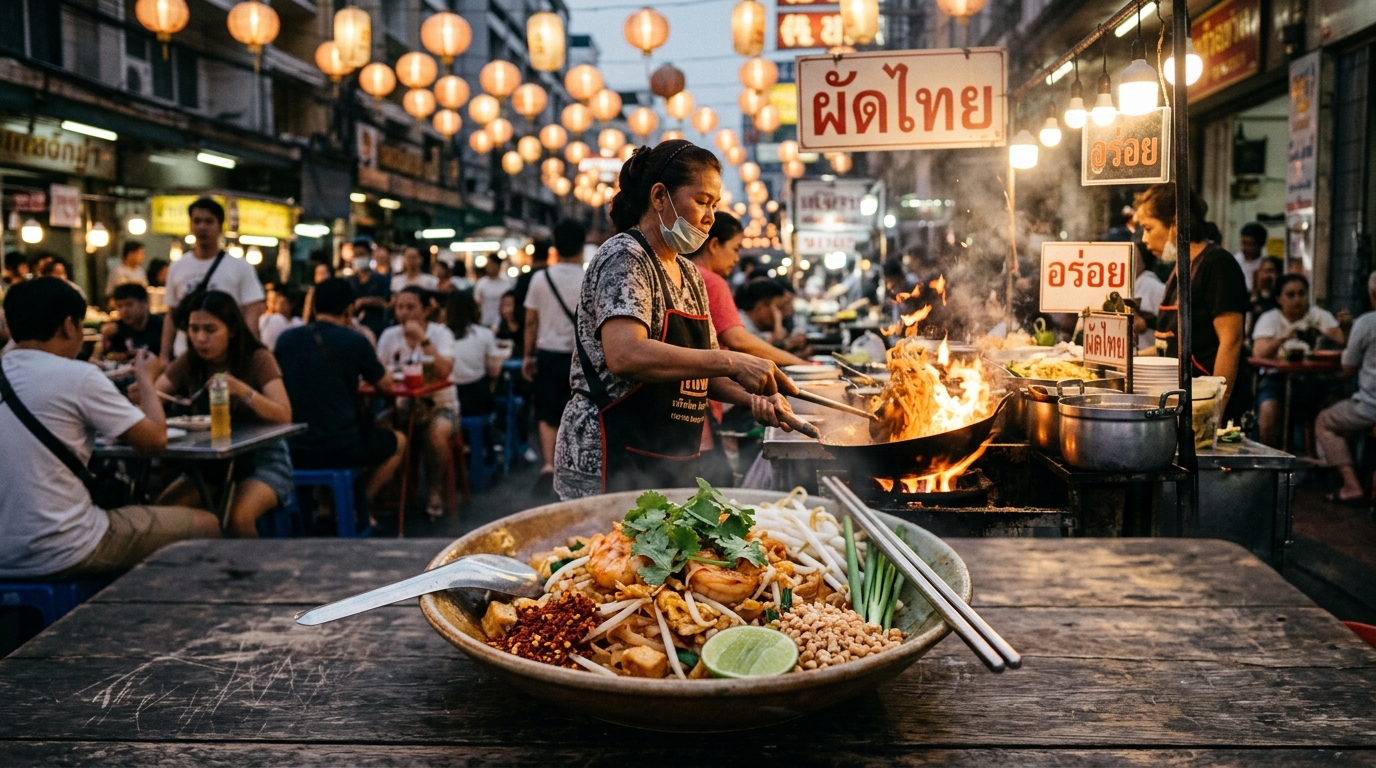
One of the great advantages of visiting Thailand is the accessibility of high-quality cuisine at diverse price points. Street food culture is not just a budget choice; it is an essential part of the local experience. Dining at local markets or dedicated street food stalls costs significantly less than international restaurant chains.
Travellers should allocate funds based on the type of dining experience they prefer. A rough daily allocation for food ranges from modest street-side meals to high-end fine dining in urban centres. Regardless of the budget, local ingredients remain fresh, and the culinary standard remains high.
To help you budget accurately, consider these typical dining cost categories:
- Street Food & Local Markets: Expect to spend around 50 to 150 THB (approx. ₹120 to ₹350 INR) per meal for incredibly fresh, authentic dishes.
- Casual Dining & Cafes: Mid-range restaurants cost between 200 to 500 THB (approx. ₹470 to ₹1,200 INR) per meal, offering comfortable air-conditioned settings.
- Fine Dining & Hotel Restaurants: Premium dining starts from 1,000 THB (approx. ₹2,350 INR) and upwards, offering gourmet culinary experiences.
Internal Transportation
Moving between cities or navigating within dense urban areas requires a clear transportation strategy. Domestic flights connect major tourist centres quickly, but they require pre-booking to remain cost-effective. For shorter distances, trains, buses, and ferries serve as reliable, lower-cost alternatives.
Within cities like Bangkok, the BTS Skytrain and MRT subway systems are efficient ways to beat traffic. Taxis and ride-hailing applications are widely available, though prices should be verified before departure to ensure they align with expected travel costs. Utilising public transit is the most effective way to reduce the overall Thailand trip cost from India.
Activities and Sightseeing
The cost of activities depends entirely on individual interests. Entrance fees for historical sites, national parks, and temples are generally affordable. However, specialised experiences such as guided scuba diving, private boat charters, or cooking classes increase the daily expenditure. It is advisable to list desired activities beforehand and allocate a specific reserve for them.
Some travellers prefer a packed schedule, while others enjoy a slower pace. The cost difference is substantial, so balancing guided tours with independent exploration helps maintain financial control. Exploring public beaches or walking through city parks costs nothing, providing a natural buffer against the price of premium attractions.
When planning your activity schedule, keep these budgeting guidelines in mind:
- Balance Guided and Independent Tours: Allocate high-cost guided tours for bucket-list experiences like scuba diving, while exploring historical temples or local neighborhoods independently.
- Leverage Free Attractions: Take advantage of public beaches, local parks, and lively night markets that require no entry fees.
- Pre-book Online: Use reliable booking portals ahead of time to secure discounted entry tickets for waterparks, island day-trips, and cabaret shows.
Tips for Budgeting Success
Financial discipline during travel hinges on preparation. Tracking daily expenses helps avoid surprises and allows for adjustments in real-time. Carrying a mix of local currency and reliable travel cards is essential, as some smaller establishments may not accept digital payments.
- Use local transport instead of private cars whenever feasible.
- Prioritise street food and local markets for the majority of meals.
- Book accommodation with free breakfast to save on daily dining costs.
- Travel during shoulder months to benefit from lower rates on flights and hotels.
By applying these strategies, travellers can ensure their Thailand trip cost from India remains within a comfortable range. For further assistance in planning your itinerary, please visit our travel services page to explore curated options that align with your budget. We provide tailored solutions to help you manage your Thailand trip cost from India with ease.
Conclusion
Mastering the budget for a trip to Thailand requires understanding how individual choices aggregate into a total cost. By accounting for essential expenses like airfare and visas, while remaining flexible with dining and activity choices, any traveller can create an enjoyable experience. Proper research and early planning serve as the foundation for a successful and affordable journey. The key lies in finding the right balance between comfort and cost, allowing for a memorable visit that does not compromise financial stability.