The Ultimate Kalap Travel Guide: How to Visit Uttarakhand’s Fairytale Himalayan Village Frozen in Time

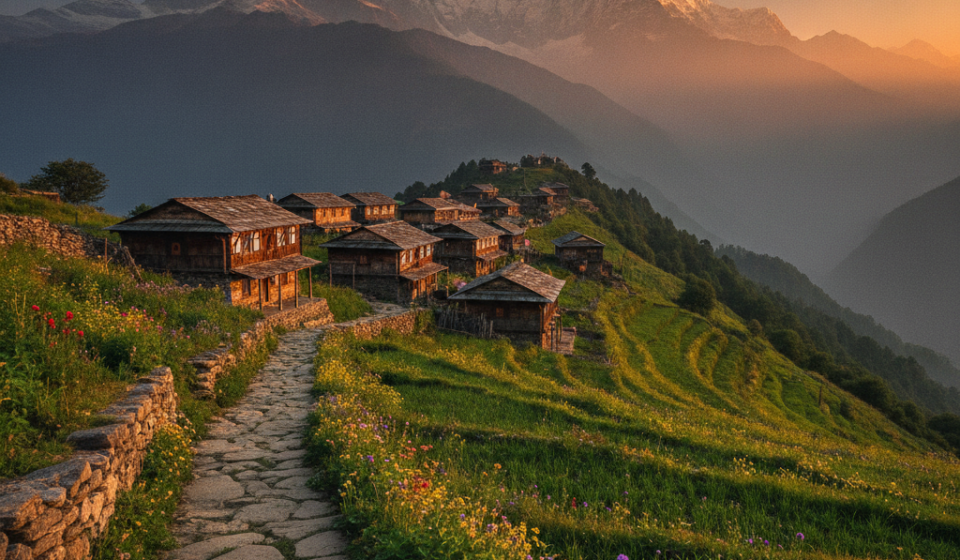
Kalap remains one of the few places in the Indian Himalayas where the modern world feels distant. This remote village in the Garhwal region of Uttarakhand sits at an altitude of 7,800 feet, offering a rare glimpse into a lifestyle defined by tradition, high-altitude agriculture, and profound silence. Accessing this destination requires deliberate planning, as it is not a commercial hub with luxury resorts or paved roads. A comprehensive Kalap travel guide is essential for anyone seeking an authentic, off-the-grid experience in a location that feels truly frozen in time.
Key Takeaways
- Remote Himalayan Escape: Kalap is a pristine, non-commercialized village at 7,800 feet in Uttarakhand’s Garhwal region.
- Trek-Only Access: Reaching the village requires a moderate 6 to 8-hour trek from Taluka.
- Community-Led Tourism: Tourism supports local livelihoods directly through traditional homestays.
- Best Seasons: Spring (April to June) and Autumn (September to November) offer the ideal weather and clear views.
- Self-Reliance is Key: Ensure you carry sufficient cash, power banks, and essential layers due to limited electricity and zero connectivity.
Why Visit Kalap
Most mountain destinations in Uttarakhand have succumbed to rapid commercialization. Kalap stands apart because it maintains an isolation that protects its unique social fabric. The village operates on a cooperative model where the community itself manages tourism efforts. Choosing to visit here directly supports local livelihoods while providing travelers with a chance to engage with ancient Himalayan culture.
- Experience authentic Garhwali hospitality in traditional wooden homes.
- Traverse ancient trekking trails that have linked mountain communities for centuries.
- Witness distinct flora and fauna, including endangered species of birds and Himalayan wildlife.
- Participate in community-led initiatives that prioritize sustainable and responsible tourism.
Getting to Kalap
Reaching Kalap is an expedition in itself. Travelers must first reach Dehradun, which serves as the primary gateway for the journey. From Dehradun, the route involves a long drive into the interior mountains to reach the trailhead. The final segment of the journey is exclusively on foot.
| Segment | Mode of Transport | Duration (Approx) |
|---|---|---|
| Dehradun to Netwar | Private Vehicle or Taxi | 8-9 hours |
| Netwar to Taluka | Local Transport or Shared Taxi | 1-2 hours |
| Taluka to Kalap | Trekking | 6-8 hours |
Before embarking on the trek from Taluka to Kalap, keep these important safety factors in mind:
- Difficulty Level: The trek is graded as moderate but demands good physical endurance.
- Altitude Sensitivity: Proper acclimatization is highly recommended; avoid trekking if you suffer from severe altitude sensitivity.
- Local Expertise: Always hire a local guide in Netwar or Taluka to navigate the trails safely, especially during unpredictable weather.
Best Time to Visit
Choosing the right season defines the quality of the experience. The high altitude means winters are harsh and summers are mild, each offering a distinct aesthetic and set of challenges.
- Spring (April to June): This is the prime trekking season. The meadows are lush, and the rhododendrons are in full bloom. Temperatures are comfortable, ranging from 10 to 20 degrees Celsius.
- Autumn (September to November): The air becomes crisp and clear, providing the most spectacular views of the snow-capped Himalayan peaks. This is the period when agricultural activity in the village is at its peak.
- Winter (December to March): The village is often blanketed in heavy snow. Access becomes extremely difficult, and most local families move to lower altitudes. Visit only if you are an experienced winter trekker.
| Season | Avg Temperature | Highlight | Trek Difficulty |
|---|---|---|---|
| Spring (Apr-Jun) | 10°C to 20°C | Lush green meadows and blooming rhododendrons | Moderate |
| Autumn (Sep-Nov) | 5°C to 15°C | Crisp clear skies and panoramic Himalayan peak views | Moderate |
| Winter (Dec-Mar) | Sub-zero | Heavy snow blankets and quiet isolation | Challenging (Experienced trekkers only) |

Accommodation and Facilities
Do not expect conventional hotels or resorts in Kalap. The primary form of accommodation is community-run homestays. These traditional houses are built from wood and stone, designed to retain heat during the frigid mountain nights.
Homestays in Kalap are not just a place to sleep; they are an immersion into the local way of life. Expect simple, hearty meals consisting of locally grown grains and vegetables, served in the common living area of the host family.
When preparing for your stay, note the following facility constraints:
- Electricity: Highly limited and mostly reliant on solar power; charging devices can be challenging.
- Connectivity: Mobile networks and internet are virtually non-existent, making it an excellent destination for digital detox.
- Financial Access: There are no ATMs in Kalap or nearby high-altitude villages. Carry ample cash for all expenses.
Essential Packing List
Preparation for a destination like Kalap differs from standard mountain vacations. Because resources are scarce, you must be self-reliant. Focus on high-quality layering and personal health items.
- Layered Clothing: Thermal base layers, a fleece mid-layer, and a high-quality down jacket are non-negotiable.
- Footwear: Sturdy, waterproof trekking boots with good ankle support are essential for the uneven terrain.
- First Aid: A comprehensive kit containing altitude sickness medication, basic pain relief, bandages, and personal prescriptions.
- Power Management: High-capacity power banks, as charging points are unreliable.
- Water Treatment: Portable water purification tablets or a high-end filtration bottle to ensure safe drinking water.
Local Etiquette and Responsibility
The residents of Kalap are welcoming but prioritize their cultural heritage. Showing respect is essential for maintaining the positive relationship between the local community and visitors. Always ask for permission before taking photographs of the residents or their private homes.
Environmental responsibility is critical. The high-altitude ecosystem is incredibly fragile. Carry all non-biodegradable waste back with you to Dehradun for proper disposal. Do not litter the trails or the village periphery. Keep your noise levels low to avoid disturbing the local wildlife and the tranquility that the villagers value.

Conclusion
Kalap offers an escape that demands effort but provides a profound sense of reconnection with nature and tradition. It is a destination that prioritizes patience over convenience and silence over stimulation. By following this Kalap travel guide and preparing with a mindset geared towards sustainability and respect, you can ensure that your visit contributes positively to this hidden Himalayan treasure while providing you with an unforgettable experience. Plan your journey carefully, pack with intention, and allow the rhythm of village life to dictate the pace of your stay.