The Ultimate Bhimkund Travel Guide: How to Visit Madhya Pradesh’s Mysterious Blue Water Cave

Madhya Pradesh holds many secrets, but few command as much fascination as the deep, azure pool known as Bhimkund. This natural limestone cave, situated in the Chhatarpur district, offers an experience that blends geological wonder with ancient mythology. For those planning a journey, a comprehensive Bhimkund travel guide is essential to navigate the logistics and cultural significance of this remarkable site. Understanding the geography and the local customs ensures a respectful and productive visit to this hidden sanctuary.
Key Takeaways for Your Visit
- Location: Situated near Bajna village in Chhatarpur district, Madhya Pradesh, around 80 km from Khajuraho.
- Significance: A revered site linked to the Mahabharata epic and a geological wonder with unexplained, deep blue water.
- Best Time to Visit: The winter season (November to February) is highly recommended for ideal weather and water visibility.
- Logistics: Highly remote area; visitors must carry cash, drinking water, and book private transport in advance.
- Safety: Swimming is strictly prohibited due to dangerous underwater currents and unmeasured depths.
Understanding the Significance of Bhimkund
The site functions as both a natural reservoir and a place of deep historical resonance, characterized by its mythological connections and unique geographical nature:
- The Mahabharata Connection: Local tradition links the location to the Pandava prince Bhima. According to legend, the pool formed when Bhima struck the earth with his mace to provide water for Draupadi during their exile. This narrative provides the core cultural context for why many locals treat the site with reverence.
- Geological Marvel: Beyond the myths, the water itself is the primary draw for modern travelers. The pool features an exceptionally clear, deep blue hue, which remains a subject of ongoing study among geologists. It is, strictly speaking, a natural vent in the earth that allows groundwater to accumulate in a unique, protected environment.

Geographic Location and Accessibility
Bhimkund is located near the village of Bajna in the Chhatarpur district of Madhya Pradesh. While the site remains somewhat isolated, infrastructure improvements have made it more accessible than in previous decades. Most visitors arrive via the nearby city of Khajuraho. The proximity to this major tourist hub allows travelers to combine a visit to the UNESCO World Heritage temples with a journey to the cave. Reaching the site requires traversing rural roads, which can vary in condition depending on the season. Proper preparation regarding transport is vital for a smooth arrival.
- Distance from Khajuraho: Approximately 80 kilometres.
- Recommended mode: Private taxi or hired vehicle.
- Road conditions: Generally stable but prone to seasonal maintenance delays.
Best Time to Plan Your Visit
Timing the visit is critical to balancing comfort and water visibility. The climate in Madhya Pradesh experiences distinct seasons, each affecting the experience at the cave. The winter months generally offer the most pleasant weather, allowing for comfortable travel along rural paths. During the monsoon season, the surrounding landscape turns vibrant green, but accessibility can decrease due to mud and road surface issues. Travelers should monitor local weather updates before departure, as extreme rainfall occasionally impacts the ability to reach the site safely.Season Conditions Recommendation
What to Expect Upon Arrival
Visitors often find that the immediate area surrounding the cave is understated. There is no large-scale commercial development, which preserves the quiet, solemn atmosphere that characterizes the location. To help you prepare, keep the following features of the site in mind:
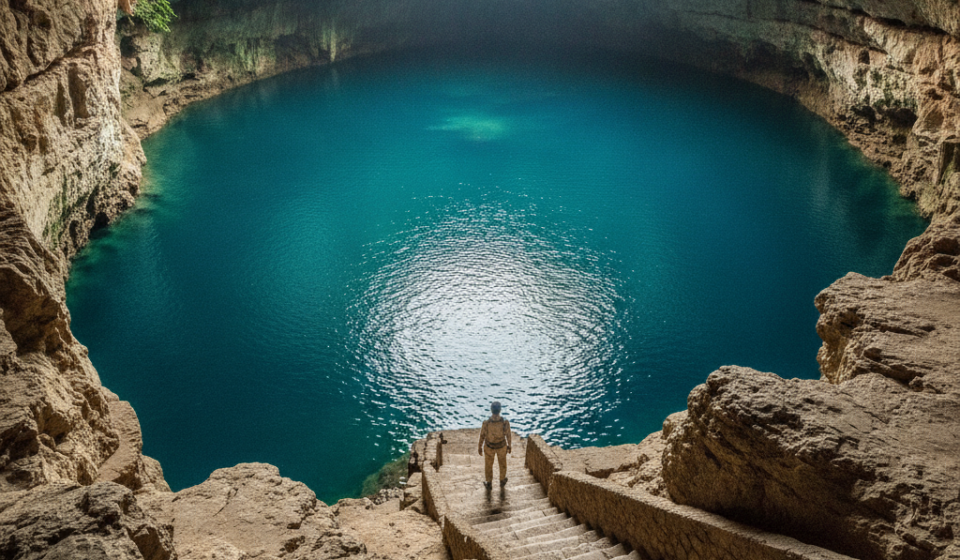
- The Cave Descent: The pool sits at the bottom of a cave structure, requiring a descent via a series of concrete steps.
- Mysterious Depths: The water appears strikingly blue, and its depth remains unmeasured by standard equipment, adding to the sense of mystery.
- Respectful Observation: Photography is permitted, though visitors should remain mindful of the spiritual significance the site holds for the local community. It is not a place for loud recreation but rather for observation and reflection.
The clarity of the water at Bhimkund is a natural phenomenon that defies simple explanation, leading many to regard the location as a true hidden gem of central India.
Essential Travel Logistics
Preparation is the hallmark of a successful trip to rural Madhya Pradesh. Because the area lacks major tourist infrastructure, travelers must be self-sufficient. Carrying sufficient drinking water and basic supplies is necessary, as local vendors are scarce. Communication signals can also be intermittent, so downloading offline maps is advised. Respect for local customs is expected; dressing modestly and keeping the area clean are the most important guidelines for all guests.
- Confirm vehicle bookings at least two days in advance.
- Pack high-energy snacks and sufficient water for the day.
- Carry sufficient cash, as digital payment options are rarely available in remote villages.
- Ensure all electronic devices are fully charged before leaving the hotel.
Safety Considerations for Travelers
Safety remains the primary priority when visiting natural sites. The steps leading down to the water can be slippery, especially during humid or wet weather. While the water appears inviting, swimming is discouraged and, in many instances, prohibited due to the unknown depth and potential currents within the subterranean system. Visitors should stay within the designated viewing areas at all times. If traveling alone, it is advisable to inform the hotel or local authorities of the intended itinerary before departure. Staying with a local guide or a trusted driver adds a significant layer of security to the excursion.
Nearby Attractions to Explore
Because the visit to the cave typically takes only a few hours, most travelers pair it with other regional sites. The most obvious inclusion is the Khajuraho Group of Monuments. These temples, famous for their intricate nagara-style architecture, provide a stark contrast to the natural, unadorned beauty of the cave. Other options include the Panna National Park, where wildlife enthusiasts can seek out tigers and various bird species. Creating a multi-day itinerary allows for a broader appreciation of the region beyond the singular attraction of the cave.
To help plan your broader Madhya Pradesh itinerary, here is a comparison of key attractions located near Bhimkund:
| Nearby Attraction | Approx. Distance | Primary Highlight | Ideal Visitor Type |
|---|---|---|---|
| Khajuraho Temples | 80 km | Stunning UNESCO World Heritage Hindu and Jain temples | History and architecture buffs |
| Panna National Park | 70 km | Tiger reserve with rich wildlife safaris and pristine forests | Wildlife enthusiasts and photographers |
| Raneh Falls | 95 km | Spectacular multi-colored canyon formed by the Ken River | Nature lovers and geologists |
For those seeking to maximize their regional exploration, we recommend visiting TravelDham to learn about customized itineraries that integrate both historical and natural sites in Madhya Pradesh.

Conclusion
Bhimkund represents the unique character of central India. It is a location that requires effort to reach, but the reward is a genuine encounter with an enigmatic geological wonder. By following the guidance in this Bhimkund travel guide, one can ensure the trip is both respectful and memorable. Whether interested in the mythological history or simply the allure of the deep blue water, the journey to Chhatarpur offers a rewarding experience for any dedicated traveler. Planning ahead, respecting the local environment, and keeping an open mind will turn a simple day trip into a highlight of any Madhya Pradesh tour.