The Ultimate Breng Valley Travel Guide: How to Explore Kashmir’s Hidden Paradise of Springs and Passes

Kashmir holds many well-known destinations, but the Breng Valley remains a quiet sanctuary for those who seek authentic experiences away from the common tourist trail. This region, defined by pristine springs and rugged mountain passes, offers a glimpse into a side of the Himalayas that remains largely untouched by modern mass tourism. Securing a reliable Breng Valley travel guide is essential for any visitor planning to navigate this remote terrain. The valley presents an opportunity to engage with local culture and natural landscapes in a profound way.
Key Takeaways
- Hidden Gem of Kashmir: Breng Valley is one of the region’s most preserved destinations, famous for its freshwater springs, dense forests, and alpine passes.
- Perfect for Slow Travel: Lacking commercialized crowds, it is best explored through homestays, trekking, and local interactions.
- Crucial Logistics: Private transport from Anantnag is recommended, and pre-downloaded offline maps are necessary due to limited cellular coverage.
- Seasonal Timing: Spring to summer (April–June) is best for lush meadows, while autumn (September–November) offers stunning golden foliage.
Understanding the Geography of Breng Valley
The Breng Valley is situated in the Anantnag district of Jammu and Kashmir. It serves as a vital bridge between the plains and the higher mountain passes leading toward Chenab Valley. The geography consists of fertile valleys, dense pine forests, and numerous natural water bodies that shape daily life for the local communities.
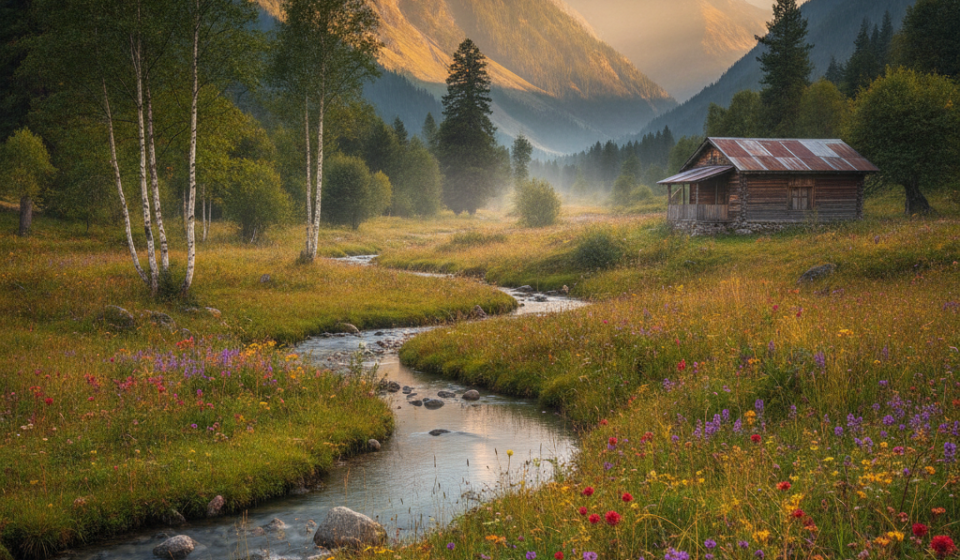
Visitors often describe the landscape as a mix of lush meadows and stark alpine heights. Understanding this layout is crucial for any effective Breng Valley travel guide, as the terrain is divided into distinct elevation zones:
- The Valley Floor: Stays relatively low, allowing for thriving agriculture, local fruit orchards, and small village settlements.
- The Upper Slopes: Shift into higher elevations dense with evergreen pine and fir forests.
- The Mountain Passes: High-altitude rocky terrains once used exclusively by nomadic herders, providing vital routes connecting to neighboring valleys.
Movement across the region depends heavily on the seasonal condition of these mountain passes.
Essential Logistics and Preparation
Preparation for a trip to such a remote area requires attention to detail. Infrastructure here is limited compared to major hubs like Srinagar or Pahalgam. Travelers should focus on self-sufficiency and respect for the local environment.
- Permits: While the region is generally accessible, always verify if restricted area permits are necessary for specific trekking routes near the border zones.
- Transport: Private cabs are the most reliable way to reach the valley from Anantnag. Public buses are available but operate on irregular schedules.
- Accommodation: Homestays are the primary lodging option. They provide an authentic look at local hospitality but offer basic amenities.
- Connectivity: Mobile networks can be spotty. Download offline maps and keep a physical compass or map for remote hikes.

Key Natural Attractions and Landmarks
The valley is most famous for its natural water sources, known locally as springs. These are not merely attractions; they are the lifeblood of the valley. Kokernag and Achabal are the most prominent sites, but smaller, hidden springs dot the hillsides.
| Site Name | Primary Feature |
|---|---|
| Kokernag | Large trout stream and extensive rose gardens |
| Achabal | Mughal-era garden with natural spring architecture |
| Daksum | High-altitude meadow gateway for mountain trekking |
Daksum deserves special mention in any comprehensive Breng Valley travel guide. It serves as the staging ground for those looking to reach the Sinthan Top. The road leading through this area offers dramatic changes in scenery, moving from orchards and farmlands to dense evergreen forests and, eventually, the high-altitude rocky terrain of the pass itself.
Seasonal Considerations for Travel
Timing your visit determines the quality of your experience. The valley changes drastically with the seasons, impacting both access and activity options.
Spring and summer, between April and June, provide the best conditions for exploring the lower meadows. The flowers bloom, and the weather remains mild. July and August bring the monsoon, which can make travel on mountain passes treacherous due to mudslides. Autumn, from September to November, offers clear skies and the striking colors of the changing leaves. Winter, while beautiful with heavy snow, effectively shuts down most of the high-altitude routes and makes the valley accessible only to those fully equipped for extreme cold.
| Season | Months | Weather & Conditions | Best Activities |
|---|---|---|---|
| Spring & Summer | April – June | Mild and pleasant (15°C to 25°C), blooming flowers | Meadow exploration, sightseeing at springs, trekking |
| Monsoon | July – August | Humid with occasional heavy rainfall; risk of landslides | Low-altitude walks, indoor cultural experiences |
| Autumn | September – November | Crisp, clear skies, golden foliage, cooling temperatures | Photography, high-altitude trekking, bird watching |
| Winter | December – March | Freezing temperatures, heavy snowfall, blocked passes | Snow photography, experiencing local winter lifestyle |

Cultural Etiquette and Local Interactions
The communities living in Breng Valley are deeply connected to their land and traditions. Respecting local norms is not just polite; it is necessary for a smooth journey. Dress modestly, particularly when visiting village areas or religious shrines. Always ask for permission before taking photographs of individuals or the interiors of private homes.
Hospitality in this region is often expressed through tea. Accepting a cup of Noon Chai or Kahwa when offered by a local family is a gesture of mutual respect and an essential part of the cultural exchange.
Engaging with residents can also provide insights that no Breng Valley travel guide can capture. Local shepherds or shopkeepers are often the best sources of information regarding trail conditions or upcoming weather changes in the higher altitudes.
Activities for the Adventurous Traveler
While sightseeing at the springs is rewarding, the valley truly shines for outdoor enthusiasts. An ideal itinerary designed with a comprehensive Breng Valley travel guide balances active pursuits with quiet reflection, offering several key activities:
- Trekking to Sinthan Top: This high-elevation pass acts as a scenic connector to Kishtwar. It is a challenging journey that rewards hikers with spectacular, panoramic views of the surrounding snow-capped peaks.
- Photography and Bird Watching: The lush riverbanks and dense pine forests are home to diverse avian species, making it a paradise for nature photographers.
- Trout Fishing: The cold, pristine streams flowing through the valley are famous for trout. Visitors can easily arrange guided fishing experiences in permitted zones.
FAQs
Is it safe to visit the Breng Valley?
The valley is generally safe for tourists. As with any remote travel, stay informed about the latest security advisories for the Anantnag district and maintain a low profile.
What should I pack for a trip to the valley?
Pack layers, as temperatures fluctuate significantly between the valley floor and the mountain passes. Include sturdy waterproof boots and a personal first-aid kit.
Can I find guides for trekking in the area?
Yes, local guides are available in major village centers like Kokernag. They are highly recommended for any treks involving higher altitudes or crossing mountain passes.
Conclusion
The Breng Valley represents a rare opportunity to see Kashmir beyond the postcards. It demands patience and a degree of preparation, yet it rewards the traveler with raw beauty and authentic cultural connections. By utilizing this Breng Valley travel guide as a foundation for your planning, you can ensure a journey that is both respectful to the local environment and deeply memorable for yourself. For those interested in exploring similar regions, our Kashmir tour packages provide structured ways to visit these hidden gems with expert support.