The Ultimate Little Andaman Travel Guide: How to Experience India’s Untamed Surfing and Waterfall Paradise

Little Andaman remains one of the most secluded jewels in the Bay of Bengal. Far removed from the crowded beaches of Havelock, this island offers a raw, unfiltered experience for those who prioritise solitude and nature over luxury resorts. A comprehensive Little Andaman travel guide is essential, as the island functions differently than the more commercialised parts of the Andamans. Access is restricted, infrastructure is basic, and the pace of life is dictated entirely by the sun and the tide.
Key Takeaways for Your Trip
- Secluded & Raw: Expect minimal infrastructure, limited mobile connectivity, and untouched natural beauty.
- World-Class Surfing: Butler Bay is renowned globally for its consistent and challenging surf breaks.
- Logistical Planning: High reliance on government ferries from Port Blair; carrying ample cash is non-negotiable.
- Unique Attractions: From trekking to pristine waterfalls like White Surf to relaxing on golden crescent beaches.
Understanding Little Andaman
Located at the southern end of the Andaman archipelago, this island serves as the gateway to the Nicobar Islands. It is not a place for high-end travellers looking for five-star amenities. Instead, it attracts surfers, backpackers, and those seeking an authentic connection with a tropical landscape that has changed little over the past several decades. The island is roughly 700 square kilometres in size, but only a small portion is easily accessible to visitors.
When preparing for your arrival, keep these unique geographical and cultural traits of the island in mind:
- Isolated Journey: Reached primarily via ferry from Port Blair, emphasizing its remote location.
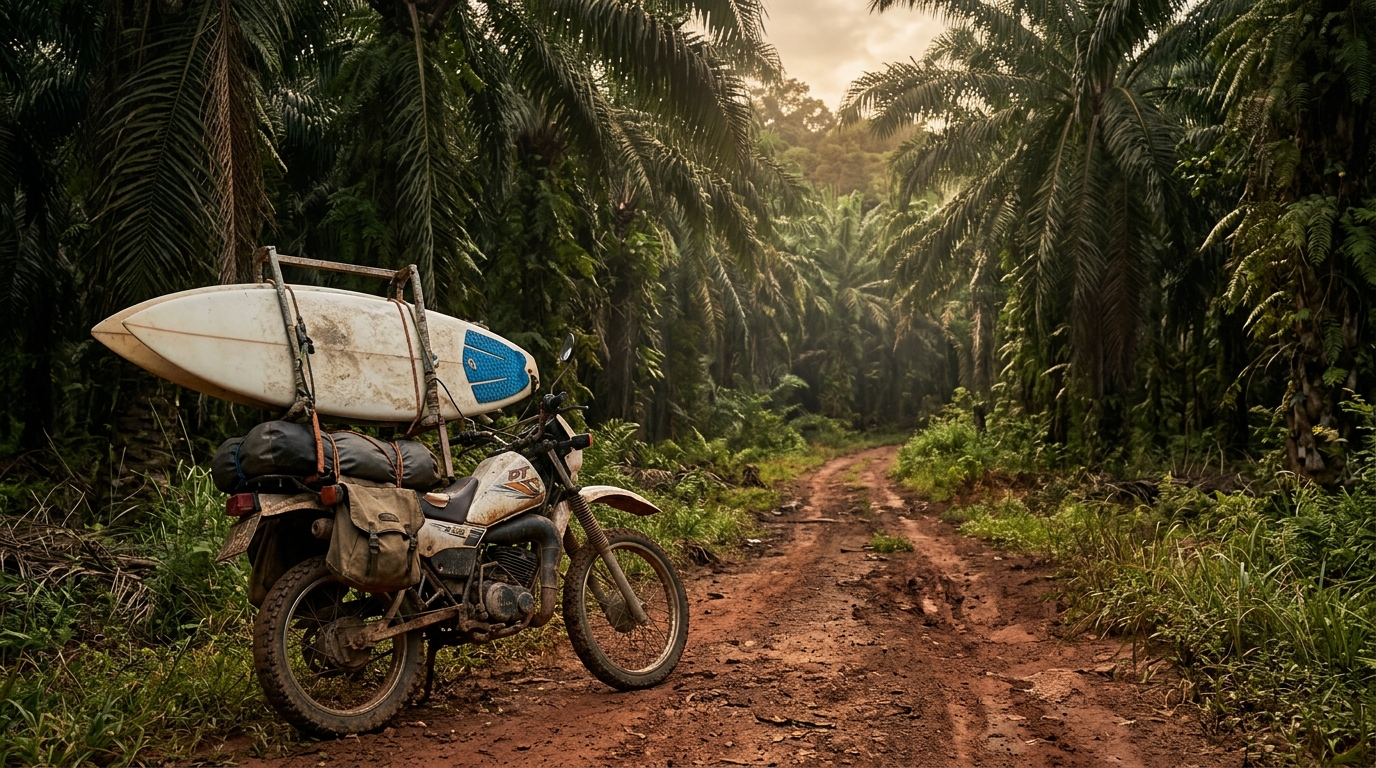
- Striking Landscapes: Defined by dense tropical jungles, vast red oil palm plantations, and untouched shores.
- Indigenous Protection: Certain zones are strictly restricted to protect the Onge tribe, who have lived here for thousands of years.
Best Time to Visit
Choosing when to visit is the most important decision for any trip to this region. The weather pattern is typical of tropical island climates, characterised by high humidity and heavy monsoon rains.
- Peak Season: December to February. This is when the weather is coolest and the seas are calmest.
- Surfing Season: March to May. While the heat rises during these months, the swell quality reaches its peak.
- Monsoon: June to September. Heavy rains make travel difficult, and most ferry services are frequently cancelled.
Getting There and Around
Reaching the island requires patience. The primary connection remains the government-operated ferry service from Port Blair. These ships can be unreliable, so maintain a buffer in your itinerary.
| Transport Method | Description |
|---|---|
| Government Ferry | The standard way to reach Hut Bay from Port Blair. |
| Helicopter | Available for emergency or priority travel if permitted by the local administration. |
| Motorbike Rental | The most flexible way to explore the island interior. |
| Auto-Rickshaw | Common for short distances between the jetty and accommodation. |
To navigate the island successfully after docking at the Hut Bay jetty, consider the following transit realities:
- Immediate Rental: You will likely need to hire a motorbike immediately upon arrival.
- Sprawling Distances: Major attractions, waterfalls, and surf breaks are separated by long, empty, palm-lined roads.
- No Walking: The island’s geography makes walking unfeasible for a complete exploration.
Top Experiences on the Island
The allure of this destination lies in its quiet power. Unlike more tourist-heavy spots, here the attractions require some physical effort and an adventurous spirit. The lack of crowds means you will often have these sites entirely to yourself.
| Attraction | Type | Key Feature | Best For |
|---|---|---|---|
| Butler Bay Beach | Beach / Surf Point | Crescent golden sand with world-class reef breaks | Surfing, sunbathing, long walks |
| White Surf Waterfall | Waterfall | Easily accessible freshwater cascades in lush forest | Swimming, photography, relaxation |
| Whisper Wave Waterfall | Waterfall | Secluded falls deeper in the jungle, requiring a trek | Trekking, adventure seekers |
Surfing the Untamed Breaks
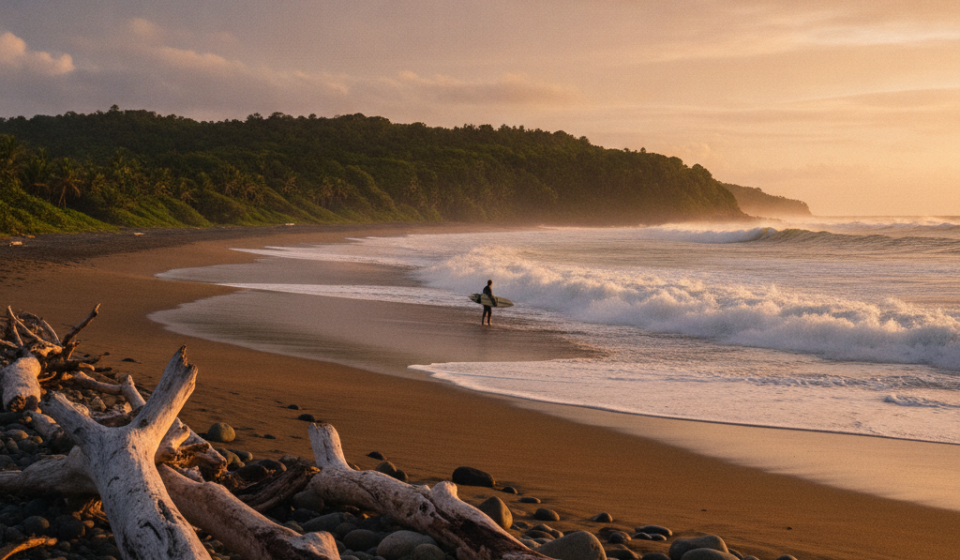
The island has gained a global reputation among surfers for its consistent, high-quality breaks. Butler Bay is the primary location where the waves cater to both intermediate and experienced surfers. If you plan to surf, bring your own board if possible, as high-quality rental gear can be scarce or inconsistent.
Visiting the Waterfalls
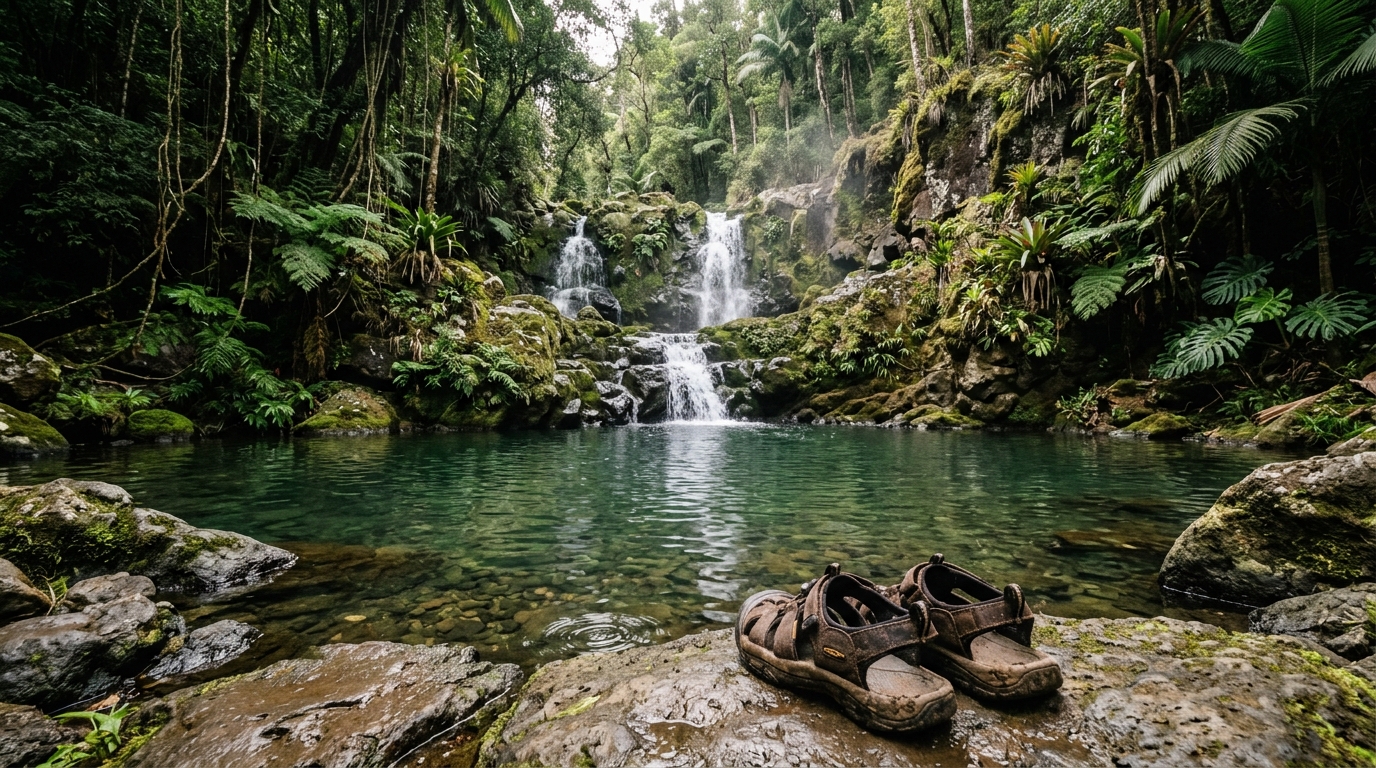
White Surf Waterfall and Whisper Wave Waterfall are the main inland draws. Getting to them involves trekking through dense forest trails. It is strongly advised to hire a local guide, as the paths can be confusing, especially after the afternoon rains. These spots provide a welcome freshwater escape from the salty humidity of the coast.
Exploring the Beaches
Butler Bay Beach is the crown jewel of the island. Its crescent shape and golden sands are backed by dense vegetation. Because the island sees so few visitors, you can walk for kilometres without seeing another person. Remember that swimming conditions can vary wildly due to strong currents, so always ask locals about the safety of the water before heading in.
Practical Travel Tips
Preparing for a trip here requires a different mindset than planning for a mainland holiday. The infrastructure is minimal, and self-reliance is your greatest asset.
- Carry Cash: ATMs are extremely rare and often non-functional. Ensure you carry enough currency to last the entire duration of your stay.
- Connectivity: Expect very limited mobile network coverage. BSNL is the only provider that functions with any consistency. Treat this as an opportunity to disconnect from the digital world.
- Permits: While Indian nationals do not require a special permit to visit, foreign nationals must ensure their Restricted Area Permit (RAP) is in order upon arrival in Port Blair.
- Respect Local Culture: Always ask for permission before taking photographs of local residents or settlements.
Accommodation Options
Do not search for luxury hotels. Accommodation on the island consists primarily of simple eco-huts, homestays, and budget guesthouses. These places are designed to be functional rather than indulgent. Most are located near the Hut Bay area or along the road leading to Butler Bay.
Living on the island is a lesson in simplicity. Power can be intermittent, running water is a luxury, and the menu at your guesthouse will be defined by whatever the local boat caught that morning.
Because the capacity is low, booking your stay at least a few weeks in advance is essential. If you arrive without a reservation during the peak season, you risk having nowhere to sleep. Reach out to local homestay operators directly to secure your spot.
Conclusion
Little Andaman is not for everyone. If you require air-conditioned rooms, fast internet, and nightlife, you will find this island frustrating. But if you value untamed nature, world-class waves, and the rare experience of true solitude, it is unmatched. By respecting the local environment and planning for the logistical realities of the region, you can access one of the last truly wild corners of India. Take your time, slow your pace, and let the island set your schedule.