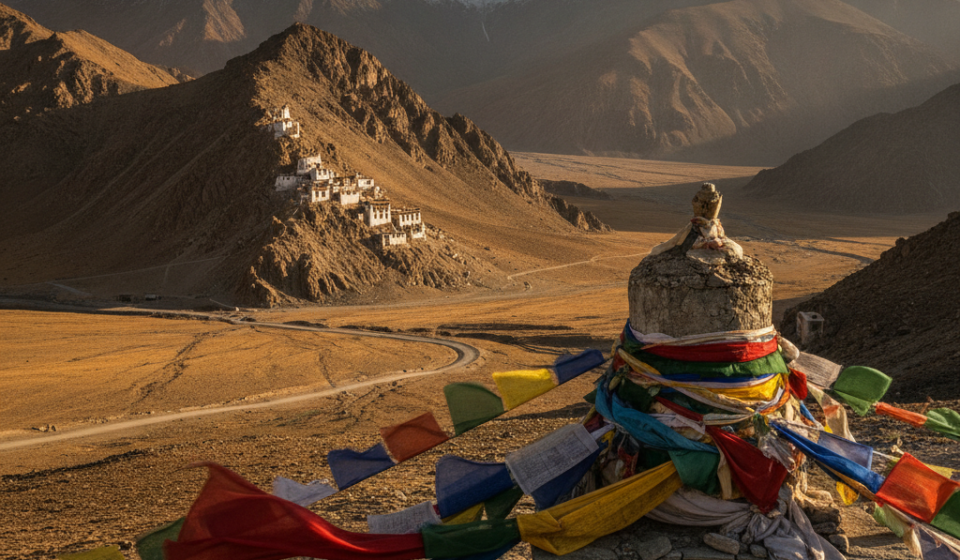

India offers vast landscapes that extend far beyond the standard tourist circuits. While iconic monuments and bustling cities draw millions each year, a quieter side of the country remains waiting for those who look past the surface. Exploring hidden places in india requires a shift in perspective, moving away from overcrowded hotspots toward regions where tradition and nature persist undisturbed. These locations provide genuine encounters with local life, landscapes, and histories that have not yet been diluted by mass tourism.
Key Takeaways
- Authentic Experiences: Venturing to offbeat locations facilitates deeper connections with local cultures away from commercial crowds.
- Environmental Conservation: Choosing lesser-known sites reduces the pressure of overtourism on fragile ecosystems.
- Diverse Geography: India’s hidden gems range from high-altitude cold deserts to dense tropical forests and river islands.
- Responsible Travel: Journeying to remote areas demands mindful practices like waste reduction and supporting local communities.
Why Seek Out Offbeat Destinations
Travelers often find that the most profound experiences occur away from the primary guidebook recommendations. When visiting mainstream sites, the focus frequently shifts toward logistics and managing crowds rather than engaging with the surroundings. Seeking out hidden places in india changes the dynamic of a journey. It allows for a slower pace, fostering deeper connections with the environment and the people encountered along the way.
- Reduced environmental impact on heavily visited landmarks
- More authentic interactions with local communities
- Opportunities to observe rare wildlife and undisturbed ecosystems
- Support for rural economies that often lack exposure
There is also an intellectual challenge involved in planning a trip to a lesser-known destination. Embracing this journey requires specific mindsets:
- Extensive Research: Digging deeper into local transport, permits, and customs.
- Inherent Flexibility: Adapting to unpredictable schedules and local conditions.
- Stepping Outside Comfort Zones: Welcoming basic amenities in exchange for unmatched authenticity.
Those who choose this path are rewarded with a sense of discovery that is difficult to replicate in high-traffic regions. It is an investment in time that pays dividends through unique memories and a broader understanding of the Indian subcontinent.
Top Regions for Hidden Gems
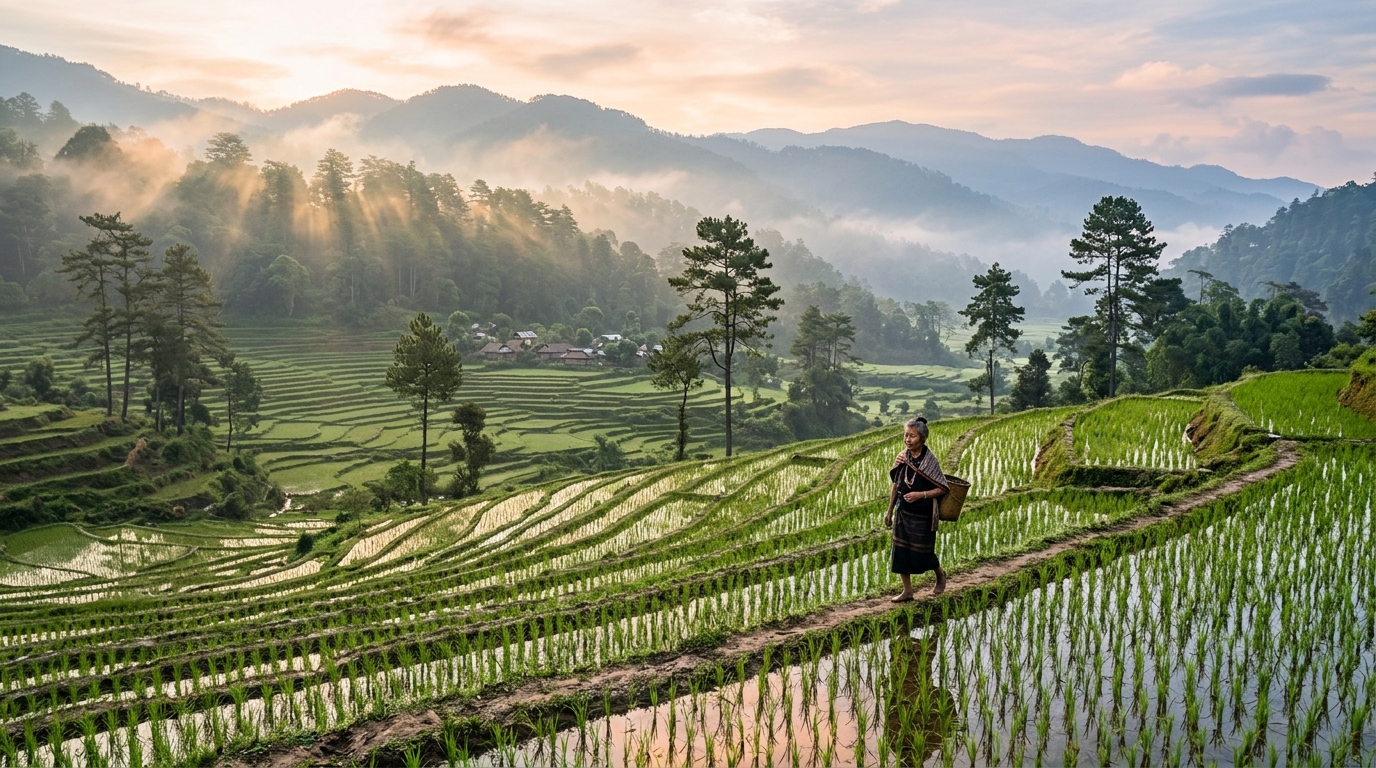
Geographic diversity ensures that every corner of the country hides something distinct. From the high-altitude deserts of the north to the tropical backwaters of the south, these hidden places in india offer vastly different experiences. Identifying these areas involves considering both the climate and the cultural nuance of each state.
| Region | Characteristics | Best Time to Visit |
|---|---|---|
| Spiti Valley | High-altitude, desert, Buddhist culture | June to September |
| Ziro Valley | Lush green, tribal heritage, hills | March to October |
| Majuli Island | River island, neo-Vaishnavite culture | October to March |
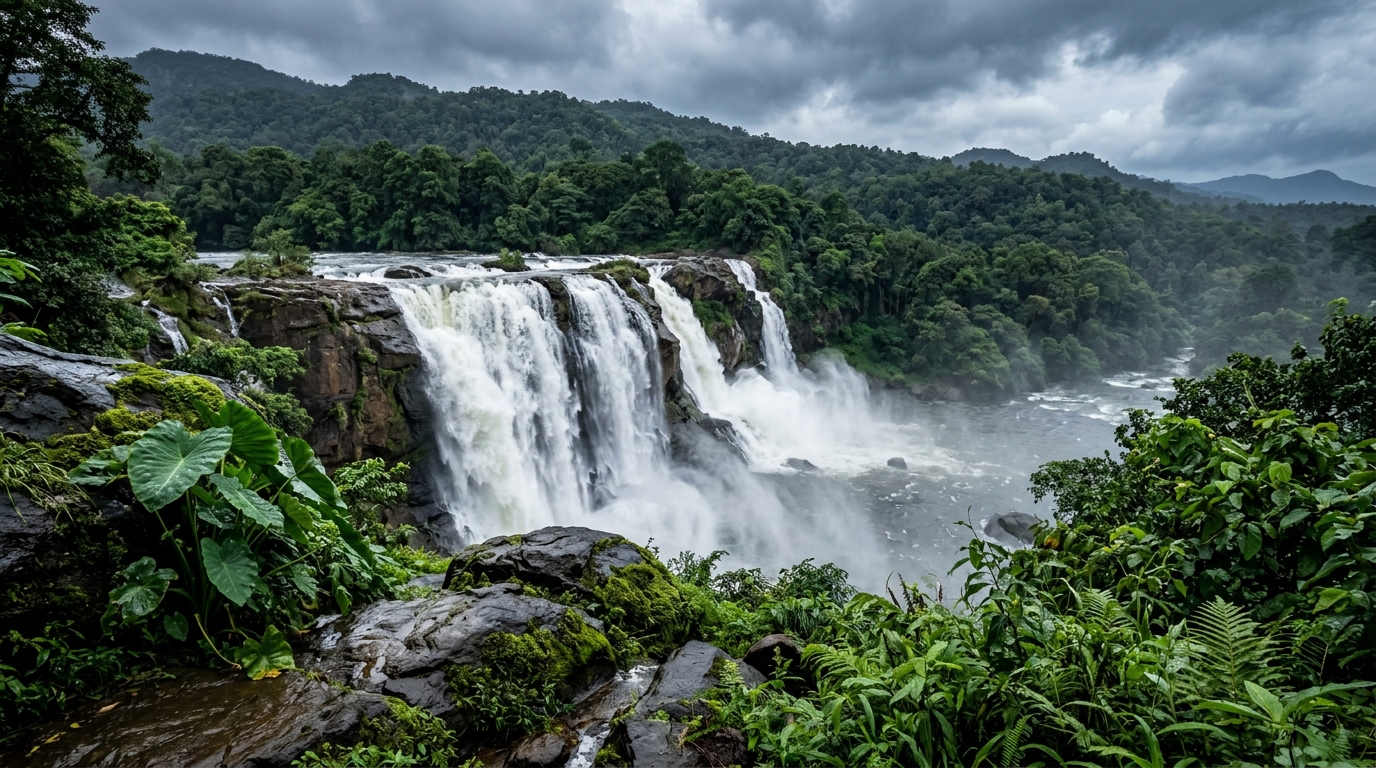
| Gavi | Dense forest, eco-tourism, wildlife | September to February |
Each of these regions serves as a gateway to a side of the country rarely depicted in traditional media. Whether it involves trekking through a Himalayan pass or navigating the river systems of the northeast, the focus remains on immersion rather than sightseeing. These areas are not just places on a map; they are living, breathing environments that demand respect and careful stewardship.
Sustainable Travel in Remote Areas
The decision to visit isolated locations comes with an inherent responsibility. Many of these regions operate on fragile social or ecological balances. As interest in hidden places in india increases, maintaining the integrity of these environments becomes crucial. Sustainable travel is not merely a preference; it is a necessity for the preservation of these communities.
True exploration is not about finding new lands but about seeing the world with new eyes. Protecting the sanctity of remote regions ensures they remain available for generations to come.
To ensure your footprint remains minimal, adopt these essential practices while exploring remote zones:
- Manage Non-Biodegradable Waste: Carry plastic wrappers, bottles, and batteries back to cities with proper recycling facilities.
- Support Local Economies: Choose locally-owned homestays, hire local guides, and purchase regional handicrafts directly.
- Respect Cultural Sensitivities: Seek permission before taking photographs of residents, and dress appropriately for religious spaces.
Engaging with the local culture should always be done with sensitivity, ensuring that the presence of visitors remains a positive force.
Preparation and Logistics
Venturing into lesser-known territories requires a different approach to preparation compared to a conventional holiday. Many of these hidden places in india lack the extensive travel networks found in major cities. Researching transport options, weather conditions, and necessary permits is a prerequisite for a smooth experience.
- Assess the seasonal accessibility of the destination.
- Obtain any required permits, especially in border areas or protected forests.
- Book accommodations that emphasize local sustainability.
- Pack gear appropriate for the specific climate and terrain.
- Keep flexible plans to account for unexpected weather or transport changes.
Before setting off, refer to this quick permit and logistics reference table to ensure hassle-free entry:
| Destination | Permit Requirement | Processing Details | Access Seasonality |
|---|---|---|---|
| Spiti Valley | ILP required for foreign nationals near Tibetan border | Issued at Shimla, Kaza, or Reckong Peo (1 day) | Roads closed in heavy winter; plan for June to September |
| Ziro Valley | ILP for domestic tourists; PAP for foreign nationals | Apply online or at state offices (2 to 5 days) | Accessible year-round; festival season is crowded |
| Majuli Island | No special permit required for domestic or foreigners | Not applicable | Subject to monsoon ferry disruptions (July to September) |
| Gavi | Forest Department entry permit required | Book online via Kerala Forest Dept or at Vallakkadavu checkpost | Open year-round; forest entry restricted after dark |
Reliable internet access and cellular coverage can be inconsistent in remote areas. Preparing offline maps and carrying sufficient cash are practical steps that help mitigate common difficulties. A well-planned trip does not mean every detail must be rigid. Instead, it means being prepared for the realities of traveling through regions where infrastructure is designed for the local population rather than the seasonal tourist.
Conclusion
India continues to surprise those willing to venture beyond the familiar. The journey to these hidden places in india is often as transformative as the destination itself. By prioritizing sustainability and cultural respect, travelers gain more than just a passport stamp or a photograph; they gain a clearer perspective on the diversity of the world. The search for these quiet corners remains one of the most rewarding endeavors in modern travel. Exploring our travel services can help facilitate the planning process for these unique adventures.