
India is a vast geography defined by more than its well-worn tourist trails. While the Golden Triangle and coastal hubs remain popular, the true character of the subcontinent resides in remote corners, quiet valleys, and ancient settlements that remain largely untouched by mass tourism. Seeking out offbeat destinations in India provides a unique opportunity to engage with local traditions and landscapes without the crowds that often define mainstream travel. This guide highlights regions where authenticity outweighs commercial appeal.
Key Takeaways
- Genuine Cultural Exchange: Traveling to lesser-known locations allows for authentic interactions with indigenous communities.
- Environmental Sustainability: Offbeat travel minimizes the ecological footprint on overcrowded, fragile ecosystems.
- Economic Diversification: Spending money in rural destinations directly supports local, family-owned businesses and homestays.
- Unique Terrains: From the high-altitude valleys of the Himalayas to quiet coastal ports, these hidden spots offer pristine, untouched landscapes.
- Preparation is Essential: Visiting remote areas requires advance planning for limited connectivity, weather changes, and local permits.
The Appeal of Unexplored Territories
Mainstream tourism creates a predictable cycle. While popular cities receive consistent investment and infrastructure, they suffer from challenges that offbeat areas successfully avoid:
- Environmental Strain: High tourist density places immense pressure on local water, waste, and energy systems.
- Cultural Dilution: Commercialization often replaces authentic local traditions with standardized tourist experiences.
- Lack of Tranquility: Crowded attractions make it difficult to find genuine peace and quiet.
In contrast, traveling to lesser-known locations rewards the visitor with genuine interactions, homestays, community-led initiatives, and preserved ecosystems.
Choosing to visit these areas supports economic diversification in rural sectors. Travelers who venture beyond the common routes contribute to the preservation of heritage sites that do not receive state-level attention. It is a form of travel that prioritizes long-term sustainability over quick snapshots. Here are primary benefits of choosing quieter routes:
- Reduced environmental footprint on sensitive ecosystems.
- Deeper engagement with indigenous customs and dialects.
- Economic support for local, family-owned businesses.
- Access to historical sites without the pressure of tourism management.
High-Altitude Retreats in the Himalayas
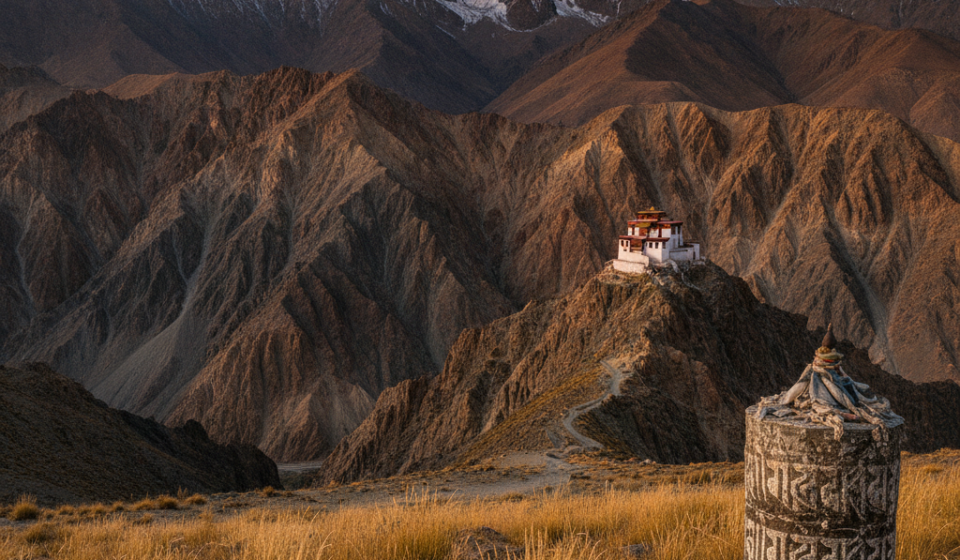
The Himalayan range offers more than just the well-known stations of Shimla or Manali. High-altitude hamlets, particularly in the northern reaches, provide isolation and dramatic perspectives of the mountain landscape. These areas are reachable only through careful planning and are best suited for those who appreciate rugged conditions.
Spiti Valley, while gaining popularity, still retains a stark, desolate beauty that feels distant from the humid plains. Further east, the state of Sikkim contains pockets of land where monasteries sit atop ridges surrounded by dense forests. Visitors here often find that the pace of life slows considerably.
| Destination | Region | Primary Attraction |
|---|---|---|
| Kalpa | Himachal Pradesh | Views of Kinner Kailash range |
| Zuluk | Sikkim | Winding high-altitude roads |
| Gurez Valley | Kashmir | Isolated river-based landscapes |

Hidden Cultural Gems of Northeast India
The northeastern states remain the most geographically and culturally distinct segment of the country. Many offbeat destinations in India are found within these borders, largely because the terrain and limited connectivity have kept mass tourism at bay. This region is home to over 200 distinct tribes, each maintaining specific traditions, music, and agricultural practices.
The Northeast boasts unique landmarks where human ingenuity integrates seamlessly with nature:
- Meghalaya’s Living Root Bridges: Hand-grown from the roots of Ficus elastica trees, these bio-engineered bridges span rushing rivers.
- Secluded Trails: While Cherrapunji sees steady footfall, neighboring villages offer quiet pathways leading to pristine, hidden waterfalls.
- Nagaland’s Cultural Festivals: Celebrations that openly display the rich heritage, music, and social fabric of local tribes.
Travelers looking to explore this region should consider the following:
- The need for Inner Line Permits (ILP) for restricted areas.
- Respecting community-led rules regarding photography and sacred groves.
- The benefit of hiring local guides who provide context for cultural practices.
Coastal Serenity Away from Crowds
Coastal India is synonymous with Goa and Kerala, but smaller beaches and fishing villages provide a different experience. Along the southern coast of Karnataka or the northern stretches of Odisha, one finds shorelines that are not lined with shacks or commercial water-sports operators. These locations prioritize quiet reflection and observation of the local maritime life.
The Konkan coast, for instance, contains several fortresses that sit directly on the water, offering views of the Arabian Sea that are largely devoid of tourists. In these zones, the primary sound is the tide rather than the noise of beach-side venues. Visitors who enjoy coastal environments but avoid the bustle of the major hubs find that these smaller ports offer the best balance of scenery and solitude.
True exploration is not about finding new lands, but about seeing familiar geography with new eyes and reaching places where the noise of the modern world fades away.
Practical Considerations for Remote Travel
Venturing to offbeat destinations in India requires a shift in expectations regarding infrastructure. Digital connectivity is often inconsistent, and banking services may be limited to local cooperative outlets. Travelers must prioritize self-sufficiency and preparation when moving away from urban centres.
For those interested in exploring these remote locations, we encourage you to review our current custom itinerary planning service. We help align your travel goals with the realities of these regions, ensuring that your journey is as smooth as possible. Additionally, our specialized guided tours provide essential local access to areas where navigation is challenging.
To assist with your trip preparation, review this comparison of key offbeat regions:
| Region | Best Time to Visit | Accessibility & Terrain | Connectivity & ATMs |
|---|---|---|---|
| Himalayan Hamlets (e.g., Kalpa, Spiti) | May to October (avoid monsoon/heavy winter) | Rugged mountainous roads; high-altitude planning required | Highly inconsistent; cash is absolutely mandatory |
| Northeast India (e.g., Meghalaya, Nagaland) | October to April (post-monsoon to spring) | Winding hill roads; requires Inner Line Permits (ILP) for some states | Moderate in towns, very poor in remote villages |
| Quiet Coastal Areas (e.g., Konkan Coast, Odisha) | November to February (cooler winter months) | Generally accessible via coastal highways and regional trains | Better than mountains, but digital payments remain limited |
Consider these logistical tips before departure:
- Carry sufficient physical currency as digital payments are not guaranteed.
- Pack lightweight medical kits, as remote villages may lack basic pharmacies.
- Confirm local transport availability well in advance, as public transit is limited.
- Understand that seasonal weather can suddenly make certain routes inaccessible.

Conclusion
The decision to seek out offbeat destinations in India is a commitment to a slower, more thoughtful style of discovery. By choosing to step away from the established paths, you gain access to landscapes that are physically rewarding and culturally enriching. These areas serve as a reminder that the most compelling travel stories are often found in places where the map offers very little detail. Preparation remains essential, but the reward is a deeper understanding of the vast complexity that defines the Indian landscape.