The Ultimate Kalaroos Caves Travel Guide: How to Visit Kashmir’s Mystical Caves and the ‘Tramline to Russia’

Kashmir offers more than just the famous houseboats of Dal Lake or the ski slopes of Gulmarg. Tucked away in the Kupwara district lies a site shrouded in mystery and folklore. The Kalaroos Caves travel guide provides an essential overview for those seeking to understand these ancient geological formations and the legends surrounding the mythical Russian connection. Visitors to this region often find themselves balancing the thrill of exploration with the quiet reality of remote mountainous terrain.
Key Takeaways
- Focus: A comprehensive Kalaroos Caves travel guide to help you explore Kashmir’s mysterious underground network safely.
- The Legend: Local lore links these caves to a secret passage (“Tramline to Russia” / Qila-e-Roos), though there is no scientific proof.
- Best Time to Visit: Plan your trip between May and October to avoid hazardous winter snows.
- Guided Trek: A local guide is highly recommended due to unmarked trails and complex cave structures.
- Preparation: Prioritize safety with proper trekking gear, headlamps, and official local permissions.
Understanding the Kalaroos Caves
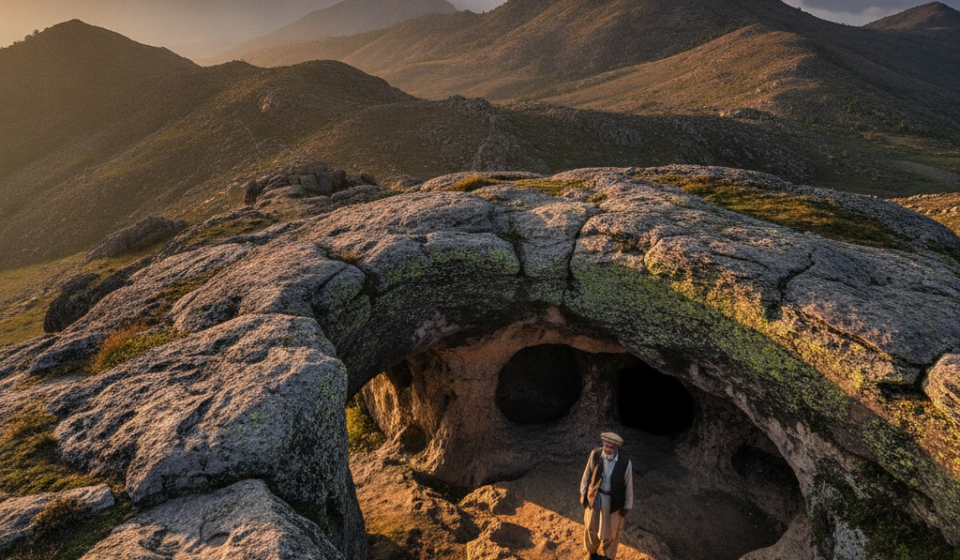
The Kalaroos Caves are a complex network of caverns located near the village of Kalaroos. Geologically, these are natural limestone formations that have been carved over millennia by water and tectonic movement. While their true history remains a subject of ongoing study, they have gained significant local fame due to the legend of a secret passage reaching all the way to Russia. This narrative, while fascinating, is not supported by scientific evidence. Regardless of the myth, the site remains a point of interest for researchers and adventure seekers alike.
The name Kalaroos itself is thought by some to be a derivative of Qila-e-Roos, which translates to Russian Fort. The site holds several fascinating details:
- Name Origin: Derived from ‘Qila-e-Roos’, suggesting historical ties or myths related to a Russian Fort.
- Cave Network: Comprises multiple openings with varying levels of physical and technical difficulty.
- Historical Theories: Locally believed to have served as ancient supply lines, escape routes, or secret military outposts.
- Physical Demands: Rugged terrain that requires solid physical stamina and a genuine interest in off-the-beaten-path destinations.
| Cave Opening | Accessibility Level | Key Features & Legends |
|---|---|---|
| Lower Caves | Easy to Moderate | Easily reachable from the village base; suitable for casual explorers. |
| Mid Caves | Moderate | Features unique limestone structures; requires a short uphill trek. |
| Upper Caves (Russian Tramline) | Difficult | The core of the “Qila-e-Roos” legend; highly dangerous without proper gear and guides. |
Best Time to Visit
Kupwara is a high-altitude district where weather patterns can change rapidly. Selecting the right window for your trip is critical for safety and enjoyment. You must plan your visit during the warmer months to avoid the heavy snows that isolate much of the region during winter.
- Summer (May to August): The most reliable period. Temperatures remain pleasant, and roads are typically clear of snow.
- Autumn (September to October): Offers stunning views of the changing foliage. Mornings can be quite cold, so packing layers is necessary.
- Winter (November to April): Generally discouraged for casual visitors due to heavy snowfall and potential road closures.
How to Reach the Caves
Reaching the caves requires a combination of travel methods. Here are the key details for planning your route:
- Distance: Approximately 90 kilometres from Srinagar to Kupwara.
- Starting Point: Most travellers begin their journey in Srinagar and hire a private vehicle for the remainder of the trip.
- Travel Time: The journey takes roughly 3 to 4 hours, depending on traffic and road conditions.
| Transport Method | Description |
|---|---|
| Private Taxi | Recommended for convenience and flexibility. Available in Srinagar. |
| Public Bus | Budget-friendly, though travel times are longer and less predictable. |
| Local Transport | From Kupwara town, you may need a local cab to reach the village of Kalaroos. |
Once you reach Kalaroos village, the final stage is often a trek. Depending on your level of fitness and the specific cave entrance you aim to visit, this hike can last between 45 minutes to 2 hours. Local guides are strongly recommended here as the trails are not marked and the terrain can be deceptive.

Essential Travel Tips for Exploring
Safety is the primary consideration when visiting remote sites like the Kalaroos Caves. The region is physically demanding and lacks the infrastructure found in more developed tourist hubs. Preparation is the difference between a successful expedition and a difficult situation.
Exploration of natural cave systems carries inherent risks, including unstable rock formations, limited oxygen levels, and difficult navigation. Never enter deep sections of the caves without proper equipment and an experienced guide.
Consider these points before you depart:
- Hire a Local Guide: This is non-negotiable. Locals know the terrain, the safe paths, and the current accessibility status of the caves.
- Carry Necessary Gear: Bring sturdy hiking boots, a high-quality headlamp with extra batteries, and a basic first-aid kit.
- Respect Local Culture: Kupwara is a conservative region. Dress modestly and seek permission from locals before photographing them or their property.
- Check Permissions: Always verify with local authorities in Kupwara regarding any security-related travel restrictions that might be in place at the time of your visit.
Safety and Security Considerations
Travel in border districts like Kupwara requires an awareness of the current security context. While the area is generally open to tourists, local regulations can shift based on broader regional developments. Before finalizing your plans, consult official sources such as the Government of Jammu and Kashmir website for the latest travel advisories. Maintaining a low profile and sticking to established tourist routes is the best practice for a smooth visit.

Conclusion
The Kalaroos Caves represent a unique facet of Kashmir’s topography and history. While the stories of a trans-continental passage remain firmly in the realm of myth, the reality of the landscape offers an authentic and challenging experience for the dedicated explorer. By prioritising safety, hiring local expertise, and respecting the environment, visitors can gain a deeper appreciation for this remote and mystical part of the Kashmir valley. For those looking to plan their visit, TravelDham services can assist in coordinating the necessary logistics for a secure and well-organized excursion.