
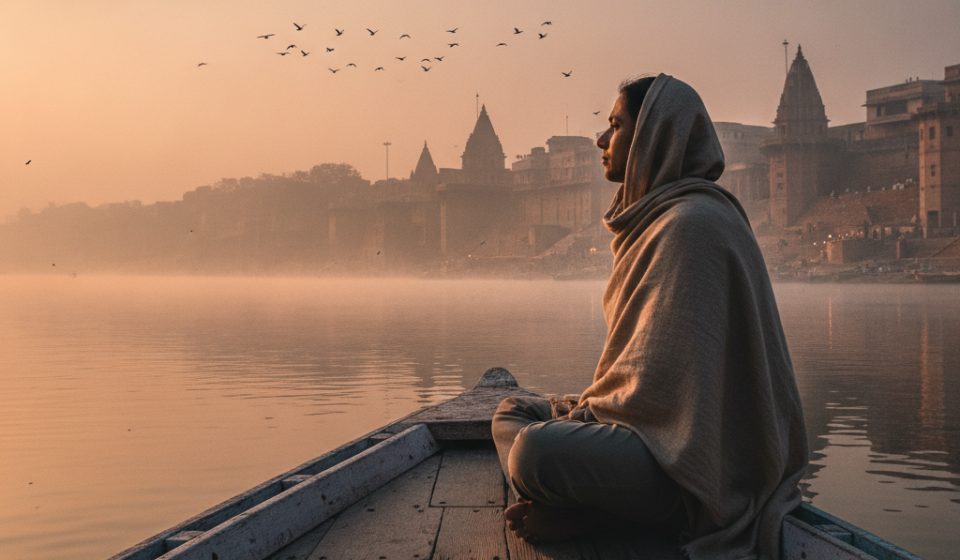
The Ultimate Guide to Psycho-Geographic Heritage Tourism Circuits in India: Exploring Your Inner Landscape Through Ancient Places

Travelers often seek destinations that promise physical rest, yet the most profound journeys are those that alter internal states. Ancient ruins, remote temples, and sacred rivers hold a unique power over the human mind. This physical and emotional connection forms the basis of psycho-geographic heritage tourism circuits in India. These routes are not merely paths of physical travel. They are deliberate geographical structures designed to evoke specific psychological and emotional shifts. By walking these ancient trails, visitors align their internal mental states with the historic energy of the physical terrain. This guide examines how these historical routes function as tools for inner exploration. It provides a structured analysis of the primary paths, the psychology of sacred spaces, and practical planning methods to help seekers find deeper purpose in their travels.
Key Takeaways
- Mind-Body Connection: Psycho-geographic heritage tourism circuits in India are designed to align physical movement with deep psychological transformation.
- Distinct Emotional Profiles: Different paths target distinct states, such as the Himalayan path for resilience and the Buddhist path for mindfulness.
- Restorative Spaces: Natural environments and structured geometries actively lower stress and restore cognitive focus.
- Aesthetic Shifting: Temple architecture deliberately transitions travelers from outward distractions to inner contemplation.
Understanding Psycho-Geographic Heritage Tourism Circuits in India
To understand these paths, one must first understand how physical spaces interact with human consciousness. The concept combines geography, history, and psychology into a singular travel experience. Historical routes in India were rarely built by accident. Instead, engineers and spiritual leaders chose locations based on environmental factors that influence cognitive states. These psycho-geographic heritage tourism circuits in India serve as architectural and geographical systems that guide the human mind toward contemplation.
What is Psycho-Geography in the Context of Travel?
Psycho-geography is the study of how the physical environment affects human emotions and behavior. In travel, it moves beyond simple sightseeing. It asks how a specific location makes a traveler feel and why. Ancient builders understood this dynamic, designing structures that use natural light, acoustics, and scale to alter perception. When walking through psycho-geographic heritage tourism circuits in India, travelers encounter spaces that demand slow movement and focused attention. This is basically a physical mechanism to quiet the mind. The deliberate layout of these circuits encourages introspection, making the journey as much about internal progression as physical movement.
Consider the concept of genius loci (the distinct atmosphere of a place). This environmental character is a product of deliberate design where specific elements work together to shift the traveler away from daily stressors:
- Altitude and Open Air: Promotes physiological lightness and expansive thinking.
- Regional Scents: Incense, flora, and mountain air trigger emotional and memory pathways in the brain.
- Tactile Pathways: Uneven stone paths and physical trails demand active physical focus, anchoring thoughts in the present.
As a result, psycho-geographic heritage tourism circuits in India act as tools for cognitive restoration, helping individuals reset their mental baselines through purposeful journeying.
The Connection Between Geography, History, and the Human Mind
The connection between history, geography, and human psychology is deeply documented. Geological formations like mountain peaks and river confluences naturally evoke awe. Historically, societies constructed heritage sites at these precise points to amplify these emotions. For instance, placing temples on high cliffs forces a physical climb that mirrors the internal effort required for mental development. When engaging with psycho-geographic heritage tourism circuits in India, travelers participate in a historical tradition of mindful movement. The history of the site acts as a cognitive framework, providing stories that help the mind process emotions triggered by physical geography.
Some scholars argue that these ancient paths were built merely for trade. They are not entirely wrong, but they ignore the spiritual overlay. Historical records suggest that travelers walked these routes with specific intentions. The physical challenges of the terrain served to break down mental resistance, leaving the mind open to new insights. The combination of historical architecture and natural features creates an environment where cognitive shifts occur naturally, allowing the traveler to connect with the past on a deeply personal level.

Major Psycho-Geographic Heritage Tourism Circuits in India
India possesses some of the oldest active pilgrimage systems in the world. These routes are organized into complex geographical systems that target different aspects of human consciousness. Each path offers a distinct emotional profile based on its physical environment and historical significance. When travelers choose among the various psycho-geographic heritage tourism circuits in India, they select a specific psychological path. Let us examine the major routes that continue to attract those seeking mental clarity and historical depth.
The Himalayan Char Dham: A Journey of Penance and Elevation
The Himalayan Char Dham circuit is the most physically demanding of the psycho-geographic heritage tourism circuits in India. Located in the high-altitude region of Uttarakhand, it comprises four sacred sites: Yamunotri, Gangotri, Kedarnath, and Badrinath. The geography of this route is characterized by steep mountain trails, cold temperatures, and thin air. These physical conditions force a state of heightened awareness, requiring travelers to focus entirely on the present moment.
Traveling through this alpine terrain requires sustained physical effort. This rigorous environment shapes internal states through several key mechanisms:
- Rhythmic Physical Pace: Walking up steep inclines quiets analytical thoughts and centers awareness.
- The 'Small Self' Effect: Vast mountain vistas trigger awe, making personal worries feel minor in comparison to nature's scale.
- Historical Connection: Tracing these paths fosters a sense of shared human history with centuries of prior seekers.
- Shedding Comfort: Moving away from luxury acts as a systematic process to build internal resilience.
According to records from regional guides, completing this circuit often leads to a profound sense of psychological accomplishment and mental clarity.
The Buddhist Circuit: Pathways to Inner Peace and Mindfulness
The Buddhist Circuit spans across Bihar and Uttar Pradesh, connecting sites of profound historical and psychological importance. Key locations include Bodh Gaya, Sarnath, Kushinagar, and Nalanda. This circuit is one of the most intellectually organized psycho-geographic heritage tourism circuits in India. The geography here consists of flat plains, quiet groves, and ancient monastic ruins. This flat, open terrain promotes stability and calm, contrasting sharply with the dramatic heights of the Himalayas.
Each site along this route corresponds to a specific stage of mental development:
- Bodh Gaya: Focuses on stillness and deep meditation under the historical Bodhi tree.
- Sarnath: Emphasizes intellectual clarity, learning, and the sharing of knowledge.
- Kushinagar: Encourages reflection on the impermanence of life and material things.
- Nalanda: Highlights the pursuit of critical thinking and academic study in an ancient university setting.
The psycho-geographic heritage tourism circuits in India focused on Buddhist heritage use simple, minimalist architecture to encourage mental spaciousness. The open courtyards guide visitors into circular walking patterns, promoting a meditative state for the modern traveler. This circuit offers a structured retreat from the chaotic pace of urban life, allowing for deep concentration and sensory rest.
The Jyotirlinga and Shakti Peethas: Resonance and Internal Power
The Jyotirlinga and Shakti Peethas are networks of sacred sites distributed across the Indian subcontinent. Unlike linear routes, these networks form a web of energy points. They represent some of the most emotionally intense psycho-geographic heritage tourism circuits in India. The Jyotirlingas represent the infinite light of Shiva, while the Shakti Peethas mark the places where the body parts of goddess Sati fell. These sites are designed to evoke feelings of inner strength, emotional release, and personal power.
The locations of these shrines are highly strategic, often found in deep caves, river gorges, or on prominent hilltops. The architectural design of these temples relies on small, dark inner sanctums, known as *Garbhagriha*. This design creates an intense sensory experience. As visitors move from the bright, noisy outer courtyards into the dark, quiet interior, they experience a sudden shift in perception. The scent of incense, the chanting of mantras, and temple bells create a powerful acoustic environment. This sensory focus helps travelers access deeper emotional states, promoting feelings of strength and internal resolution. These psycho-geographic heritage tourism circuits in India are designed to stimulate emotional release and psychological renewal, helping individuals confront and process deep-seated emotional challenges.
The Varanasi-Haridwar-Rishikesh Axis: The Rivers of Consciousness
The Ganges river basin holds a central place in the psycho-geography of the subcontinent. The axis connecting Haridwar, Rishikesh, and Varanasi represents a continuous flow of cultural memory and psychological transition. Haridwar and Rishikesh sit where the river leaves the mountains, offering clear water and a brisk, energizing climate. In contrast, Varanasi lies downstream, where the river becomes wide and slow, passing through one of the oldest inhabited cities on earth.
This geographic transition mirrors the human life cycle. Rishikesh, with its ashrams and forest paths, focuses on learning and mental preparation. Varanasi, with its famous cremation ghats, forces an immediate confrontation with mortality. The psycho-geographic impact of Varanasi is exceptionally strong. The constant sight of funeral pyres alongside daily rituals creates a powerful cognitive tension. It forces travelers to examine their own relationship with time. The slow river movement on a morning boat ride provides a calm space to process these observations. Among all psycho-geographic heritage tourism circuits in India, this river axis offers the most direct engagement with the concepts of life, death, and continuity, acting as a live theatre of human existence.
The Science of Inner Journeys: How Space Influences Mind
Why do these ancient routes continue to impact modern travelers? The answer lies in how environmental design interacts with human neurology. Modern psychological research confirms that physical spaces alter brain chemistry and cognitive performance. By studying the architecture and geography of these routes, we can understand the scientific principles that drive these experiences. This section examines how psycho-geographic heritage tourism circuits in India utilize environmental design to foster deep mental changes.
Environmental Psychology and Sacred Spaces
Environmental psychology studies the transaction between individuals and their physical surroundings. Researchers have found that natural features like water bodies, old-growth forests, and mountain ranges have a restorative effect on the brain. This is known as Attention Restoration Theory (ART). When individuals spend time in these environments, their prefrontal cortex recovers from the fatigue caused by modern urban life, leading to improved focus and lower stress levels.
The locations selected for psycho-geographic heritage tourism circuits in India are rich in these restorative natural elements. For example, high-altitude mountain trails require intense physical engagement, which triggers the release of endorphins and dopamine. Meanwhile, the presence of moving water (such as the rapids in Rishikesh) provides auditory stimulation that reduces cortisol levels. These environmental factors create a physiological baseline of calm and alertness. This physical state is essential for deep self-reflection, allowing travelers to process complex emotional issues that they might otherwise ignore in a stressful home environment.
| Environmental Element | Somatic & Physiological Response | Cognitive & Psychological Benefit |
|---|---|---|
| High Altitude & Mountain Trails | Increased respiratory rate, endorphin release | Heightened alertness, reduced self-focus (Awe) |
| Moving Water (Rivers/Waterfalls) | Lowered heart rate, parasympathetic activation | Lower cortisol levels, stress reduction |
| Ancient Stone Architecture | Tactile feedback, natural cooling | Sensory grounding, focused physical presence |
| Dense Forests & Groves | Increased phytoncide exposure, visual complexity | Alleviates mental fatigue, restores attention |
Cognitive Shifts and Aesthetic Experiences in Ancient Temples
Ancient Indian architecture employs geometric principles that actively shape cognitive processing. The use of fractal patterns, symmetry, and specific proportions in temple architecture is not purely decorative. It aligns with how the human brain processes visual information. The brain naturally seeks patterns, and experiencing complex, orderly geometry in heritage structures induces a state of calm focus. This mathematical order provides a sense of security and predictability to the observing mind.
Furthermore, movement through a temple represents a physical transition from the public to the private sphere. This transition is marked by changes in light levels, ceiling heights, and acoustic resonance. When travelers walk through psycho-geographic heritage tourism circuits in India, they experience these spatial transitions repeatedly. The transition from a wide courtyard to a narrow, dark chamber triggers a neurobiological shift, focusing attention inward. The sound of temple bells produces a frequency that promotes alpha brain waves, which are associated with deep relaxation and creative thinking. These structural elements work together to create an aesthetic experience that shifts the traveler’s perspective, making them more receptive to self-discovery and mental clarity.

Mapping Your Journey: Practical Tips for Heritage Pilgrimage
Embarking on a journey of this nature requires more than just booking a ticket. To truly engage with the psycho-geographic aspects of travel, one must prepare both the body and the mind. It is about moving away from the fast-paced style of modern sightseeing and adopting a slower, more deliberate approach. Here are practical methods to help you maximize your experience on psycho-geographic heritage tourism circuits in India.
Planning Your Route for Spiritual Alignment
Selecting the right circuit depends on your current mental state and what you wish to address. If you are experiencing high levels of stress or professional burnout, a physically demanding route like the Himalayan Char Dham might not be the best starting point. Instead, the Buddhist Circuit offers a more supportive, quiet environment that allows for gentle recovery. But still, physical preparation remains essential for any journey you choose.
When planning, follow these guidelines to ensure a mindful experience:
- Limit your destinations: Focus on one major circuit per trip rather than trying to combine multiple routes.
- Extend your stay: Spend at least three to four days at each major location to allow your mind to adapt.
- Travel during off-peak hours: Visit key monuments early in the morning to avoid crowds and experience natural silence.
- Engage with local guides: Learn the history and stories of the site to provide a cognitive framework for your journey.
By slowing the pace, you allow the psycho-geographic heritage tourism circuits in India to work their effects on your consciousness, turning a simple vacation into a powerful tool for personal development.
Integrating Mindfulness Techniques into Travel
To fully experience the psycho-geographic effects of these ancient routes, travelers should integrate mindfulness practices into their daily routines. Simple techniques can significantly enhance your engagement with the physical space. For example, practice conscious breathing while walking along historical paths, matching your steps to your breath. This simple act anchors your attention to the physical terrain, preventing your mind from wandering back to daily worries.
Another useful practice is sensory engagement. When entering an ancient monument, take a moment to stand still and focus on each sense individually. Listen to the acoustics of the space, feel the texture of stone walls, and observe how light falls. Keep a journal to record your emotional reactions to different locations. This helps track your internal progress over the course of the trip. By actively participating in the environment, you transform a standard historical tour into one of the most effective psycho-geographic heritage tourism circuits in India for personal development and self-discovery.
Comparative Analysis of Major Spiritual Circuits
To assist in selecting the most suitable path for your personal needs, we have compiled a comparison of the primary psycho-geographic heritage tourism circuits in India. This table highlights the physical demands, primary psychological focus, and key environmental features of each circuit. Selecting a route that aligns with your current physical capability and emotional goals is essential for a successful journey.
| Circuit Name | Physical Intensity | Primary Psychological Focus | Key Environmental Elements |
|---|---|---|---|
| Himalayan Char Dham | High | Resilience, Penance, Awe | Alpine peaks, steep trails, cold climate |
| Buddhist Circuit | Low | Mindfulness, Peace, Stillness | Flat plains, quiet groves, ancient ruins |
| Jyotirlinga & Shakti Peethas | Moderate | Inner Power, Emotional Release | Deep caves, river gorges, dark sanctums |
| Varanasi-Haridwar-Rishikesh | Moderate | Transition, Life Cycle Reflection | Flowing rivers, active ghats, forest paths |
As the table indicates, the various psycho-geographic heritage tourism circuits in India offer distinct experiences. A traveler seeking physical challenge and deep reflection on personal resilience will find the Himalayan path ideal. Conversely, those seeking mental clarity and quiet meditation will benefit more from the flat plains and ancient ruins of the Buddhist path. It is important to match your internal state with the physical terrain of the selected circuit to achieve the best results. Each route has been designed over centuries to guide the mind toward specific insights, and understanding these patterns allows for a more meaningful travel experience.
Frequently Asked Questions (FAQs)
What are psycho-geographic heritage tourism circuits in india?
These are specific historical routes in India designed to influence a traveler’s psychological and emotional state through environmental design. Unlike standard sightseeing tours, psycho-geographic heritage tourism circuits in India focus on how physical spaces affect the mind. They combine history, architecture, environmental psychology, and sacred geography to create a structured path for personal reflection. By walking these ancient routes, visitors experience deliberate spatial transitions that encourage mindfulness and emotional growth.
How do environmental conditions impact spiritual experiences during heritage tours?
Environmental conditions like altitude, temperature, and natural geography directly affect human physiology, which in turn influences mental states. High altitudes in the Himalayan circuit force slower breathing and intense concentration, creating a natural flow state. In contrast, the flat plains of the Buddhist circuit promote lower heart rates and physical relaxation, which are ideal for deep mindfulness. These geographical variations are key elements of psycho-geographic heritage tourism circuits in India, as they establish the physiological foundation for specific psychological shifts.
Can non-religious travelers benefit from psycho-geographic tours?
Yes, absolutely. One does not need to adhere to a specific religious faith to experience the benefits of psycho-geographic heritage tourism circuits in India. The underlying principles of these journeys are rooted in environmental psychology and human physiology. The effects of natural awe, architectural geometry, and slow movement are universal human experiences. Non-religious travelers can approach these circuits as opportunities for mental detox, stress reduction, and cultural learning.
What is the best season to undertake these inner-outer journeys?
The ideal time depends on the specific route you choose. For high-altitude paths like the Himalayan Char Dham, the best season is late spring (May to June) and early autumn (September to October), when the weather is clear and trails are accessible. For the low-lying Buddhist and river circuits, the cooler winter months (November to February) are preferred. Ensuring comfortable physical conditions allows you to focus fully on the mental aspects of the journey, maximizing the benefits of psycho-geographic heritage tourism circuits in India.