
The Ultimate Chandannagar Travel Guide: How to Explore Bengal’s Historic French Colonial Town

Chandannagar sits quietly along the banks of the Hooghly River, offering a distinct experience compared to the chaotic energy of nearby Kolkata. This former French colony maintains a unique atmosphere where colonial architecture meets traditional Bengali culture. Utilising a comprehensive Chandannagar travel guide remains the most efficient method to appreciate the historical depth and architectural nuances of this town. Understanding how to manage the transit and local pace ensures that visitors capture the authentic essence of this settlement, which officially transitioned to Indian administration in 1954.
Key Takeaways
- Colonial Legacy: Experience a rare, well-preserved blend of French colonial architecture and Bengali heritage.
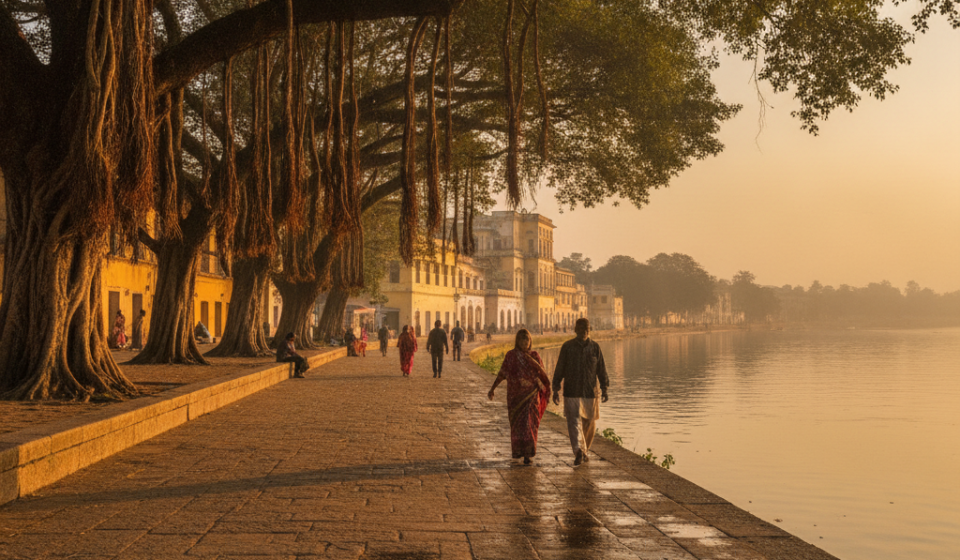
- The Strand: Walk along one of the most peaceful riverfront promenades in West Bengal.
- Ideal Season: October to March offers comfortable weather, with November hosting the famous Jagaddhatri Puja.
- Seamless Access: Easily reachable from Kolkata’s Howrah Station via local trains in under an hour.
Historical Significance of Chandannagar
The town functioned as a French trade post for over two centuries. Its history is marked by shifting European alliances, local commerce, and eventually, the rise of the nationalist movement in India. The French influence is not merely historical background. It remains physically present in the town layout, the remaining heritage structures, and the distinct local appreciation for artistic expression.
- Geopolitical Shifts: Transferred multiple times between the French and British empires before the final 1816 treaty.
- Cultural Integration: Melded French architectural styling with local Bengali craftsmanship and city planning.
- Nationalist Sanctuary: Served as an important refuge for active Bengali nationalists avoiding British arrest.
The timeline below illustrates the primary phases of the town development:
| Period | Key Development |
|---|---|
| 1673 | French East India Company establishes a trade post. |
| 1757 | British forces occupy the town during the Seven Years War. |
| 1816 | Final restoration of French authority under the Treaty of Paris. |
| 1954 | De facto transfer of administration to the Indian government. |
Visitors who study this history before arriving often find the physical landmarks much more meaningful. The town serves as a living museum of colonial ambition and local resilience.
Best Time to Visit
Planning the trip around the local climate is crucial for a comfortable experience. West Bengal experiences high humidity and intense heat, making the winter months the primary choice for most travellers.
- October to March: The ideal window. Temperatures remain cool, and the humidity drops, allowing for extensive walking tours of the heritage sites.
- April to June: The summer season brings extreme heat. Outdoor exploration becomes physically demanding during these months.
- July to September: The monsoon season brings heavy rainfall. While the riverfront looks lush, transit can be unpredictable.
For those interested in local culture, the Jagaddhatri Puja festival is the most significant event. It typically occurs in November. The city undergoes a remarkable transformation during this time, with elaborate lighting displays that have gained international recognition.

Key Attractions
A structured approach helps cover the essential sites without rushing. Most major landmarks are situated relatively close to the riverfront, making them accessible on foot or by local rickshaw.
| Attraction Name | Key Highlight | Entry Details & Best Time |
|---|---|---|
| The Strand | Scenic 1-km riverfront promenade lined with banyan trees. | Free access; ideal for peaceful evening strolls. |
| Chandannagar Museum | French Governor’s residence with historical artifacts. | Ticketed; closed on Thursdays and national holidays. |
| Sacred Heart Church | Stunning French-style architectural design by Jacques Duchatz. | Free admission; highly photogenic during daylight hours. |
The Strand
The Strand is arguably the most pleasant riverfront promenade in the region. It stretches for over a kilometre and is lined with banyan trees. In the evening, the local population gathers here to enjoy the breeze off the Hooghly River. It provides a perfect vantage point for observing river life.
Chandannagar Museum and Institute
Housed in the former residence of the French Governor, this institute preserves a significant collection of artifacts. It holds documents, furniture, and personal items that tell the story of the French period. The building itself is a fine example of colonial architecture, featuring high ceilings and thick walls that help maintain a cool interior.
Sacred Heart Church
Designed by the French architect Jacques Duchatz, this church stands as a testament to the architectural style favoured by the colonial administration. Its white facade and intricate interior details remain well preserved. It provides a quiet space for reflection and is one of the most photographed locations in town.
Practical Travel Tips
Managing logistics effectively makes the difference between a stressful excursion and a productive visit. Chandannagar is located approximately 35 kilometres north of Kolkata, which makes it an easy day trip for many.
| Transport Mode | Approx. Duration | Cost Level | Best Suited For |
|---|---|---|---|
| Suburban Rail (from Howrah) | 50–60 minutes | Very Low (Budget-friendly) | Fastest and most reliable route. |
| Road (Car/Cab via NH 19) | 1.5–2 hours | Medium to High | Flexible travel with luggage. |
| Cycle Rickshaw (Local) | N/A (Short trips) | Very Low | Navigating narrow colonial lanes. |
- Rail Travel: The local suburban train network is the most reliable way to arrive. Trains from Howrah Station run frequently throughout the day.
- Local Transport: Once in the town, cycle rickshaws are the most effective way to reach specific sites. They are inexpensive and can handle the narrow streets better than cars.
- Walking: Much of the historic core is pedestrian friendly. Comfortable footwear is essential.
Professional conduct in local religious sites is expected. Keep in mind that many heritage buildings are now used as schools or offices, so access to interiors may be restricted in some instances.

Dining and Local Cuisine
The food landscape here is a blend of traditional Bengali flavours and faint French influences. While you will not find high-end French dining, the local street food scene is vibrant and worth exploring.
| Food Category | What to Expect |
|---|---|
| Street Snacks | Fuchka, jhal muri, and various vegetable chops. |
| Local Sweets | The famous Jol-bhora Sandesh (a specific regional delicacy). |
| Main Courses | Freshwater fish preparations typical of the Hooghly region. |
Eating at local stalls is common, though travellers sensitive to local water sources should stick to bottled water throughout the trip. Many small establishments along the Strand offer basic but hearty Bengali meals that cater well to afternoon appetites.
Conclusion
Chandannagar offers a unique perspective on the colonial history of India. It does not require a week to explore, but it does reward those who take the time to walk the riverfront and visit the museum. By following the guidance provided in this Chandannagar travel guide, visitors can effectively navigate the history and atmosphere of this town. Whether you visit for the architecture, the history, or simply to escape the city for a day, the experience provides a quiet contrast to the surrounding urban areas of West Bengal.