The Ultimate Kanatal Travel Guide: How to Explore Uttarakhand’s Scenic Forest Hamlet and Adventure Outpost

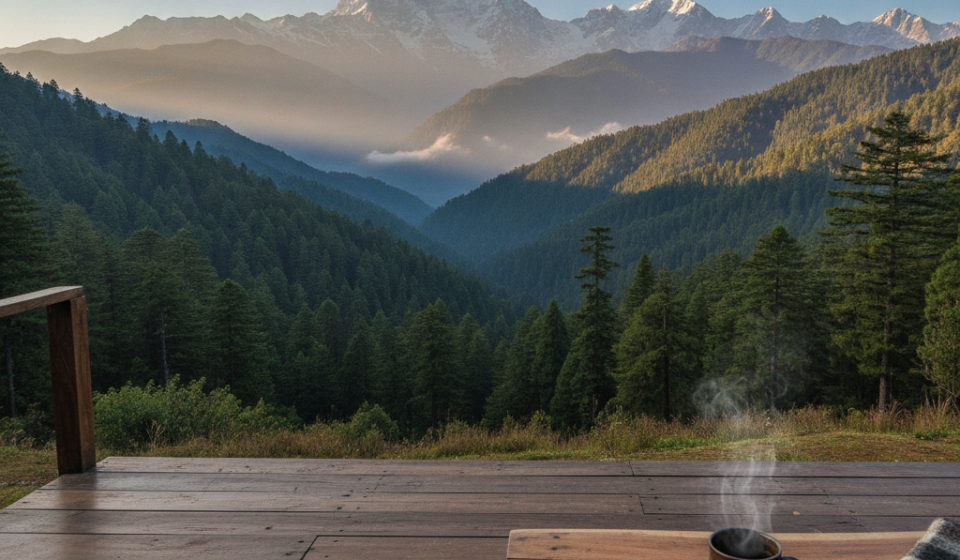
Kanatal is a serene forest hamlet tucked away in the Garhwal Himalayas of Uttarakhand. It remains one of the few places in the region that has largely escaped the frantic pace of modern commercial tourism. For travellers seeking an authentic mountain experience, a comprehensive Kanatal travel guide is essential to manage the logistics of visiting such an isolated outpost. High altitude, rugged terrain, and limited infrastructure demand careful planning, but the reward is an untouched landscape of pine forests, rolling meadows, and panoramic views of snow-capped peaks.
Key Takeaways:
- Serene Escape: Situated at 8,500 feet, Kanatal offers a peaceful, crowd-free alternative to highly commercialized hill stations like Mussoorie.
- Ideal Seasons: April to June provides perfect weather for hiking and camping, while January and February are best for heavy snow experiences.
- Diverse Attractions: Key highlights include exploring the quiet trails of Kodia Forest, boating on Tehri Lake, and trekking to Surkanda Devi Temple.
- Smart Prep: Carry adequate cash and warm layers, as ATMs are unreliable and temperatures drop sharply even in the summer months.
Why Choose Kanatal for Your Next Himalayan Getaway
Most popular hill stations in India now struggle with overcrowding and excessive development. Kanatal offers a stark alternative. It sits at an elevation of roughly 8,500 feet, which provides a cool climate throughout the year and creates a natural barrier against the mass tourism found in towns like Mussoorie. The appeal here is silence, fresh air, and accessibility to true wilderness.
- Minimalist charm: The area lacks sprawling shopping malls or neon-lit streets, focusing instead on natural beauty.
- High-altitude access: It serves as a perfect base for high-altitude trekking and nature photography.
- Strategic location: Despite the feeling of total isolation, it remains within reasonable driving distance of major transport hubs.
Travellers often choose this location to reset their internal clocks. The lack of constant connectivity and the proximity to the Kodia Forest mean that your primary agenda becomes outdoor exploration rather than sight-seeing in the traditional sense.
Best Time to Visit Kanatal
Choosing the right time for your visit requires understanding the seasonal shift in the Himalayas. While it is technically open year-round, the experience changes drastically based on the month. The table below outlines the primary considerations for each season.
| Season | Months | Key Characteristics |
|---|---|---|
| Summer | April to June | Pleasant weather, ideal for camping and outdoor activities. |
| Monsoon | July to September | Lush green scenery, but risks of road blockages due to rain. |
| Winter | October to March | Cold temperatures, potential for snowfall, clear mountain views. |
To help you decide when to plan your trip based on your preferences:
- For Hikers and Campers (April to June): Enjoy pleasant temperatures between 10 and 25 degrees Celsius, ideal for outdoor exploration.
- For Monsoon Lovers (July to September): Experience lush green valleys, though you must stay cautious of potential road blockages.
- For Snow Chasers (January to February): Witness the scenic hamlet completely transformed by heavy frost or fresh snowfall, though freezing nights require heavy woollens.
How to Reach Kanatal
Accessibility to this remote outpost is manageable if you choose the right mode of transport. The nearest major city with rail and air connectivity is Dehradun. From there, the final leg of the journey requires navigating winding mountain roads.
- By Air: Fly into Jolly Grant Airport in Dehradun. From the airport, a private cab to Kanatal takes approximately 3 to 4 hours.
- By Train: The Dehradun Railway Station is the nearest railhead. Shared taxis and buses operate from the city toward Chamba, where you can transfer to a local vehicle.
- By Road: Driving from Delhi takes roughly 8 to 9 hours. The route via Mussoorie is the most scenic, while the route via Rishikesh is often faster during peak traffic seasons.
To assist in your trip planning, here is a quick breakdown of travel options to the region:
| Transport Mode | Starting Point | Approx. Duration | Key Recommendation |
|---|---|---|---|
| Air (Jolly Grant Airport) | Dehradun | 3 to 4 hours (by cab) | Pre-book a private taxi directly to Kanatal to avoid local transit delays. |
| Train (Dehradun Station) | Dehradun | 4 to 5 hours (by bus/cab) | Take a direct shared cab to Chamba, then transfer to a local vehicle. |
| Road (Self-Drive/Cab) | Delhi | 8 to 9 hours | Travel via Mussoorie for scenic views, or via Rishikesh to avoid weekend traffic. |
It is important to note that public transport becomes sparse after reaching Chamba. Booking a dedicated cab from Dehradun is the most reliable strategy to ensure you reach your specific accommodation without delays.

Top Experiences and Attractions in Kanatal
The strength of this destination lies in its quiet activities. There are no massive museums or ticketed attractions here. Instead, visitors find value in the following experiences:
- Kodia Forest: This is the heart of the region. It is perfect for nature walks, where you might spot musk deer, wild boars, or various mountain bird species.
- Tehri Lake: Located about 20 kilometres away, this reservoir offers water sports such as jet skiing and boating, providing a rare high-altitude water experience.
- Surkanda Devi Temple: A significant religious site reachable via a steep trek. It offers 360-degree views of the surrounding peaks, including the Bandarpunch and Chaukhamba ranges.
- Camping: Numerous private sites offer luxury tents. Waking up to a clear view of the Himalayas is arguably the primary reason to visit.
While exploring, remember that the environment is fragile. Visitors are encouraged to follow leave-no-trace principles, especially when trekking through the forest regions.
Accommodation Options
Hospitality in this region has evolved toward boutique experiences rather than large hotel chains. This is a positive development that keeps the area feeling authentic. You generally have three types of choices:
Luxury is defined differently here. It is not about gold-plated fixtures; it is about having a private balcony that opens directly onto a pine-scented forest at 8,500 feet.
Consider these categories when planning your stay:
- Boutique Cottages: These are often family-run or small eco-friendly operations that provide personalized service.
- Adventure Camps: Best for groups or those who prefer staying in high-quality tents. These usually include meal packages and guided treks.
- Homestays: The best way to understand local Garhwali culture and food. These provide the most immersive experience for long-term stays.
Travel Tips for a Seamless Trip
A successful trip to the mountains relies on preparation. Because resources are limited in the hamlet, carrying specific supplies will make your stay significantly more comfortable.
- Carry Cash: ATMs are inconsistent or often out of service. Carry enough physical currency for the duration of your trip.
- Pack Layers: Even in summer, the evenings get cold. Always carry a reliable fleece or down jacket.
- Check Vehicle Health: If you are driving yourself, ensure your vehicle is serviced. Mountain roads are steep and demanding on brakes and engines.
- Connectivity: Expect spotty mobile reception. Download offline maps and keep your hosts updated on your expected arrival time before you lose signal.
For more personalized travel assistance or to book curated experiences in the region, check our travel planning services. We specialize in offbeat Himalayan destinations and can help manage your logistics from start to finish.

Conclusion
Kanatal remains a rare find in the modern travel landscape. It offers the kind of silence that is becoming increasingly difficult to locate, combined with the rugged beauty of the high Himalayas. By planning ahead and respecting the local environment, travellers can enjoy an experience that feels disconnected from the noise of the city but deeply connected to the natural world. Whether you are looking for a challenging trek to a hidden peak or simply a quiet place to read under a pine tree, this hamlet serves as a perfect mountain retreat.