
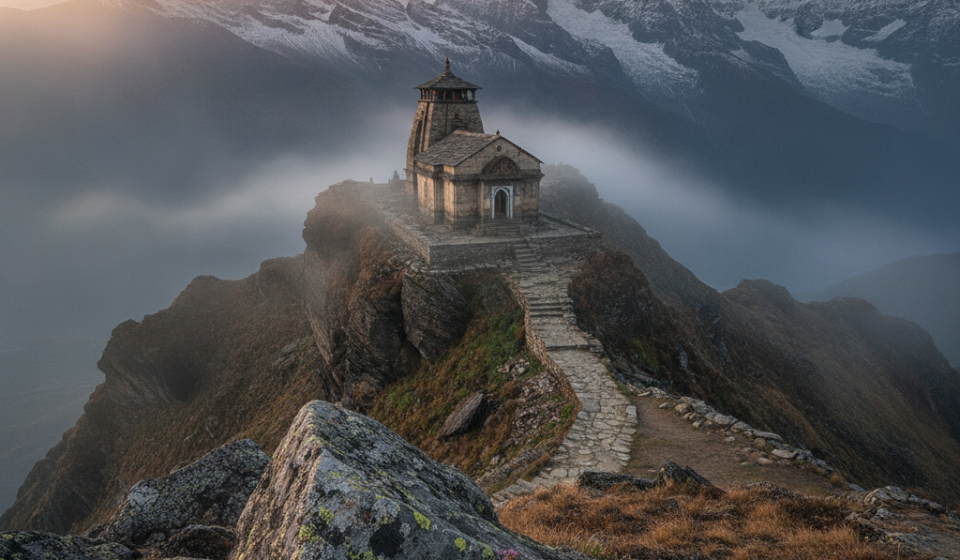
The Ultimate Panch Kedar Travel Guide: How to Journey to Uttarakhand’s Five Sacred Shiva Temples

The Himalayas hold many secrets, but few carry the weight of history and devotion like the Panch Kedar. Pilgrims seeking the ultimate connection to Lord Shiva often look for a comprehensive Panch Kedar travel guide to navigate the rugged terrain of Uttarakhand. These five sacred shrines represent parts of Shiva that emerged at different locations after the Mahabharata war. Preparing for this journey requires more than just physical fitness. It demands careful planning, respect for local customs, and an understanding of the high-altitude conditions encountered along these ancient paths.
Key Takeaways for Your Pilgrimage
- Traditional Sequence: The typical pilgrimage sequence begins at Kedarnath and moves through Tungnath, Rudranath, and Madhyamaheshwar, before concluding at Kalpeshwar.
- Seasonal Window: Most shrines are accessible only from late April or May to October or November due to heavy winter snow.
- High-Altitude Trekking: Altitudes range from 2,200m to over 3,680m, making proper physical fitness and acclimatisation crucial.
- Rustic Infrastructure: Expect basic accommodation, limited mobile connectivity, and a strict requirement for cash.
Understanding the Panch Kedar Circuit
The Panch Kedar circuit consists of five distinct temples nestled in the Garhwal Himalayas. Each temple holds unique architectural significance and religious history. Pilgrims typically visit these sites in a specific sequence to honour the traditional route. Understanding the geography is essential for any successful expedition.
- Kedarnath: The primary and most famous temple of the group.
- Tungnath: Recognised as the highest Shiva temple in the world.
- Rudranath: Known for the face of Shiva depicted in a natural rock formation.
- Madhyamaheshwar: Dedicated to the middle part of Shiva.
- Kalpeshwar: The only temple in the circuit accessible throughout the year.
| Temple Name | Altitude (Approx.) | Trek Distance (One Way) | Difficulty Level | Starting Point |
|---|---|---|---|---|
| Kedarnath | 3,583 metres | 16 kilometres | Moderate to Stiff | Gaurikund |
| Tungnath | 3,680 metres | 3.5 kilometres | Easy to Moderate | Chopta |
| Rudranath | 2,286 metres | 20 kilometres | Strenuous | Sagar Village |
| Madhyamaheshwar | 3,497 metres | 16 kilometres | Moderate | Ransi |
| Kalpeshwar | 2,200 metres | 0.5 kilometres | Easy | Urgam Valley |
The route involves moving through diverse ecosystems, from dense alpine forests to rocky mountain passes. While the remoteness of these locations is part of their appeal, you must expect:
- Varying Terrains: Transitions from lush green meadows to steep, rocky, and uneven trails.
- Minimal Infrastructure: Remote stretches with limited facilities, medical services, or shops.
- High Self-Sufficiency: A strong requirement to carry personal essentials, medicines, and proper cold-weather gear.
Best Time to Visit
Timing your travel determines the success of the pilgrimage. High altitude weather patterns in Uttarakhand remain volatile. Most temples remain inaccessible during the harsh winter months due to heavy snowfall. The local authorities usually open the shrines in late April or early May and close them in October or November.
| Season | Conditions | Suitability |
|---|---|---|
| Summer (May to June) | Clear skies and moderate temperatures. | Ideal for trekking. |
| Monsoon (July to August) | High risk of landslides and roadblocks. | Not recommended. |
| Autumn (September to October) | Crisp air and post-monsoon greenery. | Excellent for clear views. |
As noted in the 2026 regional climate updates, unpredictable rainfall patterns often extend into late July. Plan your dates during the shoulder months to avoid the heaviest crowds and the worst weather risks.

Physical Preparation and Fitness
Trekking to these temples is a serious physical commitment. The trails involve steep ascents, rocky terrain, and significant elevation changes. Many sections require walking for several hours at altitudes exceeding 3,000 metres. Cardiovascular endurance training should start at least two months before the departure date.
Success on the Panch Kedar trail is measured by steady pacing and hydration rather than speed. Respecting the altitude is the only way to avoid acute mountain sickness.
Consulting with a physician is a wise precaution, especially for those with pre-existing respiratory or cardiac conditions. Proper acclimatisation is vital. Spending a day in a base town like Guptakashi or Joshimath allows the body to adjust to the thinning air before starting the primary ascent.
Essential Gear and Equipment
Packing for the Himalayas requires a focus on utility. Weight is a major factor, so every item must serve a clear purpose. Focus on a layering system for clothing to handle changing temperatures throughout the day. Sturdy, waterproof trekking boots with good ankle support are non-negotiable for these rocky trails.
- Layering: Base layers, insulating mid-layers, and a reliable waterproof shell.
- Footwear: Broken-in trekking boots and moisture-wicking wool socks.
- Accessories: Polarised sunglasses, a warm beanie, and high-SPF sunscreen.
- Essentials: Personal first-aid kit, power banks, and refillable water bottles.
Safety and Acclimatisation
Altitude safety is a priority when following any Panch Kedar travel guide. The primary risks include dehydration and altitude sickness. Always carry a small medical kit that includes basic supplies for common ailments. If symptoms of mountain sickness occur, such as severe headaches or nausea, the only reliable solution is to descend immediately.
Communication networks are unreliable in these remote valleys. Always inform local family members or a reliable service provider about your planned route and expected return dates. For those who need assistance arranging transport or logistics, the TravelDham services page provides guidance for pilgrims looking to secure reliable support in the region.
Accommodation and Logistics
When planning your stay and dining along the route, keep in mind that the experience is intentionally rustic to match the ascetic character of the region:
- Accommodation Options: Choices range from basic government-run guest houses (GMVN) to private homestays, with no luxury amenities.
- Simple Meals: Strictly vegetarian options are available, designed to provide the necessary calories for high-altitude trekking.
- Connectivity and Payments: Cash is essential as digital payments and mobile networks are frequently unavailable in the higher reaches.
Booking in advance is difficult due to the lack of online systems for many remote locations. Carrying extra cash is essential as digital payments are frequently unavailable in the higher reaches of the circuit. Consider hiring a local porter or guide if you are carrying heavy camera equipment or supplies, as they possess invaluable knowledge of current trail conditions.

Conclusion
The journey through the Panch Kedar is as much an internal experience as it is a physical one. By following a structured Panch Kedar travel guide, you ensure that your focus remains on the pilgrimage itself rather than logistical failures. Respect the environment, prepare for the physical challenges, and allow yourself the time to truly appreciate the history of these sacred sites. For those ready to begin, our comprehensive resources are available at TravelDham to help you coordinate your upcoming Himalayan experience.