The Ultimate Deeg Palace Travel Guide: How to Visit Rajasthan’s Spectacular Garden of Fountains

Rajasthan remains a primary destination for travellers seeking royal history, yet many overlook the architectural marvels located just beyond the tourist trails of Jaipur. Deeg Palace stands as a testament to the ingenuity of the Jat rulers. This comprehensive Deeg Palace travel guide provides essential insights for planning a visit to this historic site, known for its intricate water features and expansive gardens.
Key Takeaways
- Innovative Architecture: Deeg Palace is renowned for its advanced 18th-century climate control systems, featuring over 500 fountains.
- Rich Heritage: Built by the Jat rulers, specifically Maharaja Suraj Mal, it beautifully blends Mughal and Rajput styles.
- Best Timing: The winter season (October to March) is highly recommended for comfortable outdoor exploration.
- Strategic Location: It makes for an ideal day trip or weekend getaway from Delhi, Agra, or Jaipur.
Historical Significance of Deeg Palace
The history of Deeg Palace dates back to the early 18th century. It served as the summer capital for the rulers of Bharatpur. Unlike the desert fortifications seen elsewhere in the region, this site emphasises cooling systems, reflecting a sophisticated understanding of climate control. The complex was designed to escape the heat of the Rajasthan summer while maintaining the dignity required of a royal court.
- Development: Built over several decades with major expansions led by Maharaja Suraj Mal.
- Transformation: Upgraded from a simple summer retreat into a highly secure, robust fortress and pleasure garden.
- Aesthetic: Integrates Mughal stylistic components seamlessly with traditional local craftsmanship.
| Period | Focus |
|---|---|
| Early 18th Century | Initial construction and fortification |
| Mid 18th Century | Expansion of garden and water systems |
| Late 18th Century | Refinement of decorative features |

Architectural Features and Design
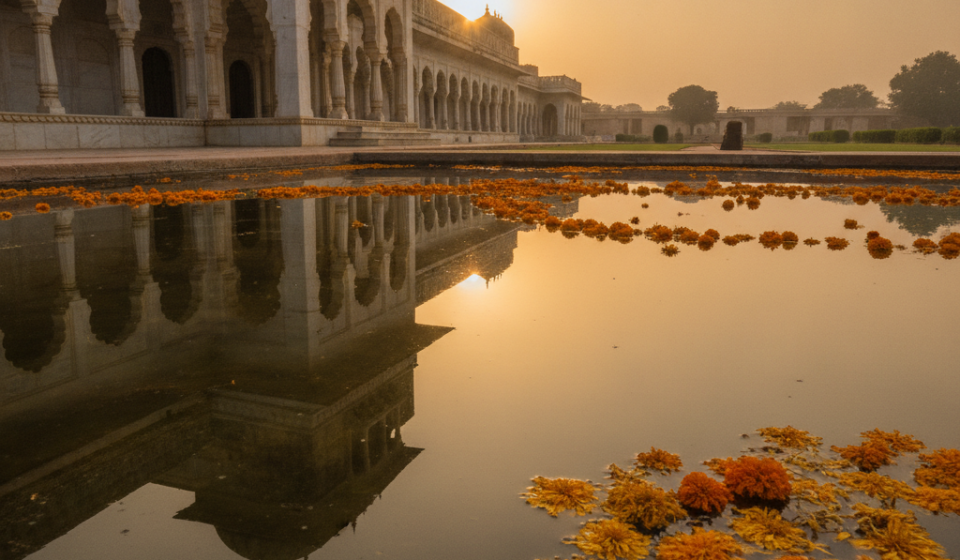
The primary appeal of the palace lies in its layout. It mimics the charbagh style, a Persian-inspired garden design consisting of four quadrants. This arrangement supports a series of fountains and tanks that once provided natural air conditioning during the summer months.
- Gopal Bhawan: The central structure overlooking the main water tank.
- Suraj Bhawan: Notable for its white marble construction and intricate inlay work.
- Kishan Bhawan: Contains a massive arched facade that serves as a visual anchor.
- Nand Bhawan: Known for its spacious layout and traditional design elements.
- Natural Diversion: Water was cleverly diverted from surrounding water bodies to feed the complex network.
- Pressure Mechanism: An intricate system of clay pipes and gravity-fed reservoirs powered hundreds of active fountains.
- Technological Legacy: Even though many fountains are inactive today, the remnants showcase the remarkable engineering prowess of the Jat Kingdom.
Best Time to Visit Deeg Palace
Timing the visit correctly is vital for a comfortable experience. Because the primary attractions are outdoors, regional weather patterns dictate the quality of the trip. The winter months offer the most pleasant conditions for exploration.
- October to March: The ideal period due to moderate temperatures and clear skies.
- April to June: These months bring extreme heat, making extensive walking through the gardens physically demanding.
- July to September: The monsoon season brings relief from heat but can limit access to outdoor areas during heavy rainfall.
If possible, aim for a weekday visit to avoid the crowds that arrive from nearby cities on weekends. Early mornings allow for better photography of the marble pavilions before the midday sun peaks.
How to Reach Deeg
Deeg is located roughly 32 kilometres from Bharatpur and 150 kilometres from Jaipur. Accessibility is reasonable for those planning a multi-city tour of Rajasthan. Various transport options are available depending on the starting point.
- By Rail: The nearest major station is Bharatpur Junction. From there, taxis are readily available for the drive to Deeg.
- By Road: Direct buses run from Bharatpur and Agra. Hiring a private car remains the most efficient way to maintain a flexible schedule.
- By Air: The nearest functional airport is Jaipur International Airport, which serves both domestic and international flights.
For those travelling from Delhi, the drive takes approximately 4 to 5 hours. It is often combined with visits to the Keoladeo National Park in Bharatpur to create a well-rounded itinerary.
Essential Travel Tips
A successful trip requires preparation regarding logistics and site etiquette. Keep in mind that Deeg is a preserved heritage site, and local regulations protect its structural integrity.
Proper footwear is necessary for navigating the sprawling gardens and stone walkways, as visitors spend the majority of their time on foot.
| Detail Category | Visitor Information |
|---|---|
| Opening Hours | 9:00 AM to 5:00 PM (Closed on Fridays) |
| Indian Citizens Ticket Price | INR 25 per person |
| SAARC & BIMSTEC Visitors | INR 25 per person |
| Foreign Nationals Ticket Price | INR 300 per person |
| Best Duration for Visit | 3 to 4 hours |
- Entry Permits: Purchase tickets at the designated counters. Carry valid identification documents for verification if required.
- Guided Tours: Local guides are available near the entrance. They offer valuable context regarding the history of the Jat rulers that is not immediately visible from signage alone.
- Photography: Cameras are allowed. Using a tripod might require special permission or an additional fee depending on local policy.
- Hydration: Carry sufficient water, especially if travelling during the transition months between seasons.

Nearby Attractions
Since the palace complex can be explored in a single day, many travellers use it as a starting point for exploring the wider Brij region. Several other sites offer complementary insights into the history of Rajasthan.
| Attraction | Distance from Deeg |
|---|---|
| Keoladeo National Park | 35 kilometres |
| Bharatpur Palace | 32 kilometres |
| Mathura (Religious sites) | 38 kilometres |
| Agra (Taj Mahal) | 95 kilometres |
These locations offer a mix of wildlife, architecture, and cultural history. Combining these stops provides a broad view of the region, shifting from royal palaces to natural bird sanctuaries and significant spiritual centres. For those who need assistance arranging transport or custom itineraries, please review our travel services page to learn more about how we facilitate regional tours.
FAQs
Is photography allowed inside the palace?
Yes, photography is permitted in the garden and exterior areas of the palace. Interior photography may be restricted in specific halls containing delicate artifacts.
Are there accommodation options in Deeg?
Options in Deeg are limited. Most travellers prefer staying in Bharatpur, which offers a range of heritage hotels and modern guesthouses suitable for various budgets.
How much time is needed to explore the palace?
Plan for at least 3 to 4 hours. This allows for a thorough walk through the gardens, an inspection of the primary pavilions, and time to appreciate the water systems.
Are there food facilities inside the complex?
No, there are no restaurants inside the palace grounds. Visitors should eat in town before or after their visit, or carry snacks and bottled water.
For more detailed planning or to book guided transport for your next trip, contact our support team through the travel services page. Proper planning ensures that the visit to this historic garden remains a highlight of any trip to Rajasthan.