
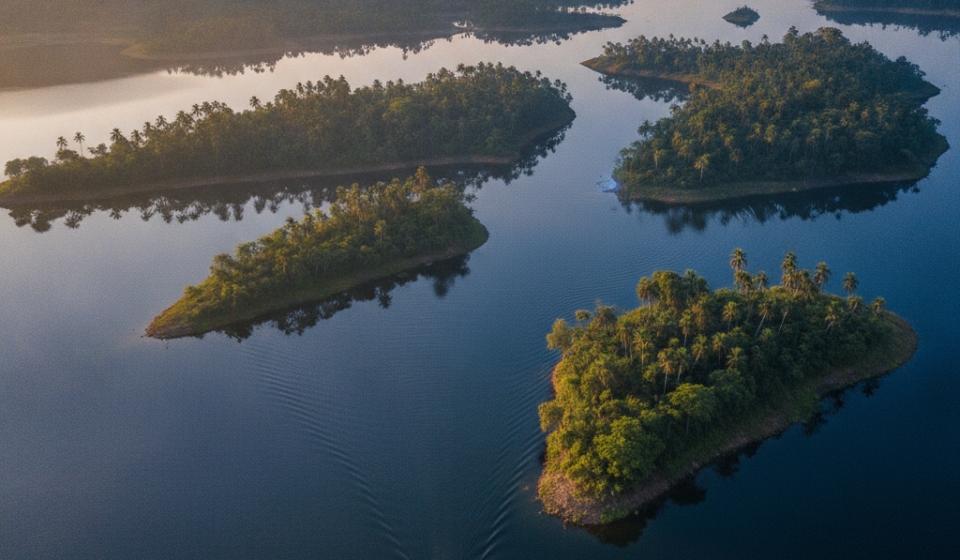
The Ultimate Banswara Travel Guide: How to Explore Rajasthan’s Spectacular ‘City of a Hundred Islands’

Banswara stands as a distinctive destination within Rajasthan, frequently overlooked by travellers who flock to the desert cities of Jaipur or Jodhpur. Often referred to as the City of a Hundred Islands, this region offers a lush, water-rich landscape that contrasts sharply with the arid image most people hold of the state. For those seeking an authentic Banswara travel guide, understanding the seasonal nuances and historical depth of this southern corner is essential. The region serves as an ideal retreat for nature enthusiasts, history buffs, and those looking to move beyond the traditional tourist circuit.
Key Takeaways for Your Banswara Travel Guide
- Unique Landscape: Known as the ‘City of a Hundred Islands’, Banswara offers a green, water-rich environment that contrasts with the rest of Rajasthan.
- Best Time to Visit: Plan your trip between October and March for pleasant weather suitable for sightseeing and outdoor exploration.
- Top Attractions: Do not miss the majestic Mahi Bajaj Sagar Dam, the 11th-century Arthuna Temples, and the ancient sculptures of Talwara.
- Accessibility: The nearest major airport is Udaipur (160 km away), requiring a road journey to reach Banswara.
- Tribal Heritage: Prepare to experience pristine, rich tribal cultures and traditional regional festivals.
Why Banswara Is Rajasthan’s Hidden Gem
The geography of Banswara sets it apart from the rest of Rajasthan. Situated in the southern tip of the state, it benefits from a unique climate that supports dense forests and expansive water bodies. The Mahi River winds through the area, creating the archipelago effect that gives the region its famous nickname. Unlike the scorching sand dunes of the west, Banswara remains green and vibrant for a large portion of the year.
Visitors find a blend of tribal heritage, colonial history, and natural beauty here. The local culture remains deeply rooted in traditions that predate modern tourism development. This lack of commercialisation acts as a primary draw for the discerning traveller who values quiet exploration over crowded landmarks. The following characteristics define the appeal of the region:
- Geographical Diversity: The landscape features hills, valleys, and numerous islands formed by the Mahi Bajaj Sagar Dam.
- Cultural Integrity: Strong tribal influences shape the local festivals, arts, and crafts.
- Architectural Heritage: Ancient temples and royal monuments provide a glimpse into the history of the former princely state.
- Wildlife Opportunities: The surrounding forest areas support diverse flora and fauna that remain largely undisturbed.
Planning Your Visit: The Best Time to Explore
Choosing the right time for your trip significantly alters the experience. Rajasthan generally experiences extreme heat, but Banswara benefits from its proximity to water and hills. Most visitors find that the period between October and March offers the most comfortable conditions for outdoor activities and sightseeing.
| Season | Months | Travel Characteristics |
|---|---|---|
| Winter | October – March | Cool, pleasant weather; ideal for sightseeing and boating. |
| Summer | April – June | Hot and dry; outdoor activities are limited to early mornings. |
| Monsoon | July – September | Lush green landscapes; high humidity; potential for travel disruptions. |
Winter remains the peak season for a reason. Temperatures drop to comfortable levels, allowing visitors to hike to ancient sites or spend hours on the water. If you choose the monsoon season, expect breathtaking greenery, though travel logistics may become more complex due to occasional heavy rains.
Top Must-Visit Attractions in Banswara
The region holds a high concentration of sites that cater to diverse interests. Whether you prefer the serenity of a lakeside temple or the intrigue of a historic fort, Banswara provides ample opportunity for discovery.
| Attraction Name | Best Time to Visit | Key Highlights |
|---|---|---|
| Mahi Bajaj Sagar Dam | Sunrise or Sunset | Boating, photography, and visiting scenic islands. |
| Arthuna Temples | 8:00 AM – 5:00 PM | 11th-century Parmara dynasty ruins, stone carvings. |
| Talwara Temples | 6:00 AM – 7:00 PM | Ancient sculptures, local religious heritage. |
Mahi Bajaj Sagar Dam
This massive engineering feat serves as the heart of the district. Beyond its function in irrigation and power generation, the dam creates a sprawling reservoir.
To make the most of your visit, consider the following opportunities:
- Scenic Reservoir Exploration: Explore the expansive water bodies and hire local boats.
- Island Hopping: Navigate through the numerous small islands scattered across the lake.
- Photography: Capture stunning sunset and landscape shots of the surrounding greenery.
Arthuna Temples
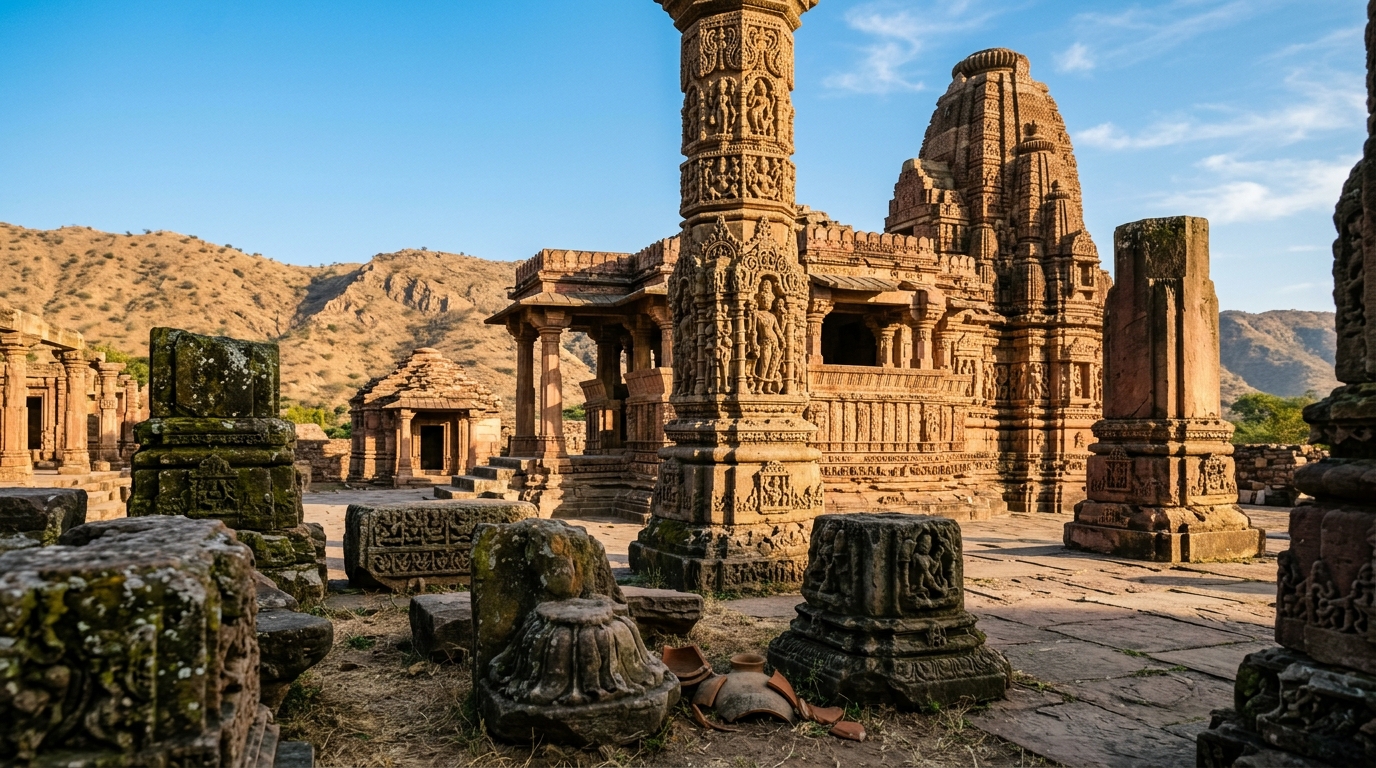
History enthusiasts should prioritise a visit to the remnants of the Parmara dynasty in Arthuna. These 11th-century temple ruins demonstrate exquisite craftsmanship and offer a profound look into the architectural sophistication of the medieval period. The site is spread out, so allocate several hours to explore the various carvings and structural remains properly.
Talwara
Known for its ancient statues and religious significance, Talwara houses notable temples such as the Amaliya Ganesh temple. The craftsmanship found here highlights the artistic legacy of the region. Many travellers include this as part of a broader cultural tour of southern Rajasthan.

Cultural Immersion: Local Traditions and Festivals
Banswara hosts vibrant festivals that provide insight into the local tribal life. The Bhil and Meena communities contribute significantly to the cultural fabric of the area. Attending these gatherings allows for a rare look at traditional dances, music, and communal celebrations that have survived for centuries.
Some key cultural highlights include:
- Tribal Fairs: Many local markets and fairs showcase handmade jewellery and textiles unique to the region.
- Local Festivals: Events often involve traditional drumming and folk performances which reflect historical narratives.
- Gastronomy: Trying local dishes, which are distinct from standard Rajasthani fare, offers a deeper connection to the place.
Practical Travel Tips for a Seamless Trip
Navigating a less-developed destination requires a bit of preparation. Banswara does not have its own airport, which means most travellers arrive via road or rail from larger hubs. Udaipur serves as the nearest major airport, located roughly 160 kilometres away. This drive takes you through scenic terrain, though it does require a few hours of travel time.
Consider these points for your itinerary:
Professional travel planning in rural Rajasthan relies on flexibility. Local transport options are available, but hiring a private vehicle provides the most efficient way to access remote sites like the Arthuna ruins.
Keep the following practical logistics in mind for a hassle-free journey:
- Cash & Payments: Carry sufficient cash for smaller transactions, as digital payment acceptance varies in remote areas.
- Accommodation Options: Choose from government guesthouses to modest private hotels.
- Prior Booking: Secure clean and reliable lodging in advance, as luxury resorts are not common.
For those interested in exploring beyond the main town, visit the TravelDham services page to learn more about curated regional experiences.
Conclusion
Banswara rewards those who take the time to look past the mainstream tourist routes. It offers a rare blend of water-centric landscapes and deep historical roots that define the southern edge of Rajasthan. By planning your trip during the cooler months and maintaining a flexible schedule, you can experience a version of the state that remains refreshingly authentic. Whether you are navigating the islands of the Mahi reservoir or studying the stone carvings in Arthuna, this destination provides a quiet, contemplative escape from the frantic pace of modern life.