The Ultimate Guide to Paleo-Diet Food Trail Tours in India: Exploring Ancient Nutritional Roots and Ancestral Foraging Traditions

The contemporary obsession with clean eating has sparked a profound curiosity about pre-agrarian culinary habits. While modern supermarkets offer mass-processed convenience, health-conscious travelers increasingly seek the nutritional wisdom of hunter-gatherer ancestors. This search has shifted interest toward ancestral foraging, leading to a rise in niche tourism such as paleo-diet food trail tours in India. These specialized culinary journeys move far beyond conventional restaurant-hopping. They immerse participants in pristine forest systems where indigenous communities have maintained uninterrupted foraging practices for thousands of years. By exploring these ancient roots, individuals gain a comprehensive understanding of human nutrition before the dawn of industrialized agriculture.
India’s geographical diversity offers a unique repository of wild ingredients. From the dense, monsoon-fed forests of the Western Ghats to the high-altitude valleys of the Himalayas, the country hosts a massive variety of uncultivated foods. These include wild tubers, ancient pseudograins, native berries, and forest-harvested meats. Investigating these ancestral ingredients allows travelers to decode the paleolithic baseline (the nutritional standard that guided human evolution prior to grain cultivation). Unlike standard culinary holidays, these expeditions focus on survivalist botany, sustainable harvesting, and the scientific benefits of unprocessed, wild diets.
Key Takeaways
- Ancient Nutritional Roots: Paleo-diet food trail tours in India offer a rare opportunity to explore pre-agricultural nutritional baselines directly in pristine forests.
- Regional Dietary Diversity: Experiences span tropical mountain ranges, high-altitude cold deserts, and biodiverse northeastern rainforests.
- Ethnobotanical Wisdom: Travelers learn survivalist botany, sustainable harvesting, and natural detoxification of wild ingredients from indigenous communities.
- Redefining Paleo: Subcontinental ancestral eating is uniquely plant-forward, debunking the myth of a purely meat-centric paleolithic diet.
- Sustainable Community Support: These tours directly fund indigenous guides, helping preserve ancestral land and ancient culinary knowledge.
Understanding Ancestral Eating: The Premise of Paleo-Diet Tours in India
The core philosophy of paleolithic nutrition centers on consuming foods that would have been accessible to human ancestors during the Paleolithic era. This means a strict exclusion of refined sugars, dairy, agricultural grains, and processed chemicals. In the Western hemisphere, this concept is often associated with heavy meat consumption. But still, the ancestral culinary history of India reveals a far more complex, plant-forward reality. Early human communities on the subcontinent relied heavily on seasonal foraging, wild tubers, aquatic plants, and native game. Understanding this foundational concept underpins the growing demand for paleo-diet food trail tours in India.
By participating in specialized paleo-diet food trail tours in India, culinary enthusiasts learn how traditional diets were structured around the immediate environment. Research indicates that ancestral human diets were highly diverse (often incorporating several dozen distinct plant species in a single week). This stands in stark contrast to the modern globalized diet, which relies on a dangerously narrow selection of cultivated crops. Traditional foraging communities in India still possess an intimate knowledge of which wild greens possess antioxidant properties, which roots provide sustained energy, and which barks can preserve meat. These ancient methodologies provide a blueprint for modern wellness (an approach that prioritizes biochemical density over mere caloric intake).
Critics often argue that prehistoric diets are impossible to replicate in modern societies. They are not entirely wrong. But still, these specialized tours are not designed to turn travelers into primitive survivalists. Instead, they serve to introduce the structural principles of ancestral eating. By understanding how indigenous peoples eat, modern consumers can learn to prioritize whole, unrefined foods and reduce their dependence on industrial wheat and seed oils. This paradigm shift in nutrition is what makes these exploratory journeys so valuable for contemporary health seekers who wish to align their modern physiology with their ancestral genetic makeup.
Key Regions for Paleo-Diet Food Trail Tours in India
The vast geographical expanse of the Indian subcontinent ensures that ancestral diets vary substantially from one eco-zone to another. Specialized itineraries focus on distinct geographical hubs where tribal foraging practices remain active, providing travelers with hands-on exposure to ancestral gathering and cooking techniques. Below is a comparative overview of the key regions featured in ancestral food tours:
| Region | Indigenous Tribes | Primary Foraged Ingredients | Key Culinary Highlight |
|---|---|---|---|
| Northeast (Nagaland & Meghalaya) | Angami, Ao, Khasi | Wild ferns, bamboo shoots, forest snails, smoked meats | Steaming and wood-fire smoking |
| Western Ghats (Kerala & Coorg) | Cholanaikkan, Kurichiyar | Wild yams, jackfruit, wild black pepper, forest honey | Alkaloid leaching of wild tubers |
| Central India (Bastar, Chhattisgarh) | Gond, Maria | Mahua flowers, red weaver ants, wild mushrooms | Protein-rich insect chutneys |
| Himalayan Foothills | Himachali, Ladakhi communities | Wild nettles, sea buckthorn, wild garlic | Preservation through sun-drying & fermentation |
The Northeast: Foraging Traditions of Nagaland and Meghalaya
The northeastern states, specifically Nagaland and Meghalaya, represent some of the most ecologically preserved zones in Asia. These remote regions form the core of curated paleo-diet food trail tours in India due to their rich forest ecosystems and indigenous tribal heritage. The Angami, Ao, and Khasi communities have long practiced sustainable agro-forestry and wild foraging. Their dietary patterns rely heavily on several key forest ingredients:
- Wild forest greens and edible ferns
- Fermented bamboo shoots
- Forest snails and aquatic proteins
- Naturally preserved and wood-smoked meats
In a study published in 2022 by the Journal of Ethnobiology and Ethnomedicine, researchers documented that the Angami tribe of Nagaland utilizes over 150 species of wild uncultivated plants for culinary and medicinal needs. This extensive reliance on uncultivated vegetation demonstrates why the Northeast remains an indispensable destination for paleo-diet food trail tours in India.
Travelers visiting these areas learn to identify edible ferns and wild ginger roots. The cooking methods here are clean (relying primarily on steaming, boiling, and wood-fire smoking). This matches the paleolithic standard perfectly. For those interested in exploring these remote northeastern regions, specialized regional travel plans can be accessed through Assam-Meghalaya packages, which provide the logistical support needed to access these tribal interior areas safely.
Western Ghats: Wild Edibles and Tribal Traditions of Kerala and Coorg
The Western Ghats mountain range is a global biodiversity hotspot. The thick, tropical canopy stretching across Kerala and Karnataka has supported indigenous hunter-gatherer tribes (such as the Cholanaikkan and Kurichiyar) for centuries. These coastal forests have become prime locations for designing paleo-diet food trail tours in India.
The culinary legacy of this tropical region is defined by an abundance of unique, nutrient-dense ingredients:
- Wild Tubers: Hand-harvested forest yams.
- Native Spices: Wild black pepper and ginger.
- Forest Fruits: Wild jackfruit and seasonal berries.
- Natural Sweeteners: Raw, unprocessed forest honey.
The Cholanaikkan tribe, who are among the last remaining hunter-gatherers of the region, rely on deep-forest foraging for wild yams (known locally as *kaval*). Indeed, travelers on paleo-diet food trail tours in India can experience how these communities process bitter forest roots to make them palatable, removing toxic alkaloids through natural leaching processes.
Furthermore, the integration of coastal resources means that ancestral diets in this region were rich in clean, wild-caught seafood, providing a balance of healthy fats. Planning an expedition to these ancient hills is simplified by utilizing tailored regional itineraries, such as the Kerala packages offered by professional operators.
Central India: Bastar and the Gond Heritage
The tribal belt of Bastar in Chhattisgarh remains one of India’s most fascinating cultural pockets. The Gond and Maria tribes have inhabited these sal forests for generations, maintaining a lifestyle that relies heavily on forest produce. Including Bastar in paleo-diet food trail tours in India provides deep cultural immersion and exposure to unique ancestral culinary ingredients.
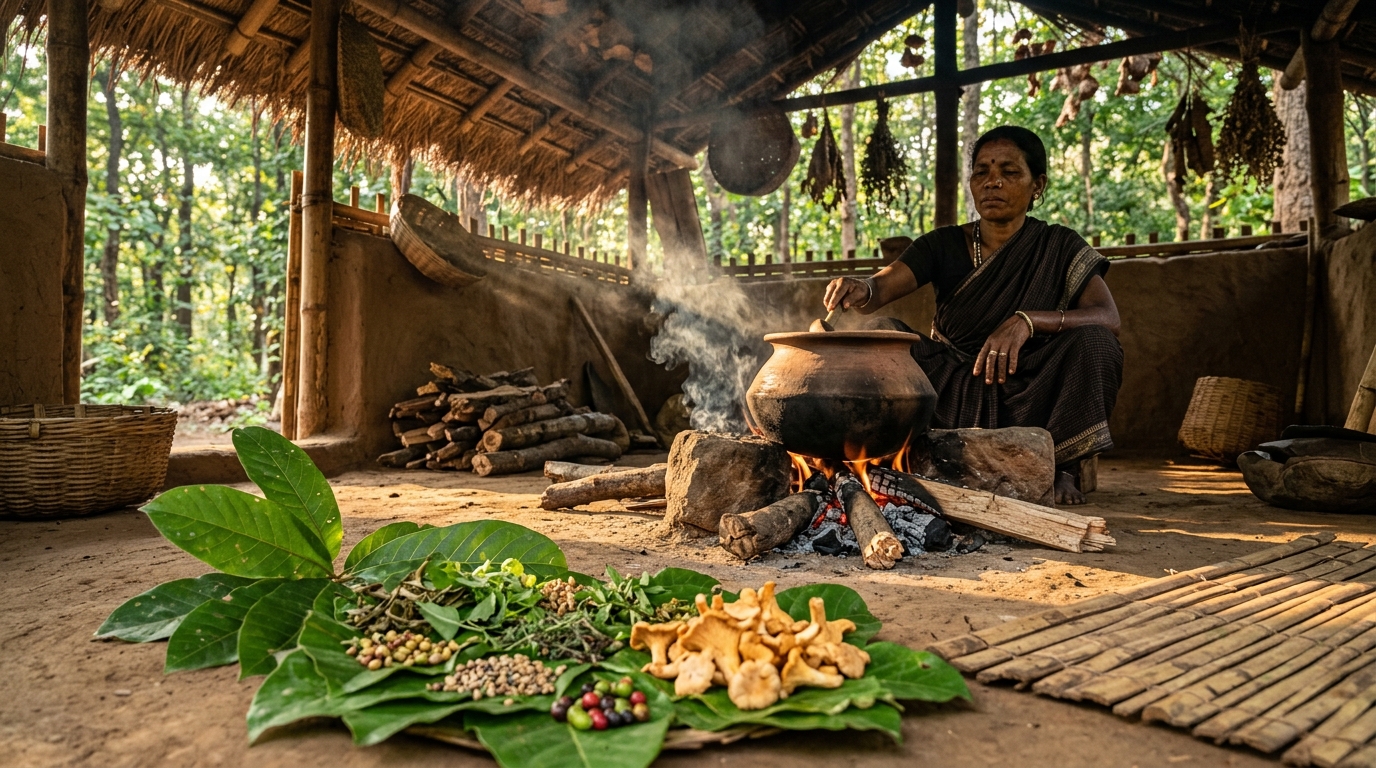
According to a report published in 2021 by the Anthropological Survey of India, it was noted that tribal populations in Central India still derive over 40% of their annual nutrition from non-timber forest products. These forest products, known as NTFPs (a crucial acronym referring to wild-harvested goods like seeds, flowers, and wild mushrooms), form the basis of daily sustenance. Travelers witness the harvesting of mahua flowers and the preparation of *chaprah* (a traditional chutney made from red weaver ants and their eggs). This protein-rich dish is a highlight for those embarking on paleo-diet food trail tours in India.
The Himalayan Foothills: Mountain Foraging and Ancient Grains
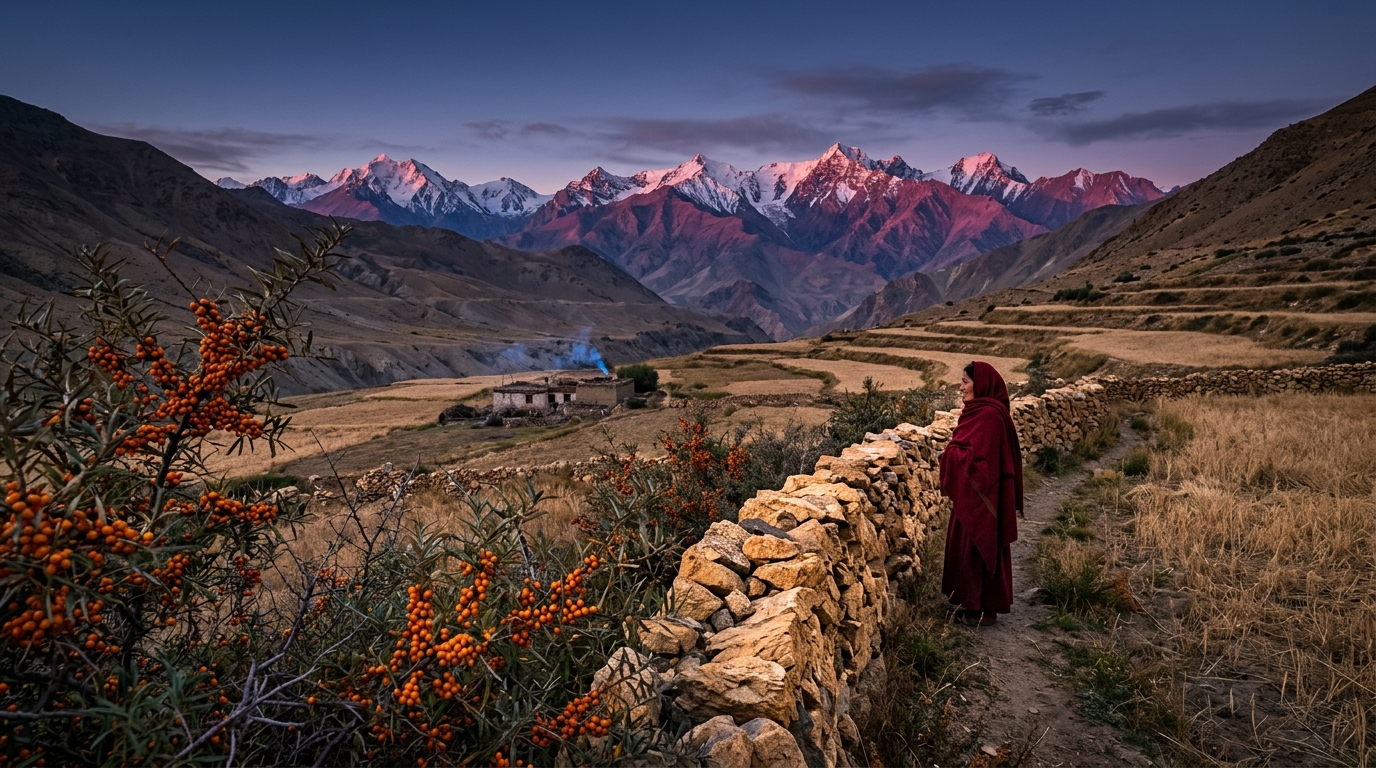
The high-altitude terrain offers a distinct perspective for paleo-diet food trail tours in India, focusing on cold-desert survival and alpine foraging. In regions like Himachal Pradesh, Ladakh, and Uttarakhand, ancestral diets were dictated by harsh winters and brief growing seasons. Foraging here involves collecting wild nettles, sea buckthorn berries, wild garlic, and high-altitude medicinal herbs.
The indigenous communities developed sophisticated methods of preserving wild edibles through sun-drying and fermentation. Nettle soup (known as *kandali ka saag* in Uttarakhand) is a nutrient-dense staple rich in iron and calcium, which explains its prominence in modern paleo-diet food trail tours in India. This northern trail provides an excellent counterpoint to the tropical foraging of the south, demonstrating the sheer adaptability of early human diets across diverse climates.
Typical Ingredients Sourced on a Paleo-Diet Food Trail
Curating the pantry for paleo-diet food trail tours in India involves identifying ingredients that have remained genetically unmodified by modern commercial farming. Many of the crops and plants consumed on these trails are wild relative species of modern vegetables, boasting far higher micronutrient profiles.
A major component of these ancestral diets consists of uncultivated roots and tubers. Unlike modern potatoes (which have been bred for high starch and low fiber), wild yams and forest tubers are packed with complex starch and prebiotic fibers that support gut health. Similarly, wild game and local, free-roaming livestock offer a superior omega-3 to omega-6 fatty acid ratio compared to grain-fed meats. The ancestral culinary experience is completed by foraging for wild-growing mushrooms, souring agents like wild tamarind, and forest honey.
The table below illustrates the nutritional shift that occurred after the agricultural revolution, which is a key concept recreated during professional paleo-diet food trail tours in India.
| Ancestral Paleolithic Ingredient | Modern Agricultural Substitute | Nutritional Comparison & Benefits |
|---|---|---|
| Wild Yams (Kaval / Forest Tubers) | Commercial White Potatoes | Higher prebiotic fiber, lower glycemic index, rich in trace minerals. |
| Foraged Forest Greens (Dhekia Xak / Wild Ferns) | Cultivated Iceberg Lettuce / Spinach | Substantially higher polyphenol content and natural antioxidant compounds. |
| Wild Weaver Ants (Chaprah) / Forest Snails | Commercially Farmed Poultry | High protein concentration, source of zinc, formic acid, and vitamin B12. |
| Wild Forest Honey (Unheated / Raw) | Processed Table Sugar / High-Fructose Syrup | Contains live enzymes, wild pollen, and natural antibacterial properties. |
| Naturally Smoked Wild Meats / Forest Game | Grain-Fed Feedlot Beef / Pork | Optimal omega-3 to omega-6 ratio, low saturated fat, no added growth hormones. |
Planning Your Ancestral Foraging and Culinary Itinerary
Designing successful paleo-diet food trail tours in India requires balancing wilderness foraging with comfortable logistics. These specialized journeys are highly curated, involving local indigenous guides, wilderness survival experts, and specialized culinary chefs who understand pre-agricultural cooking principles.
An optimal itinerary for paleo-diet food trail tours in India should cover multiple distinct ecological zones to provide a complete understanding of ancestral nutrition. It is recommended to spend at least three to four days in each region to fully absorb the foraging methodologies and understand the local ecosystems. A typical layout of a curated seven-day paleolithic food trail in Northeast India is structured as follows:
- Day 1: Arrival and Ecological Orientation
- Meeting with local botanists and tribal elders to discuss regional flora.
- Introduction to safety protocols and ethical foraging guidelines in protected forest areas.
- Day 2: Mid-Altitude Forest Foraging
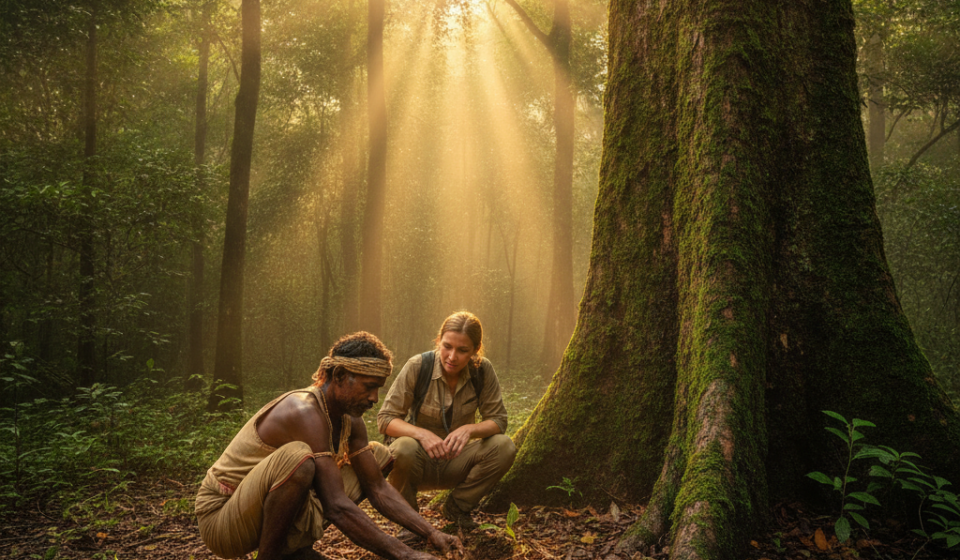
- Guided trek through the forest to identify wild edible greens, tubers, and medicinal barks.
- Harvesting wild ginger and forest cardamom under local guides.
- Day 3: Ancestral Preservation and Cooking Workshop
- Hands-on session learning smoking, sun-drying, and fermentation techniques.
- Preparation of a communal meal cooked entirely over open firewood in clay pots.
- Day 4: Aquatic Gathering
- Exploring local stream ecosystems to gather freshwater snails, small fish, and ferns.
- Understanding the role of freshwater protein in historical diets.
- Day 5: High-Altitude Foraging and Tribal Visit
- Ascending to alpine zones to forage for wild berries and cold-weather greens.
- Interacting with village elders to document ancient nutritional recipes.
- Day 6: Modern Paleo Integration
- Collaborative session with a chef to adapt wild ingredients into modern recipes.
- Discussion on sourcing wild-crafted foods in urban environments.
Comparing Modern Diet Trends with Ancestral Indian Nutrition
Analyzing these diets shows why paleo-diet food trail tours in India are not merely tourist activities; they are educational experiences that challenge modern nutritional assumptions. Many modern fad diets advocate for strict macronutrient ratios, such as high-protein or low-carbohydrate plans. But still, historical evidence on the Indian subcontinent shows that early human diets were highly adaptable and balanced, shifting dynamically with seasonal availability.
For instance, during the monsoon season, foraging communities in the Western Ghats shifted focus from scarce wild game to abundant roots and edible forest leaves. This natural dietary rotation prevented nutritional deficiencies. This concept of seasonal rotating diets (known as *Ritucharya* in ancient ayurvedic texts, which evolved from tribal practices) is a central theme explored during paleo-diet food trail tours in India.
According to an archaeological excavation report from the Deccan College Post-Graduate and Research Institute in 2018, hunter-gatherer sites in the Belan Valley reveal that wild yam species were consumed as early as 10,000 BCE. This historical milestone proves that root vegetables, rather than just animal meat, have been the foundational energy source for subcontinental ancestors for over twelve thousand years. This historical reality directly refutes the common Western misconception that a paleolithic lifestyle requires a carnivore-centric approach. Instead, subcontinental foraging was balanced, diverse, and deeply rooted in the botanical richness of the Indian soil. It is this balance that contemporary seekers of health must understand to reclaim their nutritional vitality.
Essential Practical Guidance for Paleo-Diet Travelers
Succeeding on paleo-diet food trail tours in India requires thorough logistical preparation and a respectful attitude toward indigenous ecosystems. Unlike standard tour packages, these expeditions venture deep into sensitive cultural zones where tribal communities have lived in isolation for generations.
A primary consideration during paleo-diet food trail tours in India is securing reliable local guidance. It is critical to work with operators who maintain ethical partnerships with tribal leaders, ensuring that foraging activities do not deplete local resources or violate sacred forest boundaries (known as *devrais* or sacred groves in various parts of the country). Travelers must also prepare physically for moderate trekking, invest in reliable wilderness gear, and carry proper water purification tools to safely consume natural water during treks.
Additionally, travelers should understand that foraging is highly seasonal. The post-monsoon months (typically from October to February) are arguably the most rewarding period for finding wild mushrooms, fresh tubers, and green forest herbs. Planning your journey during these optimal months ensures a rich and biologically diverse culinary experience. It is also wise to consult with travel health professionals prior to the journey, particularly regarding vaccinations and standard wilderness safety protocols to ensure a smooth and trouble-free expedition.
Frequently Asked Questions (FAQs)
To assist travelers considering these unique journeys, here are common questions regarding paleo-diet food trail tours in India.
Are paleo-diet food trail tours in India suitable for strict vegetarians?
Yes, though with some regional adjustments. While western paleolithic diets rely heavily on animal meat, subcontinental ancestral eating was highly plant-forward. Many paleo-diet food trail tours in India can be customized to focus exclusively on wild tubers, uncultivated greens, seeds, and berries. However, some remote tribal regions in the Northeast rely heavily on wild meats and insects as primary protein sources. Travelers should communicate their dietary preferences in advance so operators can plan appropriate foraging routes.
What is the best season to book paleo-diet food trail tours in India?
The ideal period to embark on these foraging trails is from October to March. During these cooler months, forest paths are accessible, and a wide variety of winter wild greens, roots, and tubers are ready for harvesting. The summer months can be extremely hot in central India, while the monsoon season brings heavy rainfall that makes deep-forest foraging challenging and unsafe. Booking within this post-monsoon window ensures a highly productive and comfortable foraging trip.
Do paleo-diet food trail tours in India include physical survival training?
These tours are primarily cultural and culinary experiences rather than extreme survivalist boot camps. While they do involve moderate walking and trekking through forest terrain to identify plants, they are designed to be accessible to anyone with a basic level of fitness. All foraging activities are conducted under the safety of experienced local guides, meaning travelers do not need any prior survival skills. The focus is on observation, education, and slow culinary enjoyment.
How do these tours support indigenous tribal communities?
Ethical tourism is a core component of these trail packages. A significant portion of the tour revenue from paleo-diet food trail tours in India goes directly to the local tribal guides, host families, and community funds. By participating in these tours, travelers help preserve ancient ethnobotanical knowledge and provide sustainable economic incentives for communities to protect their natural forest habitats. This reciprocal model ensures that local communities remain the active custodians of their ancestral land and traditions.
What is the typical duration of paleo-diet food trail tours in India?
Most curated itineraries range from five to ten days. This duration allows travelers to visit multiple foraging locations, participate in cooking workshops, and spend quality time learning from tribal elders without feeling rushed. Shorter three-day weekend trails are also available for specific regional locations like Coorg or the Himalayan foothills. For those wishing to fully understand subcontinental ancestral nutrition, a seven-day itinerary is generally recommended as the ideal balance between travel time and immersive learning.