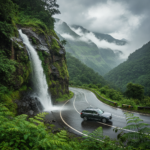
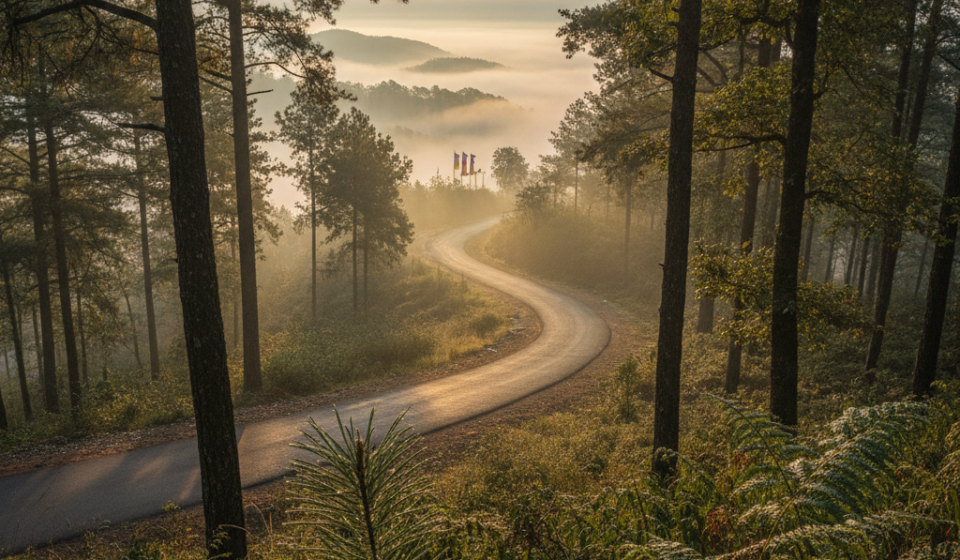

The search for cooler high-altitude sanctuaries in Central India often leads travelers toward conventional Western Ghats or northern Himalayan trails. Yet, hidden in the Sarguja district of Chhattisgarh lies a plateau that completely defies regional geography. Mainpat, a verdant tableland situated at an elevation of 1099 meters above sea level, as documented by the Chhattisgarh Tourism Board (Chhattisgarh Tourism Board, 2021), presents an unexpected environment of rolling mist, lush green pine forests, and unique cultural synthesis. This comprehensive Mainpat travel guide provides seasoned travelers with a deep exploration of this lesser-known gem. Often called the Shimla of Chhattisgarh, the region serves as a sanctuary not only for nature enthusiasts but also for a thriving Tibetan community that has preserved its heritage for over six decades. This Mainpat travel guide is designed to dissect the geographic marvels, cultural layers, and practical planning steps required to execute a perfect journey to this unique highland.
Key Takeaways
- Altitude & Climate: Mainpat is a unique highland plateau situated at 1,099 meters, offering a cool, misty climate that contrasts sharply with the tropical plains of Chhattisgarh.
- Tibetan Heritage: Home to a thriving Tibetan refugee settlement established in 1962, earning it a rich blend of Buddhist culture and local traditions.
- Geological Wonders: Famous for gravity-defying sites like Ulta Pani (Magnetic Hill) and the bouncy, elastic marshlands of Jaljali.
- Ideal Timing: The winter season (October to February) is the peak tourist period, while the monsoon (July to September) highlights stunning active waterfalls.
- Logistics: Located approximately 53 km from Ambikapur railway station, making road travel or hired private taxis the most efficient transport method.
Why Mainpat is Known as the Shimla of Chhattisgarh
The comparison to the northern capital of Himachal Pradesh is not merely a marketing label. It is rooted in climate and geography. While the plains of Central India experience intense summer heat, this highland plateau maintains a temperate climate throughout the year. The temperature drops dramatically during winter nights, sometimes reaching close to freezing points. This particular meteorological reality has earned Mainpat the title of the Shimla of Chhattisgarh among domestic travelers.
The physical features of the plateau reinforce this title. For those utilizing this Mainpat travel guide to plan their next holiday, understanding this unique climate is vital. The region behaves as an ecological anomaly in an otherwise tropical state, defined by:
- Dense Pine Forests: Extensive tracts of pine and sal trees that visually resemble the sub-Himalayan tracts.
- Temperate Vegetation: Agricultural patterns consisting of pear orchards and potato plantations, mimicking the agricultural systems of northern India rather than the rice-dominated plains below.
- Cascading Waterfalls and Valleys: Deep, misty valleys and high-altitude streams that create a persistent cool atmosphere.
Critics say Mainpat lacks the sheer scale of the Himalayas. They are not entirely wrong – but they underestimate the quiet charm of its undisturbed forests. To an extent, the plateau offers a more peaceful experience than more commercialized northern stations. While exploring the lush hills of Central India, travelers often compare this destination to the famous northern trails of Shimla. This Mainpat travel guide emphasizes that this resemblance lies not just in temperature, but in the visual tranquility of mist rolling over the green valleys. For anyone seeking a nature-centric getaway, this highlights how the plateau bridges the gap between Central Indian heritage and Himalayan aesthetics.
Best Time to Visit Mainpat
Determining the best time to visit Mainpat is highly dependent on what one seeks to experience. The climate varies significantly across three main seasons, each offering a distinct perspective of the plateau. This Mainpat travel guide breaks down these variations to assist travelers in scheduling their journey.
The winter season, lasting from October to February, is widely considered the peak period for tourism. During these months, the air is crisp, the skies are clear, and the valleys are covered in a soft layer of morning fog. It is arguably the most comfortable period for sightseeing and outdoor trekking. The monsoon season, which spans from July to September, transforms the plateau into a vibrant green oasis. Waterfalls are at their peak volume, and the mist creates an atmospheric effect. However, road conditions can become unpredictable during this time (a factor requiring careful consideration). The summer season, from March to June, is warmer, yet it remains significantly cooler than the surrounding lowlands of Chhattisgarh.
To plan your visit effectively, this Mainpat travel guide details the seasonal cycles. The table below, curated for this Mainpat travel guide, outlines the seasonal dynamics of the region:
| Season | Months | Average Temperature | Key Recommendations |
|---|---|---|---|
| Winter | October to February | 5C to 15C | Ideal for trekking, exploring the monasteries, and enjoying the mist. Heavy woolens are required. |
| Monsoon | July to September | 18C to 25C | Perfect for viewing active waterfalls and lush vegetation. Rain gear is absolutely essential. |
| Summer | March to June | 20C to 30C | A cooler escape from the plains. Lightweight cotton clothing and light woolens for the night are advised. |
This best time to visit Mainpat assessment shows that while winter offers the most stable weather, the monsoon season holds a unique charm for landscape photographers. For readers of this Mainpat travel guide, planning around these atmospheric shifts ensures an optimal experience. Each season brings a different personality to the hills, making multiple visits rewarding.
How to Reach Mainpat
Understanding how to reach Mainpat is critical for executing a seamless journey, as the plateau is located in a relatively remote portion of northern Chhattisgarh. Spanning a distance of approximately 360 kilometers from Raipur, according to measurements from the National Highways Authority of India (National Highways Authority of India, 2022), the road journey requires deliberate planning. This section of the Mainpat travel guide provides a comprehensive layout of the primary transit options.
Travelers can access this hill station through multiple modes of transport. The choice depends largely on one’s starting point and comfort preferences. The primary focus during the journey is on convenience, and how easily one can access the plateau. Luxury amenities come later. To assist in transit planning, this Mainpat travel guide details the primary routes:
- By Air: The nearest major domestic airport is Swami Vivekananda Airport in Raipur, located roughly 360 kilometers away. From Raipur, one must hire a private taxi or board a state-run bus to Ambikapur, followed by a local transfer to Mainpat. Alternatively, the Darima Airport in Ambikapur has seen developmental upgrades, though commercial flight schedules remain limited and subject to changes.
- By Rail: The closest railway station is Ambikapur Railway Station, situated about 53 kilometers from the Mainpat plateau. Ambikapur is well connected to major regional hubs such as Raipur, Bilaspur, and Durg. Upon arrival at Ambikapur, local taxis and regular bus services are available for the final ascent to the hills.
- By Road: A well-developed network of highways connects Mainpat to nearby cities. The route from Raipur typically follows National Highway 130 via Bilaspur and Katghora, leading up to Ambikapur and then taking the diversion toward the plateau. The final 30 kilometers involve a winding mountain climb through scenic forests.
To help you choose the best route, here is a comparison of the primary transit modes to Mainpat:
| Mode of Transport | Nearest Gateway Point | Distance to Mainpat | Estimated Travel Time | Best Suited For |
|---|---|---|---|---|
| Air | Swami Vivekananda Airport, Raipur | ~360 km | 7 to 8 hours (via road) | Out-of-state travelers seeking major domestic flight options. |
| Rail | Ambikapur Railway Station | ~53 km | 1.5 to 2 hours (via taxi/bus) | Budget-conscious and comfort-seeking regional travelers. |
| Road | Ambikapur Town (or local cities) | ~53 km | 1.5 hours | Road trippers and travelers who prefer private vehicle flexibility. |
This breakdown of how to reach Mainpat highlights that while the railway offers the most economical and comfortable long-distance journey, a road trip from Raipur or Bilaspur allows travelers to witness the changing terrain of the state. As this Mainpat travel guide suggests, booking a reliable private vehicle remains the most efficient way to maintain flexibility during the mountain ascent. Navigating the winding ghat roads requires experienced driving, and this Mainpat travel guide emphasizes the importance of planning travel during daylight hours.
The mountain roads leading up to the plateau are known for their steep curves and hairpin turns. While the roads are generally well-maintained, heavy monsoon rains can cause occasional landslides or water logging on the lower stretches. Therefore, checking local weather updates before departure is highly recommended. This Mainpat travel guide notes that hiring a local driver from Ambikapur is often the safest option for travelers who are not accustomed to driving in mountainous areas.
Top Mainpat Tourist Places to Explore
The geography of the plateau is dotted with distinct ecological and geological wonders. For any visitor, mapping out the primary Mainpat tourist places is essential to maximize their time. This Mainpat travel guide provides an in-depth analysis of the must-visit locations that make this destination so captivating.
Tiger Point
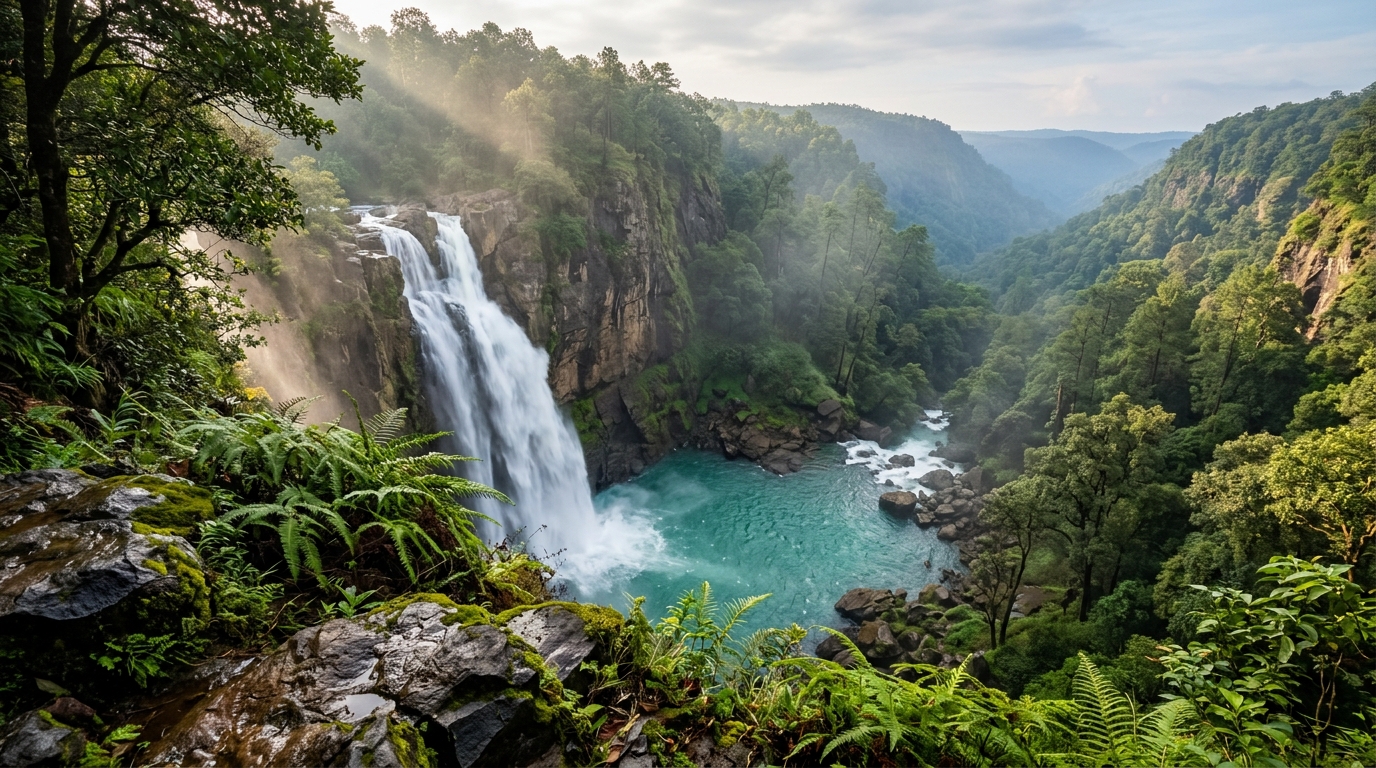
Tiger Point is arguably the most famous waterfall on the plateau. Situated on the Mahadev Munda River, this waterfall cascades down from a height of approximately 60 meters, surrounded by dense forests of pine and sal trees. The name originates from historical reports of tigers frequenting the area to drink water. Today, a well-structured set of steps allows travelers to descend to the base of the waterfall, where one can feel the cool spray of water. This Mainpat travel guide recommends visiting early in the morning to avoid the crowds and to enjoy the serene forest atmosphere.
Ulta Pani and Magnetic Hill
One of the most fascinating geological anomalies on the plateau is Ulta Pani, which literally translates to “reverse water”. Here, gravity seems to be defied as water flows uphill for a stretch of about 100 meters. Adjacent to this stream is the Magnetic Hill, where stationary vehicles placed in neutral gear appear to roll uphill on their own. This phenomenon is a major draw among the local Mainpat tourist places. Scientists suggest that this is an optical illusion created by the specific slope of the surrounding terrain. Still, the visual effect is highly striking and continues to baffle visitors. This Mainpat travel guide advises testing this phenomenon with a local guide who can demonstrate the exact point where the gravitational drift occurs.
Dhakpo Shedupling Monastery
The Dhakpo Shedupling Monastery serves as the spiritual heart of the local Tibetan settlement. Established by Tibetan refugees who arrived in the region in the early 1960s, this Gelugpa sect monastery features a beautiful gold-plated statue of Lord Buddha, along with vibrant murals and traditional prayer wheels. The peaceful atmosphere inside the temple offers a profound contrast to the active outdoor spots of the plateau. Visitors can observe the daily rituals of the monks and learn about the preservation of Tibetan culture in Central India. As this Mainpat travel guide highlights, the monastery is not just a tourist spot, but an active place of worship that demands quiet respect and appropriate attire from all visitors.
Jaljali (The Bouncing Land)
Jaljali is a unique marshy landmass that behaves like a natural trampoline. When visitors jump on the designated patch of ground, the entire earth beneath them bounces and shakes. This elastic property is caused by a massive underground water reservoir covered by a thick crust of soil and dense root networks, creating a safe, spongy layer. It is undoubtedly one of the most unusual natural features mentioned in any Mainpat travel guide. The area is highly popular among children and geology students. However, visitors are advised to stick to the established pathways and follow local instructions, as some deeper pockets can be unstable during the peak rainy season.
Fish Point
Named after the abundance of small fish found in the local stream, Fish Point is another stunning valley-and-waterfall destination. The river here plunges down a rocky cliff of nearly 80 meters into a deep, forested gorge. The panoramic view of the surrounding hills from the lookout point is spectacular, making it a favored spot for photography and peaceful contemplation. This Mainpat travel guide suggests combining a visit to Fish Point with a short nature walk along the riverbanks, where the sound of rushing water and the calls of native birds create a soothing natural symphony.
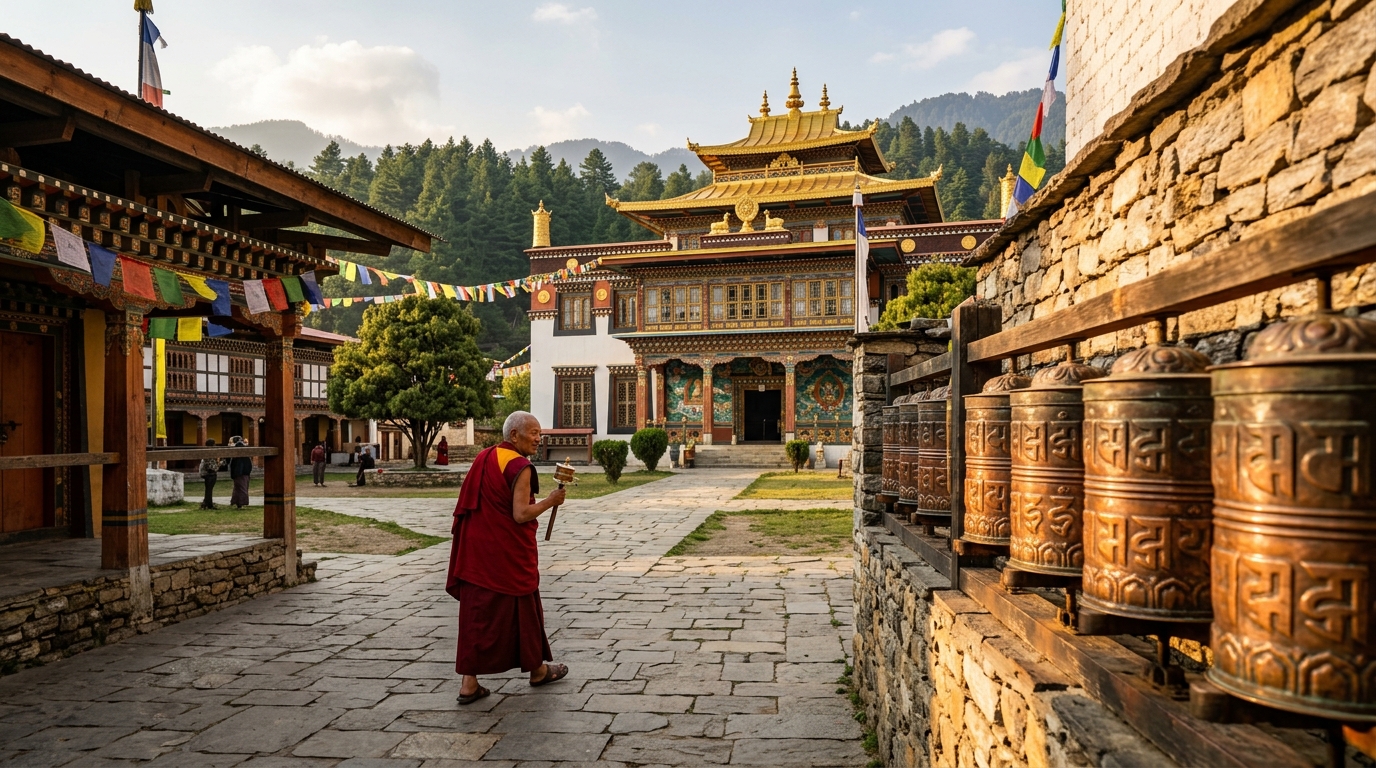
The Tibetan Settlement and Local Culture
The cultural identity of the plateau is deeply intertwined with its history as a sanctuary for Tibetan refugees. Following the 1959 Tibetan uprising, the Government of India sought suitable locations to resettle the displaced population. In 1962, the Ministry of Rehabilitation settled Tibetan refugees here (Ministry of Home Affairs, 1962), choosing the cool highlands of Mainpat due to its climatic resemblance to their homeland. This historical event laid the foundation for a unique cultural synthesis in the heart of Chhattisgarh.
Today, the plateau is home to several Tibetan camps, where the residents continue to practice their traditional crafts, agriculture, and religious rituals. Visitors can experience the local economy and culture through several distinct offerings:
- Handloom and Weaving: High-quality, hand-woven Tibetan carpets and woolen garments produced by local artisans.
- Agricultural Goods: Unique high-altitude farming products, including potatoes and seasonal temperate fruits.
- Spiritual Practices: Traditional Buddhist rituals, prayer wheels, and monasteries active across various camps.
This Mainpat travel guide highly recommends visiting the local cooperative societies, where one can purchase authentic Tibetan carpets and woolen jackets directly from the artisans.
The integration of Tibetan traditions with local Chhattisgarhi culture has created a harmonious community. The annual festivals, particularly Losar (the Tibetan New Year), fill the plateau with color, traditional dances, and spiritual energy. This unique cultural layer is what distinguishes Mainpat from any other hill station in Central India, a fact that this Mainpat travel guide emphasizes for travelers interested in cultural anthropology.
Where to Stay: Accommodation Options in Mainpat
While the hospitality infrastructure on the plateau is developing, there are several comfortable options available for travelers. These range from government-run tourist resorts to private eco-lodges. This Mainpat travel guide provides a comparative analysis of the primary accommodation types to suit different budgets and travel styles.
| Accommodation Name | Type | Key Features | Target Audience |
|---|---|---|---|
| Saila Tourist Resort (CTB) | Government Resort | Spacious rooms, local dining options, and close proximity to Tiger Point. Excellent reliability. | Families and government officials |
| Mercury Resorts | Private Luxury | Modern amenities, multi-cuisine restaurant, and well-curated gardens. Great valley views. | Couples and comfort travelers |
| Local Eco-Cottages | Budget / Eco-lodge | Basic facilities, focus on sustainability, and deep immersion in the pine forests. | Solo travelers and backpackers |
Critics say Mainpat lacks five-star luxury. They are not entirely wrong – but they underestimate the charm of local eco-resorts that offer direct contact with nature. For those using this Mainpat travel guide, booking accommodations well in advance is highly recommended, especially during the winter peak season and local festival holidays when rooms sell out quickly.
A Practical 3-Day Mainpat Itinerary
To ensure a well-rounded exploration of the region, this Mainpat travel guide presents a structured three-day itinerary. This plan covers geological marvels, cultural landmarks, and serene natural viewpoints at a measured pace. The following schedule is designed to optimize travel time across the plateau:
- Day 1: Arrival and Cultural Immersion
- Arrive on the plateau by afternoon and check into the chosen accommodation.
- Spend the late afternoon visiting the Dhakpo Shedupling Monastery to experience the peaceful evening prayers.
- Explore the local Tibetan market to shop for hand-woven carpets and authentic woolen clothes.
- Day 2: Geological Exploration and Waterfalls
- Start the morning early with a visit to Tiger Point to enjoy the mist and the forest canopy.
- Proceed to Fish Point for a scenic view of the valley and a short nature walk.
- Spend the afternoon at Jaljali, experiencing the bouncing earth, and then visit Ulta Pani to witness the reverse-flowing water stream.
- Day 3: Sunrise and Departure
- Wake up early to catch the spectacular sunrise from one of the valley viewpoints, such as Mehta Point.
- Enjoy a traditional breakfast featuring local Tibetan dishes like momos or thukpa.
- Check out of the hotel and begin the descent toward Ambikapur or Raipur, bringing an end to the journey.
This carefully curated schedule, suggested by this Mainpat travel guide, balances active exploration with adequate rest. It ensures that travelers do not feel rushed while covering the vast distances between the key points of interest.
Essential Travel Tips for Mainpat
Executing a successful trip to this remote plateau requires some practical preparation. This section of the Mainpat travel guide outlines crucial tips to keep in mind before embarking on the journey. To guarantee a safe and comfortable stay, travelers should note the following recommendations:
- Pack Appropriate Clothing: Due to the high altitude, temperatures can drop suddenly. Heavy woolens are necessary for winter nights, while a light jacket or windbreaker is useful even during monsoon evenings.
- Connectivity and Network: Mobile network coverage can be spotty in certain areas of the plateau, particularly near the waterfalls and deep valleys. Major telecom providers like Jio and Airtel offer the most stable connectivity in the main town areas.
- Carry Cash: While digital payments are increasingly accepted in hotels and larger shops, smaller vendors and local guides prefer cash transactions. ATMs on the plateau can occasionally run out of cash, so carrying sufficient paper currency is advised.
- Road Safety: The winding roads up the plateau require careful driving. It is recommended to complete the ascent before sunset to avoid driving through dense evening mist without local terrain knowledge.
By keeping these practical tips from this Mainpat travel guide in mind, travelers can focus entirely on enjoying the natural beauty of the region without facing unexpected logistical hassles. Proper planning ensures that the unique geographical and cultural aspects of the plateau can be appreciated to their fullest extent. For comprehensive travel arrangements and tailored tours, exploring the customized domestic tour packages offered by TravelDham is highly recommended to simplify your planning process.
FAQs
To address common queries regarding trip planning, this final section of the Mainpat travel guide answers frequently asked questions from travelers. These insights are designed to resolve lingering doubts and help compile a seamless travel plan.
What is the distance between Raipur and Mainpat?
The distance between Raipur, the state capital, and Mainpat is approximately 360 kilometers. The road journey typically takes between seven to eight hours, depending on traffic and road conditions. As this Mainpat travel guide details, the route passes through Bilaspur and Ambikapur, offering a scenic look at the diverse geography of Chhattisgarh.
Is Mainpat safe for solo travelers?
Yes, the plateau is highly safe for solo travelers, including female travelers. The local communities, both Chhattisgarhi and Tibetan, are remarkably hospitable and peaceful. However, as this Mainpat travel guide emphasizes, solo travelers should avoid exploring isolated forest trails after dark and should always inform their hotel staff of their itinerary. Staying aware of local surroundings and adhering to standard safety practices ensures a trouble-free experience.
Are there luxury resorts in Mainpat?
While the region does not feature ultra-luxury five-star international hotels, there are high-quality private resorts like Mercury Resorts and state-run options like the Saila Tourist Resort that provide excellent comfort, modern amenities, and beautiful views. This Mainpat travel guide advises booking well in advance to secure the best available rooms, especially during the high-demand winter season.